TL;DR:Lumens measure the total visible light output of a flashlight, directly affecting how bright it appears in real-world use. This guide explains how lumens work, how they differ from beam distance and intensity, and how to choose the right brightness level for camping, EDC, tactical, and outdoor use. Understanding lumens helps users avoid overpaying for unnecessary brightness while selecting the most efficient flashlight for their needs, including modern high-performance models from Olight.
Table of Contents
Night fishing introduces unique environmental challenges that daylight anglers never have to face. Navigating slippery banks, rigging miniature terminal tackle in pitch darkness, and tracking subtle line movements require specialized illumination. A standard, generic flashlight is often insufficient. To maximize safety, convenience, and your overall catch rate, you need a high-performance system designed for wet environments and stealth.
Why Anglers Need the Right Light
Using an incorrect light source can ruin a night fishing excursion. Standard utility flashlights often lack the specific features required for marine and freshwater environments. High-output white beams, while useful for general navigation, can instantly startle fish in shallow or clear water, causing them to flee the feeding zone.
Furthermore, hands-on tasks such as baiting hooks, untangling braided lines, and unhooking thrashing fish require both hands to be completely free. Fumbling with a handheld light in these situations increases the risk of dropping gear into the water or injuring yourself.
A dedicated night fishing light solves these issues by combining tactical-level durability with specialized light modes, ensuring you can operate efficiently and safely in the dark without alerting your target species.
Red Light Won’t Spook Fish
Stealth is paramount when fishing under the cover of darkness. The sudden flash of a bright white light across the water surface mimics predatory movements or lightning, immediately shutting down fish activity. Utilizing a red light for fishing is the most effective way to maintain a stealthy profile.
How Red Light Affects Fish Vision
Most freshwater game fish, such as largemouth bass, walleye, and trout, have eyes adapted to detect short-wavelength light (blues and greens) which penetrates deeper into the water column. Red light has a much longer wavelength (typically between 620 and 750 nanometers) and is rapidly absorbed by water.
Within the first few feet of depth, red light loses its intensity and becomes virtually invisible to fish sitting deeper in the water column. By utilizing a low-intensity red beam while rigging tackle or scanning the shoreline, you drastically reduce the chance of spooking fish feeding near the surface.
According to the U.S. National Oceanic and Atmospheric Administration (NOAA), red wavelengths are absorbed by water much faster than blue and green wavelengths, which is why red-colored objects quickly lose visibility as depth increases. This same optical principle helps explain why low-output red fishing lights are generally less intrusive underwater than white light sources (Reference:NOAA Ocean Exploration).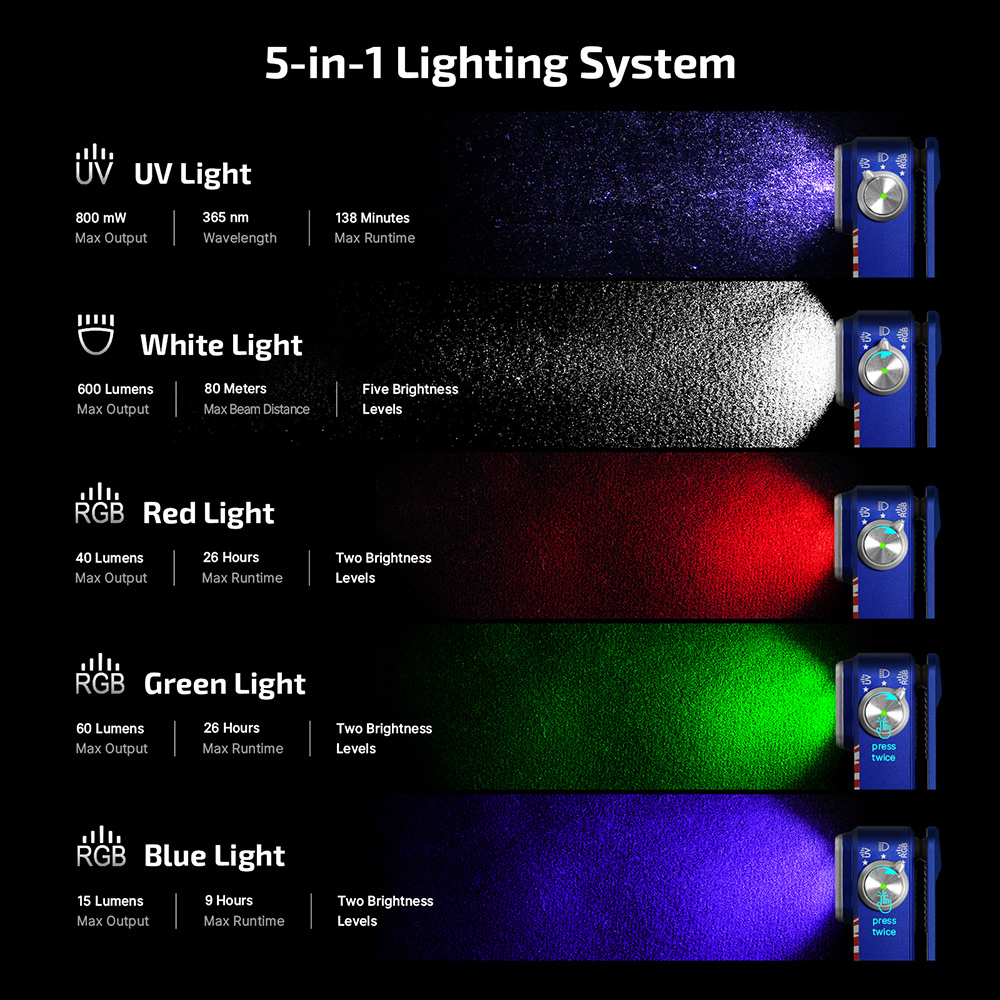
Protecting Your Own Night Vision
The human eye relies on photoreceptor cells called rods to navigate in low-light conditions. These cells are highly sensitive to blue and white light. When exposed to a bright white beam, your rods are instantly desensitized, a phenomenon known as "bleaching." It can take up to 30 minutes for your eyes to fully adjust back to night vision.
Red light does not trigger this bleaching effect. By relying on a red light for fishing tasks, you can read maps, rig lures, and change baits while keeping your pupils dilated and ready to spot surface ripples, rod-tip movements, or shoreline obstacles.
Waterproofing Matters
Night fishing inevitably involves exposure to moisture. Whether dealing with heavy dew, sudden downpours, waves crashing over a boat gunwale, or accidental drops into the shallows, your light must feature robust sealing to prevent internal short circuits.
IPX4 vs IPX7 vs IPX8 – What You Need
The Ingress Protection (IP) rating system determines how well a device resists dust and water penetration. Understanding these ratings helps you choose a reliable waterproof fishing light that fits your fishing style:
The IP (Ingress Protection) rating system is defined by the international IEC 60529 standard and is widely used to classify how effectively electronic devices resist water intrusion. Understanding these ratings allows anglers to select lighting equipment that matches real-world fishing conditions, from occasional rain exposure to full immersion scenarios(Reference:IEC 60529 Standard Overview).
| IP Rating | Protection Level | Recommended Fishing Environment |
|---|---|---|
| IPX4 | Resists splashing water from any direction. | Dry banks, light mist, basic camping use. |
| IPX7 | Withstands immersion in water up to 1 meter for 30 minutes. | Heavy rain, boat decks, wading in shallow streams. |
| IPX8 | Continuous submersion deeper than 1 meter (usually up to 2 meters). | Kayak fishing, deep wading, surf fishing, extreme weather. |
For maximum reliability, look for a best fishing flashlight rated at IPX8. This ensures that even if your light falls into the riverbed while landing a fish, you can retrieve it and continue using it without functional degradation.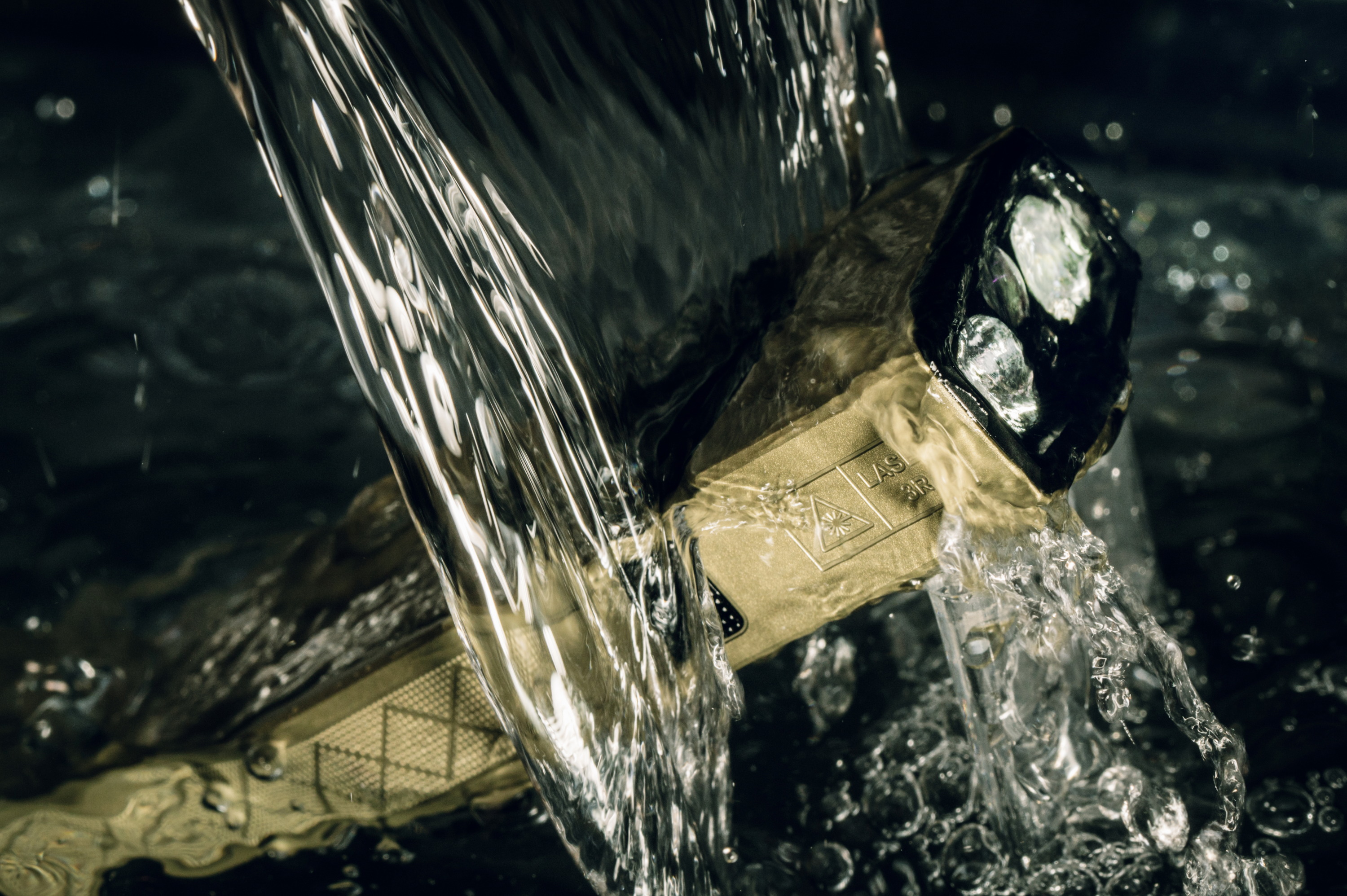
Saltwater Corrosion Risks
Saltwater is highly corrosive to electronic components. Standard aluminum alloys and exposed charging ports will rapidly degrade when exposed to salt spray.
High-quality marine lights utilize premium anodization (such as Type III hard anodizing) and sealed magnetic or physical dust covers over charging ports. After any saltwater excursion, it is critical to rinse your lighting gear with fresh water and dry it completely to maintain the integrity of the seals and contacts.
Hands-Free Options
To operate effectively at night, your hands must remain focused on your rod, reel, and tackle. Handheld lights are excellent for directional scouting, but hands free fishing light tools are non-negotiable for task work.
Headlamps for Tackle Management
A dedicated fishing headlamp is the gold standard for tackle management. Because the light source is positioned directly on your forehead, the beam naturally tracks your gaze. If you look down at your tackle box, the light illuminates your lures. If you look up to cast, the light shines toward your target area.
Modern headlamps feature comfortable, breathable, and sweat-wicking bands designed for hours of continuous wear.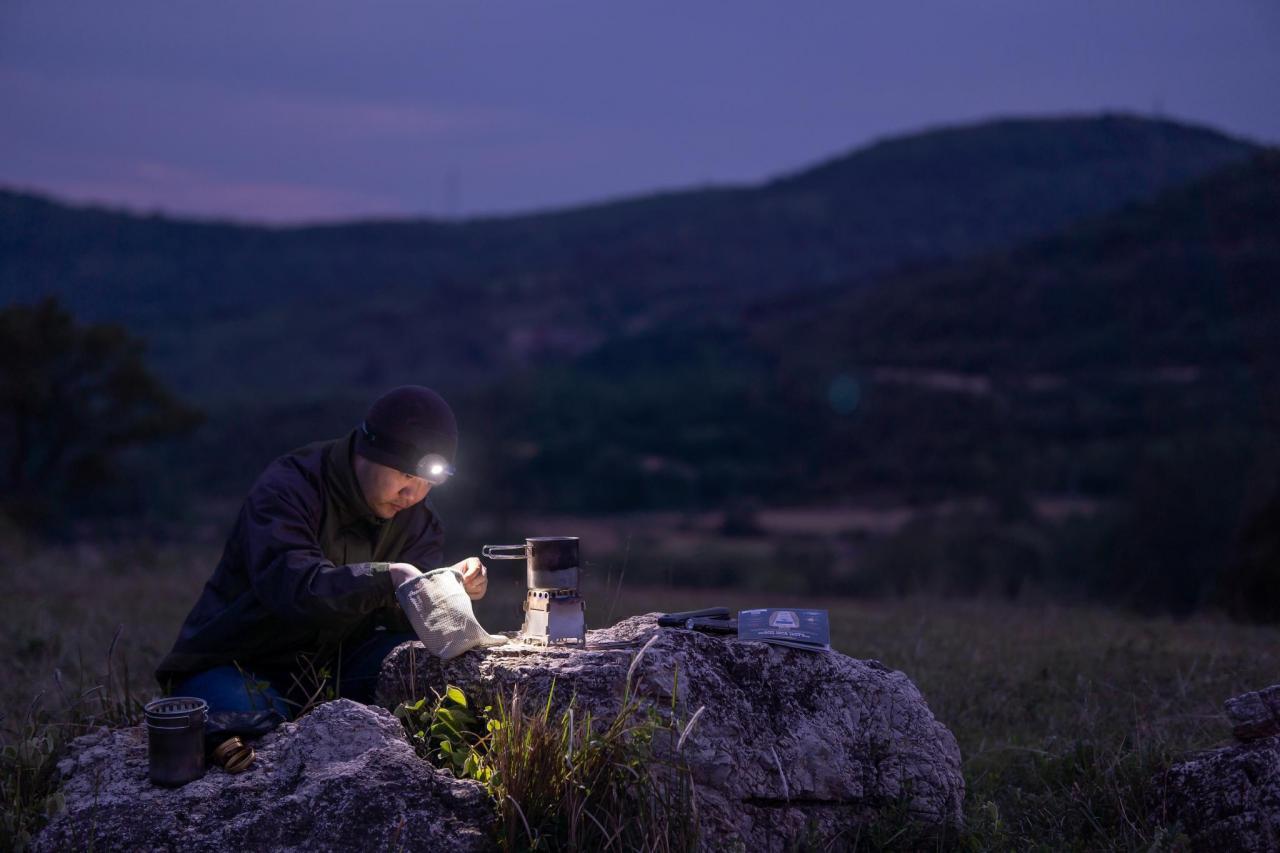
Clip & Magnetic Lights for Versatility
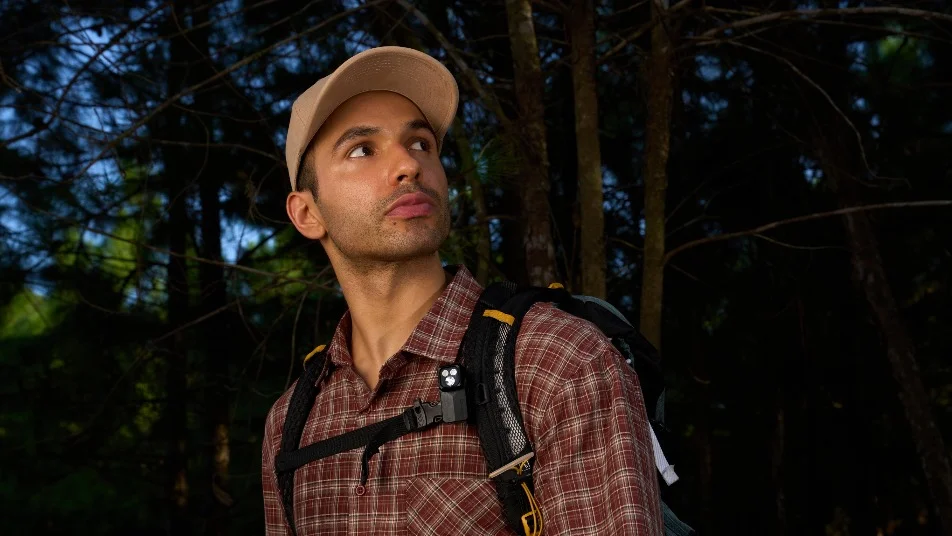
While headlamps are highly effective, clip-on and magnetic lights offer supplementary mounting flexibility. A compact clip-on light can be secured to:
- The brim of a baseball cap
- A life vest or PFD strap
- A backpack shoulder harness
- The pocket of a fishing shirt
Furthermore, magnetic bases allow you to attach the light to metallic surfaces, such as the hull of a boat, metal tackle boxes, or car tailgates, providing stable area illumination for rigging up before heading to the water.
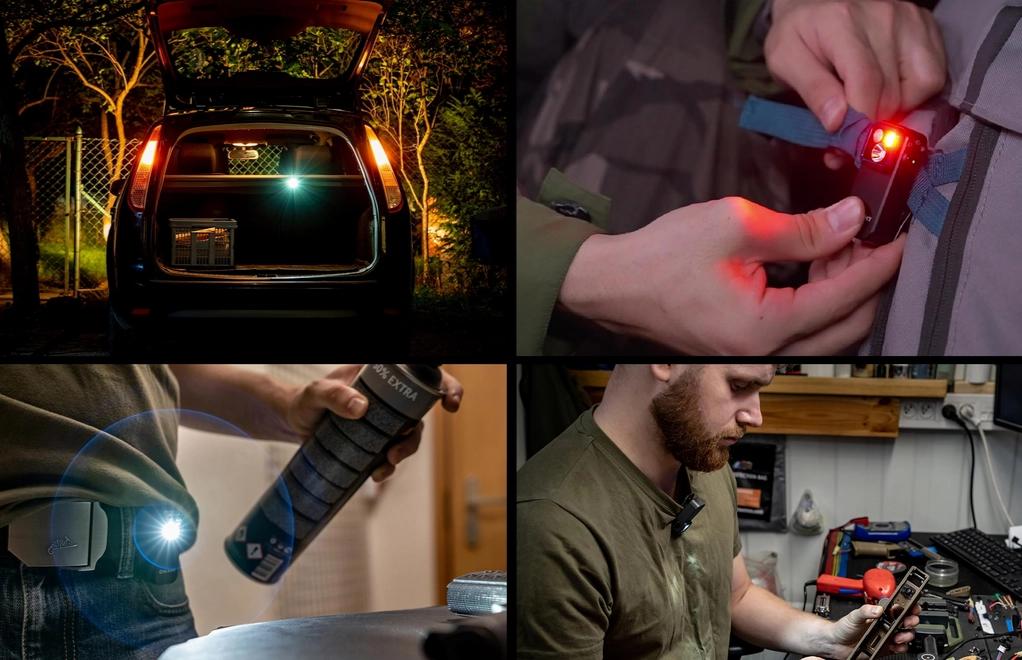
The Power of Headlamp + Clip Combo
Professional night anglers rarely rely on a single light source. The optimal configuration is a dual-light system combining a primary headlamp with a secondary clip-on utility light.
The headlamp remains dedicated to high-output white lighting for navigation, trail walking, and long-range spotting. Simultaneously, a compact clip light is attached to the chest or cap brim, locked permanently into low-output red light mode. This setup prevents the need to constantly cycle through white light modes to access your red night-vision mode, keeping your movements stealthy and your primary field of view clear.
Additionally, having two independent light sources provides a built-in safety backup. If one light suffers battery depletion or falls into deep water, the secondary light ensures you are never left in complete darkness on a remote shoreline.
Top Picks for Night Anglers
Choosing the correct tools is crucial. The following high-performance devices represent the absolute pinnacle of ruggedness, output control, and versatility for night anglers in 2026.
Long-Range Spotlights (Flat EDC)
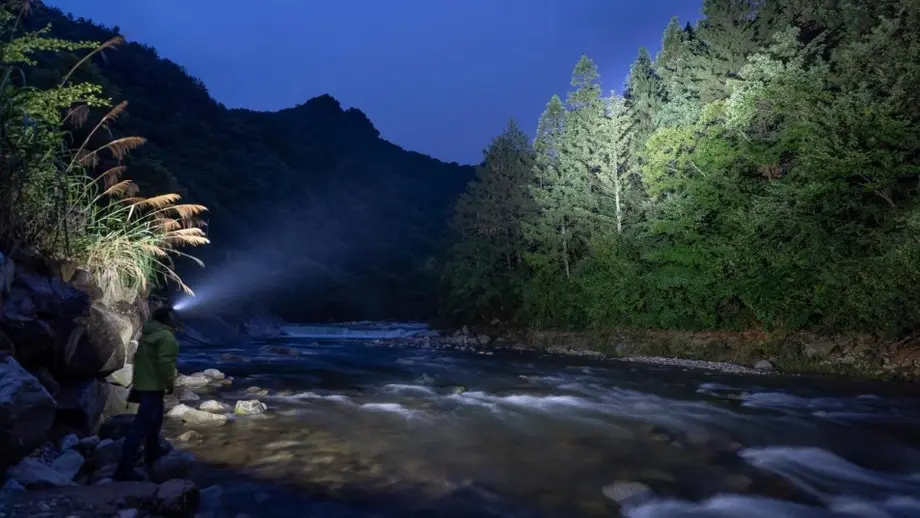
When navigating unfamiliar shorelines, locating channel markers from a boat, or walking dense trails to your favorite fishing hole, you require a long-distance beam.
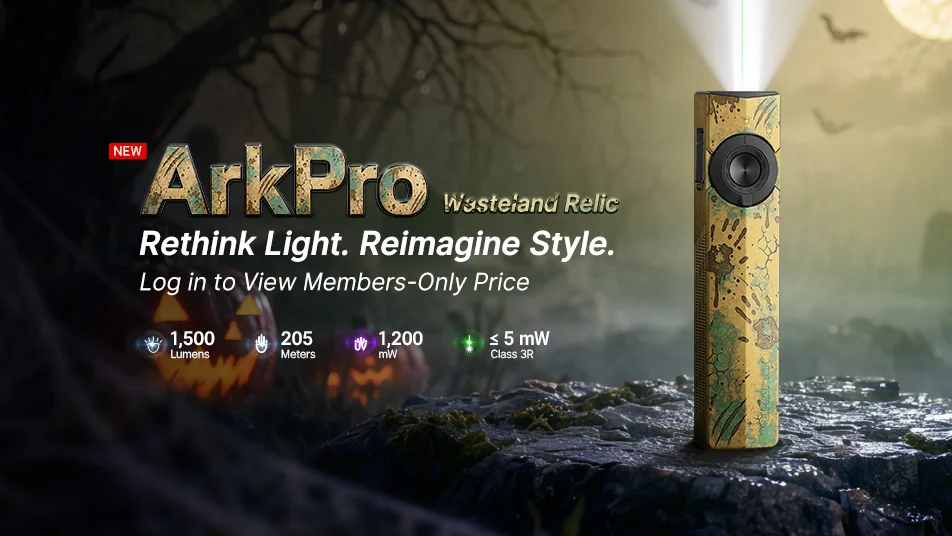
For those who prefer a highly durable, multi-functional EDC light with advanced construction, the Arkpro lite is an exceptional choice.
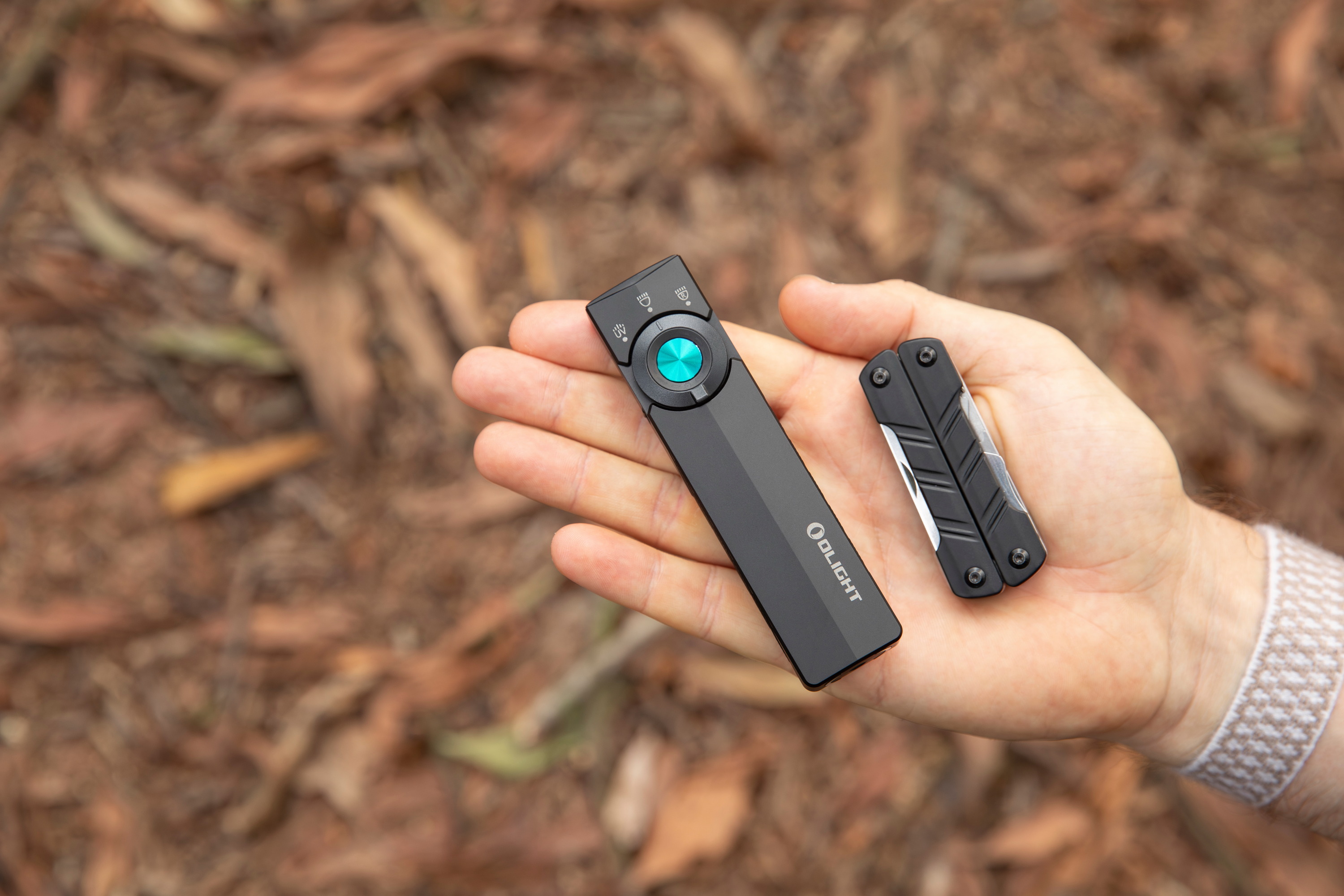
Ark Pro Lite Premium EDC Flashlight
Lite premium EDC flashlight designed for outdoor activities and professional work, reliable performance and exquisite workmanship.
View DetailsIt features an incredibly versatile 3-in-1 lighting system:
- 1200-Lumen White Beam: Ideal for distant navigation.
- 365 nm UV Light: Ideal for charging glow-in-the-dark lures or checking equipment cleanliness.
- Red Beam: Great for fish and your eyes.
With dual magnetic and USB-C charging options, this flat-style light offers up to 10 days of runtime in moonlight mode, making it an incredibly reliable backup for extended trips.
Hands-Free Headlamps (Perun Series)
If your primary need is a dedicated, ultra-comfortable fishing headlamp, the Perun 3 Mini Headlamp Flashlight delivers outstanding performance.
This dual-use light instantly transitions from a comfortable, lightweight headlamp to a compact handheld flashlight via its quick-release bracket.
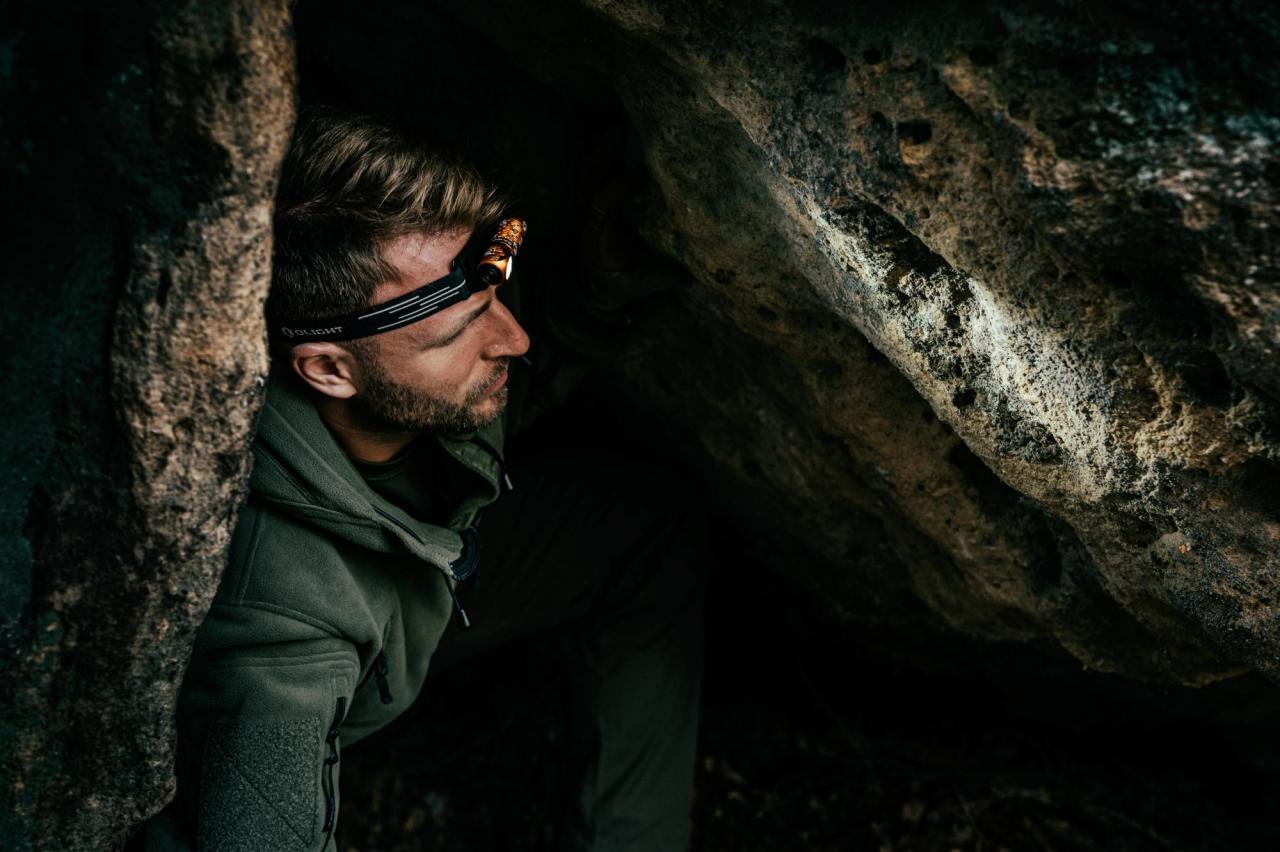
Perun 3 Mini Headlamp & Flashlight
Dual-purpose light with white and red light, max 1250 lumens output. Supports quick switch between headlamp and handheld mode, built with IPX8 waterproof and magnetic charging design.
View DetailsKey features for anglers include:
- Dual Light Sources: High-efficiency white light (5 modes, up to 1,250 lumens) for maximum visibility, and 3 distinct red light modes to protect night vision and avoid spooking fish.
- Versatile Mounting: Includes a heavy-duty pocket clip and magnetic tailcap for hands-free mounting on boat surfaces or tackle boxes.
- Upgraded Headband: Features a 3D-breathable mesh construction that is 25% lighter than previous generations, complete with an anti-sweat strip to keep salt and moisture out of your eyes.
- Premium Charging Case Option: The Premium Edition includes a charging case equipped with a 5,000 mAh battery, capable of fully recharging the Perun 3 Mini up to 5 times for up to 60 days of total runtime.
Compact Backup Clip Lights (Oclip Series)
For ultimate pocket-sized convenience and rapid attachment, the Oclip Pro is the perfect addition to any night fishing pack.
Weighing only 53 grams and measuring just 57 mm in length, this micro-sized powerhouse can clip to your cap brim, life vest, or pack strap without adding bulk.
It offers unique functionality designed directly for utility work:
- Triple Light Output: Incorporates a 500-lumen white floodlight for broad area lighting, a 120-meter range spotlight for focused tasks, and a dedicated low-intensity red light (40/4 lumens) to maintain stealth.
- Heavy-Duty Spring Clip: Easily secures to webbing, straps, pockets, or hats.
- Magnetic Base: Sticks to any ferrous metal surface on your boat or vehicle.
- Sealed USB-C Port: Charges easily via a modern USB-C port hidden under a protective metal dust cover, providing up to 144 hours of runtime in low-power modes.
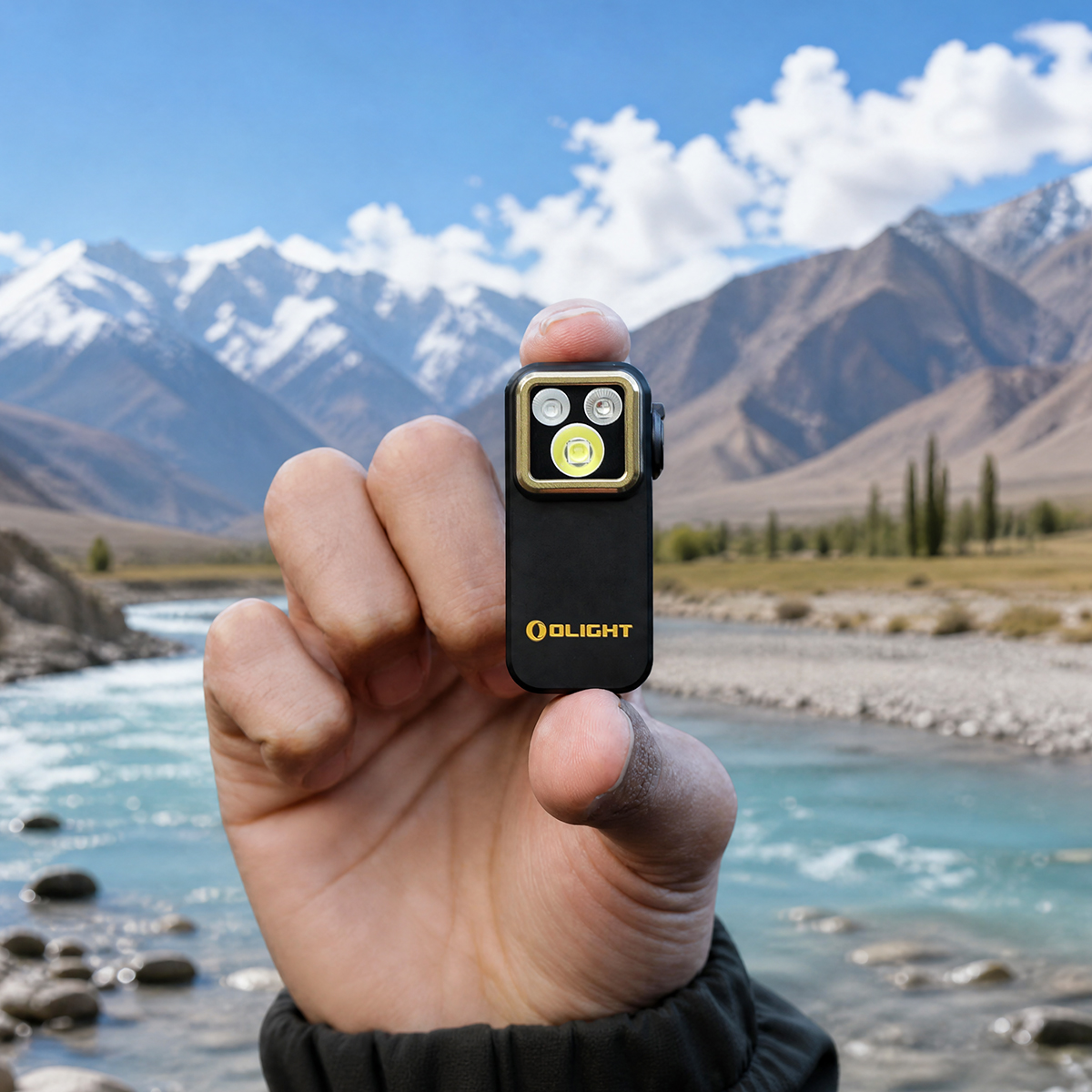
Oclip Pro Clip-on Flashlight
Multifunctional clip-on flashlight equipped with floodlight, spotlight and red light, portable and practical for daily use and outdoor scenarios.
View DetailsFAQ – Your Questions Answered
Can fish see red light underwater?
While fish can detect red light if it is shined directly on them at high intensity, red wavelengths are absorbed extremely rapidly by water. This means red light becomes diffuse and loses its intensity within the first few feet of depth, making it far less likely to startle fish compared to white or blue light.
Because red wavelengths attenuate rapidly in water, marine researchers frequently use red illumination in underwater observation scenarios where minimizing visual disturbance is desirable. While fish species differ in visual sensitivity, red light generally loses effective visibility much faster than shorter wavelengths(Reference:NOAA Ocean Exploration)
Why is Red light useful for night fishing?
Red light doesn't spook fish and it allows you to see your gear without blinding your eyes to the darkness.
How do I prevent my magnetic charger from getting damaged by saltwater?
Always rinse your flashlight with clean, fresh water after any exposure to marine environments. Ensure the magnetic charging contacts are completely dry before connecting the charging cable to prevent galvanic corrosion.
Is a higher lumen rating always better for night fishing?
No. High lumens are useful for long-distance navigation or safety, but close-up tasks like tying knots require very low lumen outputs (often under 15 lumens) to avoid blinding yourself with reflective glare off white monofilament or reflective tackle. Look for lights with multi-stage output settings and dedicated "Moonlight" modes.