TL;DR: Specify the same light, power setup, and delivery locations before asking for three quantity quotes. Compare the full delivered cost and the cost per position you can equip on day one. Then check spare stock, charging capacity, replacement parts, and the price of a small follow-up order before picking a tier.
📋 Table of Contents
- 1. Match each light to the work before requesting prices
- 2. Where can I buy flashlights in bulk?
- 3. How do bulk flashlight price tiers work?
- 4. What is the best inexpensive flashlight?
- 5. Turn headcount into an order you can actually use
- 6. Compare landed cost and deployment costs separately
- 7. Prepare a written quote that suppliers can answer
- 8. Plan charging where the equipment comes back
- 9. Three example lights to put on separate quote lines
- 10. Make the delivery and restock plan part of the decision
- 11. FAQ
Match each light to the work before requesting prices
Get the names of the jobs that need light from the person who runs the shift. A property crew may need a light at each workbench, a handheld in a shared vehicle, and a headlamp for an employee who carries supplies with both hands. The purchasing decision changes depending on which jobs happen at the same time and whether the same equipment returns to the same building each night.
| Work to light | Example configuration | Include in the quote |
|---|---|---|
| Stationary close work | Clip light on a stable point | Exact clip, charging cable |
| Stopped vehicle or building check | Shared handheld | Power source, spare cable |
| Ordinary hands-free task | Headlamp with its strap | Headband, compatible cable |
Try to keep the equipment specification for each job short enough that two people interpret it the same way. For a stationary close-up task, “adjustable head and a stable spot for the clip” gives a buyer something to verify. For a shared vehicle, “handheld fits the assigned holder, with its own charge arrangement” explains what the recipient needs to receive. Include the setting where it will be used and any workplace restrictions that may apply.
Ask the supervisor which jobs are genuinely alike. One portable model can serve several routine tasks when those workers use the same compatible equipment and can reach the charger at the end of a shift. A headlamp earns a separate line when carrying something with both hands is part of the work. Keep those roles clear in the purchase request so the price comparison cannot silently swap a handheld for a hands-free kit.
Check site restrictions before selecting a specific product. A workplace may require approved equipment, particular protective gear, a charging arrangement, or permission to use accessories. Ask the employer or person responsible for the site which rules apply. The product examples here suit ordinary non-classified work areas where the employer permits the light and its charging or carrying setup.
Where can I buy flashlights in bulk?
Use a manufacturer's group quote channel or ask an authorized supplier for a written quote with the exact model, quantities, and delivery locations. Olight provides a U.S. bulk request form for buyers to describe the product, quantity, and logistics. A written response is where you can confirm the price, available quantity, and delivery terms for your order.
The Olight Bulk Order Quote Request asks for the product name and quantity. It also has fields for logistics requirements and target price. Give the contact the exact selection and tell them whether you need the price for one delivery address or several. Request a written breakdown with the unit price and equipment included at each proposed quantity.
If the form lets you send only one quantity clearly, start with the number your crew can use now. In the logistics or discussion with the seller, ask whether they can also quote the two other counts. Say where the first shipment needs to go and when it is needed. Ask separately about branch deliveries or a future release so both sides can recognize which proposal they are discussing.
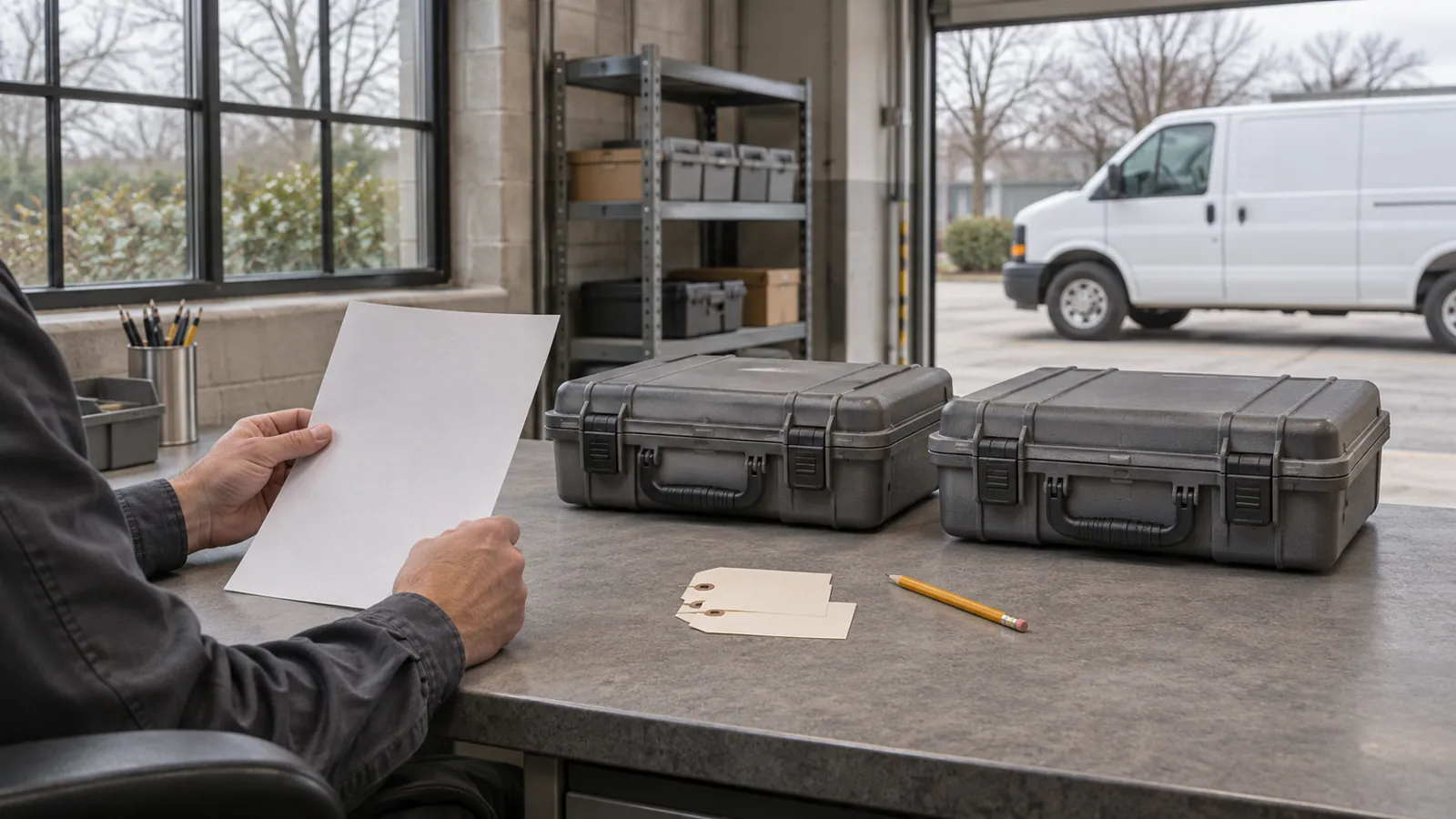
Keep the return, replacement, and support terms with each quote. A dollar on a spreadsheet can correspond to different options when the seller includes a specific cable, adds packaging, or quotes a later shipment window. Check the order quantities and terms with whoever can accept the shipment at each site. That person should understand whether partial deliveries are acceptable and where any missing units will be recorded.
How do bulk flashlight price tiers work?
A price tier is a written unit price or term that applies at a stated quantity. A larger order may earn a lower unit price, a different shipping charge, or no change at all. Ask the supplier to specify the qualifying count and calculate what the entire order would cost at each level you could realistically use.
Request the same configuration at each quantity. If the site manager needs a headband or the charging station needs compatible cables, carry those requirements into each tier. The larger offer may include a different package or require one delivery location. Separate that extra condition from the price amount so the team can see what it has to do to qualify.
Some organizations buy in releases as projects start. Ask whether the price requires one firm purchase for the entire quantity or whether the supplier will quote separately for shipments taken later. Check the price expiry against your approval date. If a buyer cannot place the order before the expiry, keep the quote as a planning reference and request a current one when the order is ready.
The quoted unit price is only one column in the comparison. Record where freight applies, which consumables and cables are included, and whether the quantity can arrive in time. Price all offers on the same terms, then give your team a separate estimate for work it has to do internally to issue and maintain the lights.
What is the best inexpensive flashlight?
For a crew, an inexpensive flashlight is one that can do the assigned job and stay ready at a manageable cost. Start with the light someone can carry and operate safely during that task. Then check the price with the approved battery or charger, the needed holder or strap, and a realistic plan for replacements.
Give the least expensive option a fair comparison. Ask for a sample or confirm the exact configuration through the written product information. A colleague should be able to recognize the controls and identify the correct power accessory where it will be issued. If a different model can serve the same job with less setup, document which cost or step changes before choosing.
Check the small restock price too. A low opening order price can leave out the cost of getting one replacement to a branch later. Ask what the smallest follow-up shipment would include, how it would be charged, and what options you have if a finish or part changes. Keep a separate line for a spare unit you can issue while the replacement is still in transit.
Turn headcount into an order you can actually use
Start with the busiest expected handoff, not the employee directory. A crew running three shifts may share an equipped workbench while two shifts briefly overlap. A different crew may need lights assigned to individual employees because the night group starts at a second location. Walk through which staffed position needs a light, when another person also needs it, and how soon it comes back ready to use.
The figures below are a planning example. Each position has one assigned light and a spare pool equal to one tenth of the assigned positions. The spare count is an assumption for these examples. Use your actual staffing, the expected time to replace a light, and the consequence of a position going without one to set your own count.
| Assigned | Ready spares | Quote count | Setup to verify |
|---|---|---|---|
| 20 | 2 | 22 | One issue point |
| 50 | 5 | 55 | Spare access |
| 100 | 10 | 110 | Split delivery |
Keep the spares in the order quantity. Removing those units to reach a lower headline total makes it impossible to compare the same readiness level across suppliers. Give each branch its expected count when requesting delivery terms. You can then see whether one package of spares needs to stay at a central depot or whether a smaller number has to be available at each site.
A tier threshold is worth checking without assuming a discount. Suppose you need 55 complete kits and a supplier quotes a possible break at 60. With each kit equally equipped and all other charges held equal, the 60-kit unit price needs to be less than 55 divided by 60, or about 91.67% of the 55-kit unit price, for the larger order to cost less overall. Break-even requires a reduction of exactly one twelfth, about 8.33%. The reduction needs to exceed that fraction for the larger order to save money. The quantities in this example are worksheet inputs. Ask for actual terms before counting any savings.
Repeat the comparison using the vendor's actual freight and accessory charges if you get two written quotes. If a branch would really use the remaining five lights within the same budget period, identify which branch and confirm that need before changing the order count. If there is no assigned work or reserve need for those lights, the purchase still has to cover the whole additional quantity even if one unit costs less.
For each row, multiply the quote count by the unit price the supplier actually wrote for that count. Use the correct unit from the quote. A price for a carton of six and a price for a single kit belong in different columns until you convert them to the same basis. Add the charges specific to that order size and mark separately anything the supplier says is included. The order count from the table belongs in this calculation. The staffed count belongs in your separate cost-per-position calculation.
Compare landed cost and deployment costs separately
Write the landed cost as the total price of the quoted lights, any required equipment billed separately, freight, and applicable tax or fees. Use the same delivery locations and the same delivery window in both quotes. If the tax or freight amount is unknown for one offer, leave it marked for confirmation instead of carrying a zero into the final comparison.
After that calculation, estimate the cost of getting each kit ready at the site. Opening and checking boxes, matching parts to the right stock code, labeling gear, and setting up an approved charging location all take time. Use your organization's normal way of valuing that time. The vehicle or site manager can often tell you which work repeats at every depot and which work happens only once.
The U.S. Department of Energy's life-cycle cost guidance for federal acquisition describes looking beyond purchase price to what a product costs to own. A private company can use the same idea for its own budget without adopting a federal acquisition process. Give operating costs a practical time frame such as the budget year your team is planning. Bring known replacement and restocking costs into the estimate when the supplier can confirm them.
Divide the landed cost by the number of complete kits delivered when you need a per-kit comparison. Divide the landed cost plus deployment costs by the number of positions equipped when you want the cost of having the crew ready. A reserve light has value even though it does not create another staffed position. Keep both denominators labeled. They answer different questions and can lead to different decisions.
Compare only like time periods. If one supplier quotes a year's worth of scheduled deliveries and the other gives you a single shipment, separate the quantities, deliveries, and in-house handling that occur during the year. Record assumptions where staff can recognize them later. Someone new to the purchase should be able to reopen it and understand why a lower price did or did not win.
Prepare a written quote that suppliers can answer
A well-formed request gives the seller one contact and a clear basis for pricing. State the three order quantities, exact SKU and finish, what must come in each kit, and which part numbers you want the seller to quote separately. Tell them whether a missed delivery window changes what you can order. If you have several locations, give the count and expected delivery date for each.
| Quote item | Ask the seller to confirm |
|---|---|
| Exact kit | SKU, finish, battery, strap or cable |
| Three quantities | Unit price, minimum, expiry |
| Delivery | Freight, locations, timing, split options |
| Replacement | Spare unit, approved part, lead time |
| Support | Written return, exchange and service terms |
Ask for the price as of the date on the quote, with any operating assumptions beside it. Examples are full-case quantities, consolidated freight, a limit on substitutes, or a requirement to issue the purchase order by a certain date. A seller may offer two packages under the same model name. Write down both the requested and offered SKU, then verify whether the extra equipment will fit before approving a substitute.
If you plan to label the kits yourself, price the labels, staff time, and any additional handling internally. If the supplier offers to do it, ask how many labels the quote covers and where the labels would go. An identifier should stay easy to see without covering a manufacturer marking or a control. A label that lives on a pouch or storage bin may be easier to replace than something stuck to all the lamps.
Request an option for a small follow-up order even if the first request is large. A fleet can add one van while a property company can take on one building. Both need a way to equip that location without having to meet the opening threshold again. Ask whether the restock order can use the same configuration later, how availability will be confirmed at that time, and how the follow-up freight would be calculated.
If the person who owns the budget is different from the person receiving the gear, share a short version of the specification before anyone approves the purchase. For a crew changing models, attach the name of the old kit and note which spare parts will still be useful. A site with racks of compatible cables may need a small add-on order. A site changing the entire setup should account for the replacement stock and the time needed to identify it.
Plan charging where the equipment comes back
Make a list of what a fully equipped issue point needs. Start with compatible charge connections, a dry place the site permits, and enough room for the devices to sit without being knocked down or switched on accidentally. Read the instructions for the exact devices, cables, and power sources you intend to use. Use that list when someone suggests that any cable or charger with a similar-looking end could work.
Give charging space the same attention as storage space. Ten lights that need attention after a shift can queue at the desk if the available slots are already occupied. Ask which devices are likely to arrive together and how long they can stay there before the next crew needs them. Measure what actually happens at your site with a small trial issue if your purchasing process allows it. Use the equipment and conditions you intend to authorize.
A buyer choosing a rechargeable flashlight should also ask how sites will handle a device that comes back wet, hot, or damaged. Keep the manufacturer's instructions at the issue point and follow the employer's process for identifying equipment that needs attention. Someone should be able to set an item aside and take a ready spare without having to improvise a charging setup at a vehicle or workstation.
Assign holding places for returned units, ready units, and ones awaiting inspection. The difference can be as simple as three labeled areas on a shelf. If centralized charging leaves a remote site unable to exchange a dim light during a shift, change the spare location or the local power plan. If devices sit in vehicles for days, check the exact manual's storage conditions and the employer's vehicle storage rules before approving that arrangement.
When a team uses two products with magnetic charging, keep the exact supported cables and electrical requirements with each item in the inventory. The connector shape alone gives insufficient information about compatibility. Check the manufacturer's list and the stated output for the equipment you plan to buy. Include separate cable stock when the purchasing team cannot verify that one arrangement will serve both products.
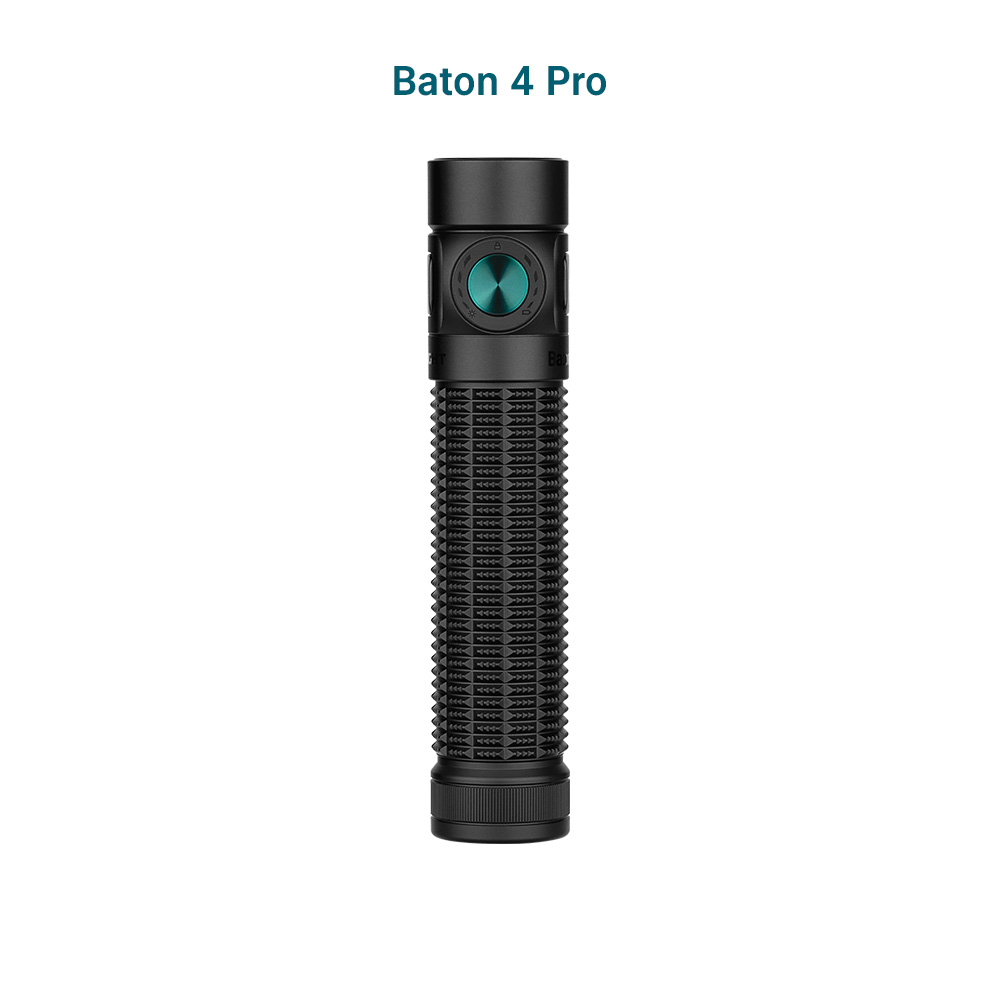
Three example lights to put on separate quote lines
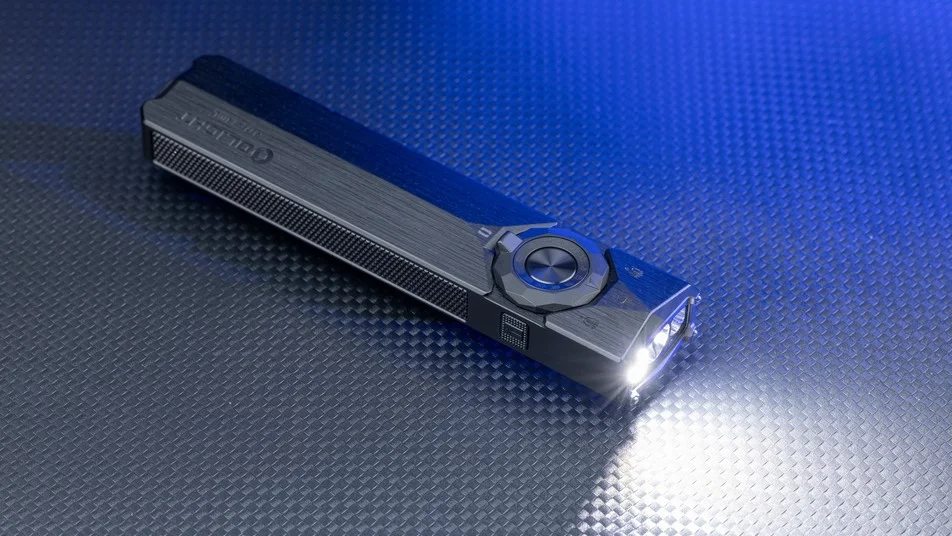
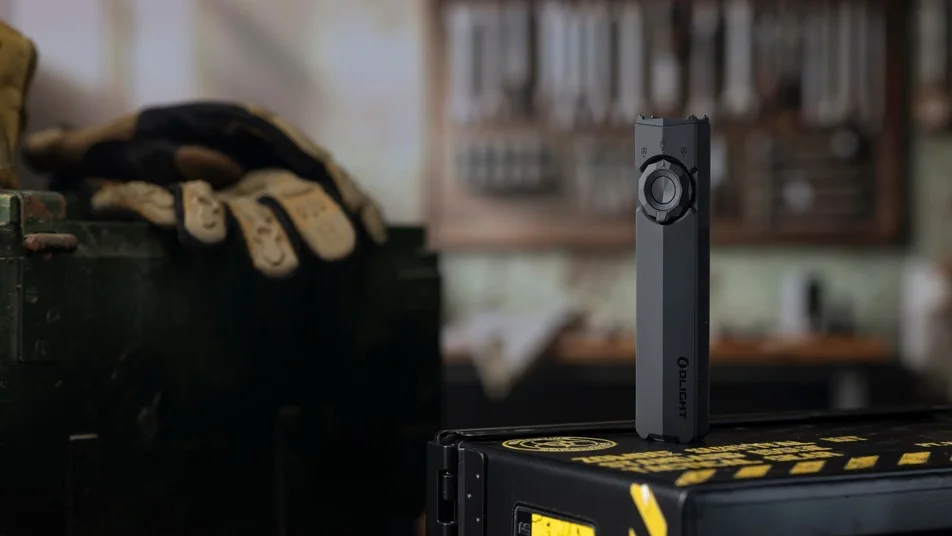
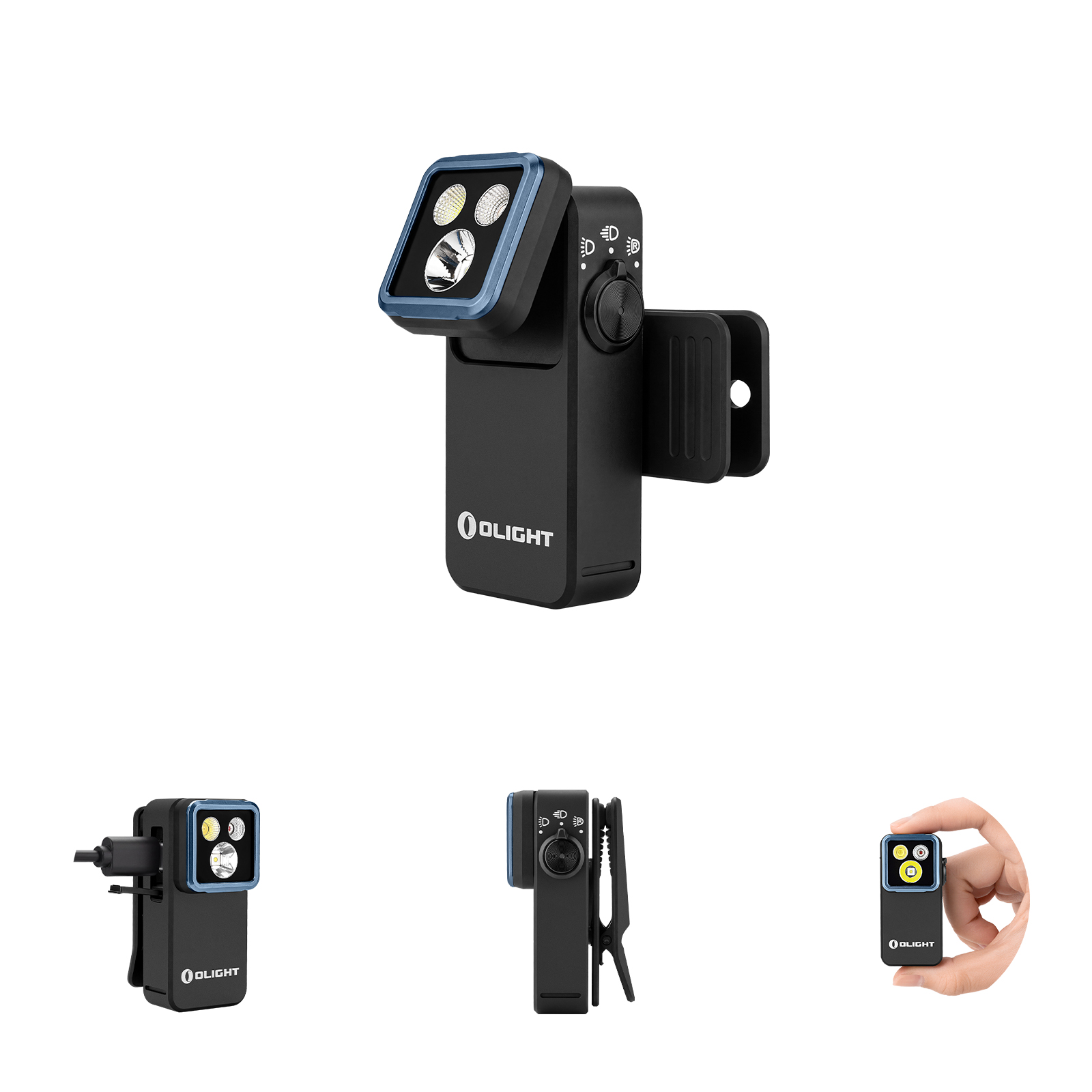
Use the exact model and finish on each line so that a supplier can price a distinct kit. Keep the tasks next to the models in the comparison. A local crew may reach the same objective with an approved model they already stock. These examples show how a change in the kind of light changes the accessories and charging questions in a quote.

Make the delivery and restock plan part of the decision
Ask what your receiving employees should expect. The order may be packed for one address from which your staff sorts equipment into smaller groups. If the supplier can support split delivery, have both sides agree on which cartons go to which site. A lower freight charge matters when it survives the extra labor, transport, and time it takes your own staff to distribute the cartons.
Agree on how the receiving person will spot a wrong item. Keep a copy of the part numbers, the expected quantities, and the package contents with the order. Check those details when the delivery arrives. A difference in finish may be cosmetic for one site and a serious inventory problem for another site that uses color to direct returns. Ask the seller to explain a substitution before your staff enters the new units into stock.
Keep a few notes from the first month of use if your organization adopts one of the quotes. Document which issue points ran short, whether compatible parts were easy to identify, and what simple adjustments improved handoffs. Use the notes to update the next request. The Olight guide to standardizing flashlights for a team develops that part of the work in more detail.
Keep a quote for a small follow-up order beside the opening order when you share the recommendation. With several delivery locations, also ask who is allowed to request a replacement and who can approve a freight charge on a small order. Central approval can make invoices easier to reconcile. Local ordering can make sense when a remote site has a named person and a narrow list of approved kit parts. Your written terms should support the way the team really buys.
The choice of how to restock may depend on whether the seller will keep using the same SKU. Ask how the supplier will notify the buyer about a change and which replacements require a new check. If a model changes when the fleet adds vehicles, compare the revised kit and its approved power setup to the old one. A short note in the inventory record helps staff distinguish the two arrangements.
A useful purchasing record says why the crew chose the number rather than just what it paid. It lists the number of staffed positions, the reserve count, where the lights are delivered, and what assumptions still need to be checked. If the number of roles changes, the next buyer can update the quantities while keeping the factors that mattered last time.
FAQ
Changelog
- November 19, 2026: Verified the U.S. bulk quote form fields, checked the three exact product configurations and their official full-size photos, and recalculated the examples for quantities and the price threshold.