TL;DR: Use the white light you already carry for knots, tools, and footing. Buy a UV fishing flashlight only if the line or lure you use calls for it. Choose a documented wavelength for that material, and check it at a dry table before deciding whether a separate lamp or a combined light is worth the cost.
📋 Table of Contents
- 1. Give each light one job
- 2. Fluorescent line and glow lures behave differently
- 3. What is the best UV flashlight for fishing lures?
- 4. What 365 nm and 395 nm tell you
- 5. Are fish attracted to UV light?
- 6. Do UV flashlights really work?
- 7. Decide what extra spending would change
- 8. Compare three listed white-and-UV options
- 9. Check one material at a dry table
- 10. Keep the UV decision separate from the trip lighting
- 11. FAQ
Give each light one job
Pick up the spool or lure package before opening a flashlight listing. Its instructions tell you whether you should expect a change while the light is on, an afterglow when the light is off, or simply a color that is easier to see under ordinary white light. Those are different jobs. One might already be covered by the light you have at home.
| Your job | Light to try first | What to check |
|---|---|---|
| Read line and knots | Familiar white light | See small details without glare |
| Check fluorescent material | Documented compatible light | Look for a response while lit |
| Check a glow lure | Light named by the maker | Look for afterglow after switching off |
A line that looks bright in the package can behave differently on a dark table. Let the label tell you what the finish is intended to do. If the spool calls it high-visibility and makes no fluorescence claim, white light is the straightforward starting point. If a lure is marked glow-in-the-dark, look for the maker's charging guidance before assuming ultraviolet light is needed.
Treat the three jobs as separate even if a single device can do more than one. Keep white available to read line size, find tackle, and move through an allowed area. Use ultraviolet only for a short stationary check of gear with a known reason to expect a response. Keeping the gear on a dry table gives you a predictable place to put the light down and switch back to white.
If the main problem is poor light while walking or packing, solve that first. A flashlight that helps you see your feet and read a package does useful work on every trip. Buying a specialty lamp makes more sense when you can name the material you intend to check and explain what the result would change.
Fluorescent line and glow lures behave differently
Fluorescence is visible while a suitable source excites a material. Phosphorescent items can continue emitting light after the source is taken away. The University of Colorado Boulder comparison of fluorescence and phosphorescence shows both behaviors in its own collection. Keep that basic distinction in mind when you look at a label or a photo of fishing tackle.
A fluorescent line can give a distinct color or stronger contrast under compatible illumination. The effect depends on its material and the light. When you turn that light off, a fluorescent response generally goes away. Ask yourself whether that momentary response actually helps with the task on your table. If you need to see the end of the line and tie a knot, clean white illumination may already make it easy to see.
A lure that is intended to glow after the source is removed asks a different question. Start with what the maker recommends for that lure. Some glow materials can be charged with visible light. An ultraviolet source is an option only when the material responds to it and the maker's instructions allow its use. A package that supplies only a finish name gives you less information than one that gives instructions.
You can separate the two responses without treating this as a measurement. Look at an intact lure or spool as it sits on a dry work surface. Follow the material maker's instructions and the light's safety limits. Look away from the emitter. After switching the source off, see whether any visible glow remains where the material is. Keep a normal white light available so you can put the item away safely afterward.
If gear has an unclear label, set aside the parts of the purchase you understand. A brightly colored spool may still be useful under white light even if you cannot verify a fluorescence claim. A lure that stays visible from its shape or color in a well-lit tray can still meet a basic handling need. A specialty feature should answer a known problem before it earns a place in the budget.
What is the best UV flashlight for fishing lures?
Choose a flashlight with a documented wavelength that the lure maker says suits that material. Try the recommended white source first when the instructions allow it. A UV light makes sense for a specific fluorescent or glow material that calls for it. Keep the comparison at a dry table and compare usability before paying for extra modes.
Start with one exact lure instead of trying to choose for every future tackle purchase. Some packages use words such as fluorescent, glow, and UV-reactive for different effects. The safest buying decision is to find the instructions for the exact finish. If the label distinguishes its visible color from its glow material, decide which characteristic you need to see.
Look for an explicit wavelength on any UV lamp you consider. A label that describes only a purple appearance gives you little information about the lamp's output outside the visible range. It also cannot show whether that light suits your lure. A stated wavelength still needs a match to the material. Use it to rule options in or out, rather than ranking every possible lamp.
For a glow lure, keep the elapsed time in mind when checking whether it meets your expectations. A look right after switching a source off is a different observation from a look later as you put the lure away. The useful question is whether the item shows the behavior the instructions describe in your ordinary preparation routine. Avoid turning somebody else's demonstration into a universal charging time or distance for your gear.
What 365 nm and 395 nm tell you
A wavelength number describes part of the light being emitted. Both 365 nm and 395 nm are in the long-wave ultraviolet range. The shorter wavelength is farther from the visible violet boundary. A lamp labeled near that boundary can appear violet because of its output spectrum and the amount of visible light it also emits. Visible violet is a poor way to judge how much ultraviolet actually reaches a particular lure.
Look for a claimed center wavelength, then see whether the maker says more about visible spill, the optics, or the intended target. Two devices can share a wavelength label and still look different in the room. Their beams may spread differently, their output can vary, and their filters can change what you see. The lamp that looks brightest to your eye can simply be producing more visible light.
A university comparison illustrates why a wavelength label matters. The University of Colorado Boulder's fluorescent minerals demonstration uses different sources on the same collection and shows that different specimens can respond differently. It demonstrates a material-specific principle. A fishing finish needs its own instructions, and a mineral example provides no performance rating for a lure or line.
If you are comparing two product listings, write down what each manufacturer publishes and leave the rest empty. A wavelength claim should not fill in missing data about brightness, optical safety, visible spill, or whether the controls will suit a person wearing work gloves. For a straightforward overview of the wavelength terms, Olight's guide to UV flashlights and common wavelengths explains the selection vocabulary.
Some product pages report ultraviolet output in milliwatts and white light in lumens. Those figures describe different things and cannot be compared as if they were the same measure. For a close tackle inspection, a documented source that makes the material distinguishable on your table is more useful than comparing the largest numbers in two separate columns. Keep the source conditions with the figures where the manufacturer provides them.
Are fish attracted to UV light?
Fish can respond to ultraviolet cues in particular species and conditions. That provides no general reason to expect fish to approach a handheld UV beam. A fluorescent line or lure can help a person recognize that material under a suitable light. Keep this use on the tackle, and check site rules before using any artificial light after dark.
The original vision study held by the University of Maryland found evidence of ultraviolet visual capability in one Lake Malawi cichlid. It examined photoreceptors and visual pigments. It did not establish that a portable blacklight attracts fish or improves a person's catch. This distinction matters when a product listing or bait package describes a visible finish in much broader terms.
Human visibility also depends on what is between your eyes and the material. A finish viewed at a table under a stationary source presents one set of conditions. Water, ambient light, distance, and viewing direction change the situation. You can use a close observation to choose which identically shaped items to keep in separate compartments. Leave claims about fish response to evidence for the actual species and conditions.
Use the UV lamp for gear preparation, then put it away before moving around near water. The decision to go fishing after dark also belongs with the access and activity rules for the site. The U.S. Fish and Wildlife Service's recreational fishing guidance explains that refuge managers may make particular exceptions for night fishing where a refuge normally closes after sunset. Verify the location's actual hours and applicable state, tribal, or site rules before you go.
Do UV flashlights really work?
A UV flashlight can help a fluorescent material produce visible light when that material responds to its output. A glow lure may keep emitting after charging under a source specified by its maker. Results depend on the material, wavelength, spill, and viewing conditions. Keep an ordinary white light for reading labels, checking equipment, and moving around.
A negative result does not tell you that the lamp is defective, and a positive result does not identify exactly what is in the material. First check that you selected the intended output and that the finish is meant to respond. Strong visible ambient light can make a weak visible response hard to recognize. Take those conditions into account without darkening a place that needs safe working light.
For a useful gear note, record whether the change appears only during illumination or whether a glow remains after shutdown. Keep the name of the actual item and the light you used beside it. That is enough to remember why you arranged the organizer a certain way. It also helps if you buy a different finish or loan the gear to someone unfamiliar with it.
A photograph is convenient for remembering where items went in a tray. Color processing, brightness adjustment, and exposure can change the appearance of a faint glow in the image. Judge the working task with your own eyes under safe conditions and treat the photo as a separate record. A beautiful purple photo cannot substitute for knowing whether you can read the line or see which lure is in your hand.
Decide what extra spending would change
Start with what you already own and what your gear maker asks for. If white light gives enough contrast to handle the line and is listed as an acceptable charging source for the lure, keep both jobs with the current light. If the material needs UV and the effect is useful to you, compare a dedicated lamp with published specifications and a white-and-UV model with controls you can identify readily.
Give a firm spending limit its own checkpoint. For a $20 budget, keep using your white light for ordinary tasks and wait to buy UV until you find a well-documented option at the price you can pay. The three verified Olight examples below are above that item limit. A lower advertised price without a wavelength, instructions, or exact configuration gives you too little information to judge the material match.
Think about which part of the comparison deserves the money. An outdoor flashlight that serves the trip out and back has a different job from a light that stays at a prep table. The Olight guide to what extra money buys in a rechargeable spotlight helps frame one separate buying choice. Beam reach has a use when you need white light over distance. Your tackle check takes place close to a work surface.
Ask whether you would still carry separate white light even if you bought a combined model. For a parked work surface, one device might be enough to read a small label and examine a material at different moments. If that light is put away, discharged, or accidentally left at home, a second white source keeps the basic preparation or return route from depending on one device. Plan that white role first.
Compare the full kit instead of stopping at the label price. If a model requires a specific cable, check whether it is furnished and where it will live. A lamp that can use a cable you already keep near the bench may be simpler to keep charged. Check both the exact manual and the checkout total. Published item prices leave out delivery, tax, and any additional equipment you need.
If several people share the same tackle, agree on where the light and its charging hardware live. A bench lamp can stay beside the labeled bins. A combined light can travel with the owner who uses its white mode each week. Before paying for a second lamp, ask whether the same person will bring the gear and remember the cable. A cheaper light saves little time when it is usually stored somewhere else.
Compare three listed white-and-UV options
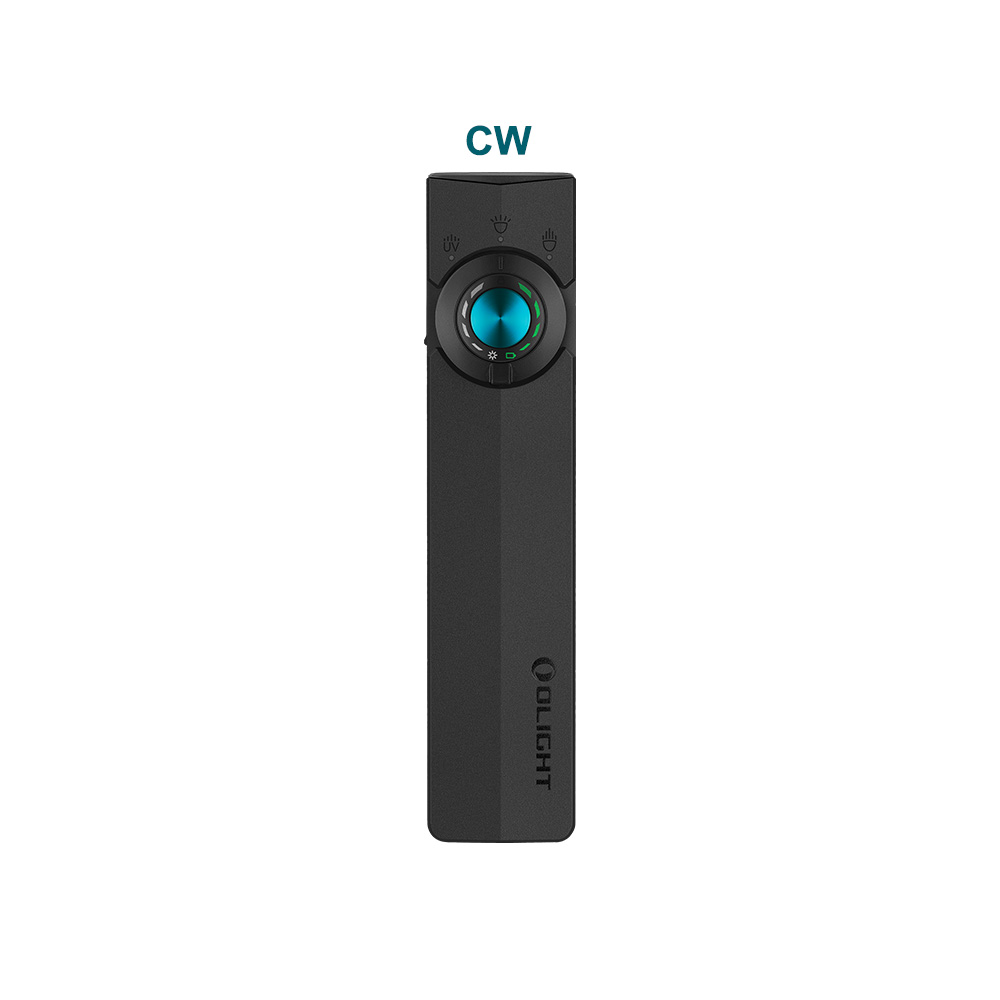
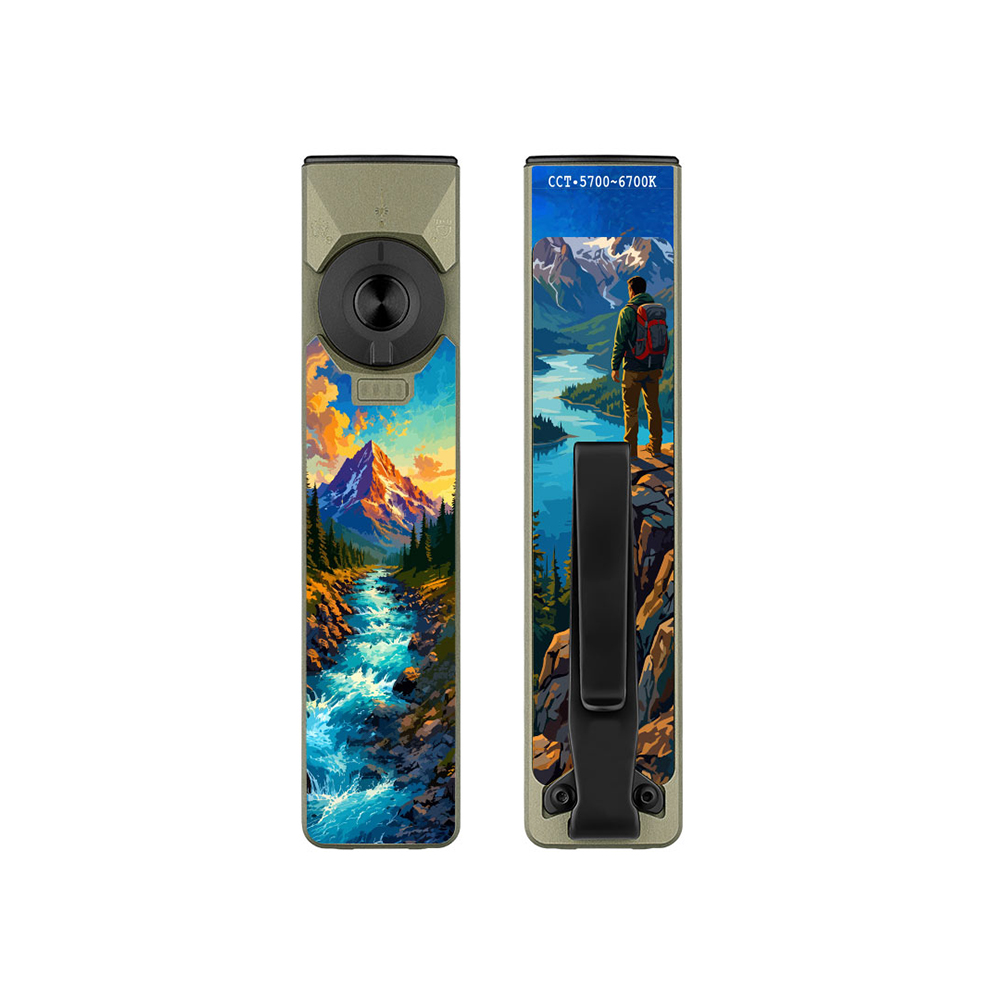
These are reference prices for the selected U.S. configurations on November 19, 2026, before tax and delivery. All three product pages describe white and UV light. Each has a different fit for the ordinary equipment you keep close at hand. The prices do not indicate how long a particular lure will glow. The price shown at checkout can differ from the listed reference price. Use only the output the task requires.
| Specific example | U.S. list price (Nov. 19, 2026) | What to compare |
|---|---|---|
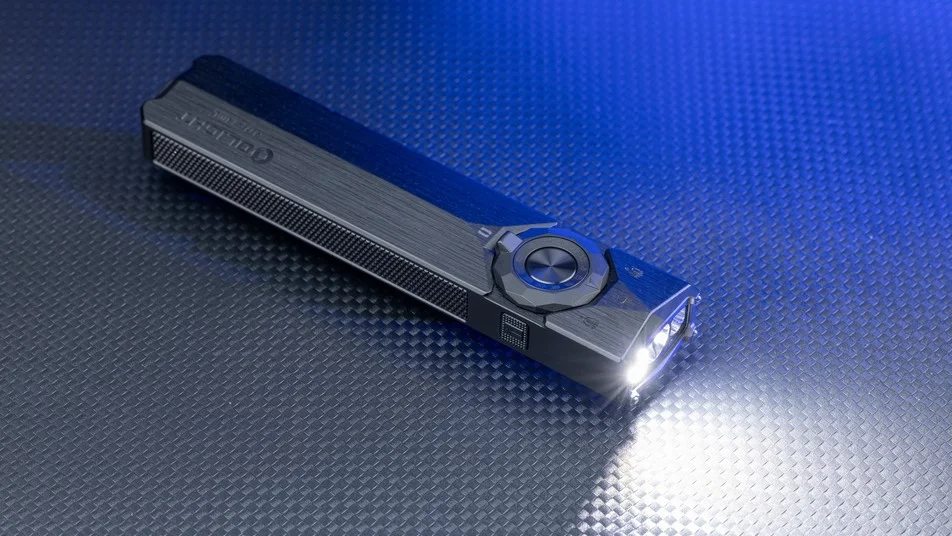
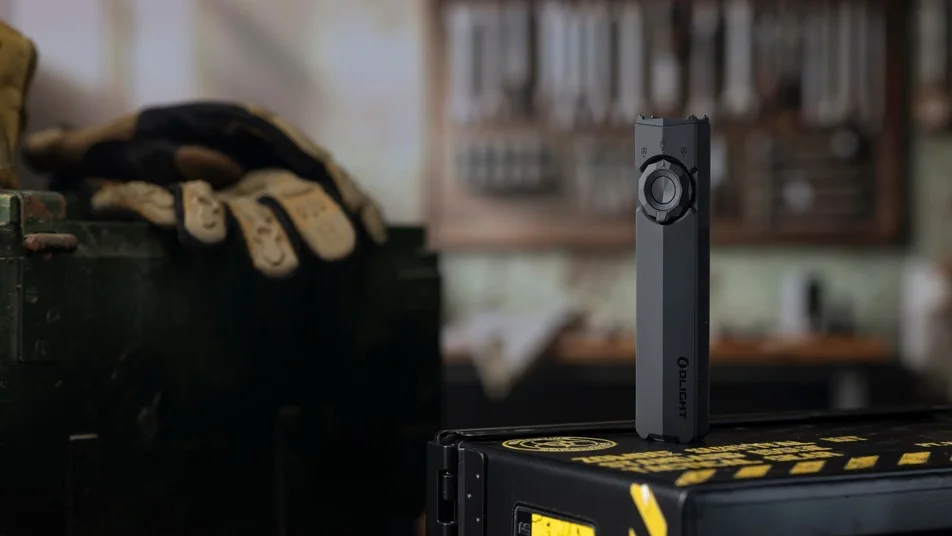
| Arkfeld Pro Black Cool White | $89.99 | Documented UV, familiar white work light, matching cable |
| ArkPro Matte Black Cool White | $99.99 | Two white beam patterns, documented UV, supported charging options |
| Arkfeld Ultra Wild Contours Olive Green | $119.99 | Exact finish and carry fit, listed white and UV modes |
If a combined light costs more than the UV lamp you are considering, ask which ordinary work makes that difference worthwhile for you. A headlamp or white handheld you already know may remain the equipment you reach for while moving or using both hands. The combined models make sense only if their daily white-light job is useful to you alongside material checks.

Check one material at a dry table
Choose an ordinary place to set out the tackle before dark. A dry household worktable is a good place to sort packages, straight lines and lures. Keep the usual room or work light on while reading small print. Put the light's manual and the material instructions where you can see the recommended conditions before using an ultraviolet output.
Keep the source stable and aimed at the target material. Keep the beam away from people, pets, shiny hardware that can reflect it back, and the water. Follow the light maker's eye and skin precautions. The Colorado demonstration's safety guidance warns against staring directly into long-wave UV and calls for care with exposure. If a task would require pointing the source across an open space or exposing someone nearby, change the setup or skip it.
View any change in the material, then switch the source off before touching or rearranging the tackle. Keep the light in its proper place so someone else opening the organizer will find it off. Use white again to identify small markings, check line condition, or put sharp items away. A fluorescence observation gives you one more clue about a material. If you need to see a nick in the line, use the white light before making that decision.
Avoid comparing the brightness of different pieces unless you can name the conditions. A light finish against a dark tray may be easier to see than a similar finish against a patterned background. A faint afterglow can be easier to spot in a darker room. Those are reasons to record the material, source, and context if you are making a personal purchase decision. They are no reason to leave a shared or wet area poorly lit.
If the material gives you neither the expected response nor useful working contrast, reread its instructions. Check whether it is a high-visibility finish meant for white light, a fluorescent item, or an afterglow material. An unclear result may be a reason to contact the maker or choose different gear. Buying a more powerful source just to investigate an uncertain label can add cost without addressing the actual problem.
Keep the UV decision separate from the trip lighting
Once you have checked the material, the next decision is where each light belongs when you leave. Give ordinary white lighting a predictable location you can reach without opening the whole organizer. Keep the UV source off and stored according to its manual. If you share a bag, explain which light is for everyday handling and which stays for a particular prep task.
When the location has fixed lighting, check the approach during permitted hours and think about where you will need to see small changes underfoot. The location's lights may illuminate part of a pier or path and stop at a bend or entryway. Plan only with routes and activities the site actually allows. Use ordinary white light and any equipment the applicable authorities require, and use a different place if you cannot make the preparation safely.
After the trip, note what you actually needed. A partner who could read the line by an existing white lamp may have no request for UV. If you use a particular reactive spool every week and recognize it faster during setup, there is a clear use for a suitable lamp. If the only useful job was checking one novelty finish at home, you have learned how little extra equipment the trip demands.
FAQ
Changelog
- November 19, 2026: Verified the U.S. product selections and reference prices, checked the three official originals, and reviewed the primary sources for lure-material behavior, fish vision, and refuge access.