TL;DR: Compare flashlights with lifetime warranty coverage by checking the eligible purchase, the affected component, the cause of the problem, and the promised remedy. Olight's U.S. terms distinguish normal-use defects from wear and battery aging. Read the separate cable and accessory terms, then leave room for possible return shipping and time without the light.
📋 Table of Contents
- 1. Start with the purchase decision, not the warranty label
- 2. Read the duration and the remedy separately
- 3. What are some types of flashlights that last forever?
- 4. Confirm the eligible purchase before assigning value to coverage
- 5. Separate a quality problem from ordinary battery aging
- 6. Check the charging arrangement as its own purchase
- 7. Use two handheld examples to make the questions concrete
- 8. Does a lifetime warranty cover normal battery aging?
- 9. Keep service fees, shipping, and time apart
- 10. Does lifetime coverage mean a free new flashlight?
- 11. Practice the decision with ordinary ownership situations
- 12. Work through one gift purchase before ordering
- 13. Keep a short buying note that still makes sense later
- 14. Frequently Asked Questions
Start with the purchase decision, not the warranty label
A lifetime promise becomes useful when it answers a question about the light you plan to own. Will you keep the same flashlight at home for years? Will a pocket clip take most of the daily wear? Do you already have an old charging cable you expect to use? Write down that detail before comparing the warranty heading. It tells you which part of the written terms deserves your attention.
| Your situation | What to check in the written terms | A useful purchase decision |
|---|---|---|
| The purchase year is unclear | Eligible purchase period and the information support needs | Confirm the exact purchase before treating lifetime coverage as a reason to buy |
| You plan to reuse an old magnetic cable | Cable identity, compatibility, and its separate coverage period | Check the cable independently and allow for a suitable replacement if needed |
| A clip or holster will receive heavy everyday use | Accessory exclusions and the difference between wear and a defect | Choose a carrying arrangement you can maintain without assuming a free accessory replacement |
| You need the light every day | Service instructions, possible shipping costs, and the replacement terms | Keep another working light available while a service question is resolved |
| A particular finish is essential | The promised condition of a replacement | Decide whether a serviceable replacement would meet the same need |
| The light will be a gift or change owners | Transferability and product identification | Keep the model and available purchase information with the gift |
These are buying decisions, not predictions about whether a future claim will succeed. Two people can read the same terms and make different sensible choices. Someone with another light at home may be comfortable sending one away for inspection. Someone who depends on a single light every evening has an additional equipment question. The warranty does not provide the spare that person needs during the interruption.
Olight's flashlight warranty explanation covers the general coverage categories and service process. This guide concentrates on the decision before purchase. Use the broader explanation when you need the steps for an existing problem. For a new purchase, work out which promise matters to your own configuration, including any cable or carrying accessory you intend to keep using.
Read the duration and the remedy separately
Duration tells you how long a promise applies. The remedy tells you what the company will do with a problem that falls within its terms. A long duration can be valuable while still leaving questions about the affected part, the condition of the light, the information needed for review, and transportation. Keep those questions separate when you compare a warranty heading with a product description.
The 2026 annual edition of the FTC's warranty advertising guides says lifetime advertising should identify the life to which the duration refers. That is a useful reading question. It does not establish that every product advertised with that word has the same coverage. Read the actual manufacturer's description before deciding what the phrase adds to a purchase.
Olight's U.S. page lists transferability and no expiration date among its lifetime benefits. The same page also describes eligibility, covered problems, exclusions, and service. Read those provisions together. A promise can continue without a stated expiration date while a particular problem still falls outside the coverage. The age of a light is only one fact about it, and it does not explain why an individual component stopped working.
A buyer can use this distinction without forecasting a breakdown. Suppose two lights both meet the task you have in mind. One uses a charging arrangement you already manage comfortably, while another would require an extra cable. The warranty can be part of the comparison, but it cannot settle that daily ownership choice. Check which configuration you can keep ready and which separate items you would be prepared to replace yourself.
What are some types of flashlights that last forever?
No flashlight type comes with a promise that every component will keep working forever. Batteries age, carrying parts wear, and equipment can be lost or damaged. A lifetime warranty describes service under written conditions. Choose a light you can use and maintain as directed, then read which problems and components the warranty actually addresses.
Start with the job the flashlight must do. A compact rechargeable flashlight may fit someone who already has a consistent charging place. Another buyer may value a different carrying shape or control layout. These everyday details affect whether the light remains useful in the routine. They are worth considering even when both options have long service coverage.
Avoid treating a tougher-looking body as evidence about a future claim. Appearance does not tell you how a particular failure will be classified. A scratch, a loose accessory, and an unexplained loss of function are different observations. Describe the actual condition if a service question arises. The company needs those facts to review the problem under its terms, rather than a conclusion based on how durable the product looks.
The practical goal is a light that stays useful with normal care and a clear route for getting help. Read the exact manual before relying on a storage habit, charging source, or attachment method. Keep a damaged device out of use as its instructions direct. A long warranty gives you a service promise to examine. It does not turn ignored warnings or a worn component into a sensible ownership plan.
Confirm the eligible purchase before assigning value to coverage
The U.S. Olight warranty and return policy, checked for this guide on November 19, 2026, includes the eligibility wording “after 2023.” The page does not give an exact starting day in that sentence. Keep the wording attached to the purchase question. For a purchase near that boundary, ask Olight to confirm the actual product and date instead of substituting a date from an older document.
This matters when you are buying from existing stock or receiving a light from someone else. A model name alone does not supply its purchase history. Keep whatever information is available about the sale, retailer, and product identity. If the date is uncertain, say so when you ask. A precise question gives the service team a better starting point than assuming every item bearing the same model name has an identical history.
For a new gift, put the model information and available order record somewhere the recipient can find them. The current policy describes transferable coverage, but the recipient still benefits from knowing what they have. A small note identifying the exact light and where the instructions are stored can help years later. Keep the note factual. There is no need to promise a particular claim outcome on the company's behalf.
The policy also advertises that paperwork is not required, while its request instructions ask for product and contact details, a description of the issue, supporting images, and proof of purchase if available. Those statements can be read together. An available receipt is helpful information without becoming a requirement you invent for every case. Equally, the absence of a paperwork requirement does not remove the need to identify and describe the product.
Separate a quality problem from ordinary battery aging
Battery questions deserve more care than a general statement that batteries are covered or excluded. Olight's current U.S. terms include certain built-in battery and charging problems under normal operating conditions. They separately exclude battery failures associated with ordinary use, aging, or natural capacity decline. The cause and circumstances matter. Neither the word battery nor the age of the light can decide the question on its own.
For a buying decision, ask what you would do if usable runtime gradually became shorter over time. Do not count a free replacement as part of that plan. The ordinary aging exclusion is relevant to that expectation. Consider your charging routine, the instructions for storage, and how you would keep another light available if you later needed service advice. None of those steps requires predicting how quickly your own battery will age.
An unexplained charging problem calls for a different question. The available facts may concern the light, a connection, an accessory, or the power source. Follow the exact manual's permitted checks and describe what you observed. Keep damaged equipment out of use as directed. Do not open a light, modify a cable, or attempt a repair to create evidence for a claim. Let support identify the next appropriate step.
Also check what kind of battery description applies to the exact model. A policy reference to a built-in rechargeable battery does not classify every customized cell as built-in. If the product documentation and the policy leave you uncertain, ask about the model by name. This is especially useful before buying spare power components. A compatibility decision and a warranty decision are related questions, but one does not answer the other.
Check the charging arrangement as its own purchase
A charger or cable can have a different service term from the flashlight it serves. Olight's current table gives MCC charging cables a one-year warranty. That is a separate statement from the lifetime coverage described for eligible lighting products and built-in rechargeable batteries. Check the exact accessory and its purchase information when an older cable is part of the setup you intend to use.
Imagine keeping a cable from a previous light while buying a new handheld model. Before placing the order, confirm compatibility from the actual product instructions. Then ask whether you are comfortable relying on the older accessory. A fresh flashlight purchase does not, by itself, supply a new purchase date for a cable already in your drawer. Set aside a compatible alternative if your routine depends on that connection.
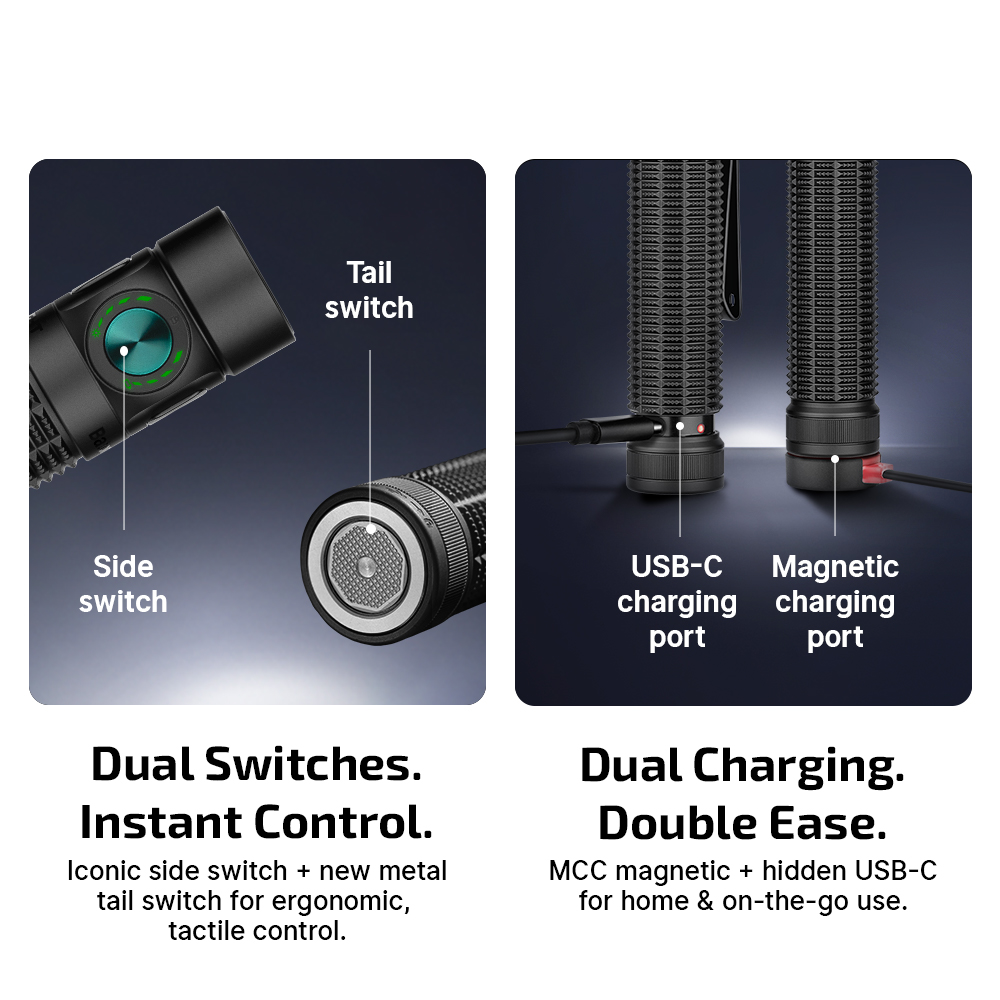
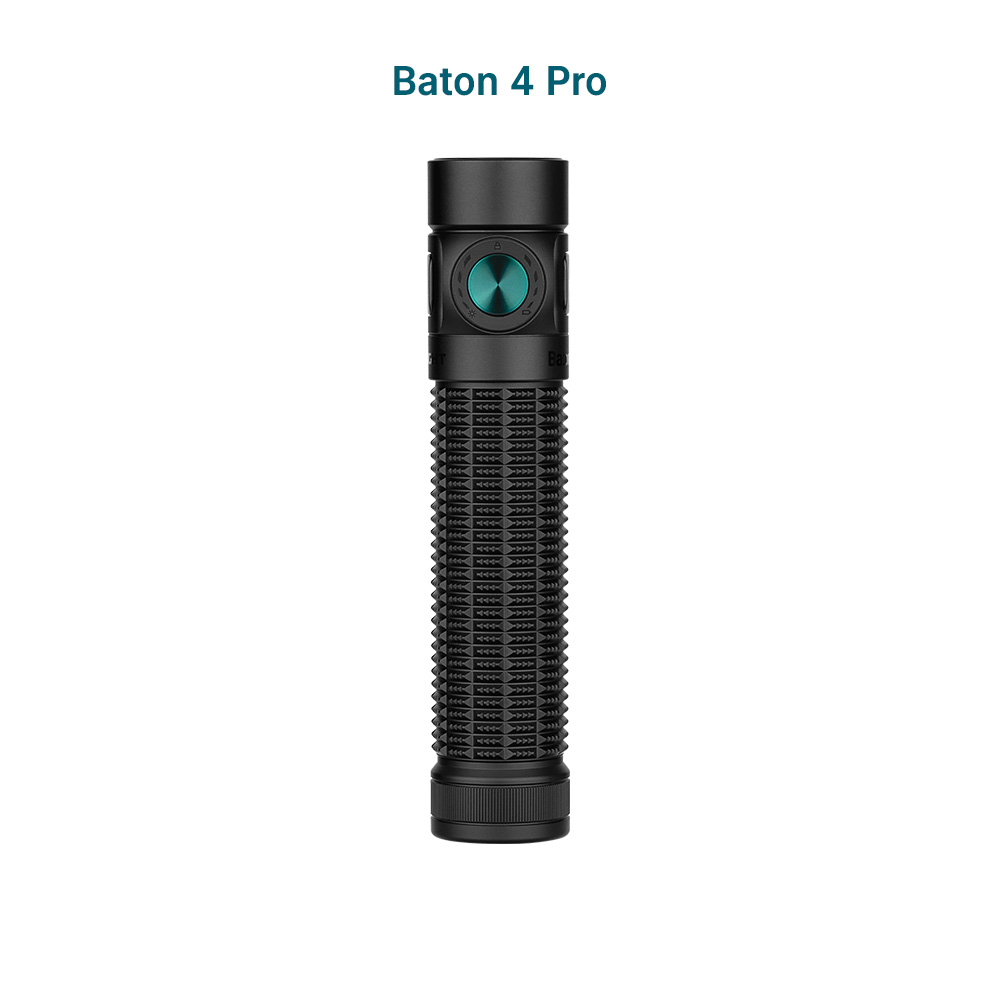
The official Baton 4 Pro charging detail identifies the two charging connections. It is product information, not a warranty test.
The pictured Baton 4 Pro detail makes the component question easier to ask. The charging port on a light and the separate cable used with it are not the same physical item. Describe which part is involved when seeking advice. Keep the model's charging instructions with the purchase record so you can check the arrangement without borrowing assumptions from another flashlight in the household.
A useful kit can be simple. Give the approved charging equipment one dry storage place and keep it identifiable. If several household devices use different connections, separate them clearly enough that another person can find the right one. Before buying an additional accessory, check what is supplied and what you actually need. Extra pieces add purchase and maintenance decisions even when the flashlight itself fits your budget.
Use two handheld examples to make the questions concrete
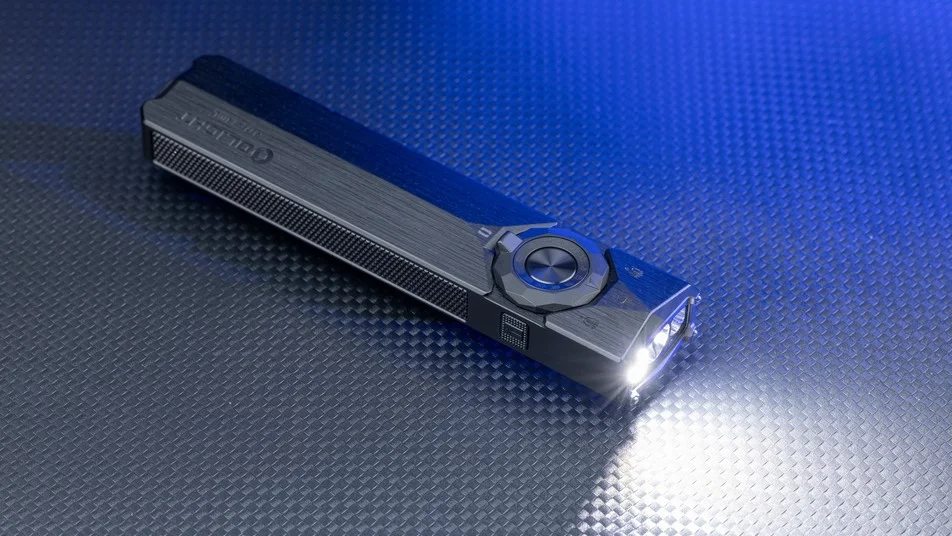
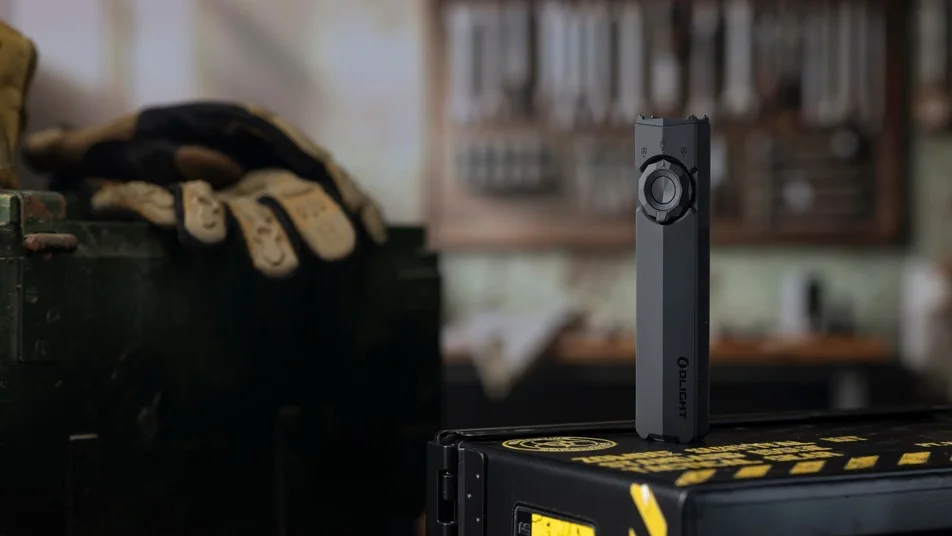
The examples below are ordinary handheld options listed on the U.S. Olight store when the sources for this guide were checked. They illustrate how to identify a model and consider its configuration. The warranty questions still depend on the eligible purchase, the component, and the issue. Neither example predicts a future service decision or ranks the light by how long it will last.
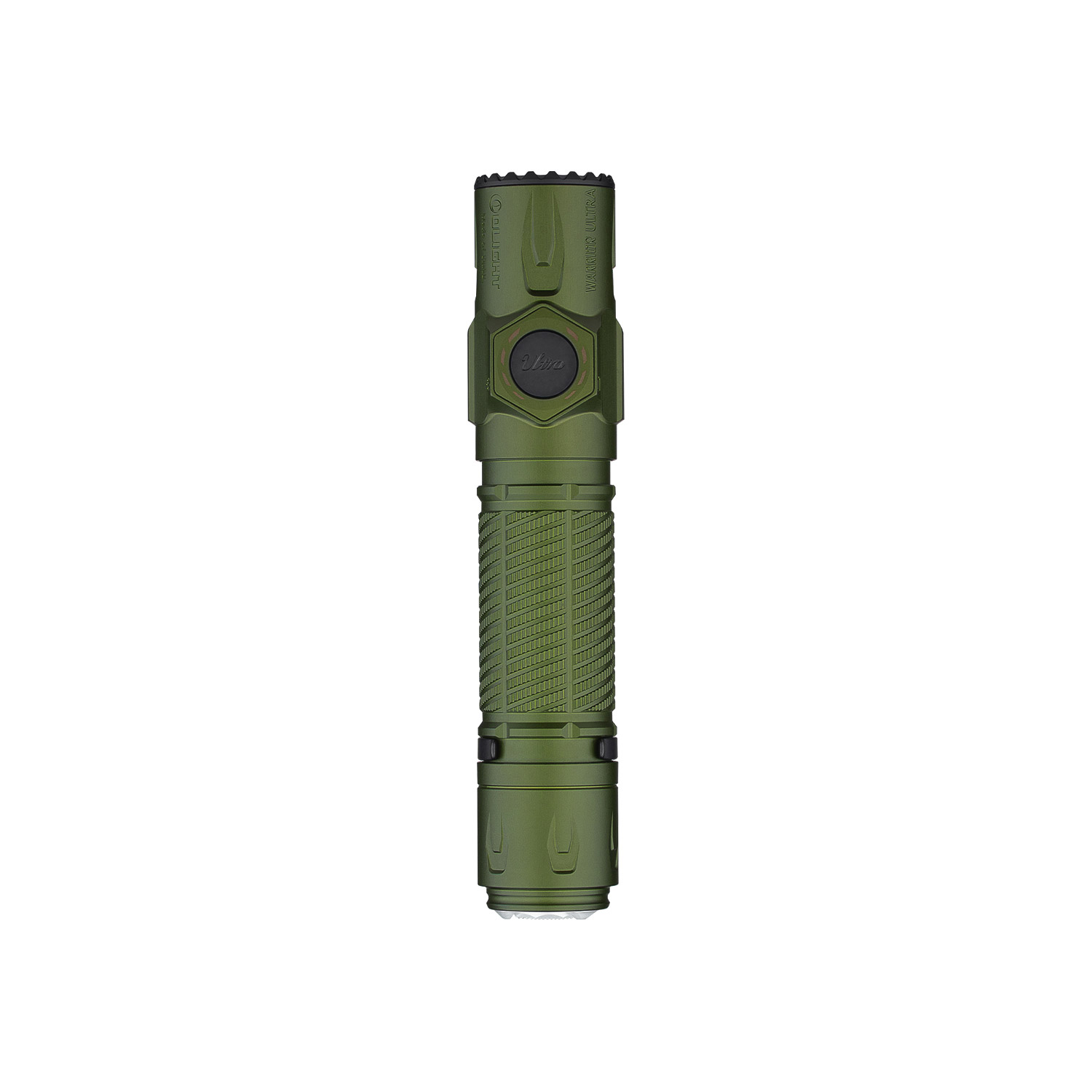
If a light feels awkward to keep in its intended place, lifetime coverage will not change that fit. Consider where you will store it, how you will find it when needed, and whether its charging equipment fits the available space. A good product comparison starts with those practical questions. The service terms add another layer once you know which configuration actually suits the job.
Does a lifetime warranty cover normal battery aging?
Olight's current U.S. policy excludes failures resulting from ordinary battery use, aging, or natural capacity decline. It also describes coverage for certain built-in battery and charging quality issues under normal conditions. Keep those statements together. For an individual symptom, give support the exact model and circumstances instead of assuming that all battery problems receive the same treatment.
For ownership planning, leave room for the difference between maintaining a working setup and pursuing a quality concern. If you are buying the light for a household task, think about what remains available when it is charging or being assessed. If the recipient owns another flashlight, agree where each one will stay. Another working light can cover an ordinary interruption without requiring a prediction about warranty service.
Keep any observation useful and modest. Note when you first noticed the change and how the product was normally charged or stored. Report damage or unusual conditions accurately. Those details are more helpful than trying to label a problem a manufacturing defect yourself. The written policy provides the categories, while the actual product and circumstances are needed to review an individual case.
Keep service fees, shipping, and time apart
The policy's lifetime benefits include “No Service Fees.” Its shipping section adds separate conditions. For purchases within thirty days, a prepaid return label may depend on the region. After that period, return shipping may be the customer's responsibility. Olight states that it covers shipping for a repaired or replacement product. Read the directions for your actual request before sending anything.
This distinction can change what a warranty means in a small purchase budget. If a claim requires sending a product away, ask what transportation you would need to arrange and which costs apply. There is no need to invent a typical shipping price. The item, location, instructions, and applicable arrangements determine the practical question. Keep that possible expense separate from the original price of the flashlight.
Time without the product is another consideration. A warranty can describe a remedy without promising that you will have the light available tomorrow. Do not borrow the page's separate return and refund timing as a warranty repair schedule. If the light fills a daily need, decide how you would handle the task while a service question is reviewed. A backup is an ownership choice, not a reason to expect an immediate claim decision.
Does lifetime coverage mean a free new flashlight?
The current U.S. Olight policy describes inspection and repair whenever possible. When repair is not possible, it describes replacement with a product in equal or better working and physical condition. That is different from a promise of a brand-new unit, an identical finish, or a cash refund. Read the remedy before treating replacement as the reason to buy.
Consider a buyer who wants a specific color to distinguish two household lights. That color may be important in everyday use. Before purchasing primarily for the lifetime promise, the buyer should decide whether a serviceable replacement would still meet that need. If retaining an exact configuration is essential, ask support about the situation before relying on an outcome the page does not expressly promise.
The same care applies when a product has sentimental value. A gift can be valuable to its recipient even when an equivalent working light would solve the practical task. Do not assume that a service arrangement guarantees preservation of every original part. Describe any concern before sending the product and follow the instructions received. A buying guide can help identify that question without promising what support will decide.
Practice the decision with ordinary ownership situations
The following examples are hypothetical reading exercises. They are not claims, repair outcomes, or statements that a particular condition will be accepted. Their purpose is to show what information belongs in the purchase decision and what should remain a question for the actual service team.
| Before you buy | What the terms help you notice | What you can decide now |
|---|---|---|
| You expect the pocket clip to receive frequent wear | Carry accessories have different terms from eligible lighting products | Choose a carrying setup you are willing to maintain |
| You will depend on an older magnetic cable | MCC cables have a separate one-year term | Confirm compatibility and consider a suitable spare |
| You would only accept an identical new finish | The replacement description concerns working and physical condition | Ask about that requirement before relying on replacement |
| You are giving the light to someone else | Transferability and product identification both matter | Include the model information and available order record |
In the first situation, picture someone clipping the light into the same bag every workday. The relevant question is whether the attachment arrangement fits the fabric and the routine. Follow the manual and choose a secure, appropriate location. If the clip later wears or becomes damaged, report its actual condition. The purchase decision should not depend on assuming every carrying part will receive lifetime replacement.
In the older-cable situation, imagine moving a new light into a drawer that already contains several chargers. Identify the accessory before deciding the setup is complete. A familiar cable might be the right item, but that needs confirmation from the model information. Keep the appropriate cable easy to find and check its condition as the instructions direct. That is useful preparation even if you never need warranty service.
For the gift situation, give the recipient room to make the final setup choice. They may prefer a different carrying position or charging location from the one you imagined. Share the exact model and instructions, then let them decide how it fits. The current transferability statement is useful information. It does not replace the recipient's need to identify the product if a later question arises.
Work through one gift purchase before ordering
Consider a hypothetical buyer choosing a handheld light for a parent who uses one to reach a garage in the evening. The parent already has a working light and an older magnetic cable, but the buyer cannot identify that accessory from memory. The sensible first question is about the setup, not future repair. Ask which light is currently used, where it stays, and which charging equipment belongs with it. Keep the existing working arrangement in place while checking the new option.
Next, distinguish the new purchase from the old accessory. Record the exact selection from the new listing and read its supplied-equipment information. Confirm any proposed cable match using the model documentation. If the connection remains uncertain, the buyer can choose the documented supplied arrangement instead of building the gift around an unidentified part. No warranty conclusion is needed to make that practical choice. The buyer can also decide whether another accessory belongs in the order after learning what the parent actually wants.
Now consider the service expectation. The gift is intended to provide useful evening light, not to preserve a collection in one exact color. A replacement meeting the policy's stated working and physical condition may therefore suit the task. If the parent cares strongly about matching another item, that is a separate question to resolve before buying. Write the question down and ask about the requirement plainly. Avoid turning a personal preference into an additional manufacturer promise simply because the warranty duration sounds reassuring.
Finally, prepare the handoff. Identify the model, leave the instructions with it, and explain the charging arrangement you confirmed. Keep the order information available without describing it as mandatory registration. Ask the parent to decide where the light will stay and whether the older working light should remain available as a spare. The result is a concrete ownership plan: an identifiable product, suitable equipment, a known storage location, and realistic service expectations. That plan remains useful whether or not a warranty question ever arises.
Keep a short buying note that still makes sense later
A useful note can fit beside the order record. Include the exact model and selection, the purchase information available to you, and the address of the current policy. Add the accessory you intend to reuse, if there is one. Mark any open question that influenced the purchase. This is a buying note for your own reference, not an extra warranty registration requirement.
Save the policy version you read with its observation date if keeping that record is useful to you. Olight's page checked for this guide carries a June 3, 2026 update label. Policies and individual product documentation can change. A saved copy helps explain what you read, while an actual claim still needs the appropriate current instructions and the facts of the product. Keep both the source and the uncertainty visible.
Before paying, return to the original task. Does the chosen light fit the way it will be carried and charged? Have you separated the main product from accessories? Are you comfortable with the stated service remedy and possible transportation arrangements? If one answer remains unclear, resolve that specific question. You can compare warranty value more sensibly with a concrete ownership plan than with an assumed lifetime of trouble-free operation.
Frequently Asked Questions
Changelog
- November 19, 2026: Read the current U.S. warranty page, the dated FTC advertising guidance, the published parent guide, and the two exact U.S. product selections and official original images.