TL;DR
Modern high-performance LED illumination tools rely on versatile flashlight settings to balance extreme brightness with thermal management and runtime. This comprehensive guide breaks down primary outputs—from high-intensity Turbo to battery-saving Moonlight modes—and tactical flash patterns like Strobe and SOS. Learn how to optimize your gear's interface, maximize battery longevity, and select the ideal mode configuration for outdoor, emergency, or tactical applications.
Portable lighting tools have evolved far beyond the simple on-and-off incandescent torches of the past. Today, a modern high-performance LED flashlight is a highly sophisticated instrument equipped with advanced driver circuits, microcontrollers, and multiple output settings. These versatile flashlight settings allow outdoor enthusiasts, search and rescue teams, and tactical professionals to adapt their lighting to any environment instantly.
Understanding how to navigate these diverse modes and knowing when to use them is key to maximizing battery life, ensuring personal safety, and getting the best utility out of your gear.
1. The Purpose of Multiple Modes
2. Common Brightness Modes Explained
3. Special Modes and Their Uses
4. How Many Modes Do You Really Need?
5. Conclusion: More Modes = More Versatility
6. FAQ: Flashlight Multiple Brightness Modes
The Purpose of Multiple Modes
At its core, a multi-mode flashlight exists to solve a fundamental engineering challenge: balancing light output against thermal management and battery capacity. High-intensity LEDs can produce thousands of lumens, but running them at peak capacity continuously generates extreme heat and drains batteries within minutes. By offering multiple distinct output levels, manufacturers allow users to dictate exactly how much energy they need for a given task.
Matching Brightness to Task
Different activities require vastly different volumes of light. Using a 2,000-lumen beam to read a map inside a tent is counterproductive; the intense glare off the white paper will temporarily blind you, and the battery will drain unnecessarily fast. Conversely, attempting a search-and-rescue operation with a 15-lumen beam is ineffective and dangerous.
Multi-mode flashlight benefits center on adaptability. By choosing a low output for close-up tasks and reserving high power for long-distance observation, you ensure optimal visibility while conserving critical power reserves. Additionally, advanced circuit drivers—such as constant current buck-boost systems—ensure that your selected mode remains flat and consistent, preventing the output from dropping as battery voltage declines.
Common Brightness Modes Explained
Most high-quality lighting tools feature four to five primary brightness settings. Each level serves a specific operational purpose.
Turbo or High: Maximum Output
Turbo mode represents the absolute limit of the flashlight's LED and thermal capabilities. It is designed for short, intense bursts of illumination.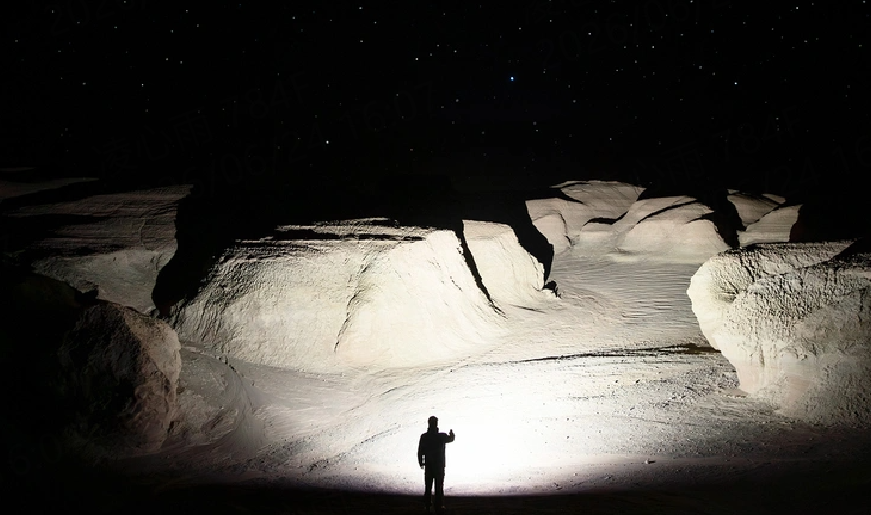
Output Range: Typically 1,000 to over 10,000 lumens, depending on the model.
Primary Uses: Threat identification, search and rescue, long-distance scouting, and self-defense.
Limitations: High heat generation. Most modern flashlights feature a built-in thermal regulation system or step-down timer that automatically drops the brightness to a safer level after a few minutes to protect the internal emitter and driver boards.
Medium: Balanced Brightness and Runtime
Medium is the true workhorse mode for general outdoor use. It provides enough light to see clearly up to 50 meters ahead while keeping power consumption low.
Output Range: Typically 100 to 400 lumens.
Primary Uses: Hiking along established trails, setting up camp, or performing household chores during power outages.
Benefits: Offers the most efficient compromise between usable light and battery conservation, often lasting several hours on a single charge.
Low: Extended Battery Life
Low mode is designed for close-range tasks where battery longevity is prioritized over pure brightness.
Output Range: Typically 10 to 50 lumens.
Primary Uses: Walking inside a building, reading path markers, or executing simple tasks inside a tent.
Benefits: Minimal power consumption ensures that the light can run continuously for days, making it an excellent fallback mode during extended emergencies.
Moonlight or Ultra-Low: Night Vision Preservation
The flashlight moonlight mode is a specialized setting that emits a fraction of a lumen to around 5 lumens. This subtle, silent glow is highly valued by experienced outdoorsmen and tactical users.
Output Range: 0.5 to 5 lumens.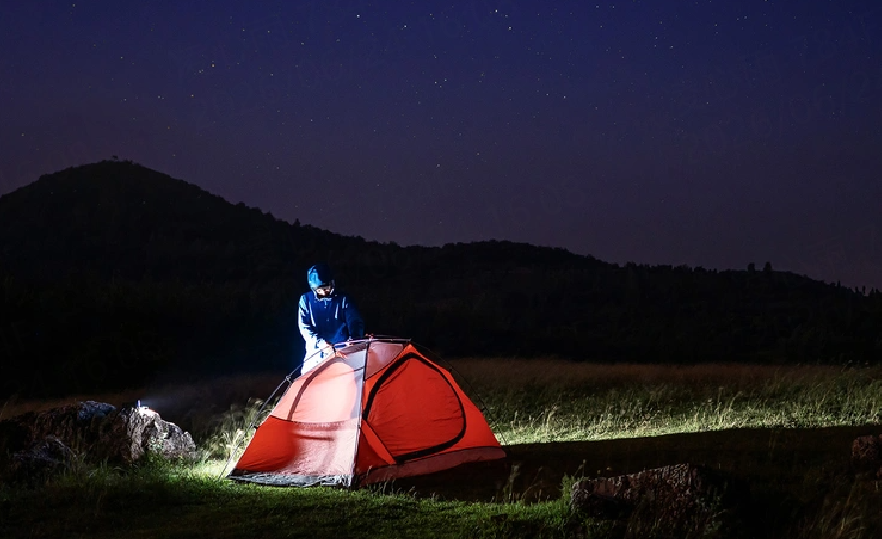
Primary Uses: Stealth navigation, reading star charts, locating items in a backpack without disturbing sleeping companions, and preserving your eyes' natural adaptation to the dark.
Benefits: Under moonlight mode, high-capacity lithium-ion cells can power a flashlight for weeks, and in some cases, several months continuously.
Special Modes and Their Uses
Beyond static brightness steps, high-end flashlights incorporate dynamic flash patterns designed for emergencies, signaling, and defensive applications.
Strobe: Emergency Signaling or Disorientation
A strobe setting is a fast, high-frequency flashing mode that runs at maximum brightness. It is a cornerstone of tactical flashlight modes.
The Science: Strobe lights pulse at a frequency (usually between 10Hz and 20Hz) that disrupts the human brain’s ability to process visual information. This causes temporary disorientation and loss of balance in an attacker.
Practical Uses: Tactical self-defense, halting a threat from a distance, or creating a highly visible warning signal during a roadside vehicle breakdown.
SOS: Emergency Distress Signal
Unlike the chaotic pulsing of a strobe, the SOS mode flashes the internationally recognized Morse code distress signal (three short flashes, three long flashes, three short flashes).
The Science: This rhythmic pattern is easily recognizable to search and rescue aircraft, boats, and ground teams.
Practical Uses: Signaling for help in wilderness emergencies, maritime distress, or remote survival scenarios. Because it pulses rather than staying constant, it preserves battery far longer than running on a continuous High mode.
Beacon: Location Marking
A beacon mode emits a single, highly intense flash at regular intervals (typically once every few seconds).
Practical Uses: Marking your position in the dark, acting as a personal safety flasher while walking along roads, or indicating a base camp location for hiking party members. It consumes negligible power while remaining visible from miles away.
How Many Modes Do You Really Need?
The ideal number of modes depends on your intended application. More is not always better; a complex user interface can become a liability under stress.
Simple: 2-3 Modes
For basic home use, general utility, or backup duty, a simple interface with Low, Medium, and High is often best. This layout is intuitive, fast to navigate, and eliminates the risk of accidentally entering an emergency strobe mode when you just need to find a dropped key.
Advanced: 4-6 Modes
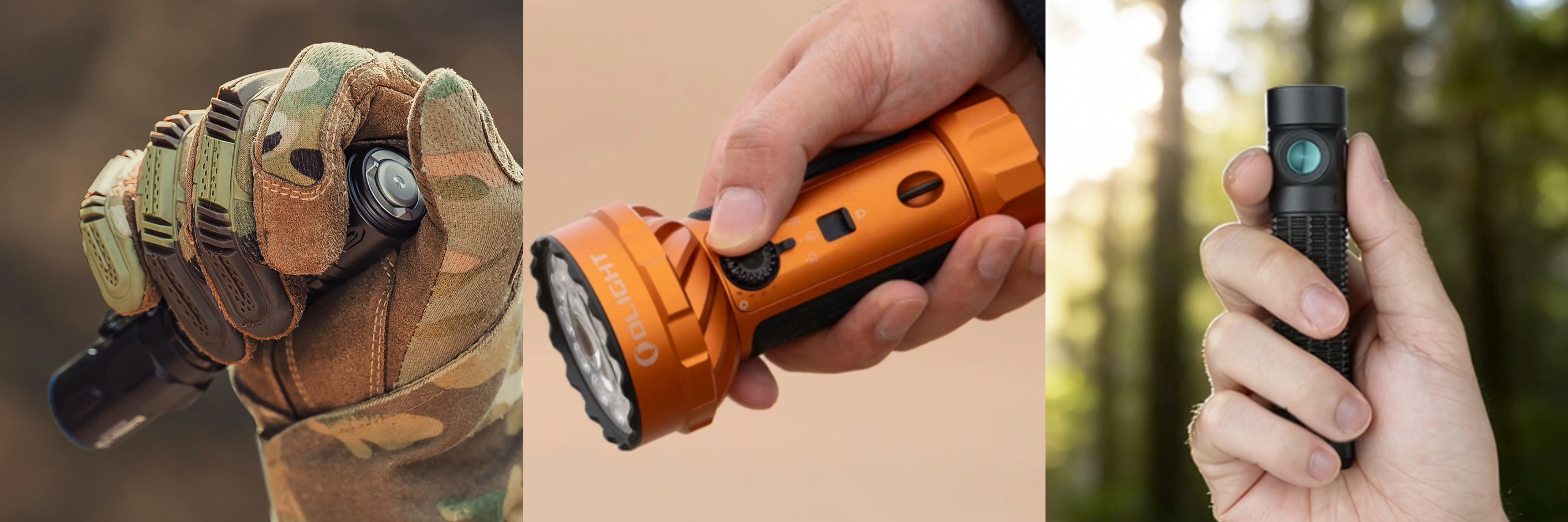
For tactical operations, search and rescue, and serious outdoor adventure, having access to specialized tactical flashlight modes—such as a dedicated Turbo, direct-access Strobe, and an ultra-low Moonlight setting—is essential. Premium models handle this complexity by utilizing dual switches, rotary dials, or smart UI programming to keep advanced modes accessible but out of the way during routine tasks.
To illustrate how these modes translate into real-world specifications, let us examine two industry-leading multi-mode platforms.
Model Comparison: Tactical vs. Extreme Utility
| Feature | Warrior 3s | Marauder Mini 2 |
|---|---|---|
| Primary Use | Tactical, Self-Defense, EDC | Search & Rescue, Extreme Outdoors, Flood/Spot |
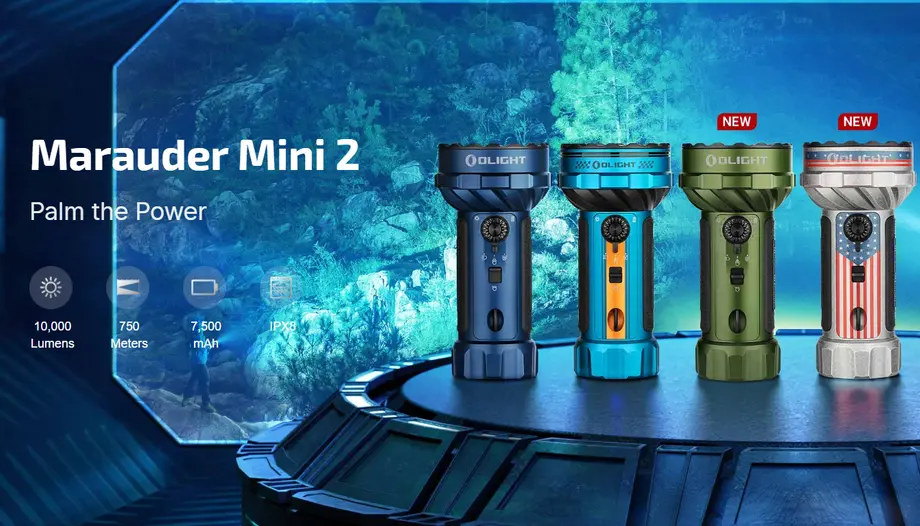
| Max Output | 2,300 lumens | 10,000 lumens (Flood) |
| Max Beam Distance | Long-reaching tactical beam | 750 meters (Spotlight) |
| Interface Style | Dual Switch (Side + Tactical Tail) | Triple-Control (Rotary Selector, Toggle, Knob) |
| Battery Type | Customized 21700 (5000mAh) | High-capacity 7,500 mAh |
| Special Modes | Direct Strobe, Turbo, Moonlight | Floodlight, Spotlight, Combined, Red, Side |
| Safety Features | Built-in Proximity Sensor | Thermal regulation, physical lockouts |
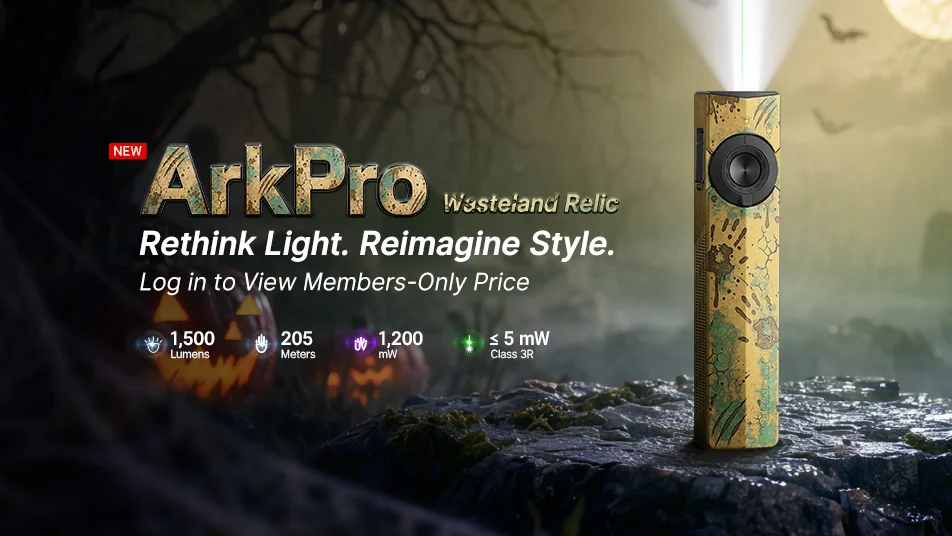
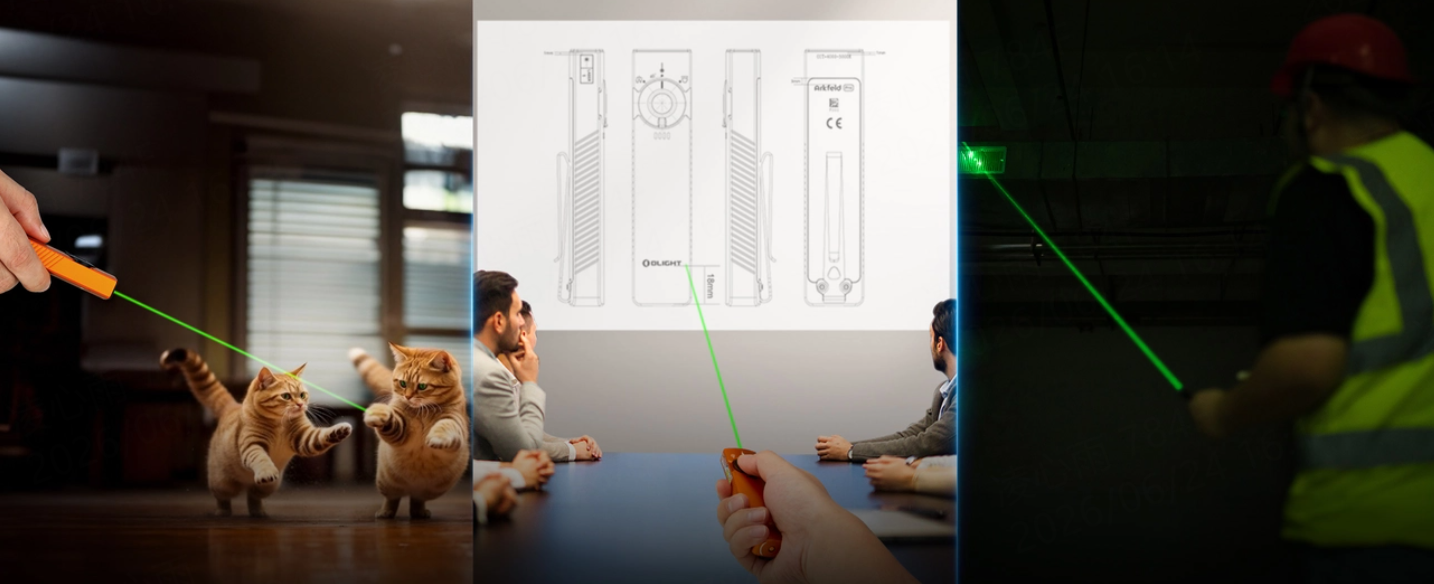
For users looking for a slimmer everyday carry option that balances multiple light spectrums, the flat-profile Arkfeld Pro Flat Edc Flashlight Bundle 1 combines white light, UV, and a green laser pointer into a single, pocketable frame, showcasing how versatile flashlight settings can extend beyond simple brightness steps.
Mode Memory and User Interfaces
A flashlight with excellent hardware can still fail if the user interface (UI) is frustrating to operate. This is where features like "Mode Memory" become critical.
- What is Mode Memory? This feature allows the internal microcontroller to remember the last brightness setting you used before turning the light off. When you turn it back on, it instantly returns to that exact mode.
- Why it matters: If you frequently use your light on Medium around camp, you do not want to be forced to click through Low, High, and Strobe every single time you power the light on.
- Tactical Exceptions: True tactical lights often feature a dual-stage tail switch that bypasses mode memory entirely. For instance, pressing the tail switch halfway down might activate a silent low mode, while clicking it fully down instantly activates a 2,300-lumen defensive Turbo or Strobe, ensuring reliable performance in high-stress situations.
Conclusion: More Modes = More Versatility
Modern multi-mode flashlights are no longer just basic illumination tools; they are highly adaptable instruments designed to keep you prepared for any scenario. By offering a spectrum of outputs—from a heavy-duty 2,300+ lumen tactical Turbo down to a silent, battery-saving 0.5-lumen moonlight mode—modern portable lights give you complete control over your environment, runtime, and personal safety.
When choosing your next light, match the user interface and mode configurations to your specific activities. A well-chosen multi-mode flashlight ensures you always have the perfect amount of light exactly when and where you need it.