TL;DR: Searching for the brightest flashlight requires understanding more than just peak lumens. While raw output provides immediate coverage, beam distance (candela), thermal regulation, and battery efficiency dictate real-world performance. From pocket-sized everyday carry tools like the Warrior 3S to massive tactical searchlights, the ideal illumination tool balances raw power with functional design, heat management, and practical runtimes.
Portable lighting technology progresses rapidly. Modern high-power light-emitting diodes (LEDs) and advanced lithium-ion batteries allow handheld illumination tools to reach outputs that once required heavy vehicle-mounted searchlights. Today, outdoor adventurers, search and rescue personnel, and tactical professionals have access to unprecedented levels of illumination.
However, selecting the right high-power illumination tool requires understanding more than just raw numbers. High numbers on a package do not automatically translate to real-world performance. This comprehensive guide details what defines true performance in high-output devices, breaks down the top models across key categories, and outlines how to select the best option for your specific requirements.
Table of Contents
1. What Does "Brightest Flashlight" Really Mean?
When evaluating illumination gear, clarity on technical terms is essential. Users often equate high lumen counts with ultimate distance performance, but this is a common misunderstanding. Real-world performance depends on how the optical system projects the generated light.
Lumens vs Candela for "Brightness"
The performance of any portable light source relies on two distinct measurements:
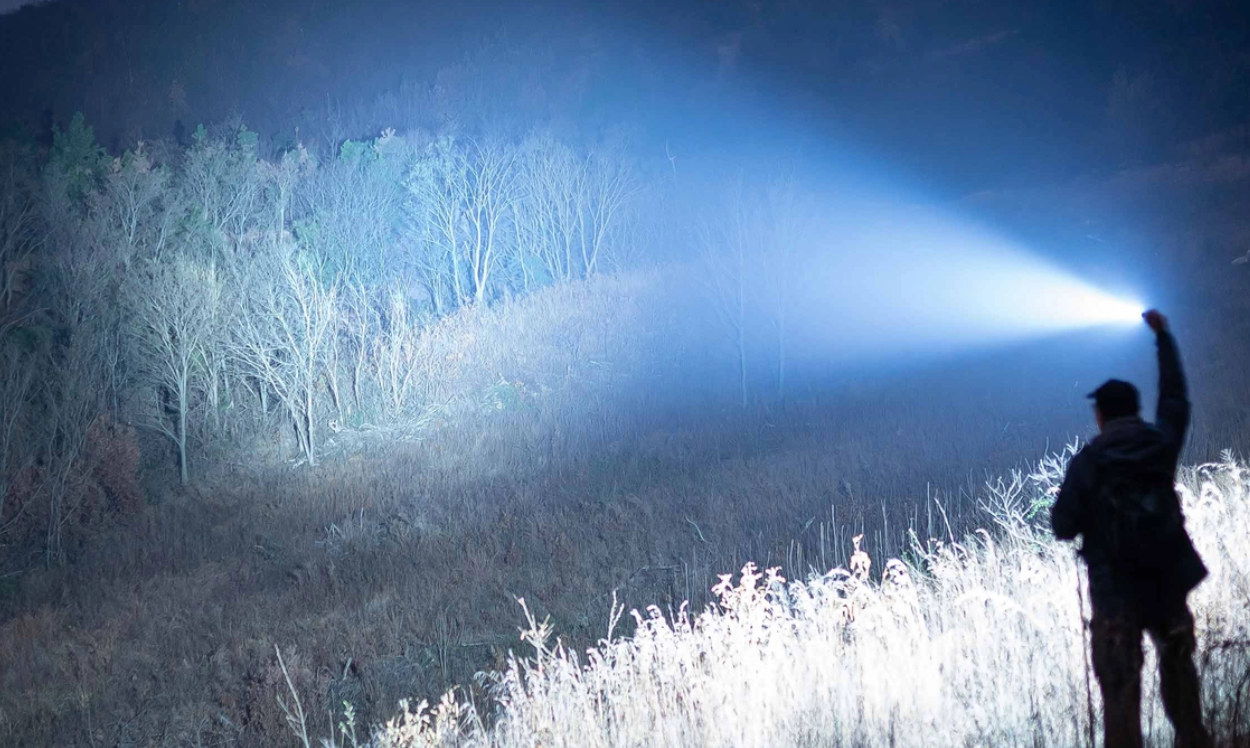
A device with 10,000 lumens and low candela will flood an entire backyard with light but cannot illuminate a target 300 meters away. Conversely, a 1,000-lumen device with high candela can project a beam over hundreds of meters.
2. The Brightest Flashlights by Category
Brightest Handheld Searchlight
Handheld searchlights sit at the absolute peak of power. These devices utilize multi-LED arrays and massive battery packs to generate between 60,000 and over 100,000 lumens. They feature heavy aluminum bodies with deep cooling fins to handle the extreme heat generated during operation. These tools are designed primarily for stationary security, maritime navigation, and large-scale emergency response where weight and size are secondary to maximum raw power.
Brightest Pocket-Sized Flashlight
Pocket-sized high-output models balance massive burst outputs with compact frames. Typically measuring under five inches in length, these devices utilize high-discharge batteries to briefly push between 4,000 and 10,000 lumens. Because they lack the physical surface area to dissipate heat, they step down to lower brightness levels within seconds. They serve as excellent options for quick visual inspections or short-duration self-defense illumination.

Brightest Headlamp
Headlamps place hands-free convenience above all else. High-performance headlamps top out around 3,000 to 5,000 lumens. Because the heat source sits directly against the user's forehead, these units require sophisticated thermal regulation and external battery packs worn at the back of the head strap to balance weight distribution. They are crucial tools for high-speed night sports like trail running and downhill mountain biking.
3. How Many Lumens Can You Actually Use?
Extreme output ratings make for compelling marketing, but practical utility differs from maximum burst ratings.
The Diminishing Returns of Ultra-High Lumens
The human eye perceives brightness logarithmically, not linearly. To the human eye, a flashlight emitting 4,000 lumens does not look four times brighter than a 1,000-lumen model; it appears only twice as bright.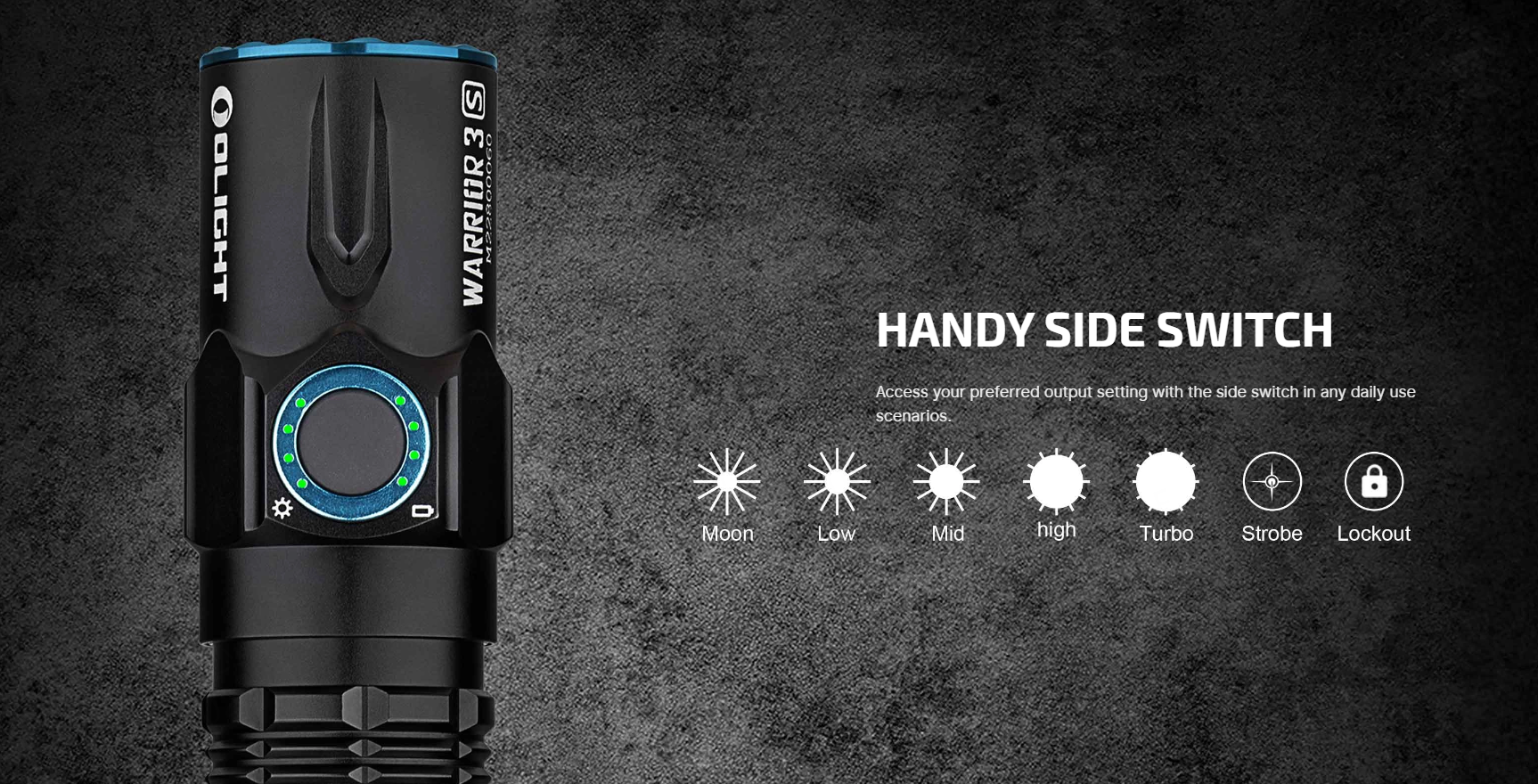
Furthermore, high-output beams can cause blinding blowback. If you activate a 5,000-lumen beam inside a small white room or against a nearby concrete wall, the reflected glare temporarily impairs your night vision. For most indoor tasks, outputs between 15 and 300 lumens are ideal.
4. Trade-Offs of Ultra-Bright Flashlights
High performance introduces mechanical and physical compromises. When selecting an ultra-bright illumination tool, users must consider three primary trade-offs.
LEDs convert a large portion of electrical energy into heat. An ultra-high-output device gets hot very quickly. To prevent damage to internal circuits and battery cells, high-output flashlights use thermal sensors to automatically step down the brightness level within seconds of activating maximum output.
Running a flashlight at extreme outputs places an immense load on the cells. A high-capacity 21700 cell can run for dozens of hours at a stable 150-lumen setting, but running it at continuous high output drains the cell rapidly.
Dissipating heat requires physical mass. True high-output performance requires larger aluminum bezels, heavy cooling fins, and multiple battery cells, which reduces portability.
5. Who Needs the Brightest Flashlight?
Search and Rescue
Need to cover expansive areas. Require balanced beam profiles: wide flood to locate tracks and spot cores to identify distant targets.
Law Enforcement
Identify threats in dark alleys and disorient targets. Require extreme durability and instant access to strobe/max output.
Outdoor Enthusiasts
Navigating unfamiliar terrain after sunset. Identifying distant trail markers or tracking wild game safely.
6. Conclusion: Brighter Isn't Always Better for Everyone
When looking for a high-performance light source, do not focus solely on the maximum lumen rating. High peak numbers are useful for brief bursts, but real-world usability depends on thermal regulation, beam shape, battery efficiency, and carry comfort.
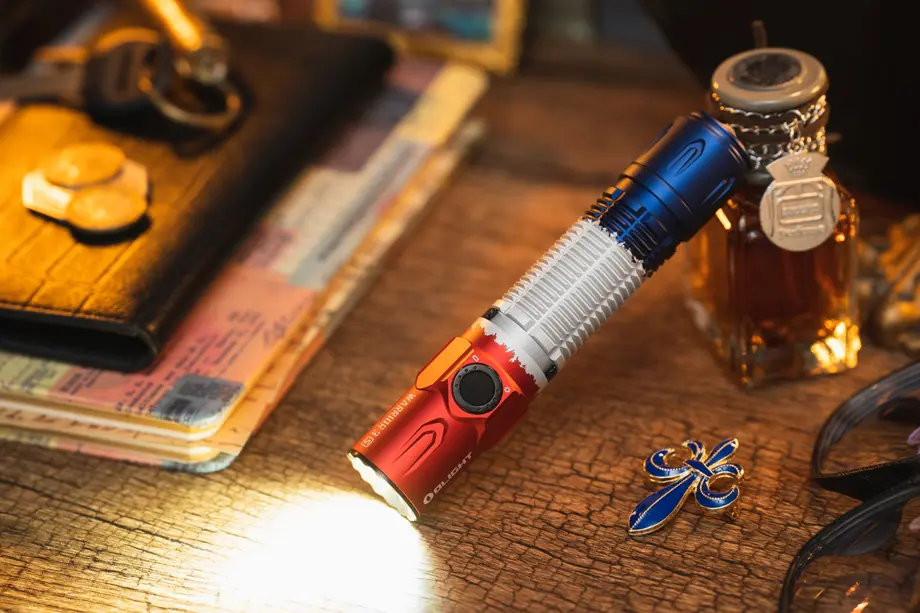
For most adventurers, a mid-sized option like the Warrior 3S is the perfect balance.
SHOP OUR TOP PICK