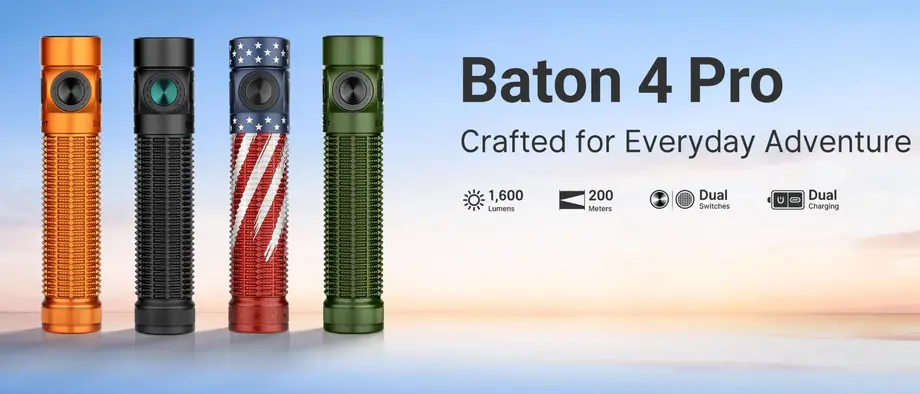
TL;DR: Finding the best flashlight for household use means matching flashlight lumens to your indoor environment. This guide breaks down room-by-room brightness needs—ranging from 50 lumens in bedrooms to 600 lumens in basements. Learn how versatile, multi-mode flashlights like Olight's Baton 4 Pro and ArkPro series protect your vision while delivering reliable home illumination.
When choosing a household flashlight, many users make the critical mistake of buying the brightest option available without considering the complex way light behaves within an enclosed environment. High-powered beams—often designed for expansive outdoor search and rescue—can cause debilitating specular reflection and blinding glare when bounced off light-colored interior walls or polished stone surfaces. Conversely, choosing an underpowered utility light often leaves homeowners struggling to navigate dark attics or perform precise repairs in deep under-sink plumbing where contrast and shadow management are vital.
The science of indoor illumination is not merely about raw output; it is about visual ergonomics and the biological adaptation of the human eye. Understanding Flashlight Lumens and how they specifically apply to the distinct architectural areas of your home is essential for maintaining safety, personal comfort, and operational efficiency during power outages or maintenance tasks. This comprehensive Room-by-Room Lighting Guide analyzes the rigorous technical requirements for modern household illumination and introduces the Best Flashlight for Household Use from Olight's advanced product lineup, ensuring you have the right tool for any scenario.
Deep-Dive Table of Contents
1. Why Home Lighting Needs Vary by Room
Indoor Flashlight Brightness requirements depend heavily on spatial constraints, wall surface reflectivity, and the visual task at hand. Unlike the outdoors, where light travels indefinitely until it dissipates or hits a distant obstacle, indoor environments are closed systems. Light bounces off ceilings, drywall, mirrors, and glass surfaces. This phenomenon creates secondary ambient illumination, which means you typically require significantly fewer lumens to effectively light an indoor room than you would for an open backyard or forest trail.
The Biological Impact of Excessive Lumens
Using excessive brightness in a confined space—such as a 2000-lumen turbo mode in a small bathroom—causes immediate pupil constriction. This is a defensive mechanism of the iris, but it has a massive drawback: it reduces your eyes' natural ability to resolve detail in the dark once the flashlight is turned off. This "flash blindness" can be dangerous during emergencies. Furthermore, high-power modes generate intense heat and drain lithium-ion batteries unnecessarily.
A professional household lighting strategy requires matching specific lumen ranges and beam profiles to the architectural realities of the space. You must choose between a Flood beam (wide, soft light for situational awareness) or a Throw beam (focused, long-range light for precision inspection). Mastering this balance ensures that your tool works with your eyes, not against them.
2. Living Room and Family Room: Managing Large Spaces
The living room is typically the largest open common space in a home, characterized by a complex mix of furniture, electronics, large-screen displays, and decor. During power outages or general searches—such as looking for a lost item under a heavy sectional sofa—you need a delicate balance of ambient light and localized illumination.
Recommended Lumens: 100-300
For general navigation in a dark living room, 100 to 300 lumens is the technical "sweet spot." This range provides sufficient power to illuminate walkways and large seating areas without reflecting harsh, distracting glare off television screens, picture frames, or large windows.
Best Beam Type: Flood
A wide flood beam (ideally with a 120-degree spill) is highly recommended for living areas. Rather than casting a tight, blinding circle of light on a single spot, a flood beam spreads photons evenly across your field of view. This allows for peripheral vision engagement, preventing trips and stumbles over low-profile furniture, coffee tables, or pet toys that might sit just outside a narrow spotlight.
3. Kitchen: Navigating Reflective Environments
Kitchens are high-activity zones but are notorious for having the most reflective surfaces in the house. Stainless steel appliances, polished stone countertops (like granite or quartz), and glassware act like small mirrors. Working in this space during a power cut requires precise brightness control to avoid specular reflection—a sharp reflection of the light source that can cause temporary blindness.
Recommended Lumens: 200-400
A slightly higher output of 200 to 400 lumens is required for kitchen safety. This level of brightness allows you to read small labels inside deep pantries, locate specific cooking utensils, and—most importantly—safely handle sharp objects or hot cookware if the primary electrical power fails during meal preparation.
Best Beam Type: Soft Flood
High-intensity spot beams reflect aggressively off gloss-finished countertops. A soft, diffuse flood light disperses light evenly across the workspace, revealing objects hidden in deep shadows (like under-cabinet areas) without creating "hot spots" that wash out visual detail.
4. Bedrooms: Night Vision and Circadian Health
Bedroom lighting needs to focus heavily on preserving night vision and preventing disruption to sleeping family members. Exposure to high-intensity white light at night suppresses melatonin production, making it harder to return to sleep. If you need to navigate the room at 2:00 AM, high-lumen outputs are biologically counterproductive.
Recommended Lumens: 50-200 (with Moonlight mode)
A low-intensity range of 50 to 200 lumens is perfect for bedroom environments. More importantly, a quality bedroom light must feature an ultra-low "Moonlight" or "Firefly" mode of 0.5 to 1 lumen.
Best Beam Type: Adjustable or Red Light
Using a "ceiling bounce" technique with a soft flood beam—pointing the light at the ceiling to create a gentle, room-filling glow—is the most respectful way to light a shared bedroom. Additionally, a Red Light source is highly recommended for night-time navigation as it is the least disruptive to the human circadian rhythm and night-adapted vision.
5. Basement and Garage: Maintenance & Structural Inspection
Basements, crawlspaces, and garages are the most demanding indoor environments for any illumination tool. These areas often lack natural light sources entirely, feature dark, light-absorbing concrete walls, and host the home's most complex infrastructure, including electrical panels, HVAC units, water heaters, and main plumbing lines.
Recommended Lumens: 300-600
Because unfinished basements and garages do not benefit from the reflective properties of white-painted drywall, you need a robust output of 300 to 600 lumens. This range provides the necessary "punch" to penetrate deep into dark rafters, utility bays, and dusty corners where spiders or leaks might hide.
Best Beam Type: Flood + Magnetic Hands-Free
A combination of a wide flood beam and hands-free capability is critical in maintenance zones. When inspecting a breaker panel or a leaking pipe, you need both hands for tools. A flashlight with a strong magnetic tailcap allows you to mount the light source to metal beams or pipes, casting an even wash of light across the entire work area.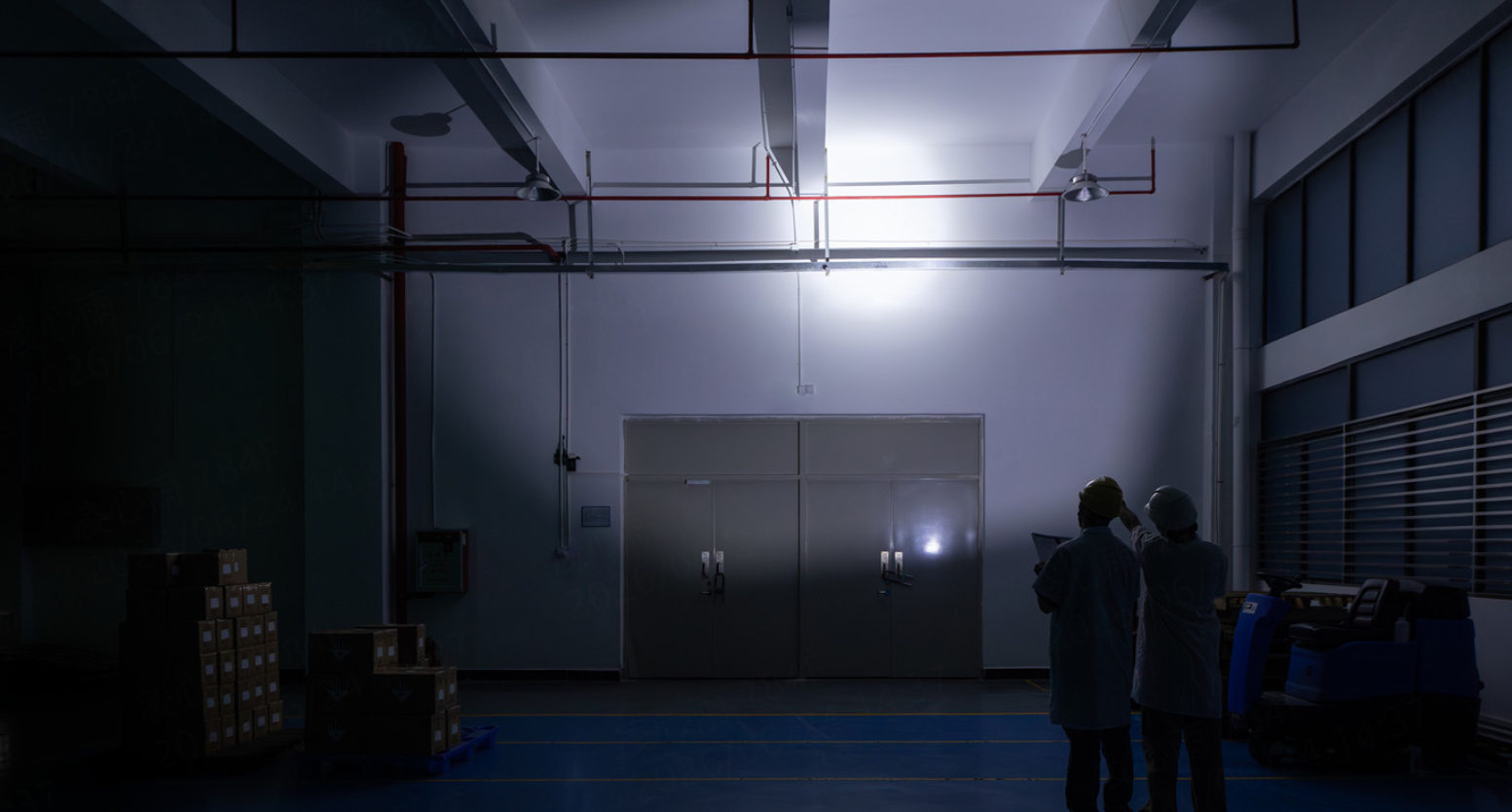
6. Home Office & Storage: Precision in Shadows
Modern home offices are filled with computer monitors and complex cable runs tucked behind heavy desks. Illumination here must be carefully controlled to prevent eye strain and screen glare.
- Home Office (50-150 Lm):
Keep the light low and focused directly on the cable workspace. High outputs reflect aggressively off plastic computer components and monitors, making it difficult to read serial numbers or trace network connections. - Storage Areas (100-300 Lm):
Utility closets and attics create shadow-filled voids. 100 to 300 lumens is required to read small text on storage bins or identifies specific items without "washing out" details in narrow, dust-prone confines.
8. One Flashlight for All Rooms?
While matching a specific light to each room is technically ideal, most homeowners prefer a single, highly adaptable Olight Home Flashlight that can handle every household scenario. Modern LED technology makes this possible through multi-mode drivers and high-capacity battery management systems. Rather than buying multiple lights, you can invest in a premium tool that transitions from a reading light to a high-powered search beam with a single click.
Top Olight Household Solutions for 2026
The Baton 4 Pro: Compact Versatility
Perfect for bedside drawers and whole-house emergencies. It delivers up to 1,600 lumens for outdoor sweeps but excels indoors with its 0.5-lumen Moonlight mode that can run continuously for 100 days—making it the ultimate "blackout candle."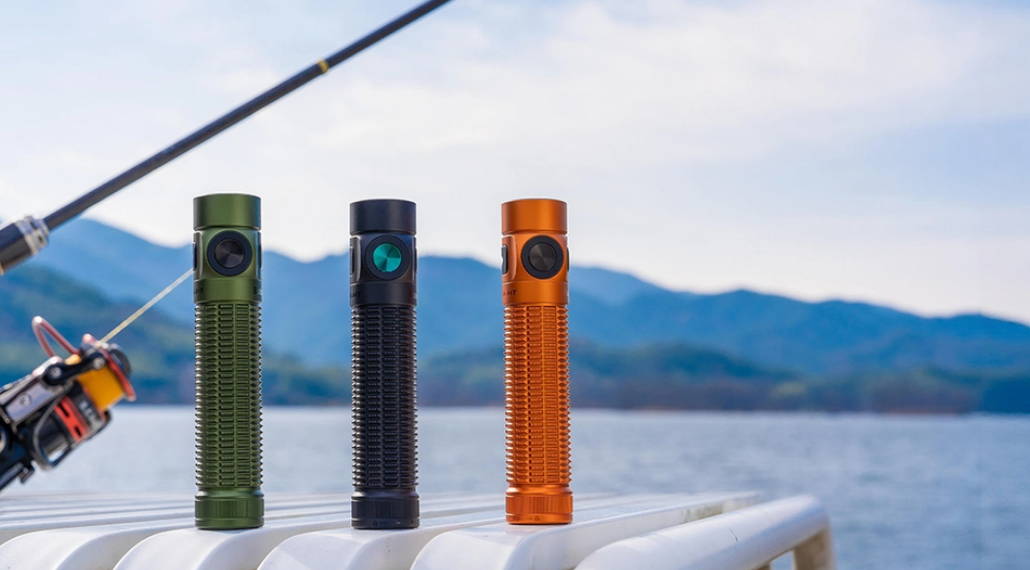
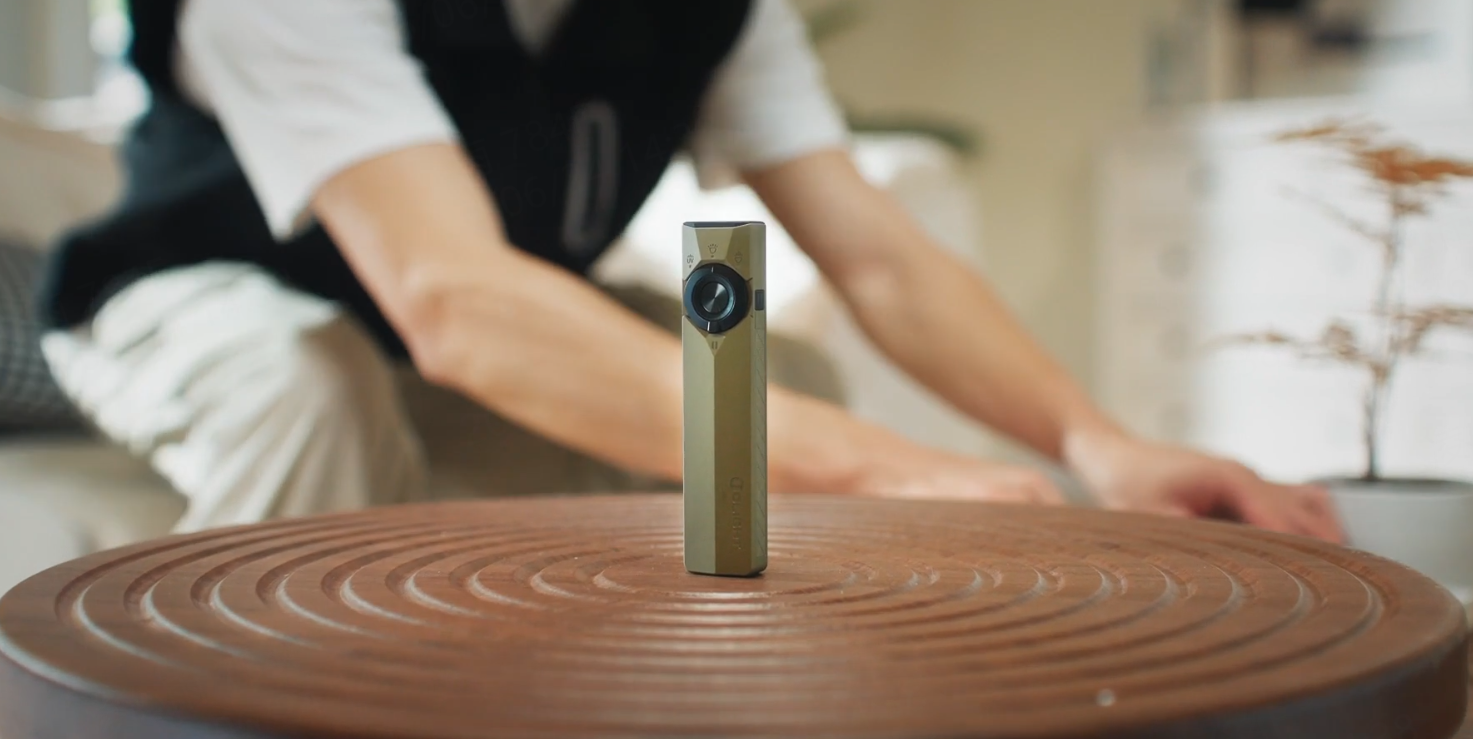
ArkPro Series: Multi-Source Mastery
| Model | Unique Source | Best Home Use |
|---|---|---|
| ArkPro | UV + Laser | Hygiene checks & DIY |
| ArkPro Lite | UV + Red Light | Hallway/Bedroom navigation |
| ArkPro Ultra | Max 1700 Lm | Garage & Search work |
9. Conclusion: Match Brightness to Task
Using the correct flashlight lumens for indoor settings protects your vision, extends your tool's battery life, and ensures you can complete household tasks with maximum safety. For general room navigation, keep your output between 50 and 300 lumens. Save the high-powered 1,000+ lumen modes for large basements, garages, or outdoor security sweeps.
By choosing an adaptable Olight model like the Baton 4 Pro or an ArkPro series flat light, you gain access to a complete range of brightness settings, ensuring you always have the perfect amount of light for any room in your home, from the bedside to the breaker panel.