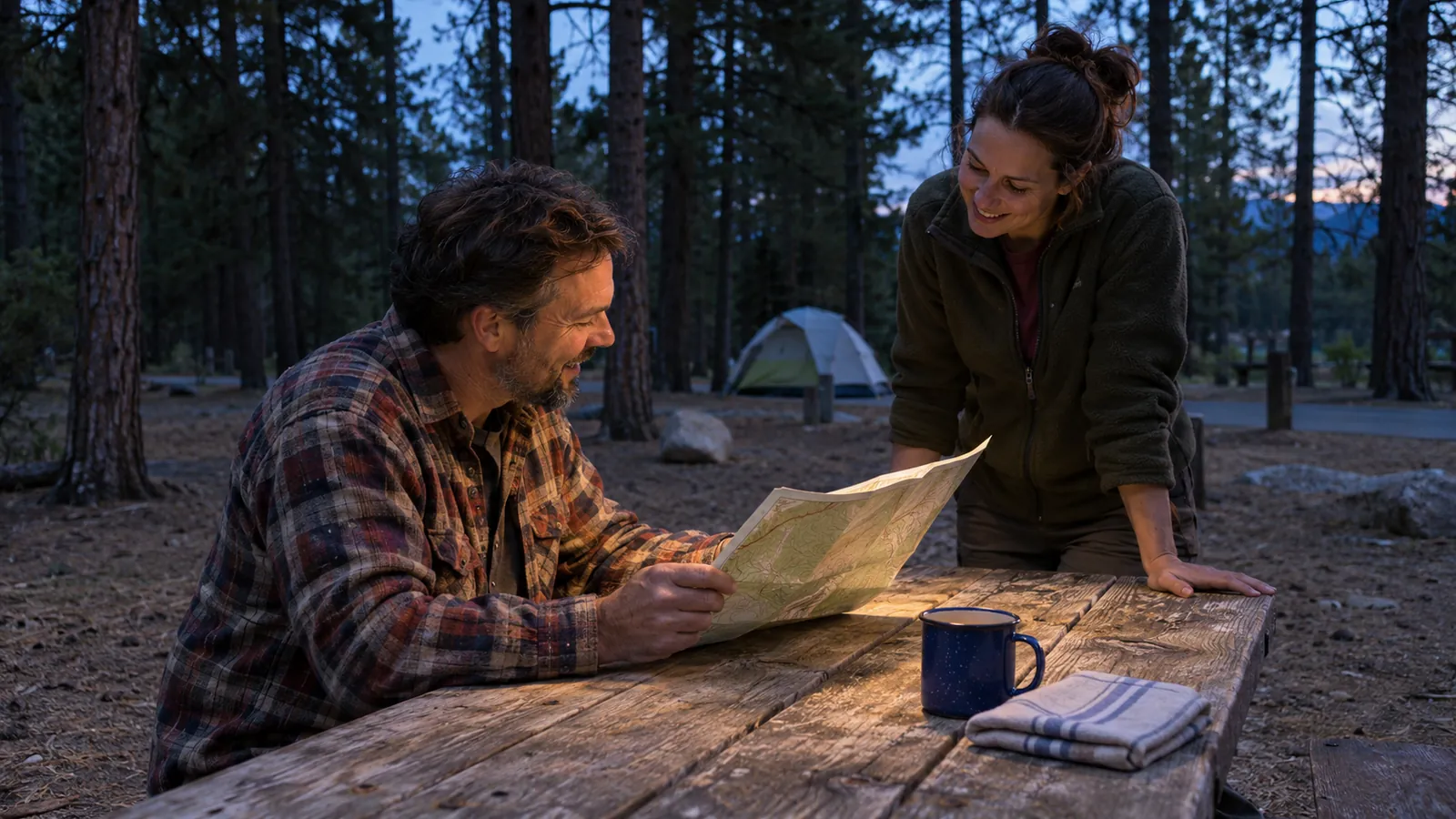
TL;DR: Wear a headlamp for tent pitching and walking after dark, when the light needs to follow where you look. For a fixed tabletop task, a purpose-built neck light or secure clip light can keep the beam lower. Check where the light lands when you turn, bend, or talk before choosing which one to pack.
📋 Table of Contents
- 1. Choose the light by where you work
- 2. How forehead and chest beams move
- 3. What is the difference between a headlamp and a headlight?
- 4. Set up the table for food, cleanup, and a map
- 5. What should I look for in reviews of a neck light?
- 6. Pitch the tent and find the restroom with a moving beam
- 7. What is a neck light for?
- 8. Fit a clip light to clothing that holds its angle
- 9. Three Olight options for head or clip placement
- 10. Make a quick fit check before you pack
- 11. FAQ
Choose the light by where you work
The most revealing moment in a headlamp versus neck light comparison is when someone says your name midway through a chore. With a headlamp, turning to answer can send the beam straight across the table. With a neck light, the beam can stay on the table until you turn your shoulders or lean in. A clip light adds a third possibility. It can stay on one area if its attachment and angle stay together.
| Camp chore | Start with | Why |
|---|---|---|
| Prepare food at a fixed table | Secure clip light, purpose-built neck light, or stationary light | Keep the light on the work while you look around |
| Wash or sort dishes | Low, downward light from a dry position | Aim away from reflections on the basin and utensils |
| Read a map together | Low light aimed across the paper | The group can see the page while you talk |
| Pitch a tent | Headlamp with adjustable aim | Look from a pole joint to the ground without shifting the light |
| Walk to the restroom | Headlamp at a useful walking level | See the route and the next step without holding a flashlight |
The table gives useful starting choices. Your clothes, work height, lamp fit, and nearby people can shift the result. A soft fleece collar moves more than a firm pack strap. A narrow headlamp beam can leave the near edge of a tabletop dark even when it lights a spot farther away. Ask which part of the job has to stay visible while you move.
For a model comparison within the headlamp category, see Olight’s camping headlamp guide. Use the comparison here to decide where the light belongs in the first place. Someone who spends most evenings at a picnic table may prize a steady pool of light at their hands. A person who goes back and forth to a tent may prefer to keep a light on their head.
How forehead and chest beams move
A headlamp points where the mount and your head put it. Bend at your waist with your head up and the beam can still point ahead. Look down and it tends to follow. That is useful for switching between a tent clip, the next strap, and the cleared ground. Turn suddenly at standing height and the same behavior can put a bright spot near another person's eyes. Tilt the lamp down and lower the setting before looking up to talk.
A light made to rest around the neck sits below your line of sight. Depending on how its arms and supports are designed, it may keep a work surface lit as your head turns. When you lean, its position now depends on the shape of your shoulders and the friction against your jacket. An unsupported end may move away from the original aim. A high collar can push an emitter upward. Find out what your own model does before relying on it for a task that involves bending.
A clothing clip follows the material that holds it. A thick shirt seam or secure strap can be predictable. A loose zipper flap or drawstring can move every time you reach. The lower lamp position may also put your forearm between the light and a small item. Moving the clip to an approved firmer point, shifting the work, or using a stationary light can be simpler than raising output.
A low position is an option for controlling glare. It takes the beam out of the natural path of a head turn, but it can still shine into a seated person's eyes if the lamp points up. At a bench, ask a companion to tell you where the bright part of the beam lands. Start with the lowest usable setting, angle it across the work, and check again when you stand.
What is the difference between a headlamp and a headlight?
In camping, a headlamp usually means a portable lamp you wear on your head. A headlight usually means a vehicle's forward lighting, although some shoppers use the word for a wearable light. Search for a headlamp with an adjustable beam angle and a usable low setting if the job is cooking, pitching a tent, or walking around camp.
Names can sound similar while the lights serve very different jobs. A head-mounted lamp should sit where you can tilt and reach it without losing the work in shadow. The lamp that is already on a vehicle lights according to its installed aim and does not move with someone at a campsite table. For a short task away from a vehicle, use a light that travels with the person or is designed for the surface you are working on.
Set up the table for food, cleanup, and a map
Cooking on a fixed work surface
Set the ordinary preparation area before it is dark. Give the bowl, cutting board, and items you reach for most a shared patch of light. Set the light position with the stove off and the work surface clear. A steady lamp on an appropriate support can do more here than either wearable option. Position it so a saucepan or open lid does not block the beam, and keep all lighting and straps clear of heat and moving gear.
If there is one wearer working alone, try a suitable clip or neck light directed toward the work. Reach for something at the back of the table and see whether the front edge stays lit. If comfortable reach puts a hand in the shadow, move the beam to a side that leaves the space clear. Do it before handling anything hot. For two people, divide the surface into two work areas or share a stable light that both can see around.
A headlamp works at a table too. The practical question is whether it stays on the board when you switch between looking near and listening to someone. Set it low and angle it down. If the spot or a polished bowl seems brighter than the thing you need to see, move the bowl or shift the beam off its center. Rebuild that arrangement before you reach for the next highest mode.
Dishes and the space around a basin
Dishwater, a utensil, and the inside of a dark pot can each reflect or absorb enough light to change the view. Look for a low beam that gives the basin a visible edge without sending its reflection back at eye level. Put any movable light in a stable dry place where it will not drop into the water. Keep charging connections dry and use the equipment according to its manual.
Check where shadows move as you lift either hand. If a body-worn light stays behind one forearm, it can hide the far side of the basin. Shifting your position or aiming across rather than straight down can help. For a two-person cleanup, the person drying may benefit from the same general surface light even if the person washing needs a separate view of the pot. Give everyone enough room to see their footing before carrying water or gear between sites.
Reading a map without pointing the light at faces
Spread the map on a dry surface and keep it from folding back into the beam. Aim light across the page from one side. Look for labels and symbols in the far corner as well as in the brightest patch. If the paper is coated, look at it from your normal position and adjust aim until the reflection moves away from the print. Use a color and level at which you can distinguish the actual symbols and color markings.
If one person holds the map, choose the side that leaves the other person's eyes clear. Two hands, two headlamps, and a glossy sheet can make a surprisingly busy space. Try one low, steady light first. The second person can point out a route without adding another beam. Switch to the right light before walking, and keep the map where you can consult it from a safe, stationary place.
What should I look for in reviews of a neck light?
Look for reviews that show the light on actual clothing at a table, during a forward lean, and when the wearer turns to speak. Check whether the tester is using the same adjustment and fit you would use. Straight-on brightness photos say little about whether the emitters keep their aim as a coat shifts or a person bends.
A useful review lets you distinguish the neck support from the light's aim. If photos show only a person standing upright, look for examples with a thicker jacket or work below chest level. A swinging model can be comfortable on a stationary reading job and awkward when you repeatedly lean into a bag. Check how easily you can return each emitter to a useful position.
Make sure the product is built and described for neck wear. A loop, key ring, or carrying lanyard on a flashlight does not establish that it will aim usefully, stay clear of clothing, or be comfortable against the body. Choose the fitting or support intended by the manufacturer. Keep loose pieces away from cookware, bags, and equipment that could snag on them.
Pitch the tent and find the restroom with a moving beam
When pitching in low light, lay the parts in reach on a clear, stable site. A headlamp lets you follow a connector, clip, or stake with your eyes while keeping both hands free. Point it at the work before bringing another person close. Agree on who watches the loose poles and gear so no one is facing two bright beams at once.
When the job moves from one corner to another, stand and check your next step before moving. If the lamp is aimed almost straight down, you might see what is at your toes while missing a person or object a little farther ahead. Move to a steady beam position and setting that show both the way and the next step. Stop to adjust the light if your hands are full.
A restroom trip usually includes two different spaces. In the tent, a low light can help find footwear and the zipper without waking everyone. Outside, take a moment to set a comfortable walking beam before leaving the door. Look for the signed route in daylight when you can. Use the light you need for steps and uneven ground, and keep it directed away from other tents.
The National Park Service Ten Essentials list includes illumination and says a headlamp is preferable for keeping hands free. It also calls for extra batteries where applicable. Carry enough reliable power for the type of light and trip that you actually have. A known short walk across a maintained campground has different needs from an unfamiliar route after dark.
If a neck lamp feels comfortable while upright, try how it aims at the floor and then check a known room or walkway with normal footwear and an empty hand. Do not assume the neck lamp will keep the same useful patch of light when you go to step down or look to one side. A clip worn only on a soft jacket may also move as you walk. For a task that needs changing aim, pick the light you can control consistently.
What is a neck light for?
A purpose-built neck light rests around the neck and directs light from below the wearer's eyes. It can help with close work such as reading a map, sorting gear, or cleaning up at a fixed table. Test its aim and fit in your working posture. Consider a headlamp when you need the beam to follow your gaze while walking or looking up.
A product can bring its own choices about aim. Some designs have individually adjustable emitters. Others have a fixed beam position. Read the instructions and decide whether your usual work happens directly in front of you or off to one side. If you wear a jacket most evenings, check how the unit sits with that jacket before judging it based on a thin shirt.
If what bothers you about a headlamp is forehead pressure, check whether a neck position feels better with your usual clothes. Comfort is the fit of the complete system. A thick collar can keep a neck lamp from sitting flat. Glasses, a hat brim, or thick hair can change a headband's contact points. Try the intended setup during a familiar task and note what touches you when your hands are already occupied.
Fit a clip light to clothing that holds its angle
A good clip point does two jobs. It grips the material and puts the lamp in a useful position. Before dark, find a place on a firm seam or compatible pack strap that clears your arm when you reach for a mug. Clip it where the maker allows the device to be used and check the hold after you sit down. An attachment that works when you stand can touch the table or press against you when you lean forward.
Try the fit with the rest of the gear on. If you need to open a front zipper, put the light somewhere the zipper will not carry it away from the work. If it is on a pack strap, remember that taking the pack off also takes that beam away. For a lower beam while changing layers, give the light a place on an approved stable surface or switch to a different light before removing the garment.
Clipping at collar height does not guarantee that the beam will stay below everyone's eyes. At a picnic table, the person opposite you may be seated while you are standing. Aim at the thing you are doing and find a level a companion can talk across comfortably. If no permitted clip spot offers both visibility and a secure hold, use the light from a stable support or choose the intended headband or separate tabletop fixture.
Three Olight options for head or clip placement
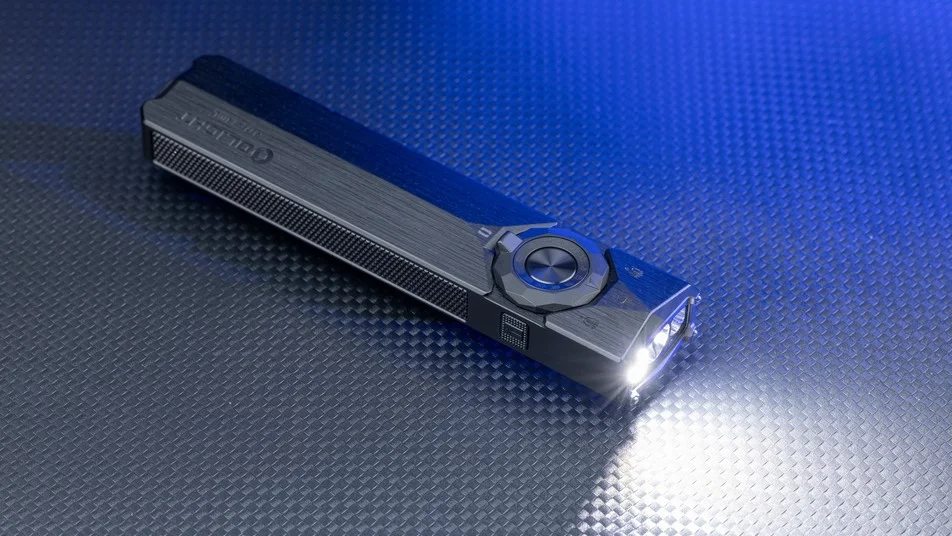
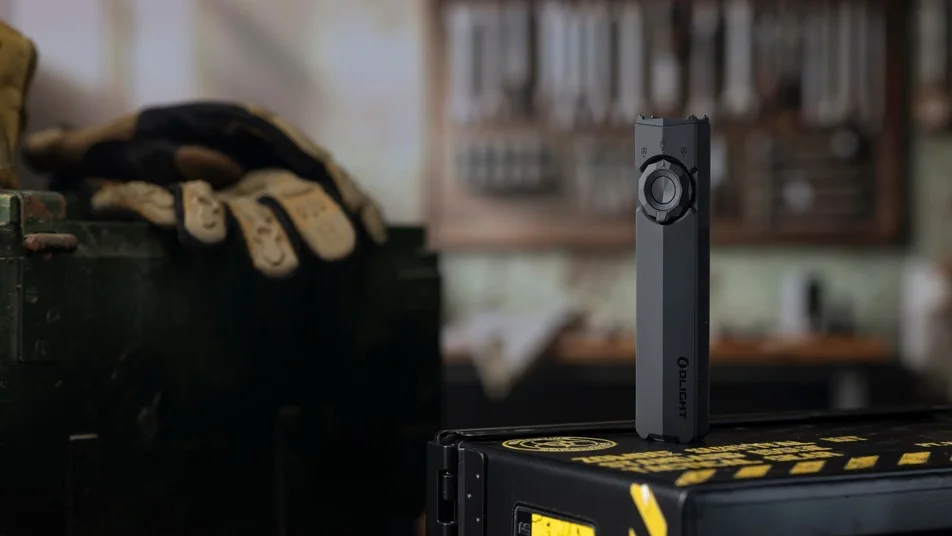
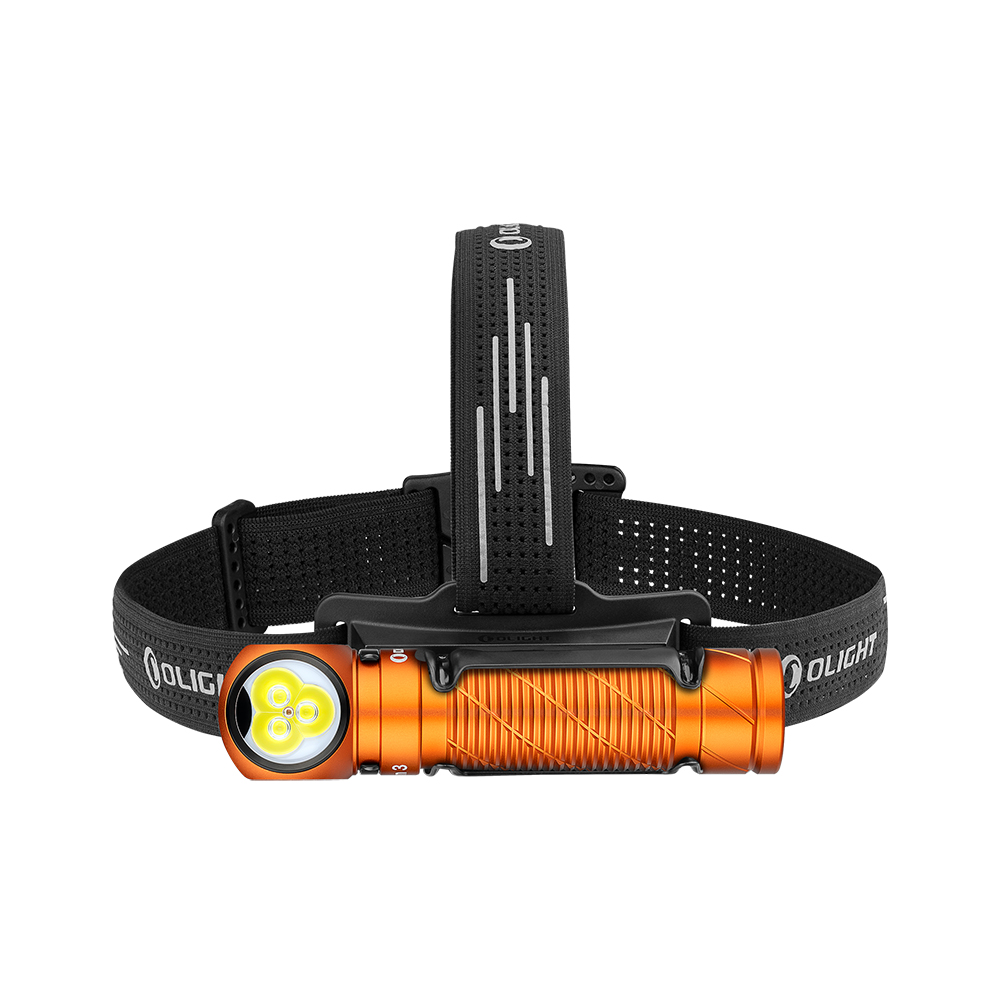
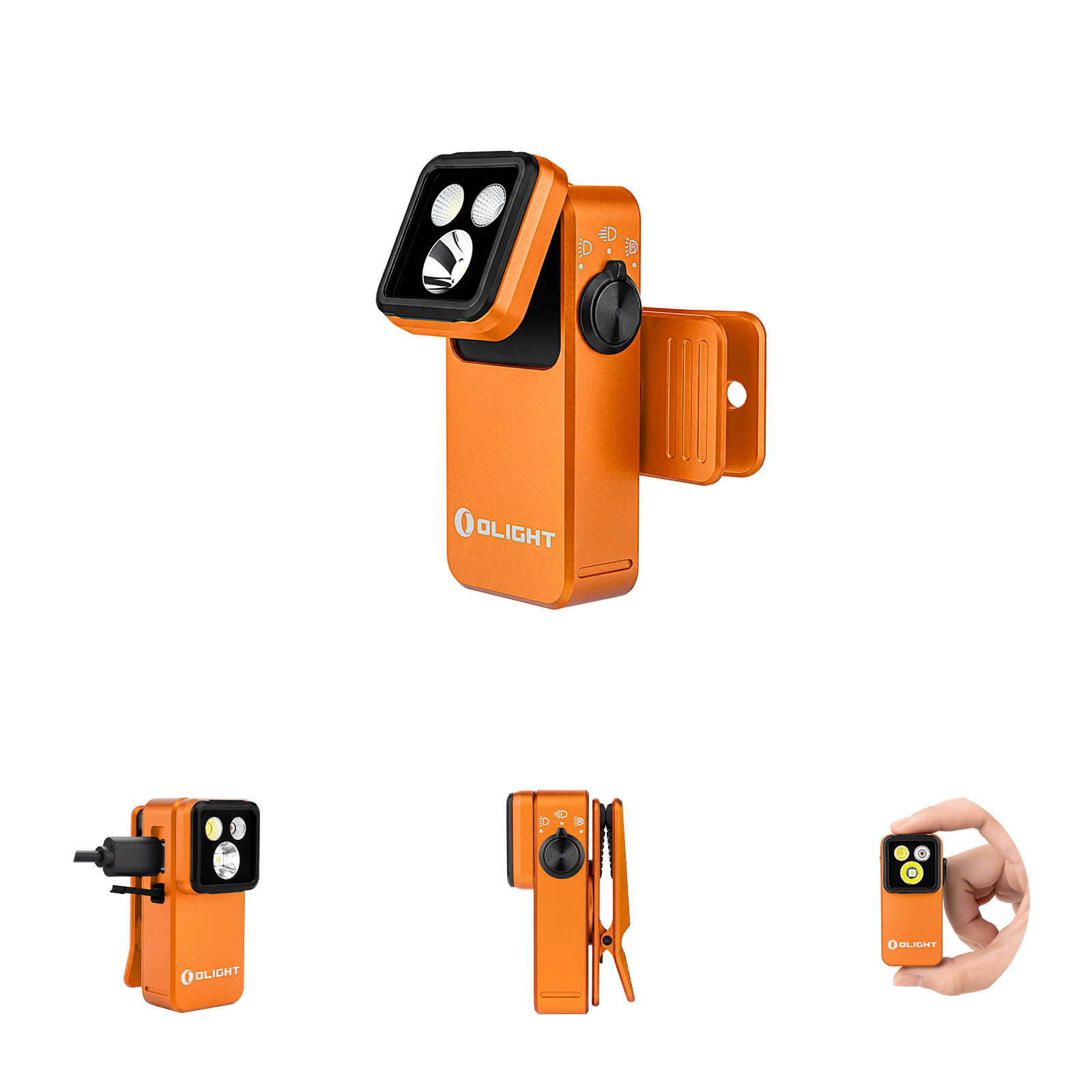
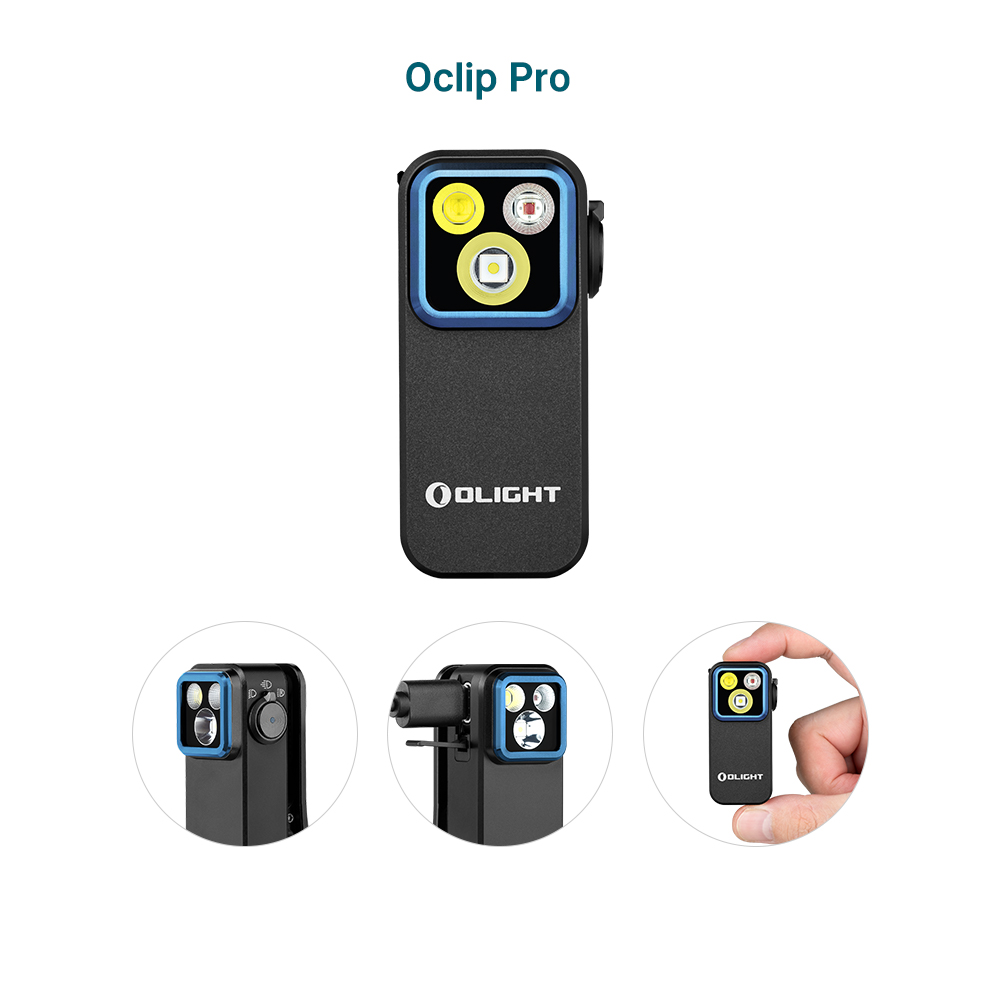
Check a rechargeable headlamp if the task moves with your eyes. Check a clip flashlight if you have a suitable attachment point and want light to stay on a close working area. These examples cover headband and clip configurations. For neck wear, choose an independently designed neck light and follow its intended fitting instructions.
Make a quick fit check before you pack
Put a map or readable label at the height you expect to use. If most of the trip involves a picnic table, use a similar seated or standing position. Lower the lamp until the label is comfortable to read. Turn to talk, reach for a bag, then bend toward the work. Ask a companion where the beam lands as you do each motion. You can learn which position suits the task without measuring brightness.
Check one position change at a time. A lamp may stay put when you turn your head and move when you bend. A collar clip may seem loose until you secure it on a firmer suitable place. If you shift the wearing point, use the same low mode at first so you can tell whether it was the fit or output that changed. Save the placement you can set again quickly in the dark.
| If your usual problem is… | Try first | Then check |
|---|---|---|
| The beam follows your face during conversation | Fixed low light or a secure clip | Height of a seated person's eyes |
| Lamps feel uncomfortable over a long meal | Neck-worn design or stationary light | Fit over the jacket worn at camp |
| A beam moves off the work when you lean | Firmer approved attachment or headlamp | Where the light lands when you reach |
| You keep looking up and down while pitching | Tilting headlamp | Ease of switching aim without moving your hands |
| You leave the table to walk after dark | An independent personal headlamp | Enough light for the next step and the known route |
Make the useful mode easy to get back to
Set the light where you can hold it still and find the switch before someone hands you anything. A headlamp button can be easy to identify with bare hands and harder to find under a brim or with gloves. A neck light that puts a switch on one side may be convenient one-handed on the bench. If the button is hard to reach in your working posture, choose another fitting or practice while you are stationary.
Note what the light does after you switch it off. If the mode you want is several button presses away, work out the simplest way to get back to it while the lamp is facing the work. A bright setting used for the walk back to camp may be too much for a tabletop. Change it before you sit down, and check where the lowest mode is usable in your own setup.
Decide where spare power belongs before the trip. A charging cable does little once you leave it in the vehicle without a compatible power source. Keep the first lamp charged or equipped as the maker directs. Give another person a light with a power arrangement they understand. That way the two jobs can continue independently when the group splits.
If your group has only one light, decide who keeps it before leaving the table. A second light can be valuable when the only person who can see the map also needs to walk away. Store it where another person can reach it from a stable position, and make sure its controls are familiar to the group. A backup can be small if it serves a specific task.
Try the setup with what you already own. A useful division can be a shared table light and one wearable light per walker, or a secured clip for a seated job and a headlamp for the tent. If your existing headlamp reaches a comfortable low mode and fits the role, a different aim or placement might be all you need at the table. Add a different type of light when the missing job is clear.
FAQ
Changelog
November 20, 2026. Reviewed the U.S. product listings, original gallery photos, camp illumination guidance, and after-dark fit examples.