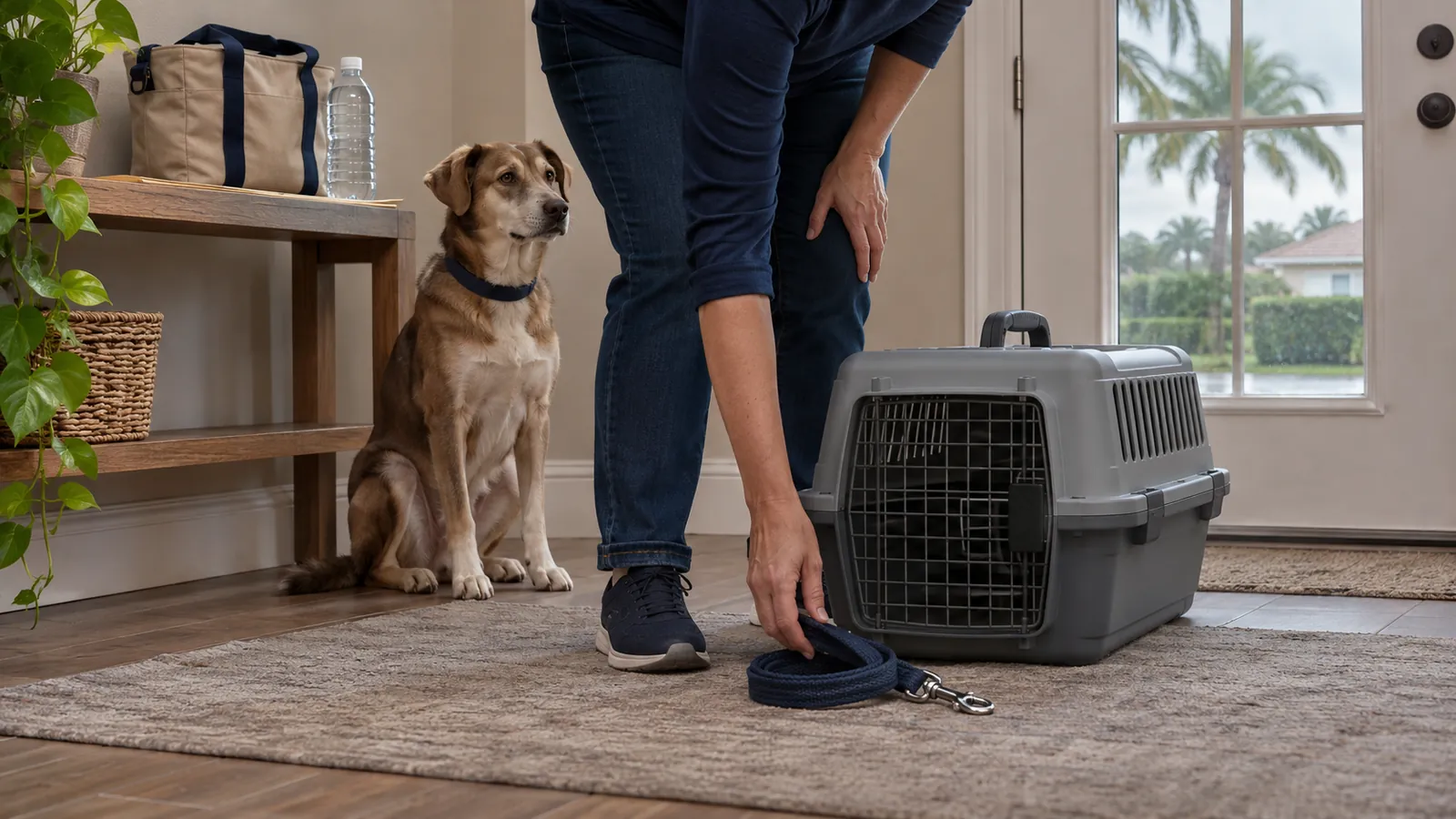
TL;DR: A hurricane kit for pets should include the dog’s leash or cat’s secure carrier, several days of food and water, regular medication, and current records. Confirm which destination can take each pet before leaving. Pack a light for the adult to read labels or see their footing once local officials allow travel.
📋 Table of Contents
- 1. Pack for the animal, the trip, and the arrival
- 2. What should be in my hurricane emergency kit?
- 3. Confirm a place that can take each animal
- 4. Keep optional walks off the plan until the route is safe
- 5. What is the 3-3-3 rule for shelter pets?
- 6. How many days should a hurricane supply kit last?
- 7. Give the adult a light for the work at hand
- 8. Prepare for a separation while the communications work
- 9. Frequently Asked Questions
Pack for the animal, the trip, and the arrival
| What to prepare | For a dog | For a cat |
|---|---|---|
| Secure travel equipment | A familiar leash and the restraint or carrier you normally use for travel | A suitable closed carrier, labeled with current contact information |
| Food and water | Familiar food, water, and bowls | Familiar food, water, and bowls |
| Regular care | Current medication and written instructions | Current medication and written instructions |
| Waste and cleaning | Waste bags and ordinary cleanup supplies | Litter, a litter tray, and ordinary cleanup supplies |
| Records and identification | Current tag and registration details, photo, and veterinary records | Current identification records, photo, and veterinary records |
| Confirmed place to stay | A destination that accepts your dog | A destination that accepts your cat and its carrier |
Start with the last part of the trip. Picture arriving while someone asks for the owner’s name, the animal’s vaccination record, and a way to secure the pet before the door opens. The things you need for that handoff should stay easy for an adult to reach. A leash or carrier is harder to use if it is underneath the bigger bags. Keep documents together in a place you can point out to the other adult.
Food and water packaging should suit the way you will carry it. Check the closure on the food container and label it with the animal’s name if you are packing for more than one. In a household that uses different diets, bring the food that belongs with each pet. A closed container or bag is easier to organize than several open packages on a shelf. The label also helps the person asked to feed a pet while you are busy.
Regular medication and veterinary information belong in the same plan, even if they have separately assigned storage. Ask your veterinarian what records or instructions you need and how any medication should be stored during a trip or outage. Keep a printed copy of the essential information if the phone will be unreliable. The person taking care of the pet should be able to read the name, directions, and contact number when the room’s lighting is ordinary or a small task light is available.
Think about what a practice packing run can show. Where would you put the carrier while you check the paperwork? Can the adult with the dog get to the leash while a second person brings the water? Do the supplies fit with the restraint you use in the vehicle? Try arranging the empty carrier and the bags before bad weather. Confirm which adult does each job so those decisions are already settled.
The Centers for Disease Control and Prevention recommends preparing a pet disaster kit, keeping a leash or carrier near an exit, and keeping pet identification and microchip information up to date. Its preparation guidance also suggests arranging a trusted person who can help if you are away. Use the parts that fit your household and keep the agreement current. CDC pet emergency preparedness guidance.
What should be in my hurricane emergency kit?
For the household, bring water, food, medication and care supplies, communication equipment, lighting, and copies of key records. Add a separate set of pet supplies with appropriate travel gear, familiar food and water, regular medication, and current identification. Keep a smaller departure kit ready if the larger supply is meant for staying home.
Ready.gov’s pet page suggests both a larger kit for staying put and a lighter one for evacuation. It includes food, water, medication, ID and travel equipment, cleaning supplies, a photo of you with the pet, and familiar items. Start with the essentials and decide who will move each bag and carrier. If the animal is separated from you, a photo that shows identifying features can be useful alongside the contact information you keep on file. Ready.gov’s pet disaster preparation list.
A person with two animals should be able to identify whose supplies are whose without opening every container. Put the owner’s name and contact number on the external label in the place that will stay readable. Organize the food, veterinary directions, and cleanup supplies so they can travel together if a trusted person takes one animal temporarily. Make a note of any special storage instructions that the veterinarian gives you.
A ready bag can also have a paper list of what has to come from the house on the way out. Some medications or specialty food may be stored elsewhere until you leave. Make the list specific enough that an adult can pick up the right item by its name and storage location. Use ordinary room lighting for the check if it works. Keep independent lighting available to read the list if normal lights go out.
Think through how the vehicle will be loaded before moving any animals. Review its own restraint guidance and use the equipment that suits the animal. The bags that you need on arrival should be easy for an adult to find without opening a carrier. Leave space to handle the carrier securely. If somebody is taking part of the kit in a different vehicle, agree which destination both drivers will use and what the backup is.
Confirm a place that can take each animal
Ask the local agency or shelter operator what is available for your address and the actual storm. Find out which animals it accepts, where check-in happens, and whether you will stay with the animal at that location. Some places might take pets under specific conditions or keep animals in a separate area. Ask what records and carrier or leash arrangements it expects. Confirm the same information for a fallback destination outside the affected area.
Confirm the arrival instructions while official information lines are open. Save the street address, an official contact number, and any written rules you were given. A hotel or family home may have different arrival instructions from a public shelter. Tell the person driving which entrance the destination expects you to use. If a destination changes after you leave, check where to go through official information instead of relying on an old screenshot.
For people traveling with a service animal, ask the shelter for its applicable arrangements. An ordinary pet plan alone cannot settle access for a particular person or animal. Ask the people who operate the site what check-in looks like and tell them what you need to arrive safely. Keep any directions you receive alongside the rest of the trip paperwork.
The CDC explains that many evacuation centers do not accept pets and urges people to identify an accepting site or make another arrangement. Use the shelter’s current instructions for vaccination records, handling, waste cleanup, and where to enter. Keep the pet’s paperwork together so it is available when requested. Seek help from shelter personnel if you cannot follow the normal check-in arrangement. CDC guidance on pets in evacuation centers.
A family member who can take a cat today may be out of town the week the storm arrives. Build a second route that serves the same need. A trusted contact can check on the animal or help with evacuation only if you have agreed what they are able and permitted to do. Share the carrier location, contact details, and backup destination while normal communication still works. Keep the planned contact numbers somewhere an adult can reach even if a phone has little power.
At arrival, deal with the animal’s location before unpacking the rest of the bags. Keep carriers closed and dogs secured where the site directs. Doors, unfamiliar animals, and moving people can make it difficult to concentrate. Take a moment to speak with staff and find out where to go before you move through a crowded interior. Someone assigned to handle records or bags can give the person with the leash or carrier space.
A label on the bag matters when light is uneven. Use simple large print and legible contact details. If an arrival happens at night, a small adult flashlight aimed at the label can help someone read it while the pet stays where staff asked. Host facilities may use their own lighting rules. Ask before using a portable light in shared or sleeping areas.
Keep optional walks off the plan until the route is safe
A typical evening walk gives you some idea of the route, but conditions can change after a storm. A familiar sidewalk can have a blocked section. A crossing you use every day can lose its working signal or lights. Plan to stay in when authorities say to do so. If a pet needs to go outside after officials allow movement, use a short, familiar, permitted area only if you can confirm safe access. Check the conditions before you take the pet out.
The National Weather Service says to return from evacuation only when officials say it is safe. Its post-hurricane guidance also warns about fallen objects, downed electrical wires, flooded roads, and damaged surfaces. If you encounter any of those hazards or cannot tell whether the path is safe, leave that section out of the plan and follow local instructions. A brighter beam cannot establish that an area is safe. National Weather Service guidance for after a hurricane.
Get the pet ready while you are still in a known, lit place. Ask another adult to help with the door or carrier if you need both hands. Put the flashlight within reach before you hold the leash. If using a headlamp, set its beam to illuminate the ground from the position in which you will stand or walk. Switch it off or move its beam away before you face people or bend over the pet to check something.
Think about what you will do if the nearest exit is not available. Find out whether there is another approved place to go from your temporary lodging, or ask the host to point out a safe pet area. If conditions allow travel but you cannot verify a route, stay in a safe place and get current local guidance before going farther. Avoid following another person’s flashlight into an area whose conditions you have not checked.
A lamp on a narrow path should help the person holding the leash see their footing. Keep the dog secured as the location requires, let the leash do its job, and look at the surface ahead. A light or illuminated accessory attached to an animal cannot take the place of leash control, identification, an approved carrier, or a safe route. Keep the portable lighting in adult hands or on equipment used by the adult.
Look for a simple stopping point. If the usual gate is blocked, turn back before following an unfamiliar route around it in the dark. If a shelter designates a bathroom area, ask where the route starts and ends. Go only when you can follow the directions. A clear way back is part of picking the route.
After you come back inside, give the leash, paperwork, and light their own places. Hang the leash or set it where the adult can reach it again. Put the flashlight elsewhere so it will not be pulled off a surface when somebody grabs the leash. If you used cleanup supplies on the trip, separate them from the bag that holds food and medication. You can reset the kit with a light aimed at the surface you are working on.
What is the 3-3-3 rule for shelter pets?
The ASPCA presents 3-3-3 as an informal adoption guideline. It asks adopters to think about the first three days, three weeks, and three months as a pet gets used to a new home. Individual animals adjust on their own timelines. The guideline concerns adoption and settling in, so it does not set a hurricane evacuation or shelter schedule.
The ASPCA describes how a newly adopted animal may feel unsettled initially, begin to get used to a routine in the following weeks, and grow more comfortable over months. The same page notes that adjustment varies. If a recently adopted pet is among the animals you are preparing to move, keep its familiar equipment and ordinary care instructions together. Ask the rescue or veterinarian for individualized advice if you need it. ASPCA adoption and settling-in guidance.
A short stay at an emergency shelter can have different constraints from adoption. Follow staff directions about where animals can rest and who should handle them. Keep up the normal routines that the site can accommodate. If a pet needs care beyond that, tell the shelter staff what you know and use the contact information you packed. Give people the details of the pet’s normal equipment and routine when requesting help.
How many days should a hurricane supply kit last?
Plan for several days of food and water for each pet, as Ready.gov advises. Check local hurricane guidance, your destination, and any veterinary instructions before deciding how much extra to bring. Keep a smaller kit for evacuation that you can move safely and a larger supply for staying home when officials say to do so.
Choose quantities by writing down what the animal uses on an ordinary day. A familiar measuring scoop or a labeled container can help a trusted person follow those instructions. Check the packaging, the space available, and whether the backup location can supply something the animal needs. Keep enough of each individual animal’s food and regular care supplies within the limits you and your veterinarian have discussed. Check expiry dates and practical storage conditions before storm season.
Plan for the supplies on both sides of the trip. Water to carry in the departure bag may differ from the supply you keep for staying at home. If you plan to go to a friend or family member, confirm what they have and what you must bring. If you are going to a shelter, ask what it provides and what each owner supplies. Keep a note of those details where it can be read without opening a browser.
One bag may travel with the owner and another with the animal. Make sure each adult has the instructions needed for their part of the plan. Put paper records in an accessible protective pouch. Keep the pet’s food and any wet cleanup supplies separate from chargers and documents. A bag and a paper list work together when power is out or two people finish packing at different times.
Give the adult a light for the work at hand
| Place | Adult task | Light choice |
|---|---|---|
| At home before departure | Check a label or confirm what is still missing | Room light first, then a small task beam |
| At a confirmed shelter or lodging check-in | Read paperwork while someone else holds the leash or carrier | Fixed light where available or a handheld beam aimed at the page |
| At an authorized outdoor pet area | See where the handler is placing each step | An adult headlamp aimed at safe footing |
| At a stationary supply table | Sort records and close the bag while both hands work | A secure adult task light directed at the surface |
A headlamp can free both hands when an adult needs to carry a closed carrier from a permitted area or hold a leash while moving over an already verified route. Give the beam a job before turning it on. Check its angle under ordinary light and keep it pointed down for footing. When you look up to talk with staff, turn off the beam or move it away from people and the pet.
A flashlight can be a better fit when you only need to read one thing. Stop where you have room, pull out the paperwork, and aim the beam down at the page from the side. This can be more comfortable for nearby people than a headlamp facing them. If you have another adult with you, decide who is handling the animal and who will point the light. A stationary task does not need two moving beams.

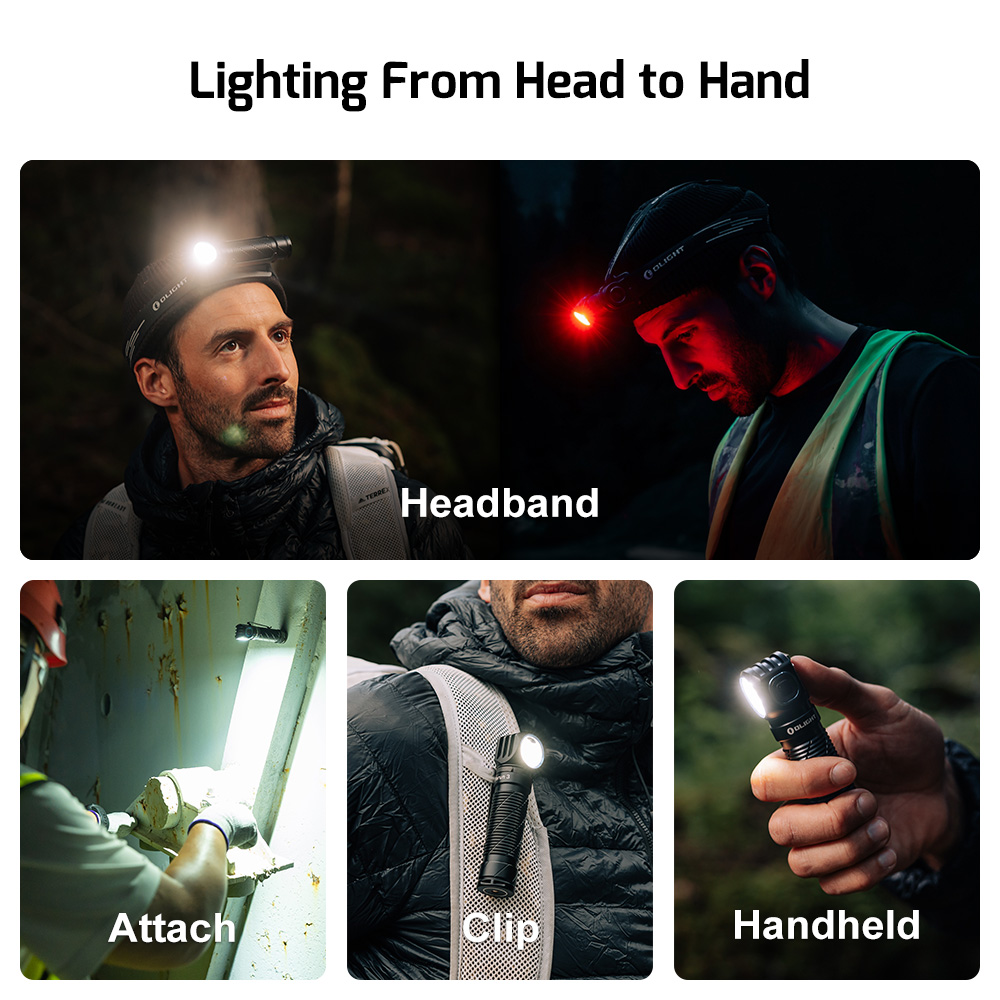
The official Black Perun 3 gallery shows its headband and handheld configurations. Keep the light with the adult.
An adult can use a handheld beam for a close task once the pet is secure and the person is standing still. The same light in its own headband serves a different job when the adult needs both hands. Choose the arrangement at the safer moment when you have the room to do it. Keep charging equipment dry and give the light a fixed place in the bag so it can be found as the surroundings change.
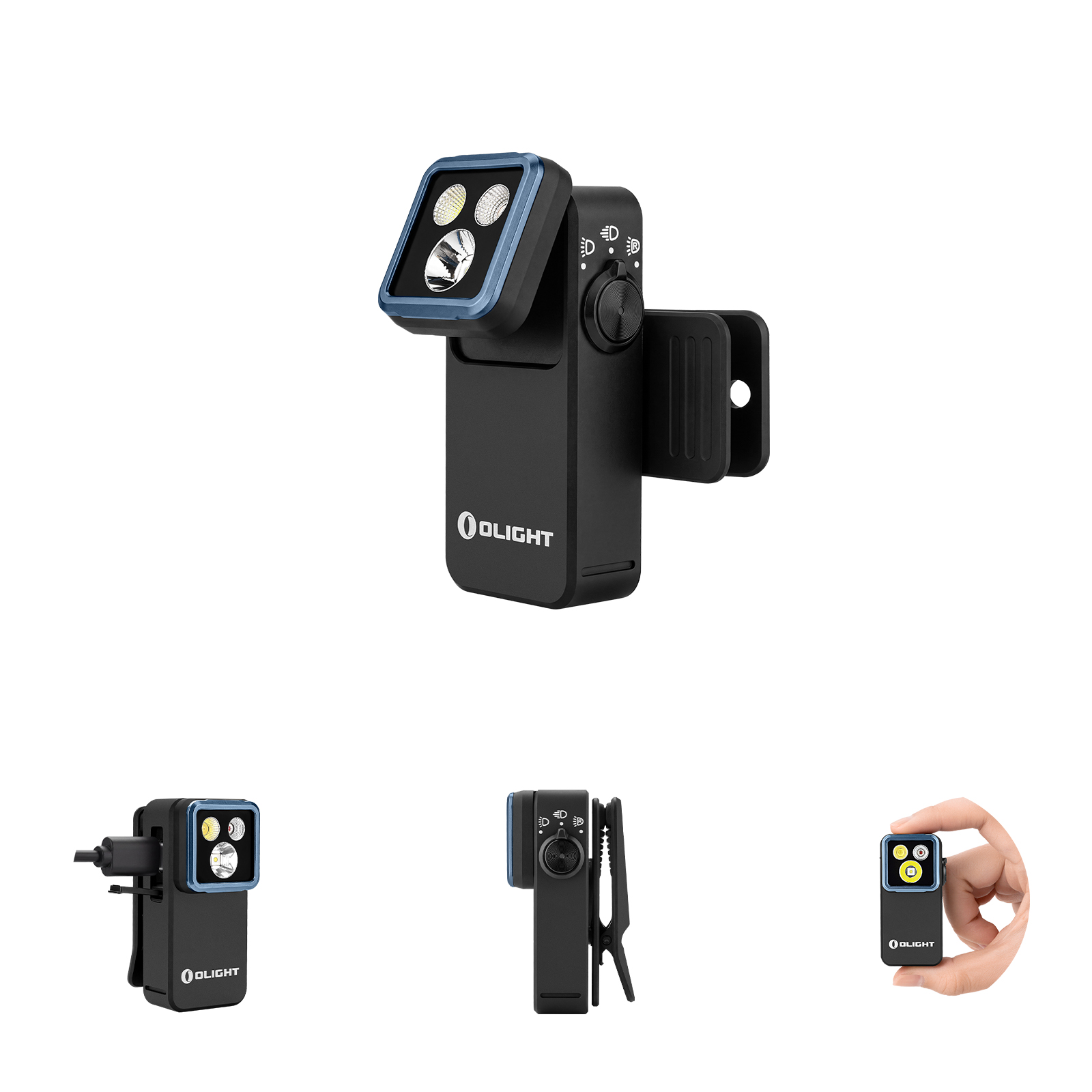
Use the charging methods and conditions the manufacturer lists for the model. The Oclip 2 Pro instructions specify a charging range of 32°F to 113°F, or 0°C to 45°C. They also say to keep the light out of environments such as a car that could exceed 140°F, or 60°C. Keep the charging connection indoors and dry. Let a hot light cool before putting it near fabric. No one should have to find a safe place to charge in the middle of evacuation.
Make a fallback for a light that will not turn on. A person at a table may be able to use the room light or move to a staff-approved area with better lighting. If you need to move through a dark place, wait for help or use only a verified safe alternative. Keep the light and the pet’s basic equipment separate so a charger does not end up in the same pouch as a used bowl or damp leash.
Prepare for a separation while the communications work
Check the microchip registration and the number on the tag before storm season. The best contact is one you can still answer if you leave your regular address. Retain a recent photo with a clear view of the animal. If you already have a photo with the owner and pet together, keep it with the records as Ready.gov suggests. Print useful numbers and keep them with the kit.
Should separation happen, contact the people who manage the location, local animal control, or the relevant shelter. Give them the location, time, and a description that helps them recognize the animal. Ask where to report new information. Keep a light for reading paperwork and seeing known safe footing. Follow local instructions and avoid entering damaged property or crossing unsafe areas to search.
A separate plan helps if the trusted contact is the one who reaches the animal. Make the address and authorized destination clear in advance. Tell them where to find the carrier or leash and the paperwork. Have a way to tell other household members which animal has been picked up and where it is going. A labeled bag can be the difference between bringing the normal supplies and leaving them behind when two people respond.
Keep a short update note near the kit. If a phone number, carrier location, or destination changes, adjust the copy in the bag as well as the digital version. Check the contents before the next storm season. An adult who can see the door, read the record, and secure the pet is ready for the work this plan actually asks them to do.
Frequently Asked Questions
Changelog
- November 19, 2026. Checked the CDC, Ready.gov, National Weather Service, and ASPCA preparation sources, exact U.S. product pages and instructions, and three official original product photos.