


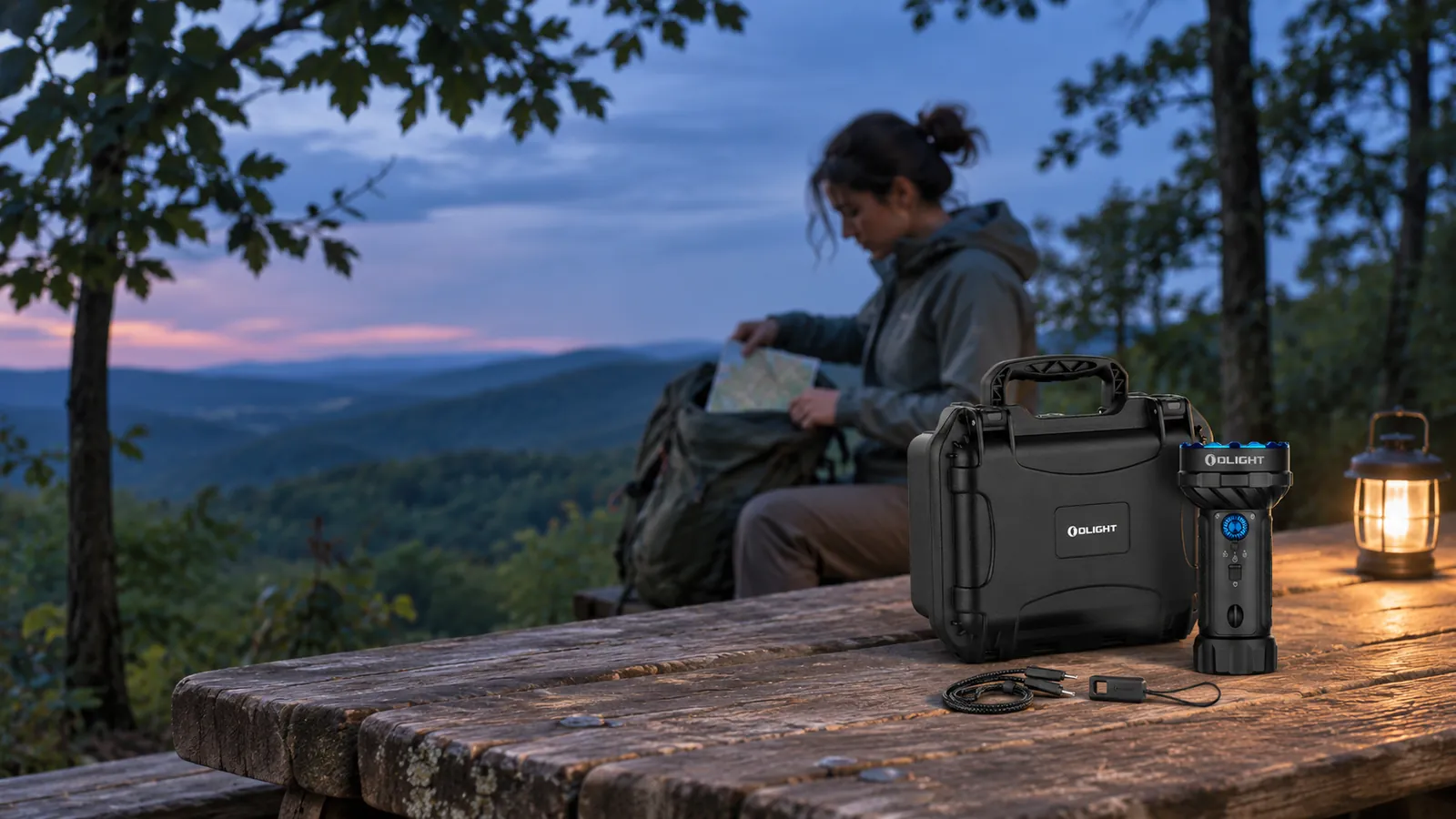
TL;DR: Choose a long distance flashlight by the detail needed, peak intensity, working mode, and carrying plan. Marauder Mini 2 offers a documented spot/flood choice; Warrior 3S, Seeker Ultra, and Baton 4 Pro show smaller-form alternatives. Compare external dimensions separately from optical aperture or reflector depth, and keep battery weight and power equipment in view.
📋 Table of Contents
- 1. Compare the published design before choosing the biggest number
- 2. Lumens, candela, and distance answer different questions
- 3. Head size is useful information, not a measurement of the optics
- 4. Reflector depth belongs to a specific optical design
- 5. Warrior 3S: a cylindrical option with documented intensity
- 6. Marauder Mini 2: separate the spot role from the flood maximum
- 7. Seeker Ultra: compare wider-area tasks with directional reach
- 8. Baton 4 Pro: a compact baseline for the carrying decision
- 9. Turn the comparison into three ordinary outdoor decisions
- 10. Decide whether the larger head solves the remaining problem
- 11. Read working output and duration as one entry
- 12. Weight, grip, and access are part of the optical trade-off
- 13. Use the beam only where the task and location permit
- 14. What flashlight has the longest range?
- 15. What flashlight shines the farthest?
- 16. Is a 200,000 lumen flashlight legal?
- 17. Frequently Asked Questions
- 18. Choose the design that fits the complete activity
Compare the published design before choosing the biggest number
| Exact example | Published external diameter and source label | Published weight, battery included | Maximum intensity | Published beam distance |
|---|---|---|---|---|
| Standard black Warrior 3S | 29.5 mm, manual D dimension | 176 g | 23,000 cd | 300 m |
| Black Marauder Mini 2 | 66 mm, head diameter | 465 g | 140,000 cd | 750 m |
| Olive green Seeker Ultra | 35 mm, manual D dimension | 220 g | 17,600 cd | 265 m |
| Standard black Baton 4 Pro | 23 mm, manual D dimension | 114 g | 10,000 cd | 200 m |
Start with what the outdoor task actually requires. Finding the outline of an outbuilding, inspecting something near a gate, and seeing the ground while returning to a campsite are different questions. A distant view can matter without making every part of the evening a long-range task. Keep the nearby work and the return route in the lighting plan as well.
The table uses manufacturer-published figures for named configurations. Its diameter labels matter: an external dimension is not the clear optical opening, and neither establishes internal reflector depth. The included-battery weights also describe the lights, not every case, holster, cable, or power source that might travel with them.
Use the figures to decide what deserves closer investigation. A larger body may be acceptable in a bag but awkward in a particular pocket. A higher intensity may be relevant to a distant view, while another task benefits from a wider illuminated area. The useful choice comes from those requirements together, rather than treating size as either an automatic advantage or an automatic fault.
Lumens, candela, and distance answer different questions
Lumens describe light output; candela describes luminous intensity in a direction. They should not be treated as interchangeable brightness scores. The National Institute of Standards and Technology's explanation of the candela and the inverse-square relationship connects intensity, illuminance, and distance. That relationship helps explain why a distance claim needs more than a lumen figure.
For a fixed illuminance threshold, distance varies with the square root of intensity. In the familiar quarter-lux beam-distance calculation, distance in meters equals the square root of peak candela divided by 0.25. As illustrative arithmetic, ten thousand candela gives two hundred meters at that threshold; forty thousand gives four hundred. These are calculated reference distances, not promises of useful detail on every surface.
Olight's candela, lumens, and lux guide explains the unit distinctions and the beam-distance reference in more detail. When reading a product page, keep its intensity and distance information attached to the named model and applicable mode. A figure from a different setting or version cannot complete an otherwise incomplete comparison.
Consider the published examples in the opening table. Seeker Ultra lists a higher maximum lumen output than Warrior 3S, but Warrior 3S lists the higher maximum intensity and longer beam distance. Those statements can coexist because total output and directional intensity describe different properties. Choose the property relevant to the task instead of expecting one number to summarize both.
Head size is useful information, not a measurement of the optics
The head has to accommodate an optical system and the surrounding structure. Its outside dimensions therefore matter to the physical product, but they do not reveal every dimension inside it. A bezel, protective material, multiple emitters, or a different optical arrangement can occupy space that should not be counted as a single unobstructed opening.
A product photograph can help identify the general shape and the structure visible at the front. It cannot provide a reliable internal depth measurement from perspective alone. If a particular optical dimension is important, look for a manufacturer drawing or an explicit specification. Keep an unstated dimension separate from the information the documentation actually supplies.
This distinction is particularly useful when comparing a broad-headed model with a narrower cylindrical one. Their outside sizes can tell you what needs to fit in a pocket or storage space. Their published intensity and beam-distance entries tell you something else about lighting performance. Do not use one of those categories to silently replace the other.
For carrying, the widest part of the light can matter even when the grip feels modest. Check the opening through which the head must pass and whether the chosen storage arrangement remains accessible. A body diameter that fits comfortably in the hand does not establish that the entire product will pass through a narrow pouch opening.
Reflector depth belongs to a specific optical design
A reflector and a total internal reflection optic are different ways of managing light. The product information for these examples identifies TIR optics for the cylindrical models and a converging-lens/TIR arrangement for Marauder Mini 2. It would be misleading to describe every visible front element as the same kind of reflector cup.
The mirror ray diagrams in OpenStax show why curvature and source position matter together. In a simplified concave-mirror model, rays traveling through the focal point reflect parallel to the optical axis. This is a useful way to understand directed light: the geometry and the location of the source work as a system. A depth measurement by itself does not describe that system, and a real flashlight should not be assigned an idealized beam from its exterior shape.
OpenStax's explanation of total internal reflection describes light reflecting back inside a material when the refractive-index and angle conditions are met. This helps explain why a transparent optical element can manage light without looking like a conventional shiny reflector cup. It does not establish the efficiency, beam shape, or internal dimensions of a particular flashlight; those remain product-specific questions.
Treat reflector depth as a model-specific design detail. An outside housing measurement does not identify the reflecting surface or establish its depth. A longer head also contains structure and other components. If the manufacturer does not state an internal dimension, compare the documented optical type and performance rather than estimating a cup from the silhouette.
The light source and its operating conditions belong to the design as well. The emitting area, optical arrangement, and electrical operation are not interchangeable details that can be reconstructed from a maximum lumen number. A buyer should not have to guess an emitter's dimensions or assume that two similar-looking lights use the same source.
For a practical purchase, keep the investigation focused. Establish the optical type when documented, the available beam choices, the relevant intensity, and the physical arrangement that must be carried. These are actionable pieces of information even when a product page does not publish the internal dimensions needed for a detailed optical-engineering comparison.
Warrior 3S: a cylindrical option with documented intensity
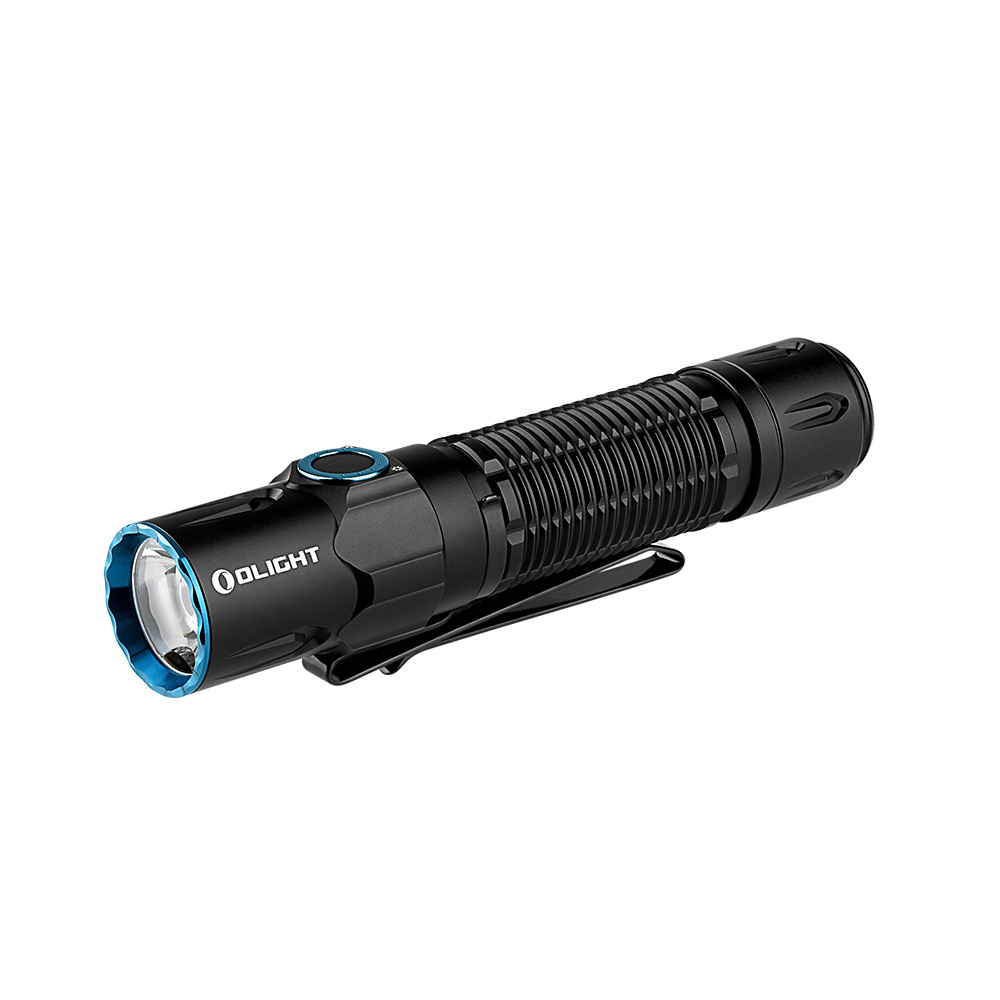
The useful question is how the light will move between storage and an ordinary inspection task. Check where it fits, how the intended user reaches the control, and where it returns afterward. A known storage location can matter more to a brief evening check than a small difference in a specification that does not change the task.
The published data also provides a useful comparison with a higher-output model. More lumens elsewhere do not erase this model's intensity figure. Read both entries for their intended purposes, then consider whether the light's documented operating levels and power arrangement match the work that must continue after the initial distant look.
Marauder Mini 2: separate the spot role from the flood maximum
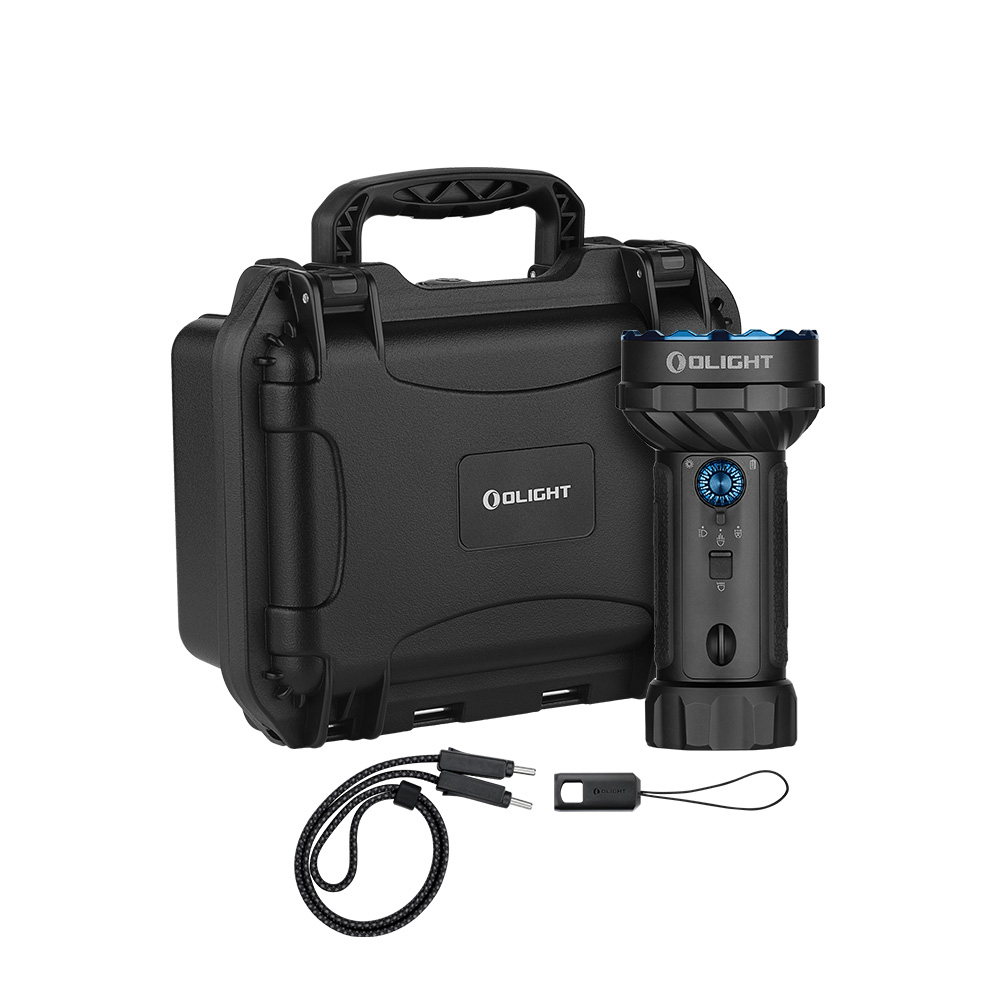
The highest flood output and the farthest published reach should not be combined into a single operating claim. The manual lists ten thousand lumens for the highest flood setting, while the highest spotlight setting begins at thirteen hundred fifty lumens. Read the applicable table for the actual mode rather than presenting the two maxima as one simultaneous result.
The larger head creates a tangible storage question. Will the light live in its protective case, another suitable compartment, or a documented carrying arrangement? How much space remains for the other equipment? The published light weight excludes the rest of that trip-specific collection, so allow for what will actually be packed.
Charging deserves the same precision. The manual identifies a magnetic charging cable as an optional accessory. A supported charging method does not mean the matching accessory is included in every package. Check the actual contents and available power source before relying on a particular connection away from home.
Seeker Ultra: compare wider-area tasks with directional reach
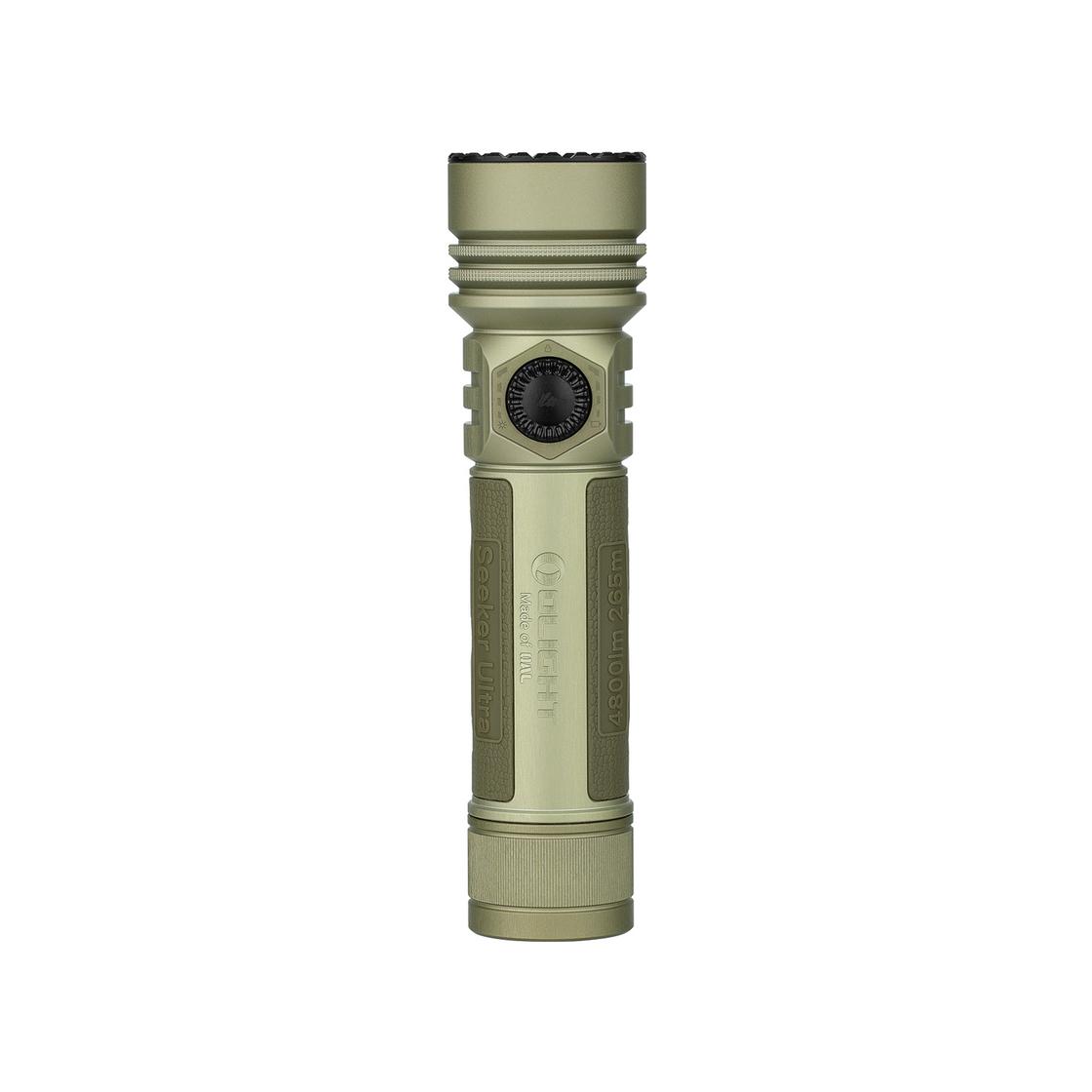
Think about what needs to be visible around the main object. A nearby work area, equipment beside a gate, or a campsite task may involve more than the most distant point in view. That does not make a particular beam automatically suitable; it gives the buyer a specific reason to consider the documented lighting arrangement and working modes.
The operating table is more useful than a maximum-output headline for an extended task. The manual's Turbo entry begins at forty-eight hundred lumens for two and a half minutes, then lists lower stages. Its maximum figure should not be attached to the combined duration. Choose a working level and read the sequence belonging to it.
Baton 4 Pro: a compact baseline for the carrying decision
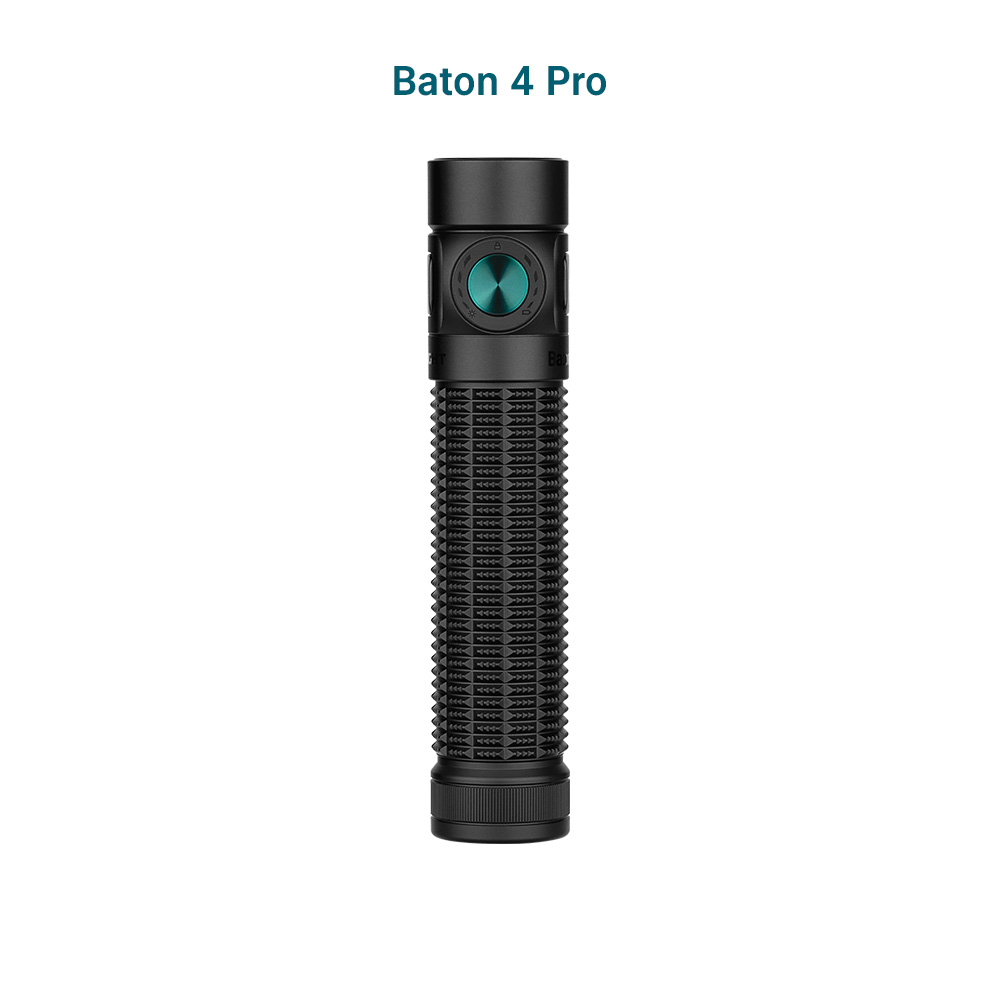
Keep this configuration separate from Baton Ultra entries on a shared page or family manual. Similar names do not make the output, intensity, dimensions, or mass interchangeable. Read the model heading before transferring a figure into the comparison. The same care applies to illustrations or promotional graphics that may describe another version.
A small edc flashlight can be attractive because of where it fits and how often it can remain available. That advantage has to be weighed against the view the task actually requires. Compactness does not establish suitability for every distant inspection, just as a longer published distance does not establish convenient pocket carrying.
Turn the comparison into three ordinary outdoor decisions
For a brief check near an outbuilding, identify the information needed before selecting a mode or a model. Seeing that a door is open is different from reading a small label on it. Keep the viewing position and the surrounding area in mind. A published distance cannot tell you in advance that every detail on that building will be readable.
For a walk that includes a few distant looks, account for the time spent on nearer tasks. The person still needs to see equipment, footing, and the route back. Consider whether the light's available modes and controls make those changes understandable, and whether another appropriate light already covers part of the trip.
For a planned stay at a campsite or rural property, start with the storage arrangement. A larger light can have a defined place in a suitable compartment and a separate power plan. If it must instead share a small pocket with everyday items, the physical decision changes. Choose the arrangement that can be maintained throughout the activity, not only while comparing product photographs.
Before purchasing, describe the unresolved need in one sentence. It might be a documented spot mode, a more suitable carrying format, or a working level that fits the planned duration. If the sentence only says more brightness, return to the task. The unit distinctions and the physical dimensions should help make that requirement more specific.
Decide whether the larger head solves the remaining problem
The table gives one immediate check against choosing by diameter alone. The published thirty-five-millimeter dimension belongs to a model with a shorter stated distance than the model with the twenty-nine-and-a-half-millimeter dimension. The larger outside dimension has not produced a longer distance in that pair. Their different optical and light-source arrangements matter, so use the performance entries rather than making the diameter column into an informal reach scale.
Now consider the complete carrying decision. The largest example weighs a little more than four times the lightest example, based on their published battery-inclusive figures. That is a direct comparison of two unit specifications, not the mass of either person's complete pack. The larger unit may still address a documented spot/flood requirement. The smaller one may fit a more constrained carrying routine. Decide which capability is needed before accepting or rejecting the additional mass.
For an ordinary evening property check, write down what remains uncertain at the viewing position. Is the problem locating a large object, distinguishing an opening, or reading a small detail? If the task needs information the light cannot reasonably provide from that position, additional advertised range should not be treated as a guarantee. Revise the activity or choose an appropriate way to obtain the information without creating an unsafe approach or directing light toward other people.
For a walk, decide what happens when both hands are needed for another activity. A larger light in a protective case has to be retrieved and returned; a smaller carried light still needs a suitable place when it is not being held. Neither the head diameter nor the peak intensity answers that question. Plan the transitions using documented carrying arrangements and any other lighting equipment already assigned to the trip.
For a bag-based setup, check the whole storage sequence rather than only the available volume. The closure should remain usable, the light should be stored in the condition its instructions require, and the required equipment should be identifiable when unpacked. Keep the charging equipment separate from a claim about the light's weight. A model that fits the available space can still need a power arrangement different from the one already carried.
If a larger head adds a useful beam choice but the proposed storage cannot accommodate it, treat those as two separate findings. It may be appropriate to change the carrying arrangement, choose another documented product, or keep the existing light for its narrower role. A purchase is more useful when it resolves a specific task than when it merely improves the largest number in a comparison.
Read working output and duration as one entry
The working level matters because a brief maximum and an extended task are different demands. Look for the output sequence and the duration associated with each stage. A long-running lower mode should not be presented beside a maximum from another entry as though the combination describes one setting.
For example, the Baton 4 Pro manual lists its Turbo sequence as sixteen hundred lumens followed by six hundred, with two minutes and one hundred ninety-eight minutes respectively. That information describes a change, not two hundred minutes at the initial figure. The useful decision is whether the documented behavior fits the activity and the power plan.
Apply the same discipline when a light offers several beam selections. A spotlight duration, floodlight maximum, and combined-mode entry belong to different configurations of use. Start with the actual mode being considered and read across its row, then check the source's battery and test conditions. A larger table gives more information only when its columns remain correctly associated.
The rechargeable flashlight decision also includes how the equipment will be restored for the next outing. Identify the approved battery or charging arrangement, required accessories, and available power source. Do not substitute an apparently similar battery or assume that a charging connection supplies power by itself.
Weight, grip, and access are part of the optical trade-off
Include the entire carried arrangement when planning the trip. The light's battery-inclusive weight is a useful starting point, but a protective case, holster, cable, or spare equipment changes what actually travels. Keep a unit specification separate from that complete packing decision so that the comparison remains understandable.
Consider where the mass will be supported. A bag compartment, a suitable holster, and a clothing pocket distribute and expose equipment differently. Check the exact light and the documented carrying accessory instead of assuming that a similar-looking pouch fits. The widest part, length, closure, and access all matter to the routine.
Think about the transition from carrying to using. A light that fits when carefully packed may still take more steps to retrieve than the task allows. Conversely, equipment that stays accessible may occupy space needed for another item. These are practical choices about the person's actual clothing and kit, not a reason to assign everyone the same comfort ranking.
High-output products also have handling conditions. Follow the model's warnings about hot surfaces, the light outlet, and storage. Do not cover the outlet with fabric or put a hot light into a bag. Finish the task, switch off as needed, and let the equipment return to an appropriate condition before storing it according to the instructions.
Use the beam only where the task and location permit
Keep the light directed at the legitimate outdoor task. Do not shine it into eyes, toward drivers, or toward aircraft. A concentrated beam should not be used as a game, signal experiment, or way to attract attention from people who need their vision for another activity.
Check the destination's rules as well as the product instructions. For example, the National Park Service's Grand Teton regulations prohibit viewing wildlife with artificial light within that park and the John D. Rockefeller, Jr. Memorial Parkway. That is a location-specific restriction, not a rule based on the lumen number on a box.
An outdoor lighting plan should respect other visitors, neighboring property, and the conditions at the actual location. A light's maximum range does not establish permission to illuminate anything within that distance. If the planned use cannot be kept within the relevant rules and ordinary safe handling, change the activity rather than treating additional output as the solution.
What flashlight has the longest range?
Define the comparison set and the operating mode first. Among the four named examples here, Marauder Mini 2 has the longest published beam-distance figure at 750 meters, associated with its spot-oriented capability. That is a manufacturer specification, not a guarantee that every distant detail will be readable. Compare the appropriate mode, carrying arrangement, and working duration before choosing.
What flashlight shines the farthest?
For a useful comparison, examine directional intensity and the published distance under the stated conditions, rather than selecting by lumens alone. The four documented examples show different combinations of output, intensity, dimensions, and weight. Choose the reach needed for the actual object-based task while keeping nearby lighting, power equipment, and responsible use in the plan.
Is a 200,000 lumen flashlight legal?
A seller's lumen claim alone does not establish legality or permission for a particular activity. Rules can address where and how artificial light is used, as the location-specific park example above illustrates. Check the responsible authority's current rules for the intended destination and use. Do not treat an advertised output number as a substitute for those requirements or for the product's handling instructions.
Frequently Asked Questions
Choose the design that fits the complete activity
A long distance flashlight is useful when its documented beam, working mode, and physical arrangement fit the task. Keep outside dimensions distinct from internal optics, read intensity alongside output, and preserve each mode's conditions. Then account for carrying, power equipment, and the rules at the actual location. Those decisions make a specification comparison useful beyond the largest number.
Changelog
- November 19, 2026: Product information and buying guidance reviewed.




