TL;DR:A UV flashlight is a versatile inspection tool that helps detect pet stains, authenticate currency, identify fluorescent minerals, locate scorpions, and cure UV resin. This guide explains how UV flashlights work, compares 365nm and 395nm wavelengths, outlines essential buying factors, and shares important safety practices to help you choose the best UV flashlight for home, outdoor, and professional
Introduction
Top 5 Real-World Applications of UV Flashlights
Buyer’s Guide: How to Choose the Right UV Flashlight
Safety Measures & Best Practices
Conclusion
Frequently Asked Questions (FAQ)
Introduction
What Is a UV Flashlight and How Does It Work?
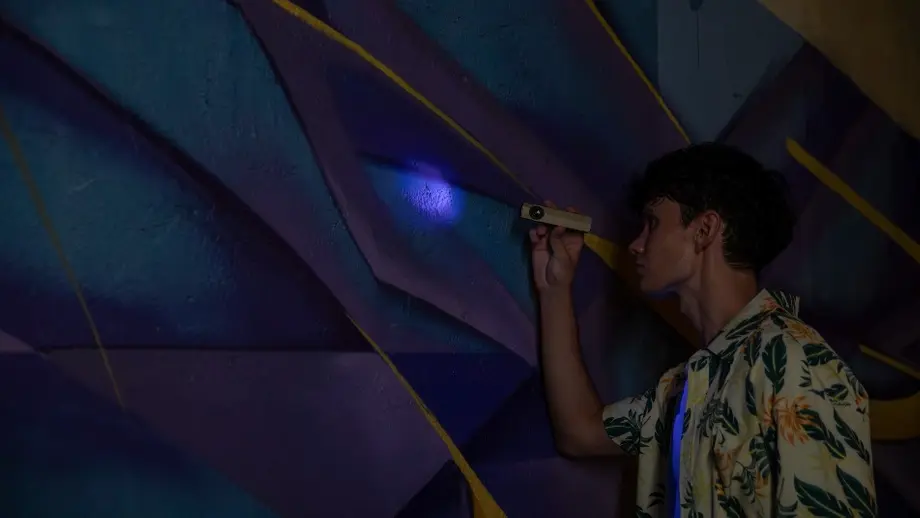
An ultraviolet (UV) flashlight, commonly referred to as a blacklight flashlight, is a specialized lighting tool that emits electromagnetic radiation in the ultraviolet spectrum. Unlike standard LED flashlights that produce visible white light, a UV flashlight projects light with wavelengths shorter than those visible to the human eye, typically ranging from 315 to 400 nanometers (nm) within the UVA band.
The tool works by projecting ultraviolet energy onto various materials. When this invisible energy strikes certain substances, it excites the atoms within them. These atoms absorb the UV energy and immediately release it back as longer, visible wavelengths of light. This physical phenomenon is known as fluorescence. It makes certain compounds glow brightly in the dark, revealing details that are completely invisible under normal lighting conditions.
According to the U.S. National Institute of Standards and Technology (NIST), 365 nm has become one of the most commonly standardized UVA wavelengths for fluorescence measurement because it provides reliable excitation for fluorescent materials while minimizing measurement inconsistencies (Reference:NIST-Standardization of Broadband UV Measurements).
The Hidden World: Why You Need a UV Flashlight at Home
At home, many organic compounds, chemical residues, and micro-organisms escape normal visual inspection. Clean countertops may host invisible grease, and dry carpets can harbor old pet waste. Utilizing a blacklight flashlight exposes these hidden elements instantly.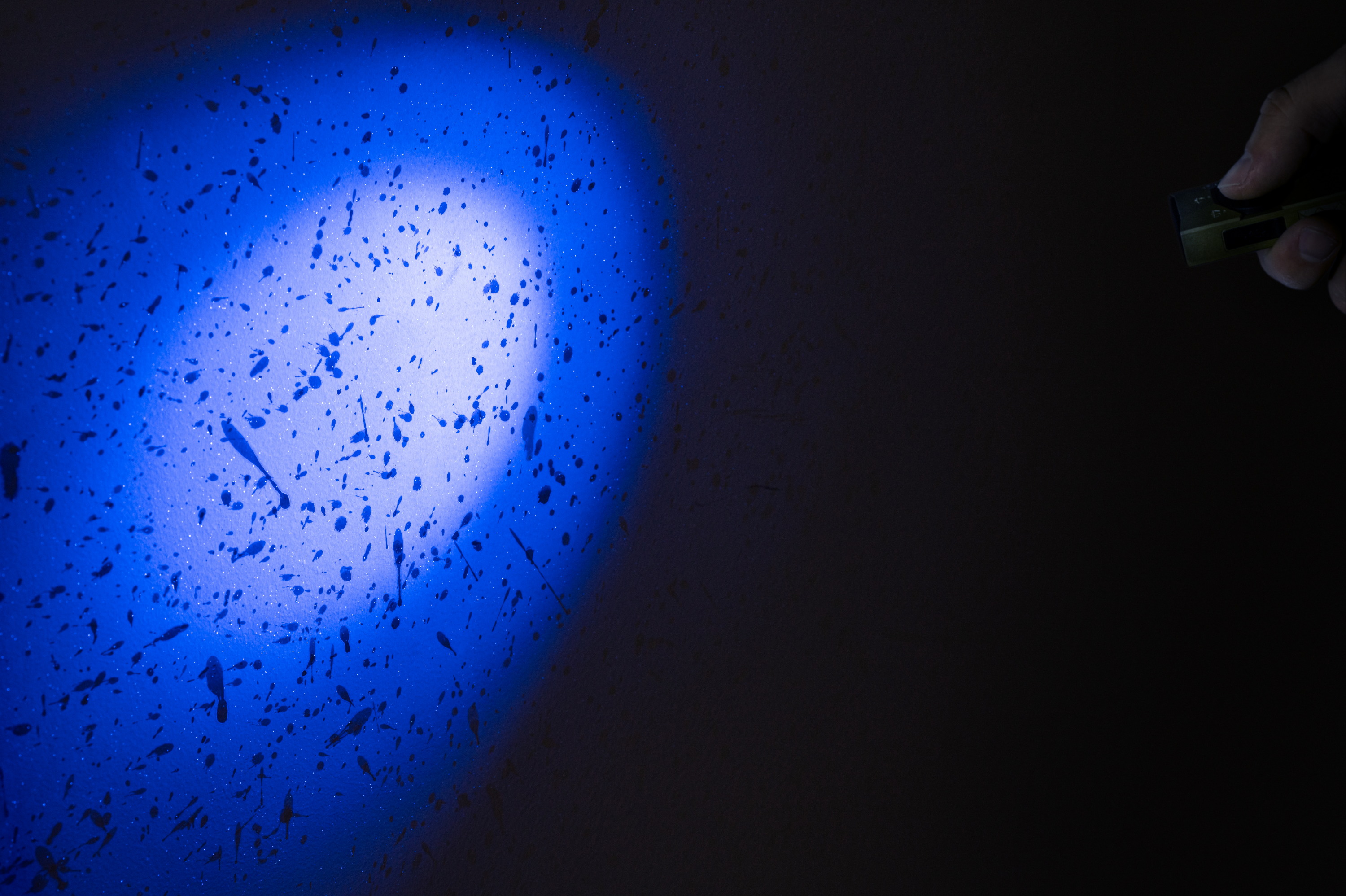
A high-performance UV flashlight serves as an essential diagnostic tool for homeowners. It assists in verifying home cleanliness, checking for plumbing or HVAC leaks, locating pet accidents, and inspecting security features on legal documents. By making the invisible visible, it removes the guesswork from sanitation, maintenance, and home security.
Top 5 Real-World Applications of UV Flashlights
There are numerous practical UV flashlight uses that extend far beyond simple novelty. Below are the five most common and valuable real-world applications.
1. Pet Stain Detection: Spotting Hidden Dog and Cat Urine Stains
Carpet stains from pet waste dry quickly and blend into fibers, but they leave behind salts, proteins, and chemical crystals. Understanding how to find pet stains with UV light relies on targeting these crystalline residues. When exposed to ultraviolet light, the dried salts and proteins in animal waste fluoresce naturally.
A high-power UV flashlight for dog urine detection highlights dried stains as bright, pale-yellow or greenish patches. Identifying the exact location of these residues allows you to apply enzymatic cleaners precisely to eliminate the source of bad odors, rather than merely masking the scent.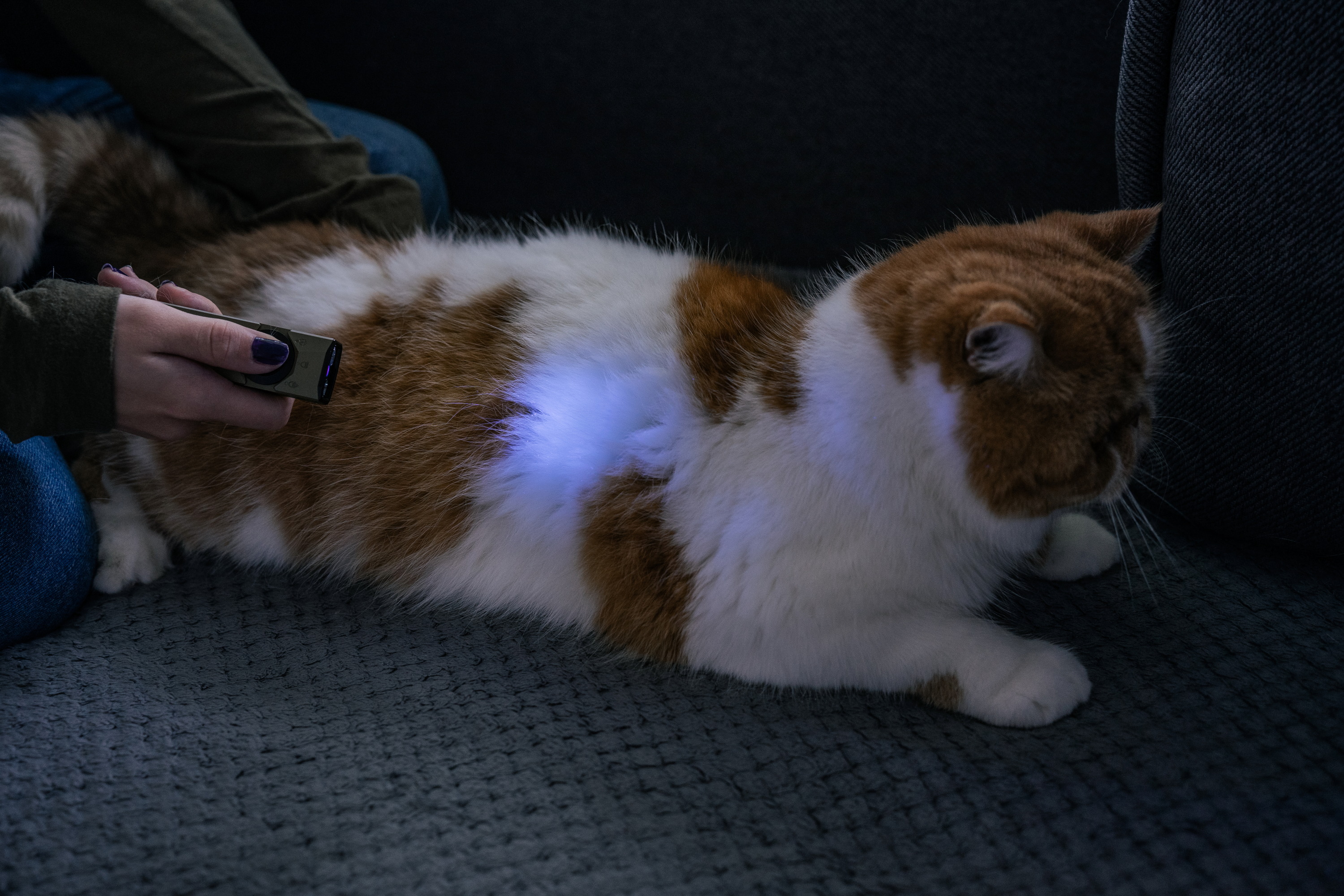
2. Mineral Fluorescence: Identifying Glowing Rocks and Gemstones
Geologists, outdoor explorers, and rockhounds rely on UV flashlights to locate and identify specific minerals. Various minerals contain activators—impurities like manganese, uranium, or chromium—that cause them to fluoresce under ultraviolet light. Under a UV beam, dull-looking field stones can glow in vibrant shades of green, red, yellow, and blue. This makes a UV light an indispensable tool for nighttime mineral hunting and gemstone authentication.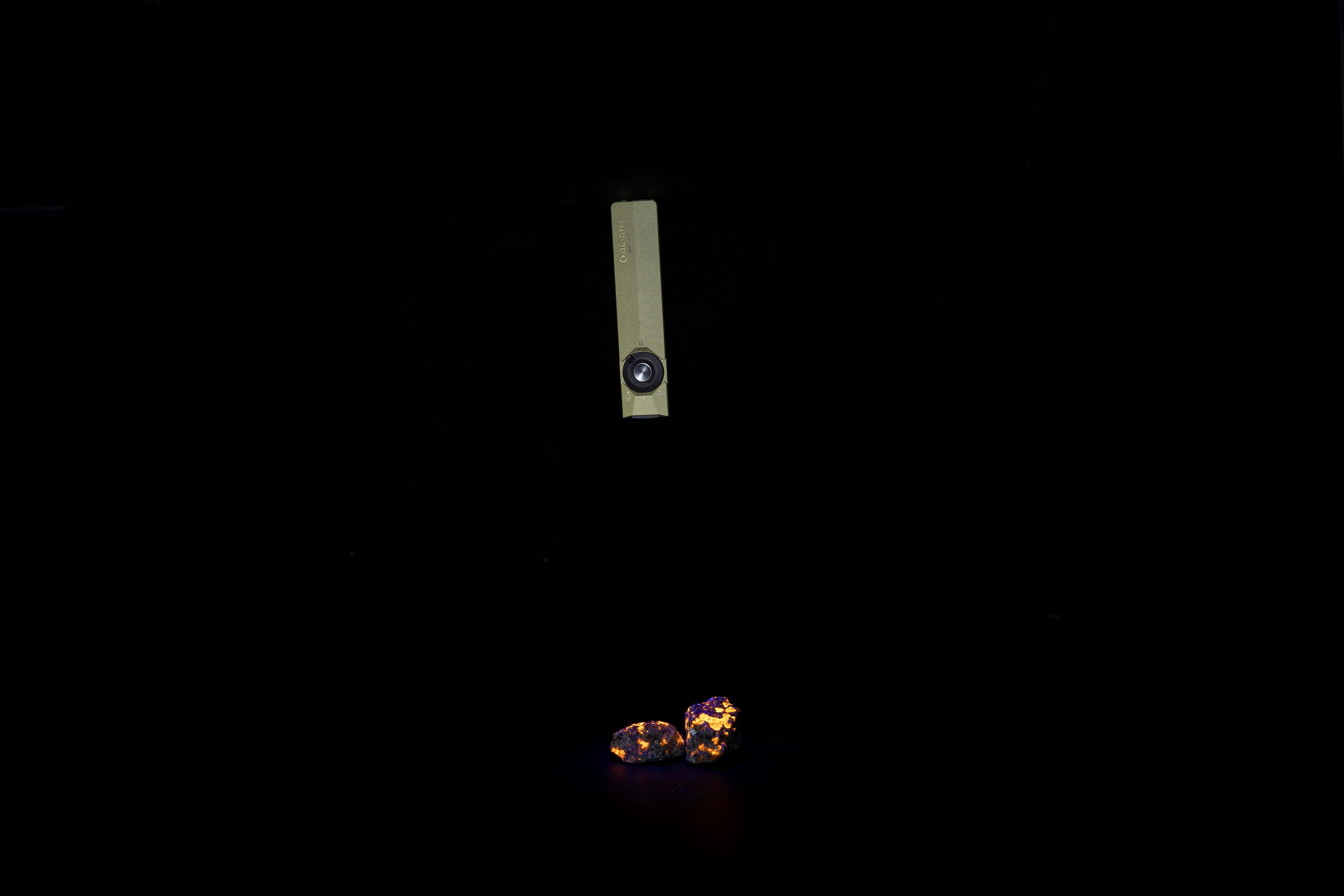
3. Counterfeit & Currency Check: Verifying Cash, Passports, and IDs
Governments integrate UV-reactive security elements into banknotes, driver's licenses, passports, and credit cards to combat counterfeiting. When illuminated by a high-quality UV light, official paper currencies reveal embedded, glowing security threads. Passports and identification cards display hidden holographic patterns or text. If these security elements do not glow under the beam, the document or banknote is likely counterfeit.
Many modern banknotes incorporate ultraviolet-reactive security threads, inks, and embedded features specifically designed to help verify authenticity under UV light(Reference:Federal Reserve).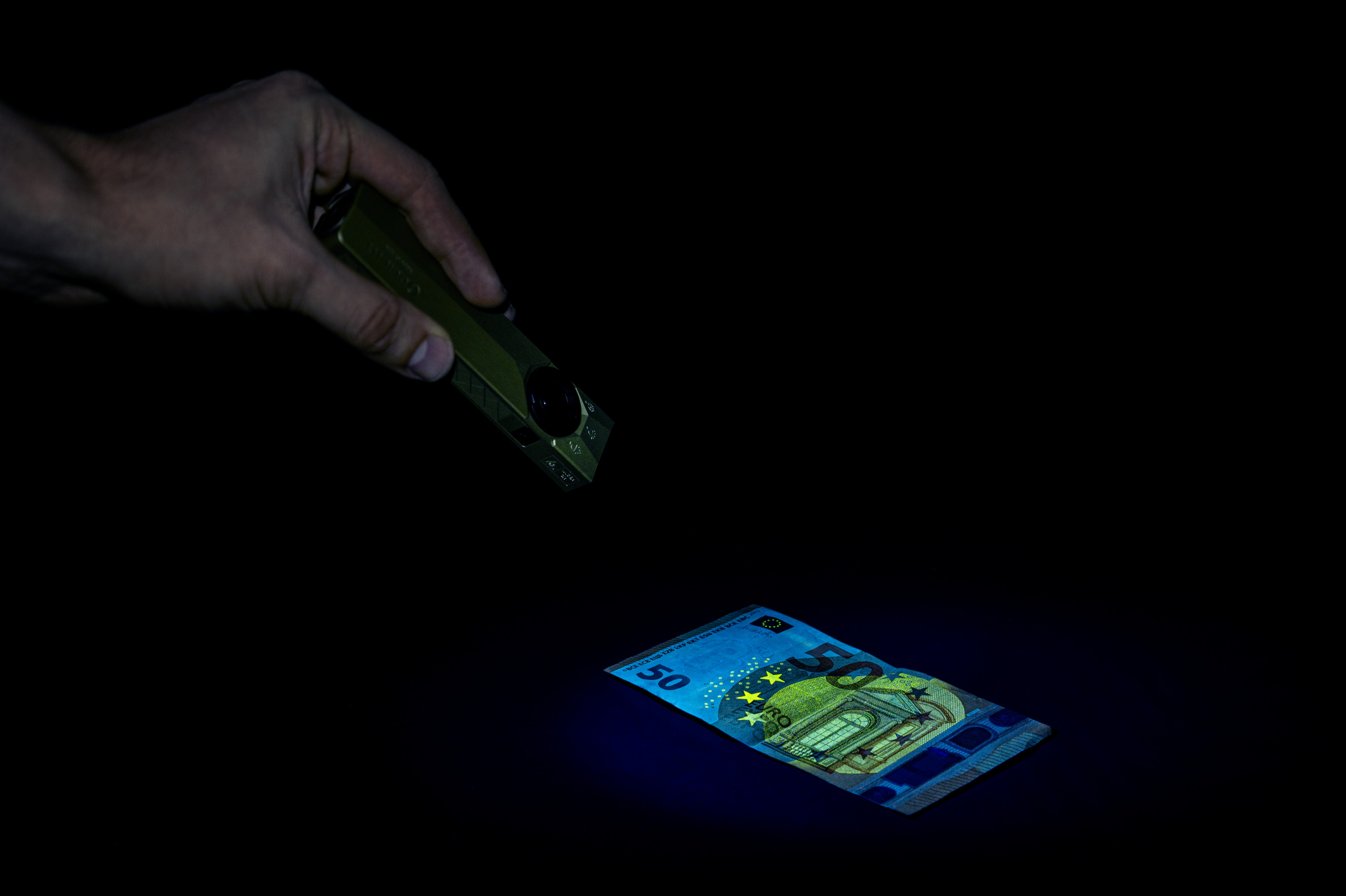
4. Scorpion Hunting: Why Scorpions Glow Neon Green Under UV Light
For hikers, campers, and homeowners in arid environments, a UV flashlight is an essential safety tool. Scorpions possess a chemical called beta-carboline in their tough outer exoskeleton (cuticle). This chemical reacts intensely to ultraviolet rays, causing the scorpion to glow with a bright, neon-green color. A quick sweep of your surroundings with a UV beam lets you spot these pests from several yards away, keeping your campsite or home safe.
5. Resin Curing: Accelerating DIY Crafts and Adhesives
UV-curable resins, glues, and coatings contain photoinitiators that harden instantly when exposed to concentrated ultraviolet wavelengths. Hobbyists, repair technicians, and fly-fishermen use pocket-sized UV lights to dry adhesives, seal structural cracks, or cure clear coats on crafts in seconds. This eliminates long drying times and ensures a clean, rock-hard bond.
Buyer’s Guide: How to Choose the Right UV Flashlight
Choosing a high-performing UV flashlight requires looking past marketing claims to focus on verified technical specifications.
4 Key Factors to Look For: Wavelength, Power, Battery, and Durability
- Wavelength (nm): The peak wavelength determines what the light can detect. The 365nm vs 395nm UV flashlight difference is critical. A 365nm light generates less visible purple glare, delivering high contrast for pet stains, mineral searching, and document verification. A 395nm light produces more visible purple light and is ideal for basic curing and scorpion hunting.
- Optical Power Output: Look for optical power measured in milliwatts (mW) rather than electrical consumption. Higher optical power means the beam penetrates deeper into fibers, exciting faint fluorescent materials more effectively.
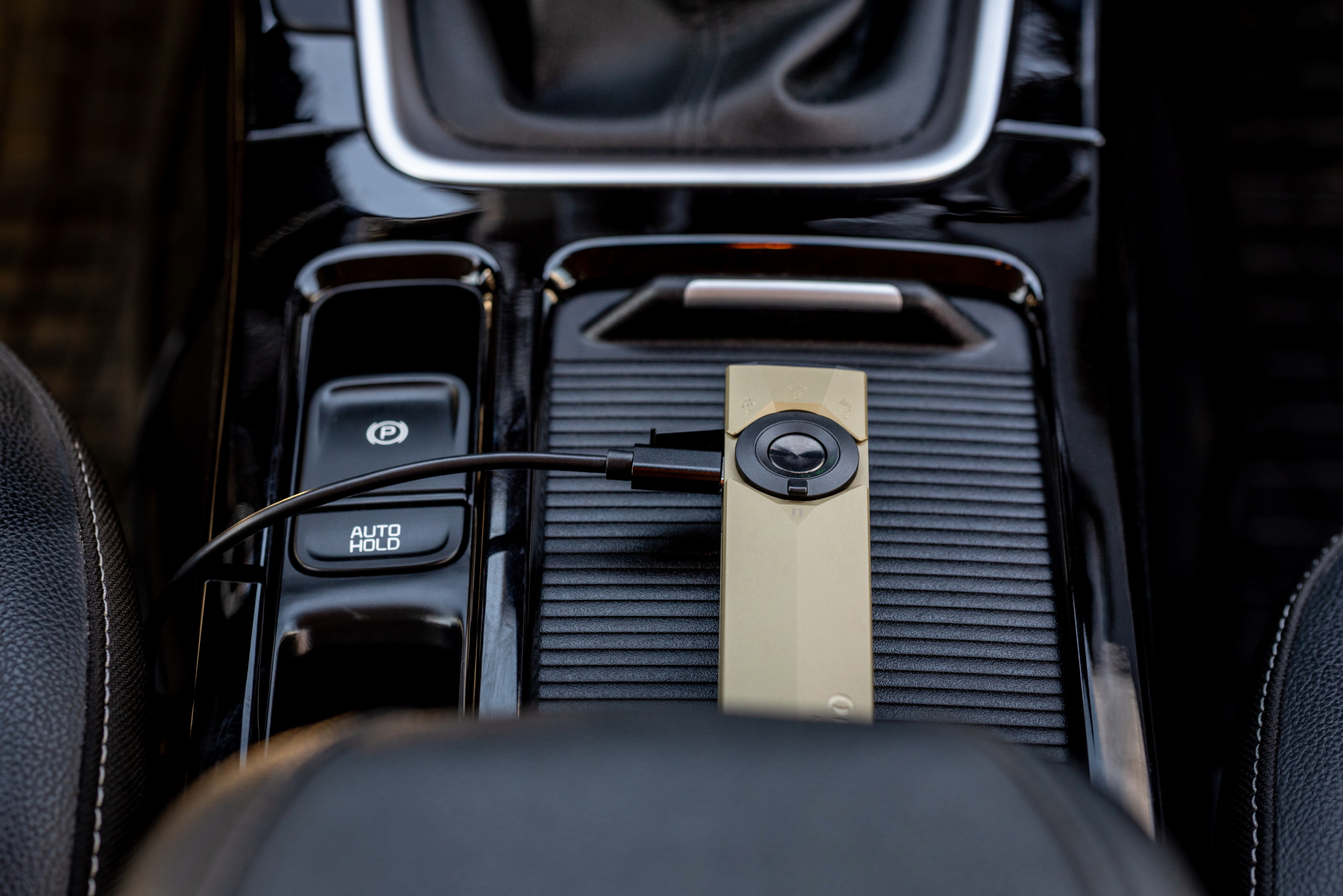
- Battery Power & Charging: High-drain UV LEDs require a stable, high-capacity power source. Built-in lithium-ion rechargeable batteries provide consistent power output and reduce operating costs compared to disposable alkaline batteries.
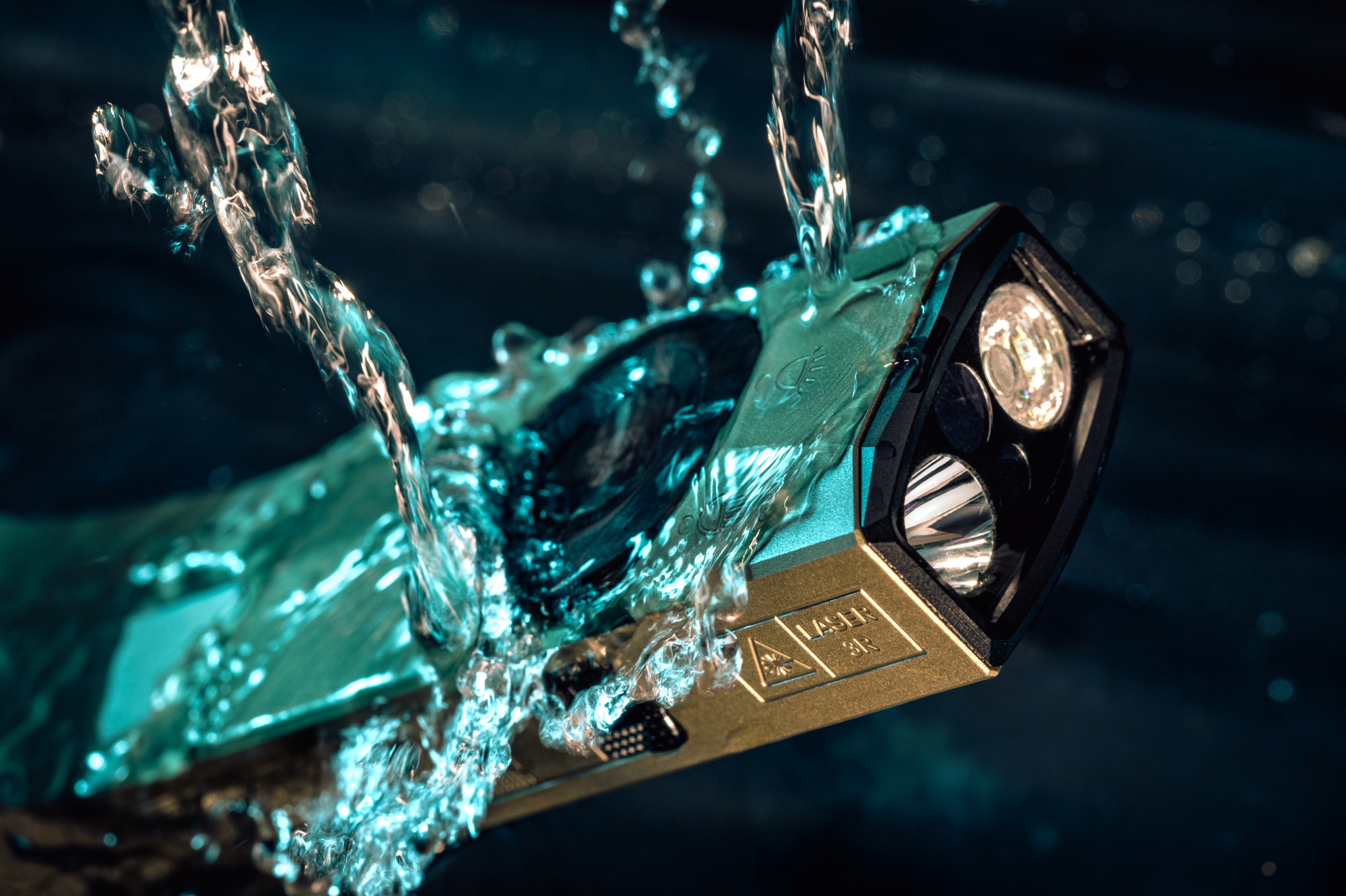
- Durability & Build Quality: Select an aluminum-bodied light with an IPX7 or IPX8 waterproof rating to ensure it survives outdoor drops, rain, and rugged field conditions.
Product Spotlight: Why the ArkPro UV Stands Out From the Competition
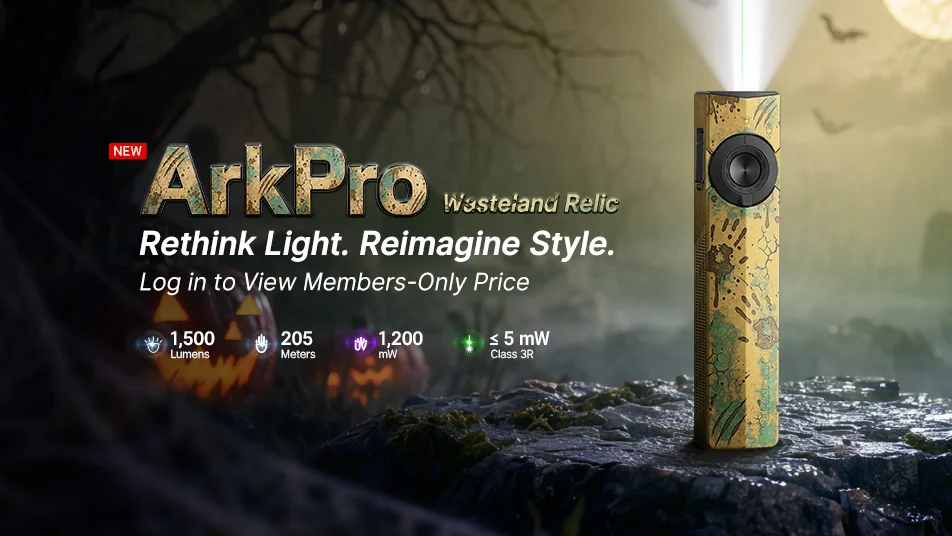
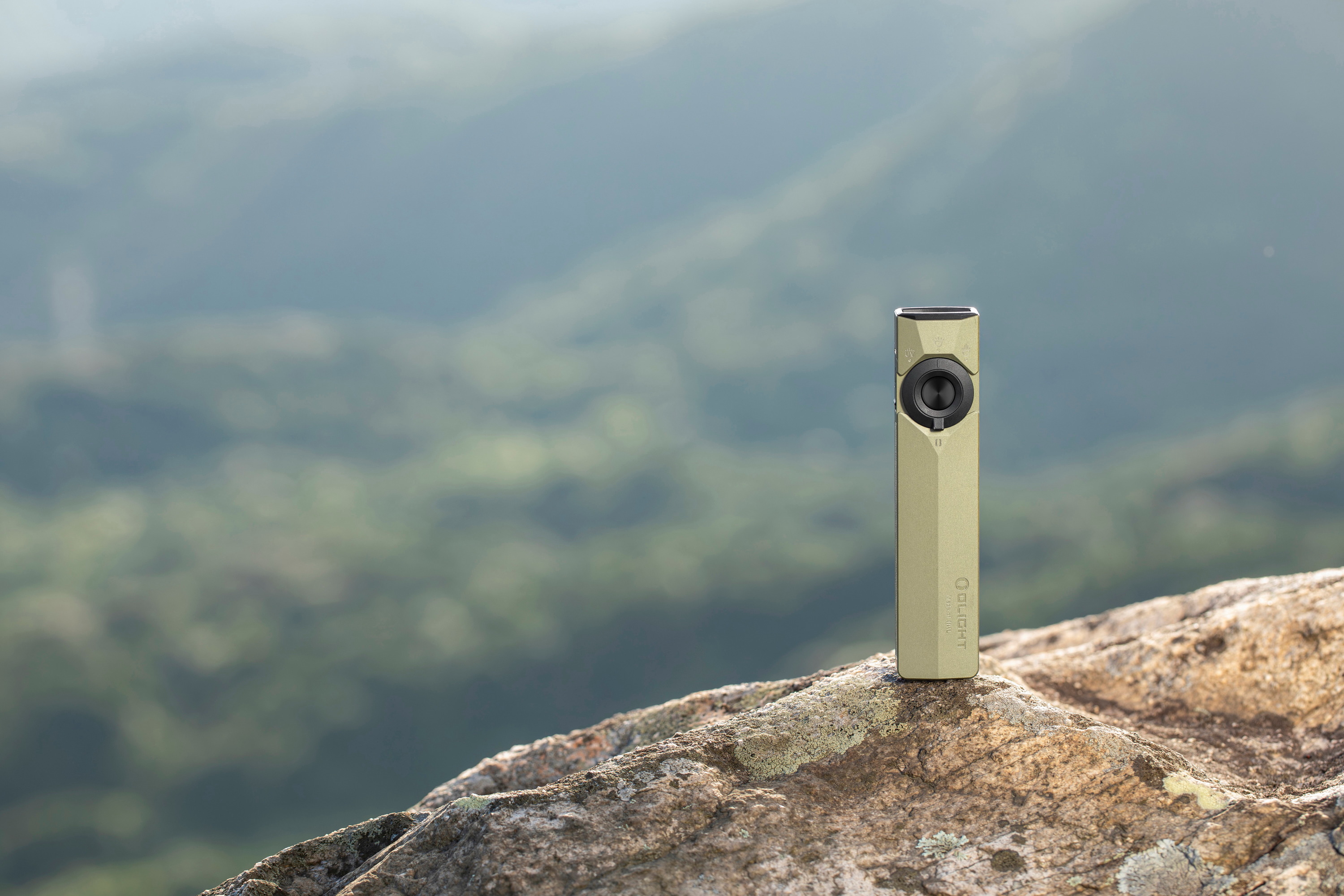
When looking for the best multi-purpose UV flashlight, the Arkpro Series Flat Edc Flashlight stands out as an exceptional choice. Rather than requiring you to carry a separate, single-purpose UV tool, the ArkPro series packs multiple light sources into a sleek, flat unibody design.
The lineup includes three models engineered for varying tactical, work, and recreational environments:
| Model Specification | ArkPro | ArkPro Lite | ArkPro Ultra |
|---|---|---|---|
| White Light Output | 1,500 Lm (Flood) / 800 Lm (Spot) | 1,200 Lm | 1,700 Lm (Flood) / 800 Lm (Spot) |
| UV Wavelength & Power | 365nm | 365nm (1,000 mW) | 365nm |
| Additional Light Sources | Green Laser (Class 3R) | Red Light | Green Laser (Class 3R) |
| Housing Material | Aluminum Alloy | Aluminum Alloy | O-Aluminum (1.73x harder than 6061) |
| Charging Options | USB-C & Magnetic Charging | USB-C & Magnetic Charging | USB-C & Magnetic Charging |
| Waterproof Rating | IPX7 | IPX7 | IPX7 |
The ArkPro lineup utilizes a true 365nm UV light source. This wavelength is highly effective for document checking and identifying organic stains because it minimizes visible purple glare. Whether you choose the standard ArkPro for its dual white beams, the ArkPro Lite for its night-vision-friendly red light, or the ultra-durable ArkPro Ultra with its scratch-resistant O-aluminum body, you get a premium tool that covers all your illumination needs.
ArkPro Series – Flat Unibody EDC Flashlight
Made of scratch-resistant exclusive O-aluminum, support USB-C & magnetic dual charging, built-in 2000mAh battery with IPX7 waterproof, portable flat EDC light for outdoor, UV detection and daily backup use.
View DetailsSafety Measures & Best Practices
Operating ultraviolet equipment requires a clear understanding of safety protocols to prevent accidental injury.
Are UV Flashlights Safe for Eyes and Skin?
So, are UV flashlights safe for eyes? The short answer is no, not without proper precautions. Because ultraviolet light is invisible, your eyes will not naturally blink or constrict when exposed to it. Direct exposure to UVA light can damage the cornea and retina over time, potentially leading to cataracts or photokeratitis.
While brief, indirect skin exposure to consumer-grade UVA lights (365nm–395nm) is generally harmless, prolonged exposure can cause skin irritation or accelerate skin aging.
The U.S. Food and Drug Administration (FDA) recommends avoiding direct exposure of the eyes and skin to ultraviolet radiation because cumulative UV exposure may increase the risk of eye and skin damage[Reference:FDA-Ultraviolet (UV) Radiation]
).
How to Handle Ultraviolet Light Safely
To ensure safe operation when using your UV light, always follow these four rules:
- Never Shine Light Directly at Faces: Avoid pointing the beam toward your eyes or at other people and pets.
- Wear UV-Blocking Eyewear: Use yellow-tinted safety glasses that are rated to block 99.9% of UVA radiation. These glasses protect your eyes and also enhance the contrast of fluorescing objects.
- Keep Out of Reach of Children: Treat a UV flashlight as a specialized tool, not a toy.
- Do Not Stare at Reflective Surfaces: Be cautious when shining the light on highly reflective surfaces like mirrors, polished metals, or white countertops, which can bounce the UV rays back toward your eyes.
Conclusion
Summary: The Ultimate Tool for the Unseen World
A high-quality UV flashlight is much more than a simple home accessory; it is a practical tool that helps you inspect, repair, and secure your environment. From identifying hidden dog and cat urine stains to verifying currency and exploring the outdoors, these lights make invisible details clear. When choosing a light, focusing on the 365nm wavelength ensures you get the highest contrast and detection performance possible.
Call to Action (CTA): Grab Your ArkPro UV Today
Stop guessing about the cleanliness of your home and gear up for your next adventure. Enjoy multi-beam versatility and high-power ultraviolet inspection in a single pocket-sized tool. Upgrade your daily carry setup with the Arkpro Series Flat EDC Flashlight today!
Frequently Asked Questions (FAQ)
What is the difference between 365nm and 395nm UV flashlights?
Why isn't my UV flashlight showing pet stains?
1. High Ambient Light: UV fluorescence is faint. You must dim or turn off room lights to see the glow clearly.
2. Wrong Wavelength: Using a 395nm light can flood the area with purple glare, masking the stain. A 365nm light is much more effective.
3. Chemical Interference: If the carpet has already been treated with certain detergents or oxygen-based cleaners, the fluorescing organic elements may have been neutralized or washed away.