- Why Your Car Needs a Dedicated Winter Kit
- Must-Have Item #1: The "Command Center" Light with Power Bank
- Must-Have Item #2: The "Search & Signal" Long-Range Torch
- Must-Have Item #3: Warmth, Food, & Tools
- Your Complete Winter Car Kit Checklist
- Frequently Asked Questions (FAQ)
- Conclusion: Drive Smarter and Safer This Winter
Winter driving can be breathtaking, with landscapes transformed by snow and ice. But this beauty comes with inherent risks. A sudden blizzard, a patch of black ice, or an unexpected mechanical failure can leave you stranded in freezing temperatures, miles from help. In these moments, what’s inside your car is just as important as the car itself. A standard roadside kit isn’t enough; winter demands a specialized arsenal of tools designed for survival. This essential guide will walk you through building the ultimate winter car emergency kit, focusing on the critical survival tools that can turn a potential disaster into a manageable inconvenience.
Why Your Car Needs a Dedicated Winter Kit
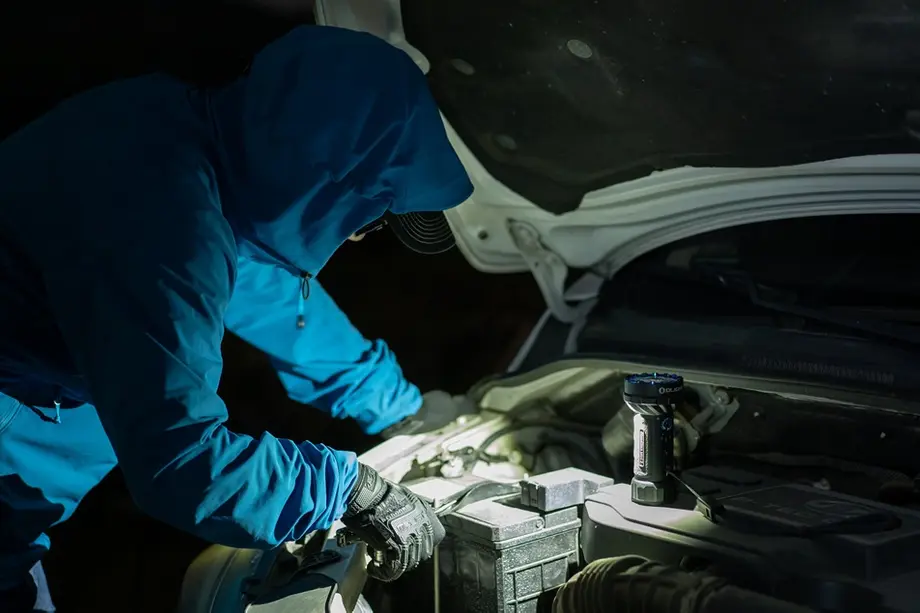
When you're stuck in a winter storm, your challenges are magnified. Visibility plummets, temperatures can become life-threatening, and your vehicle might be your only shelter. A dedicated winter kit is your lifeline. It’s not just about fixing a flat tire; it's about staying warm, visible, and connected. While a standard kit has jumper cables and a tire iron, a winter kit prioritizes warmth (thermal blankets, hand warmers), sustenance (high-energy food, water), traction aids (shovel, sand), and most importantly, reliable, high-performance illumination. A standard phone flashlight simply won't suffice when you need to signal for help through a blinding snowstorm or keep your communication devices charged for hours on end.
Must-Have Item #1: The "Command Center" - A Multi-Function Light with Power (Seeker 4 Pro)
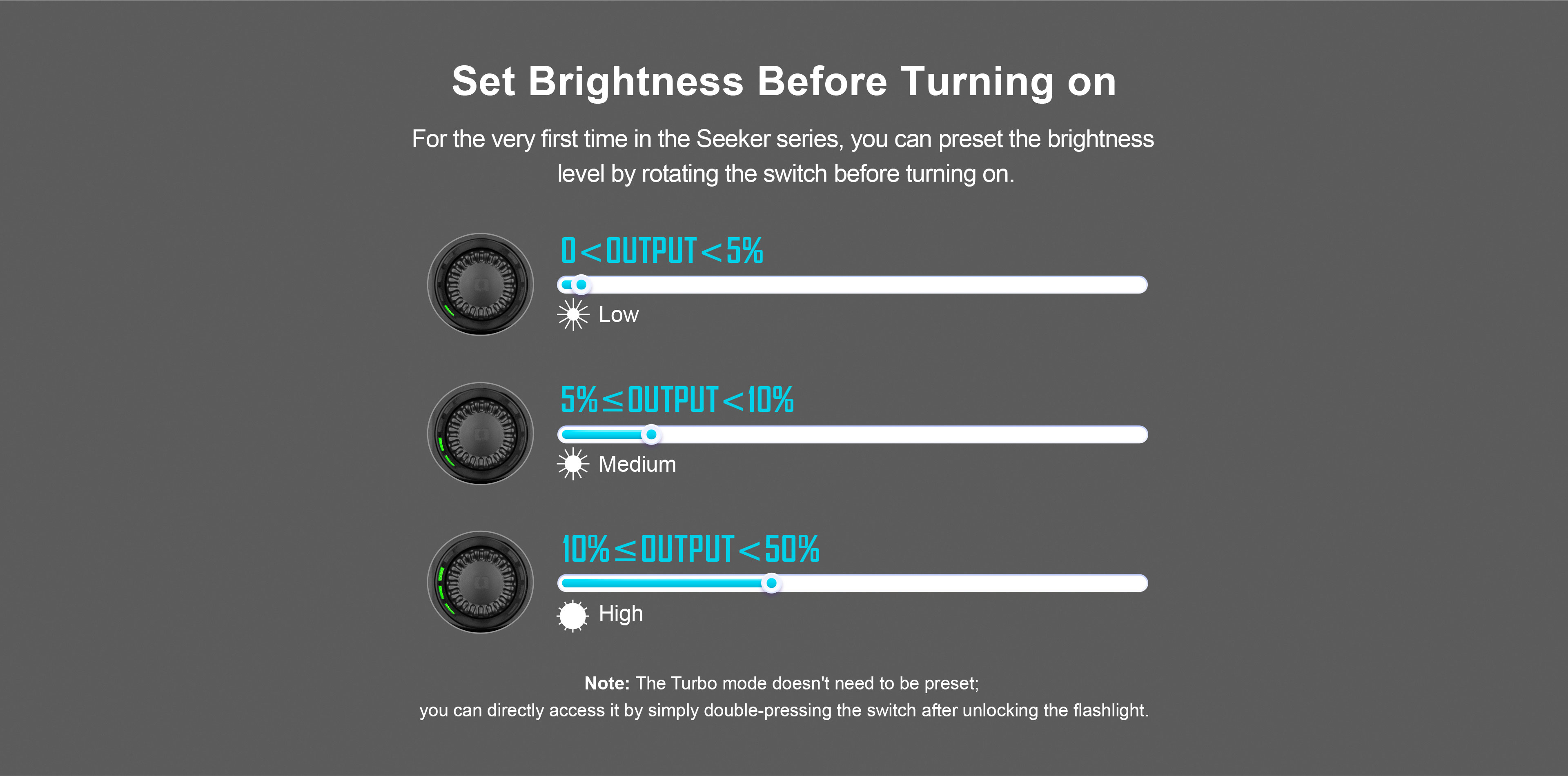
In any emergency, your first priority is to assess the situation. This requires a reliable, bright, and wide-beamed light. The Seeker 4 Pro is the perfect "command center" for your vehicle. Its powerful beam illuminates a large area, allowing you to inspect your vehicle's surroundings, check for damage, or gather supplies from your trunk without fumbling in the dark. Its robust build ensures it works even in sub-zero temperatures, and its intuitive interface means you can operate it easily, even with gloves on.
More Than Light: As a Power Bank and Warning Signal
The true value of the Seeker 4 Pro in a car kit lies in its indispensable multi-functionality. The modern survivalist knows the importance of power. This powerful flashlight doubles as a power bank, allowing you to charge your smartphone or GPS device when your car battery is dead. This single feature can be the difference between being able to call for help and being completely cut off. Furthermore, its strobe mode serves as an effective emergency beacon, alerting passing vehicles or rescue teams to your location.
Must-Have Item #2: The "Search & Signal" Beam - A Powerful Long-Range Torch
While your "command center" light handles the immediate vicinity, a stranded-in-winter scenario requires a tool for long-distance communication. You need to pierce through darkness, snow, and fog to signal for help. This is where a dedicated search and signal torch comes in. Your choice here depends on your preference for specialized power or versatile functionality.
Option A (The Specialist): The Warrior X 4 for Maximum Signaling Distance
When your goal is to be seen from as far away as possible, you need a specialist. The Warrior X 4 is a tactical powerhouse designed for extreme performance. With a staggering 2600-lumen output and a beam throw of 630 meters, it can cut through the worst weather conditions to signal for help. Its rugged construction is virtually indestructible—it can withstand being dropped, submerged, or even run over, ensuring it will work when you need it most. For the ultimate peace of mind in your winter car emergency kit, the Warrior X 4 is the undisputed king of long-range signaling.

Option B (The Compact Powerhouse): The new Marauder Mini 2 for Versatile Flood and Throw
If you prefer a single tool that offers both wide-area illumination and long-distance search capability, the Marauder Mini 2 is an exceptional choice. This compact beast allows you to seamlessly switch between a brilliant floodlight to light up a wide area and a focused spotlight to search the distance or signal for help. It’s the Swiss Army knife of emergency lighting, providing incredible versatility without compromising on power. Its impressive runtime ensures you have light for days, not just hours, making it a reliable companion for an extended emergency.


Must-Have Item #3: Warmth (Blankets, Hand Warmers)
If your engine won't start, your car's interior will quickly reach the outside temperature. Hypothermia is a serious risk.
* Emergency Mylar/Space Blankets: These reflect up to 90% of your body heat back to you. They are lightweight and compact.
* Wool or Fleece Blankets: Provide substantial insulation.
* Extra Clothing: Pack a spare hat, waterproof gloves, wool socks, and a warm layer.
* Chemical Hand and Foot Warmers: These single-use packets provide hours of heat and can be lifesavers.
Must-Have Item #4: Sustenance (Water, Energy Bars)
Your body burns more calories to stay warm. Staying hydrated and fueled is critical for clear thinking and survival.
* Water: Keep several bottles of water. In freezing climates, plastic bottles can crack, so consider rotating them or using insulated containers.
* Non-Perishable Food: Pack high-energy, no-cook items like granola bars, protein bars, nuts, and dried fruit.
Must-Have Item #5: Basic Tools & First Aid
Beyond staying warm and visible, you may need tools to handle the situation or minor injuries.
* Tools: A foldable shovel for digging out tires, an ice scraper and snow brush, jumper cables, a basic toolkit, and a tow rope. Cat litter or sand can also provide crucial traction if you're stuck on ice.
* First-Aid Kit: Include bandages, antiseptic wipes, pain relievers, gauze, adhesive tape, and any personal medications you require.
Your Complete Winter Car Kit Checklist
Use this checklist to build or update your kit. Store everything in a durable, easy-to-access bag or container in your trunk or cabin.
Illumination & Power
* Primary Wide-Beam Light (e.g., Seeker 4 Pro)
* Long-Range Search & Signal Light (e.g., Warrior X 4 or Marauder Mini 2)
* Spare Batteries or Power Bank
Warmth & Shelter
* Wool/Fleece Blankets
* Mylar Space Blankets
* Extra Hat, Gloves, and Socks
* Chemical Hand/Foot Warmers
Food & Water
* Bottled Water
* Non-Perishable Energy Bars/Snacks
Tools & Safety
* First-Aid Kit
* Foldable Shovel
* Ice Scraper & Snow Brush
* Jumper Cables
* Sand or Cat Litter (for traction)
* Tow Rope
* Basic Tool Kit
* Reflective Vest
* Road Flares or Reflective Triangles

Frequently Asked Questions (FAQ)
Do I really need a dedicated flashlight? Can't I just use my phone?
Your phone is a communication device, not a survival tool. Its flashlight drains the battery rapidly, especially in cold weather, and its beam is too weak and diffuse for signaling through a storm or assessing your surroundings effectively. A dedicated, powerful flashlight is built for durability, long runtimes, and performance under pressure.
How should I store my flashlight and batteries in a car during extreme cold?
Lithium-ion batteries, like those in Olight flashlights, perform significantly better in the cold than alkaline batteries. However, to maximize performance, store your lights in the passenger cabin (glove compartment or center console) rather than the trunk, which gets colder. Check the battery charge monthly during winter.
What's more important for a car kit: a floodlight or a spotlight?
Both are crucial. A floodlight (wide beam) is for area awareness and working around your vehicle. A spotlight (focused beam) is for signaling over long distances. If you can only have one, a versatile hybrid model like the Marauder Mini 2 is an excellent compromise. Ideally, a complete winter car emergency kit includes both a primary area light and a dedicated search/signal torch.
How often should I check and update my emergency kit?
Inspect your kit at least twice a year: once before winter begins (around October/November) and once after (around April/May). During the winter check, replace expired food, water, and first-aid supplies, and fully charge all your electronic devices.
Conclusion: Drive Smarter and Safer This Winter
Winter's beauty should be enjoyed, not feared. By taking the time to assemble a comprehensive winter car emergency kit, you are investing in your safety and peace of mind. Preparation is the key to transforming a potentially life-threatening situation into a story you can tell later. Don’t wait for an emergency to find out what you’re missing. Build your kit, check it regularly, and drive with the confidence that you’re ready for whatever the road ahead may bring. Shop the winter car emergency flashlight now!