Table of Contents
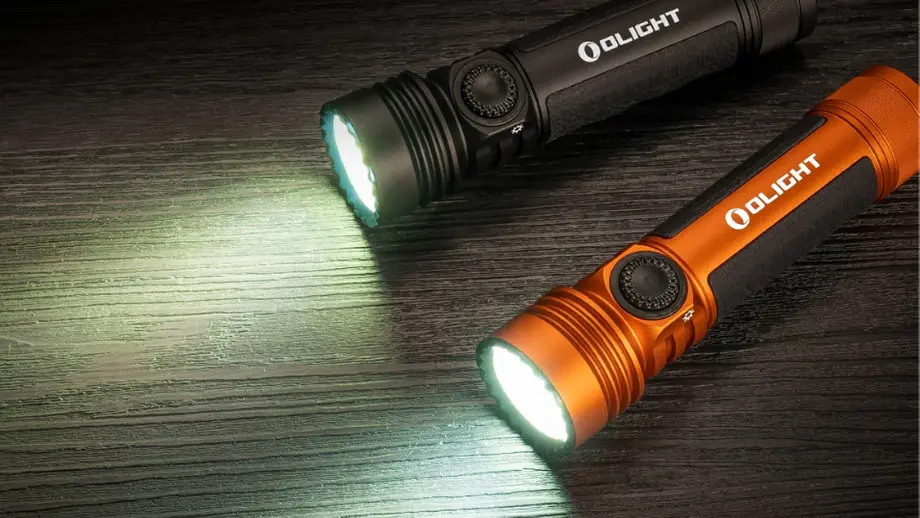
Today’s rechargeable flashlights combine power, efficiency, and sustainability in ways that make traditional models feel outdated. Whether you’re dealing with a sudden power outage in a Seattle suburb or pitching your tent under the starry skies of Arizona, a dependable rechargeable flashlight is one piece of gear you’ll never regret owning.
In this guide, we’ll break down the five most important factors to consider when choosing a flashlight that fits your lifestyle, and highlight the best rechargeable models of 2025, each one handpicked for performance, durability, and design.
How to Choose the Right Rechargeable Flashlight: A 5-Point Checklist
With hundreds of models on the market, choosing the right rechargeable flashlight can feel a little overwhelming. This simple checklist breaks down the essentials, your blueprint for finding the perfect light, whether it’s a compact EDC flashlight for daily use or a heavy-duty searchlight built for demanding conditions.
-
Battery & Charging Options: The Heart of Your Flashlight
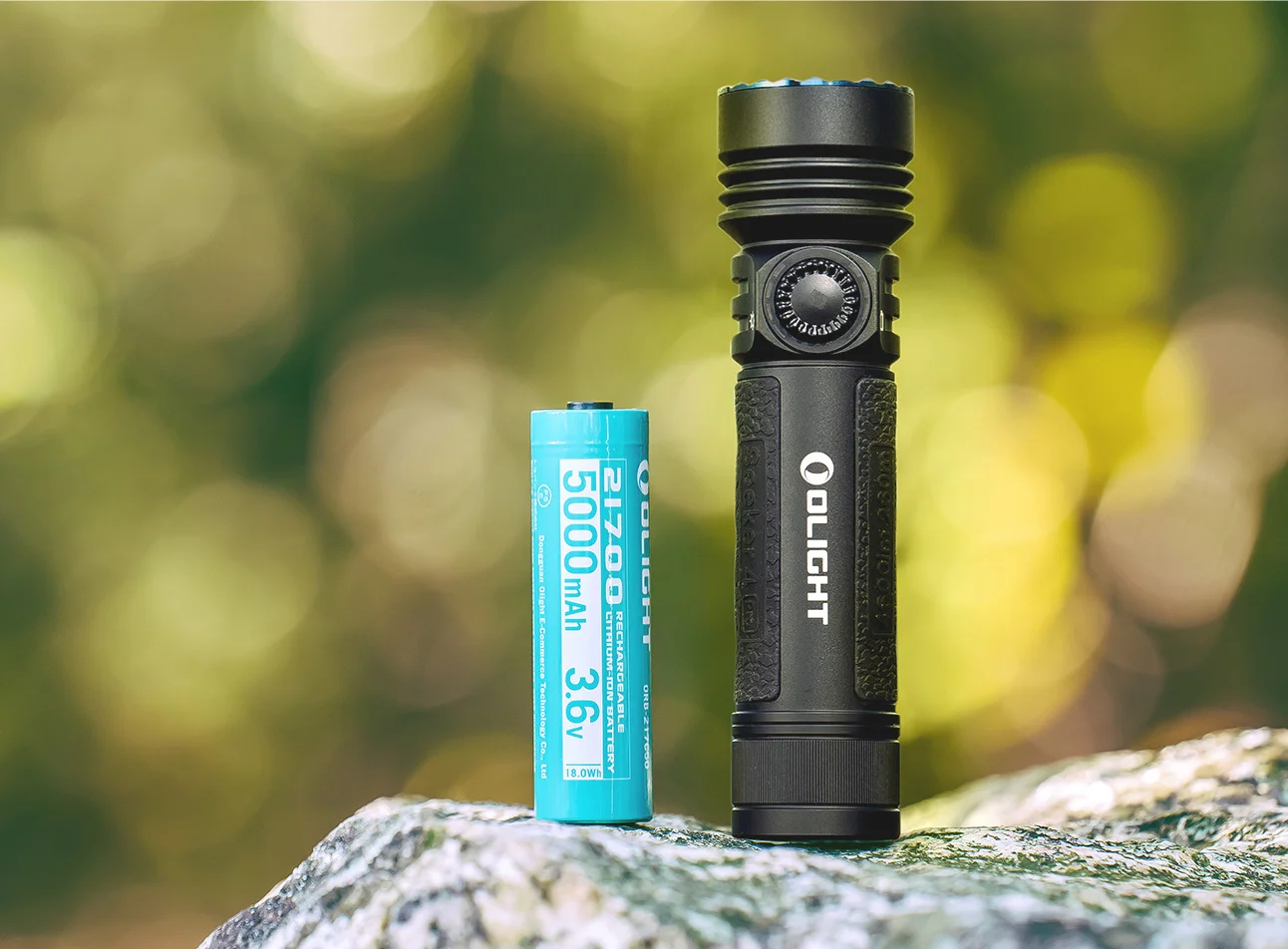
A flashlight is only as good as its power source. USB-C charging is the gold standard for most users, it’s fast, universal, and easy to replace if you lose a cable. Magnetic charging systems add extra protection from moisture and make recharging effortless, though they do require a dedicated cord. Some models use proprietary batteries that deliver higher brightness in smaller bodies, but they’re less common than standard cells like 18650 or 21700 types. Consider where and how you’ll charge before making your pick.
-
Brightness (Lumens) & Beam Distance: How Bright and How Far?
Brightness, measured in lumens, tells you how much light your flashlight produces. For basic household or close-range tasks, 100 to 500 lumens provides ample illumination without draining your battery. The 1,000 to 2,500 lumen range hits the sweet spot for versatility, covering everything from outdoor chores to nighttime walks. For professionals or adventure seekers, an Olight flashlight offering 3,000 lumens or more provides powerful throw distances, which is ideal for search, rescue, or tactical use where visibility across hundreds of yards is key.
-
Runtimes: How Long Will It Last When You Need It?
Peak brightness looks impressive on paper, but runtime is what really counts in real use. Most people use medium or low settings much more often, so pay attention to those runtimes. The best rechargeable lantern for outdoor use should provide several hours of steady light on medium and at least 100 hours on its lowest setting. This is especially useful for emergency kits or off-grid trips where charging options are limited.
-
Portability & Form Factor: Will You Actually Carry It?
The most powerful flashlight in the world won’t help if it’s sitting at home. Everyday carry (EDC) lights should be lightweight, slim, and easy to slip into a pocket or attach to a belt. Tactical models are longer, often featuring a rear tail switch for quick, one handed operation. Searchlights are the biggest of the bunch, designed for maximum output and heat control rather than portability. Think about how you’ll carry your flashlight, and how often you’ll actually use it.
-
Durability & Water Resistance: Built for Real-World Use
A reliable flashlight should handle more than just a gentle drop. Look for models built from aircraft grade aluminum or reinforced materials with an impact resistance rating for everyday toughness. For water protection, an IPX8 rating is the gold standard, it ensures your light can handle heavy rain or even full submersion without failure. After all, a flashlight that quits in bad weather isn’t much use when you truly need it.
Our Top Picks: The Best Rechargeable Flashlights for Every Need
Using the five point checklist above, we’ve narrowed down the year’s top rechargeable flashlights, models that excel in their categories and prove their worth through design, performance, and reliability.
Best for Outdoor Adventures: Olight Seeker 4 Pro
The Olight Seeker 4 Pro is built for those who thrive outdoors, whether that’s hiking through dense forests, camping by the lake, or navigating late-night trails. Delivering a stunning 4,600 lumens, it casts a wide, uniform beam that turns night into day across your entire campsite. Despite its strength, it’s remarkably efficient, offering generous runtimes on lower settings so you’re never left in the dark. Its durable construction, IPX8 waterproof rating, and user-friendly rotary switch make it a dependable tool no matter the conditions. When you’re miles from an outlet and need guaranteed performance, the Seeker 4 Pro earns its place in your pack.
Best for Everyday Carry (EDC)
Your everyday flashlight should feel effortless to carry yet powerful enough to handle anything from a late night dog walk to a quick home repair. These two Olight models offer distinct takes on what an ideal EDC light should be.
-
Best for Multi-Function & Flat Profile: Olight ArkPro
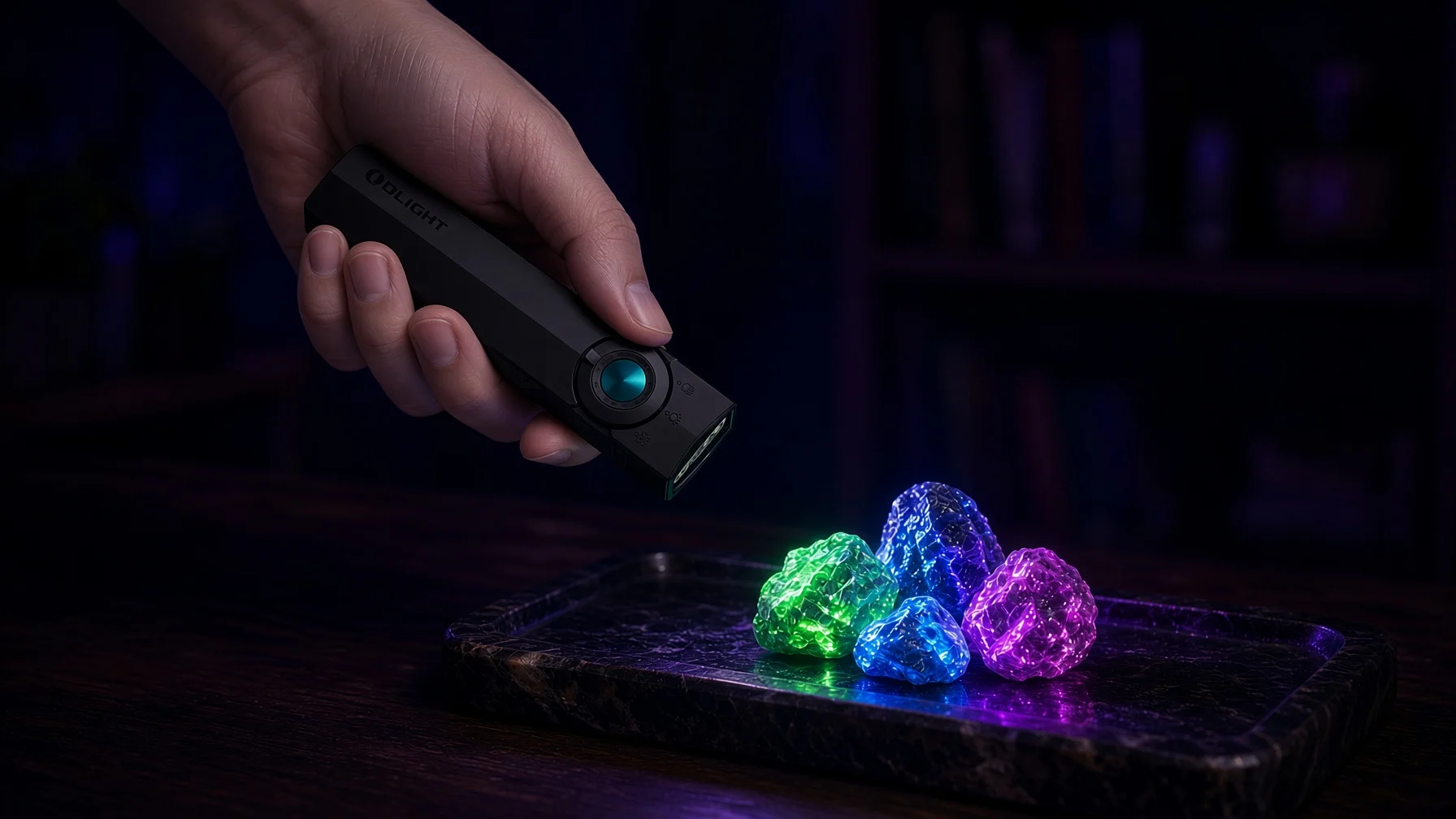
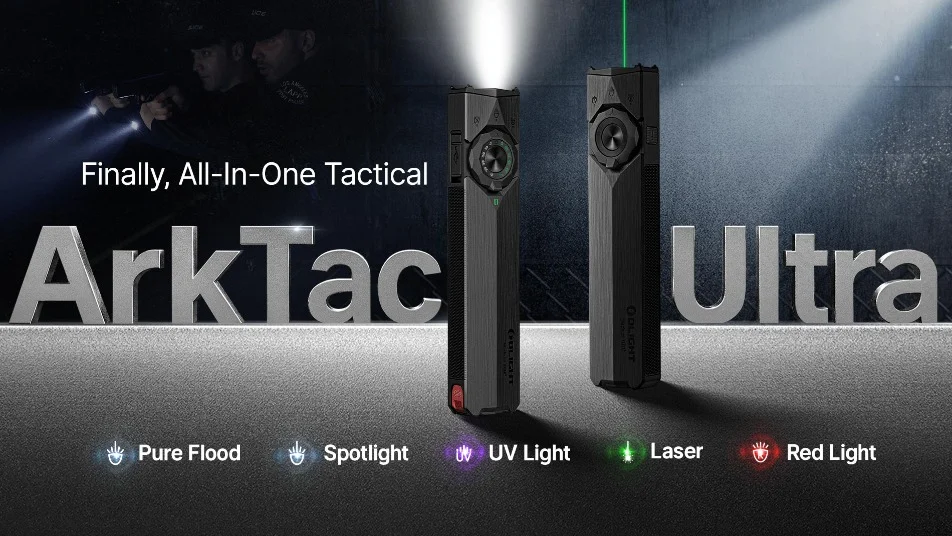
The Olight ArkPro redefines what an EDC light can be. Its flat, rectangular design slides easily into a pocket without bulk, making it as comfortable to carry as a smartphone. Beyond its bright white beam, the ArkPro integrates a UV light for ID or currency checks and a green laser that’s perfect for presentations or pinpointing distant objects. The rotary selector makes switching between modes seamless, while its slim profile and refined build make it an ideal tool for professionals who value versatility and design as much as performance.
-
Best for Compact Power: Olight Baton 4
For those who prefer minimal gear but still demand top-tier performance, the Olight Baton 4 is hard to beat. Packing 1,300 lumens of output into a body barely larger than a thumb, it’s small enough to disappear into your pocket yet powerful enough to light an entire workspace. The real innovation lies in its portable charging case, which is a sleek, travel ready dock that recharges the flashlight multiple times and keeps it protected between uses. It’s the ultimate companion for professionals or commuters who value both readiness and simplicity.
Best for Tactical & Emergency Preparedness: Olight Warrior 3S
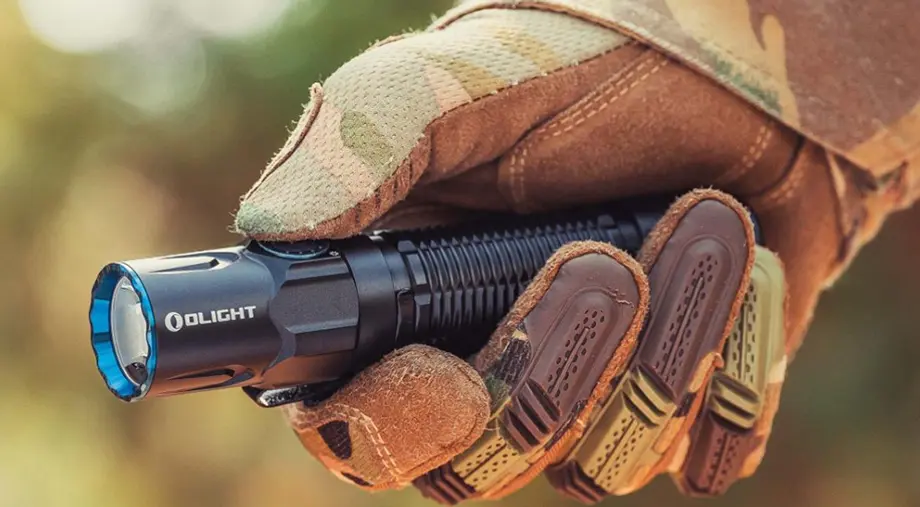
When reliability can’t be compromised, the Olight Warrior 3S is the light to trust. Crafted from aerospace grade aluminum, it’s built to handle heavy duty use, whether in law enforcement, emergency response, or serious outdoor situations. The dual tail switch offers instant access to Turbo or Strobe modes, allowing fast, intuitive control even under pressure. A built in proximity sensor automatically reduces brightness when objects are too close, adding a layer of safety and efficiency. With a 2,300 lumen output, exceptional durability, and runtimes that stretch up to 55 days, the Warrior 3S proves itself as a rugged, mission-ready flashlight that never hesitates when the stakes are high.
Quick Comparison: Best Rechargeable Flashlights 2025
|
Model |
Best For |
Max Brightness |
Battery Type |
Max Runtime |
Weight |
Water Resistance |
Key Highlights |
|
Olight Seeker 4 Pro |
Outdoor Adventures |
4,600 lumens |
21700 Li-ion |
Up to 15 days (low mode) |
210g |
IPX8 |
Wide flood beam, rugged, long runtime |
|
Olight ArkPro |
Everyday Carry / Professional Use |
1,000 lumens |
Built-in rechargeable Li-ion |
Up to 14 days (moonlight mode runtime) |
120g |
IPX7 |
Flat design, UV & laser combo |
|
Olight Baton 4 |
Compact Power / EDC |
1,300 lumens |
18350 Li-ion |
Up to 30 days (low mode) |
87g |
IPX8 |
Pocket-size, charging case |
|
Olight Warrior 3S |
Tactical / Emergency |
2,300 lumens |
21700 Li-ion |
Up to 55 days (low mode) |
176g |
IPX8 |
Dual switch, strobe-ready, tough build |

Pro Tips: Maximizing Your Rechargeable Battery's Lifespan
A high quality flashlight is only as reliable as its battery. With a bit of care, the lithium-ion cells inside your Olight can deliver consistent performance for years. Here’s how to keep them in top shape.
Proper Charging And Storage
Avoid draining your battery completely before recharging, it’s better to “top it off.” Lithium-ion batteries last longer when kept between 20% and 80% charge. If you’re storing your flashlight for several months, aim for about a 50-70% charge to prevent capacity loss over time.
Maintaining The Battery Contacts
To extend your flashlight's life, it’s important to maintain the metal contacts. Over time, dust and oxidation can affect your flashlight’s performance. Gently wipe the contacts on the tailcap and charging port, especially magnetic ones, with a soft, dry cloth or cotton swab. Keeping these points clean ensures smooth charging and reliable power delivery every time you use your light.
Avoiding Extreme Temperatures
Extreme temperatures can shorten your flashlight’s lifespan faster than you’d expect. Avoid leaving it or any spare batteries inside a hot car or under direct sunlight, as heat can degrade the cells. In freezing weather, store your flashlight close to your body or inside an insulated pocket to maintain power output and ensure it’s ready when you need it.
FAQs
1. Is 5000 Lumens Good For A Flashlight?
Yes, 5,000 lumens is extremely bright and sits at the high end of what most consumer flashlights offer. It’s ideal for large area illumination, outdoor search operations, or emergency response situations where maximum visibility is crucial. However, for everyday home use or close range tasks, that much brightness is unnecessary, most people will find 500 to 1,000 lumens more than enough.
2. Which End Of A Flashlight Battery Is Positive?
The positive end of most flashlight batteries, such as 18650 or 21700 cells, is the side with the small raised “button” on top. The flat side is the negative end. Always insert the battery according to the polarity markings (±) inside your flashlight or follow the manufacturer’s guide to prevent damage or poor contact.
3. How Can I Tell If The Batteries In A Flashlight Are Damaged?
Damaged lithium-ion batteries often show clear warning signs. If the battery casing looks swollen, bulging, or misshapen, stop using it right away, it’s a serious safety risk and should be properly recycled. Other red flags include the battery becoming unusually hot during regular use or charging, leaking fluid, or delivering noticeably shorter runtimes. If your flashlight shuts off suddenly when using higher brightness levels, that can also indicate a failing or unstable cell.
4. Do Flashlight Batteries Lose Power When Not In Use?
Yes, all batteries gradually lose charge over time, even when not being used. However, modern lithium-ion batteries are far more efficient than older types, they typically retain about 70-90% of their charge after a year in storage. To keep them in good condition, store your flashlight in a cool, dry place and recharge the battery every few months if it’s not used regularly.
5. What Kind Of Batteries Does A Flashlight Take?
Most modern rechargeable flashlights use lithium-ion (Li-ion) batteries for their balance of power and efficiency. The most common sizes are 18650, which is the standard high-power option; 21700, a larger and higher-capacity cell used in powerful models like the Olight Seeker 4 Pro; and CR123A, a smaller format often found in compact or older tactical lights. Each type offers a different blend of runtime, size, and output depending on the flashlight’s design.
Conclusion
Finding the best rechargeable flashlight in 2025 comes down to understanding how you plan to use it and matching the right model to your lifestyle. Whether it’s the versatile Olight ArkPro for everyday use, the pocket-sized Olight Baton 4 for quick jobs, or the powerful Olight Seeker 4 Pro for weekend adventures in places like Yosemite National Park, there’s a dependable option for every situation.
By investing in a well built flashlight and paying attention to factors like brightness, runtime, and durability, you’re not just buying a gadget, you’re securing a reliable companion for years of use. From sudden blackouts to backcountry trails, the right light ensures you’re always prepared. Find your perfect Olight companion today and light up your world.