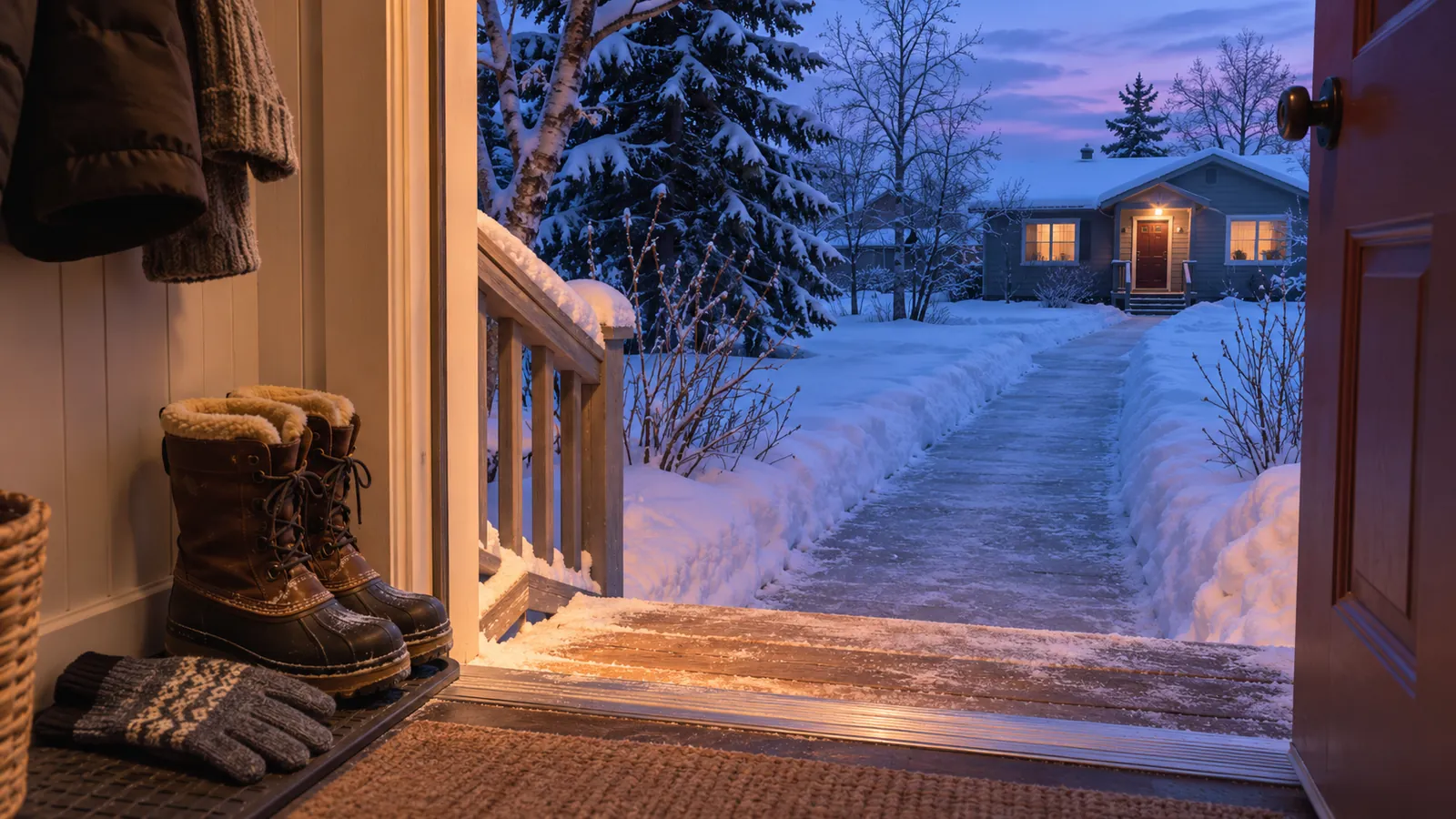
TL;DR: Check daylight for the Alaska town and date where you’ll be. Then plan light for the hours you actually spend in the dark, including mornings, return trips, and chores. Keep a wearable light for walking, a separate source for work close at hand, and a backup you can find without turning on the first light.
📋 Table of Contents
- 1. Alaska winter darkness starts at your own door
- 2. Sunrise, sunset, and twilight in three Alaska communities
- 3. Is it dark in Alaska for 6 months in winter?
- 4. What country has 6 months of darkness?
- 5. Does Fairbanks get 24 hours of darkness?
- 6. Make a daily light and charging budget
- 7. Make a handoff plan for two different shifts
- 8. Choose a light for walking, larger chores, or close work
- 9. Manage cold batteries and charging separately
- 10. Prepare the vehicle and the route
- 11. Give an outing a time to turn back
- 12. Keep room lighting and care for seasonal mood distinct
- 13. Frequently Asked Questions
Alaska winter darkness starts at your own door
Read the schedule from the time you leave home to the time you return. If you start work before sunrise and finish after sunset, an extra hour of midday light changes little about your commute. A porch light handles the steps at home. A headlamp can help you see the path between lit places while you carry bags. A light kept at home covers a different job.
| Part of the day | Light to plan for | Where to keep it |
|---|---|---|
| Before work or school | A porch or hallway light and a portable source for the walk | By the boots, keys, or bag used to leave |
| Chores and repairs | Light that stays on the work area while you use both hands | By the work surface or inside the door |
| Return through an unlit area | A personally carried light and a separate backup | In locations you can find with gloves on |
| Home after a power interruption | A room light for shared tasks and a portable light for moving | Accessible from the normal walking route |
| An outdoor outing | Light for the planned return plus reserve equipment | With you before leaving home |
Start with the days you repeat. Record when you walk to your car or a bus stop, when you take the dog out, when you shovel, and when you turn off the porch light. Some activities overlap. Others stay the same even when you are delayed. This is a better basis for a recharge routine than the total number of hours between sunset and sunrise.
Cold and darkness can change one another's consequences. A light left somewhere outside may be harder to handle when you need it. A spare that shares a drained power source gives you fewer options than a separate device. Pick a storage spot, a charging time, and an alternative light before you have to remember all three under pressure.
A shared entry needs a plan for other people, too. If two households use the same stairs, check how the exterior light is controlled and report a burned-out or damaged fixture through the building's normal channel. Carry a suitable light while you wait for a repair. For a private walkway, look from the doorway and then from the point where you turn toward it. You may spot a dark step that was hidden from the first view.
Sunrise, sunset, and twilight in three Alaska communities
On December 21, 2026, Anchorage has 5 hours and 27 minutes between calculated sunrise and sunset. Fairbanks has 3 hours and 42 minutes, and the Sun stays below the horizon at the selected Utqiaġvik location. These are three different outcomes on the same date. Calculate the day for your actual destination even if you have already checked a nearby city.
The values below come from the U.S. Naval Observatory’s daily Sun and Moon data service, checked November 20, 2026. Times use Alaska Standard Time, UTC minus nine hours. The locations are approximate city coordinates, not the positions of particular doors or trails. The times are predictions for December 21, 2026. Daylight duration is the subtraction of the listed rise and set times.
| Location and approximate coordinates | Sunrise to sunset | Civil twilight limits |
|---|---|---|
| Anchorage, 61.2181° N, 149.9003° W | 10:14 a.m. to 3:41 p.m., 5 h 27 min | Begins 9:12 a.m., ends 4:44 p.m. |
| Fairbanks, 64.8378° N, 147.7164° W | 10:58 a.m. to 2:40 p.m., 3 h 42 min | Begins 9:33 a.m., ends 4:05 p.m. |
| Utqiaġvik, 71.2906° N, 156.7886° W | No sunrise | Begins 11:56 a.m., ends 2:55 p.m. |
Sunrise and sunset describe the Sun at the horizon. Civil twilight is the part of dawn or dusk when the Sun is just below it. The start and end of civil twilight in the table mark the outer bounds for that day. In Anchorage and Fairbanks there is daylight between the two twilight periods. In Utqiaġvik, there can be twilight even though the Sun remains out of view.
An open horizon helps explain the published calculation. A ridge, buildings, or heavy clouds can leave a walking route dim before the printed time. Look at what happens on the route where you live or work. Do so before relying on the last few minutes of light. A table gives you a dated time reference for a location, while conditions tell you what you can actually see.
For another date, choose the town's coordinates and local time zone again. Read the rise, set, and twilight lines together. A results page for a different location or season may show a very different interval. If you are putting the times on a family or work calendar, include the date and time zone so nobody copies the wrong numbers into the next week's planning.
Is it dark in Alaska for 6 months in winter?
No. Alaska stretches across enough latitude for winter daylight to differ sharply by community. Anchorage still has more than five hours from sunrise to sunset on the December example above. Fairbanks has less than four hours. Far north in Utqiaġvik, the Sun can stay below the horizon for a period, with civil twilight possible even on days without sunrise.
A resident planning an early shift needs reliable light for the actual route even in a community where the Sun rises each day. A traveler may need to reconcile arrival time, winter weather, and how they will get from a station or airport entrance to a destination. The statewide label gives less help than a time and a place.
What country has 6 months of darkness?
Six months without sunrise describes conditions near the geographic poles, rather than conditions throughout a country. The North Pole lies in the Arctic Ocean. The South Pole lies in Antarctica, a continent. NASA’s equinox explanation distinguishes the roughly half-year polar night from the twilight that can surround it. Arctic communities have patterns that depend on where they are.
People sometimes use “darkness” to mean all hours without direct sun. For planning a winter day, it helps to say whether you mean no sunrise, twilight, or darkness through the whole outing. A scheduled appointment still falls at a local time, regardless of how a travel description labels the season.
Does Fairbanks get 24 hours of darkness?
Fairbanks still has sunrise and sunset near the December solstice. The published calculation for December 21, 2026, gives a sunrise of 10:58 a.m. and a sunset of 2:40 p.m., or 3 hours and 42 minutes between them. If you work a full daytime shift indoors, most of that interval may fall between morning arrival and the trip home.
Long shadows and a low Sun can make the usable light feel shorter at a particular building. A snowy path in an open area can look quite different from a stairway under a roof. Take your regular walk with a working light before deciding how much you can count on the sky. An early fall routine may need changes by December.
Make a daily light and charging budget
Break out the jobs that use a portable light and name how long you expect each to last. If you light a ten-minute walk twice a day and tackle an hour of work in a dim garage each evening, you have 80 minutes of actual use. Add any dog walks, waits, longer repairs, or return delays. Keep the nonstop room light on a separate line if it serves other people while you are out.
A long shift outdoors can call for a continuous source. Try a different budget for that schedule. A six-hour job has 360 minutes before overtime or extra travel. If you switch settings depending on the task, note when you need each setting and budget for the one that will occupy most of the session. Look up the manufacturer's stated runtime on that level, including any staged reduction in output.
For planning a six-hour shift, add the rest of the time you might actually use the light. A forty-five-minute return and fifteen minutes to pack after work put the example at seven hours if the light stays on the whole time. That tells you what duration to compare to a product's indicated working level. If a break or indoor stop separates the tasks, record it. Keep enough usable light for the full return even if you could recharge during a stop.
A runtime table gives a result under stated conditions. Your own duty pattern and temperature can differ. A mode that peaks early can continue at a lower level for much longer. Work out the lowest light level that covers each task safely and check what the published data actually promises at that setting. For repeated work, keep a separate source available if the primary one needs time to charge.
If you need a household inventory, use Olight's guide to staging hurricane supplies in humid homes for the storage lesson. The Gulf Coast climate and Alaska winter have different equipment conditions. The idea that travels is the fixed home for each light and the habit of checking it before needed. A common drawer with a known backup is easier to remember than a different place each evening.
Make charging part of an activity already in your day. Bring the work light inside after the last chore, allow it to dry and return to the maker's permitted charging conditions, then connect it at its normal station. Check the indicator according to the manual. Put it back beside the item you take with you so it leaves when you leave. This can help two people avoid assuming the other charged a shared light.
Make a handoff plan for two different shifts
If two people share equipment, compare when each one needs it before buying a duplicate. At the end of one shift, a light may need to dry or recharge just as the second person is about to leave. Give each person a source for the time it is needed. A charging station where both can see what is ready makes a better handoff than a device tucked into the first person's bag.
For example, one adult can have an early walk to a bus stop while another brings the trash to a dark corner later that morning. The light left by the exit may be enough for the second task when the first person carries a different one. Decide who takes which spare on days when both travel out of town or arrive home after dark.
Write the recharge sequence next to the station so each person knows what to do. List the light, the approved charging connection, and how to recognize the usual indicator. A charger and a compatible light can be kept on the same shelf while still leaving room to store a dry, charged backup separately. Mark the location before an outage makes labels hard to read.
Agree on what will stay available at home. If a person usually carries the one bright handheld, the others still need light if they return first. Put a general room source at the first spot someone can reach from the entry. If you have a dark stairway, carry a light while looking at the path between the normal door and that room. Move supplies if it is awkward to cross the house to get them.
Choose a light for walking, larger chores, or close work
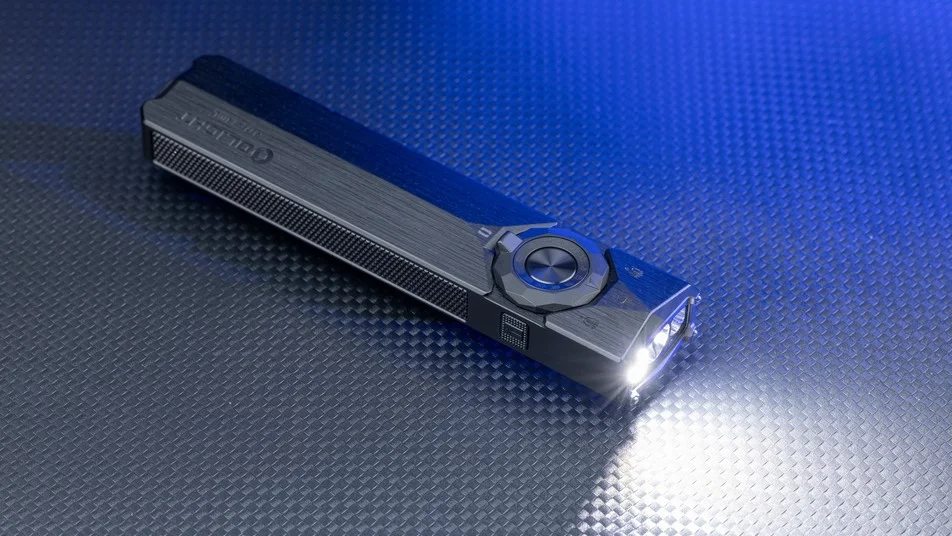
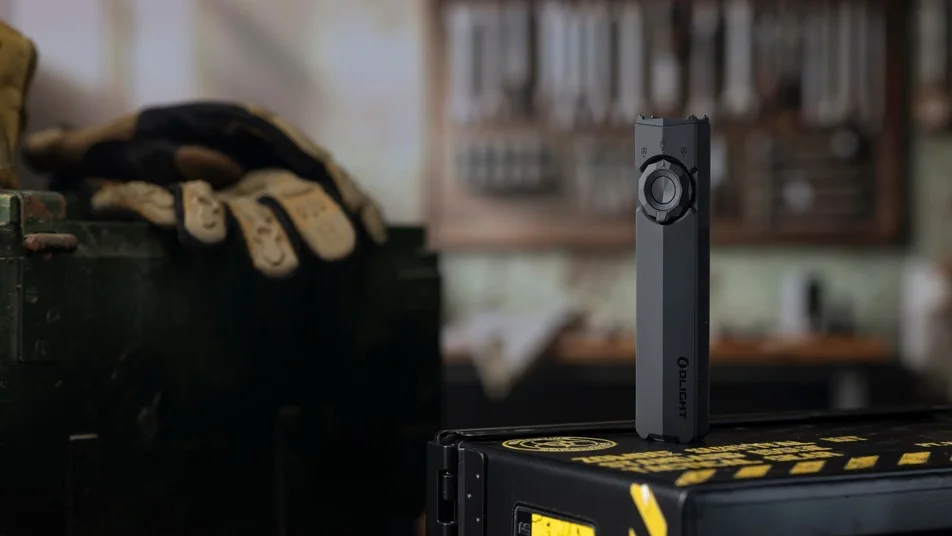
The three examples below cover distinct jobs. Start with the activity that comes up most often. If most days involve a narrow walkway and a short check at the entry, choose an appropriate wearable light and an independent backup. A brighter handheld can be useful for a larger yard. A small clip light belongs in a stable spot where someone needs both hands near a work surface.

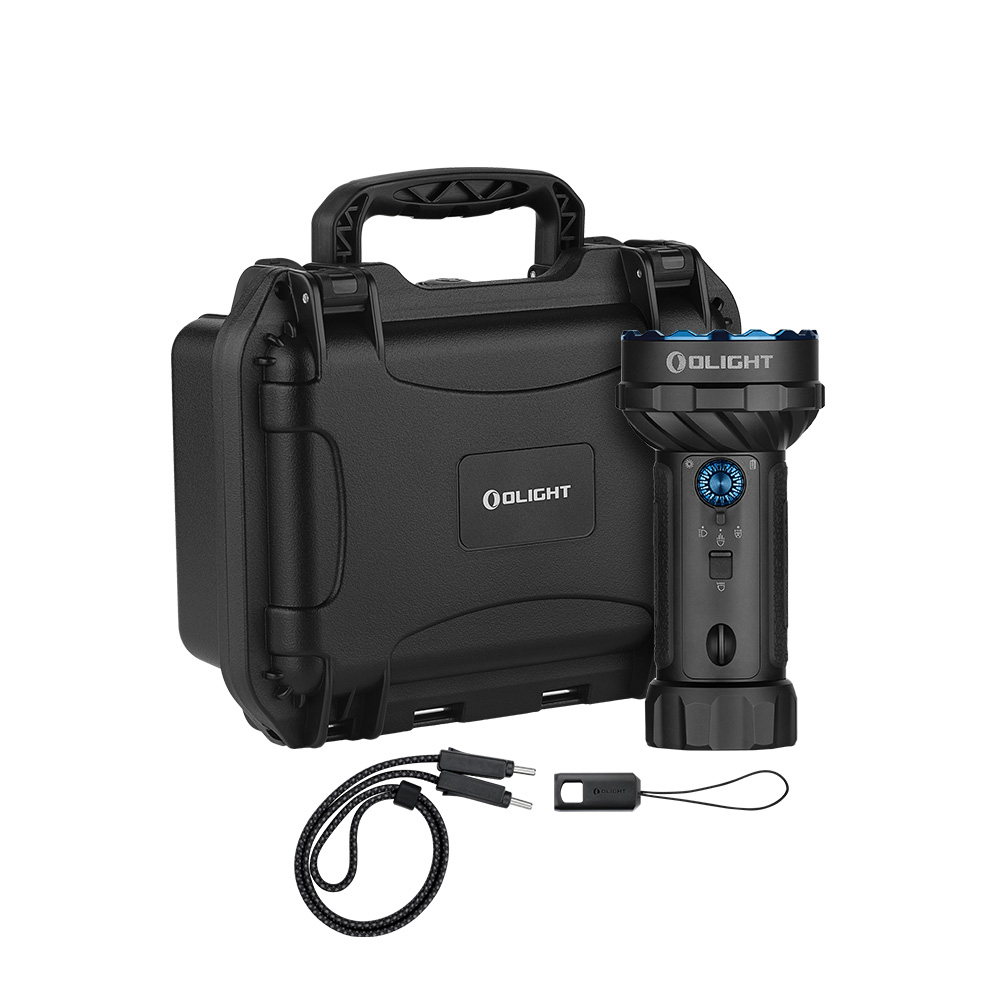
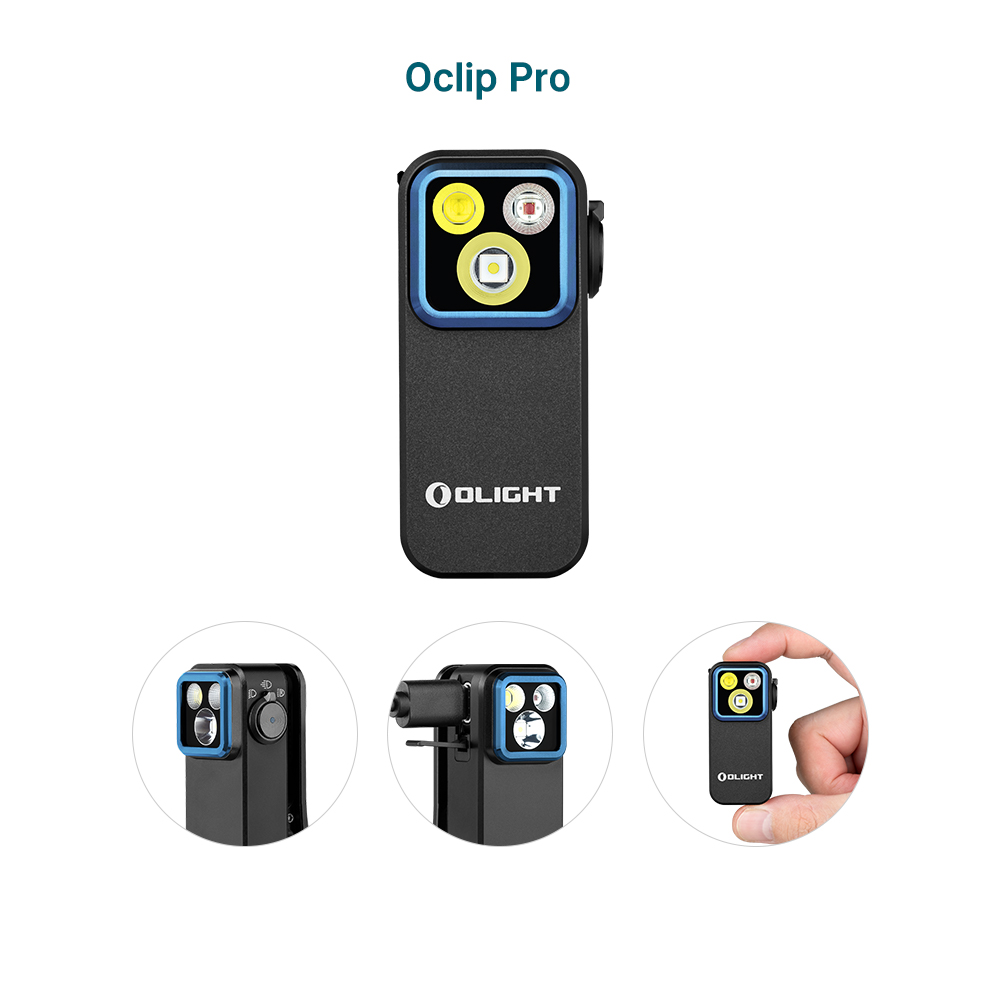
A house can still need one fixed room light with a broad spread. A clip light over a bin covers its own corner. A portable source for getting from the hallway to each room leaves the group light in place. Decide who will be using each source when the house is dark, especially if different people leave or arrive at different times.
Manage cold batteries and charging separately
Read the manufacturer's temperature limits for the exact light and its battery. Charging, operation, and storage can have different allowed conditions. A warm pocket can help a spare stay closer to your body when that storage is allowed. Keep any removable battery in its proper case away from keys or other metal. Stop and follow the model instructions when the setup is colder or wetter than its rated conditions.
Cold can shorten useful runtime for a battery-powered light. Treat the published figures as an initial reference for that exact setting, and give your plan room for worse conditions. Avoid extrapolating a warm indoor runtime to an entire outdoor shift. Olight's cold-weather flashlight guide covers gloves, pocket warmth, and lens frost when a light moves between indoor and outdoor spaces.
Set aside a dry place for a light that comes in from the cold. Moisture after a temperature change makes it harder to tell whether the charging connection is ready. Follow the product's drying, storage, and charging instructions and wait for its permitted conditions before charging. Keep a second working light accessible while the first one is inside drying or charging.
The number on a battery is part of its specification. The article on compatible 21700 and 18650 flashlight battery kits explains why the nominal size alone cannot establish compatibility. Buy only batteries approved for the actual device and check the charging method. Keep a written match for a shared household so someone can recognize the correct spare later.
A spare light can be easier to hand to another person than a battery substitution. It also keeps working if the first light has wet contacts or a damaged switch. Establish different places for the daily light and the backup as long as both remain easy to find. Avoid depending on a charger, a single cable, or a battery arrangement you have never used.
Prepare the vehicle and the route
Check your route and forecast before leaving. The Alaska Department of Transportation and Public Facilities winter driving guidance covers winterizing a vehicle, checking road conditions, carrying reserves, and heeding routes without winter maintenance. The vehicle's own manual and a qualified service provider are the references for a preheater and the vehicle battery.
Use a portable light for practical jobs when the vehicle is safely parked. It may help you read a small label, find a glove that fell by the seat, or see into the cargo area after the door opens. Keep its beam away from traffic. Let the vehicle lighting and the road guidance govern what to do while driving or dealing with a roadside problem.
Store the vehicle kit somewhere you can access from the safe side of a parked vehicle, within the storage limits of its contents. Take out anything the manufacturer advises against leaving in that environment. The kit can include the light you normally bring inside each night, as long as you have a habit that puts it back with the keys or bag before leaving.
When a route feels marginal on paper, change the route or timing if you can. A town's sunrise gives no promise about the condition of a road shoulder. Headlight glare, snow removal, and drifting snow can affect what you see. Put extra time into the plan for the return too, and follow posted instructions or current road reports if the conditions change.
If the vehicle is used by more than one person, agree on whether the kit travels with the key or stays with the vehicle. A flashlight stored indoors can still be part of a vehicle kit if the driver has one place to pick it up. Add a reminder near the keys until the habit sticks. Use a separate check for a rental car, where the owner may not have stored the equipment you normally count on.
If you're visiting a town for the first time, ask the host whether the public part of the walk stays lit in the evening and which entrance you should use. An afternoon arrival can look easy from the street, then require a different route on the way back. Save the details before leaving a place with reliable reception. Put the light in the bag you'll keep with you rather than in gear you may leave at a desk or hotel.
Give an outing a time to turn back
Choose a route whose conditions you know and pick main stopping points before leaving. Allow time for short daylight, snow underfoot, dressing changes, and a later start. Check the trail or land manager's current guidance. The National Park Service Ten Essentials includes illumination alongside other equipment and preparations, including navigation and first aid. An extra charged light solves one part of a winter outing.
Set an agreed turn-back time with enough margin for the way home. Treat worsening weather, conditions, or equipment problems as reasons to turn around early. Bringing a light allows you to see the path, but a change in daylight can still make it harder to recognize landmarks or surfaces. Put a short local trip in the schedule first if you are unfamiliar with the area.
Give each adult a working light when a group could become separated, and keep a separate backup ready to use. Check the straps and controls before setting out. A group that can identify the buttons and agree on where to put a light after a stop is less likely to leave one behind or spend extra time on a basic task.
Keep room lighting and care for seasonal mood distinct
A household task light makes cooking, finding clothes, or walking through a room easier. Keep fixed room lighting and a comfortable portable light available where people need them. Set everyday routines around the day's actual schedule, and use the brighter outdoor part of a day for appropriate errands or a walk when conditions permit.
If changes in daylight are affecting your mood, sleep, or daily functioning, discuss them with a health care provider. The National Institute of Mental Health’s seasonal affective disorder guide describes care options and important precautions for light therapy. A household flashlight or headlamp belongs in the equipment plan for everyday tasks. With a clinician you can discuss whether any treatment belongs in a care plan.
Frequently Asked Questions
Changelog
- November 20, 2026: Checked the December 21, 2026, astronomical calculations, exact U.S. galleries, and winter guidance links.