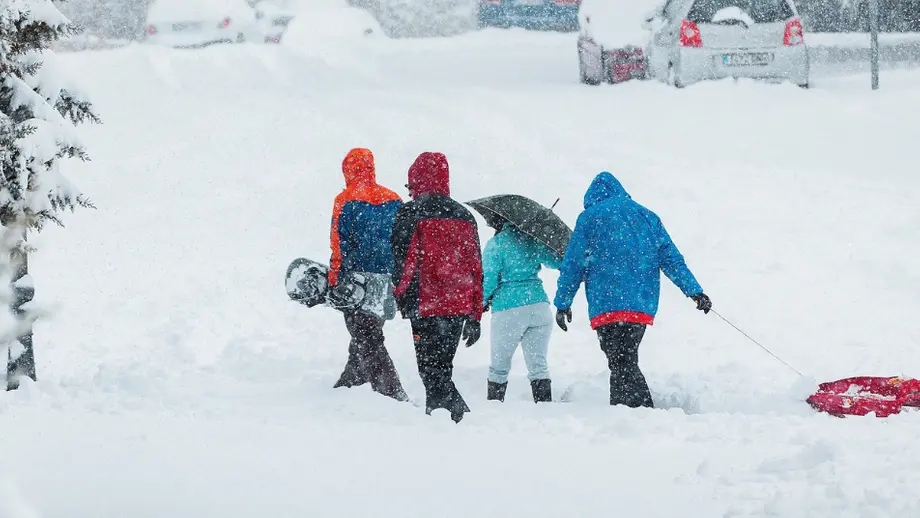
When a winter snowstorm hits, the world outside transforms into a frozen landscape. While beautiful, these storms pose a significant threat to modern infrastructure. According to the Federal Emergency Management Agency (FEMA), every household should be prepared to survive independently for at least 72 hours. This isn't just a suggestion; it is a critical safety standard. As seen in the recent Southeast Storms, during a major winter blackout, emergency services may be overwhelmed, and roads might be impassable, leaving you as the first and only responder for your family.
Most people approach a winter snowstorm survival kit as a simple shopping list of batteries and canned goods. However, true survival isn't just about what you own; it's about what you do and when you do it. This guide shifts the focus from a static "list" to a dynamic "action timeline," ensuring you manage your resources effectively from the moment the lights flicker out until they shine again.
Table of Contents
- Why 72 Hours? The Golden Rule of Preparedness
- Phase 1: The First 60 Minutes (Immediate Actions)
- Phase 2: Surviving the First Night (Heat & Light Strategy)
- Phase 3: Long-Term Sustenance (Food & Communication)
- Essential Gear Spotlight: Why You Need a "Power Bank" Light
- Downloadable 72-Hour Survival Checklist
- Final Thoughts: Preparation Beats Panic
Why 72 Hours? The Golden Rule of Preparedness
The "72-hour rule" is the cornerstone of emergency management. In the event of a severe winter snowstorm, it typically takes up to three days for utility companies to clear roads, repair downed lines, and restore power to residential areas. During this window, you must be self-sufficient. For more detailed safety protocols, refer to the National Weather Service Winter Safety guide.
A winter blackout survival strategy requires more than just food; it requires active resource management. If you consume all your fuel or drain your phone batteries in the first six hours, the remaining 66 hours will be a dangerous struggle. By following a structured power outage timeline, you can ensure that your heat, light, and communication tools last until the crisis passes.
Phase 1: The First 60 Minutes (Immediate Actions)
The first hour of a power outage is the "Assess Phase." Darkness often brings immediate disorientation, especially if the storm is howling outside. This is where your Every Day Carry (EDC) gear becomes your most valuable asset.
1. Stay Calm and Secure Light
Avoid scrambling in the dark. If you have an EDC light like the ArkPro Series in your pocket, you have immediate access to 1,700 lumens. Use the wide beam to illuminate the room and find your family members.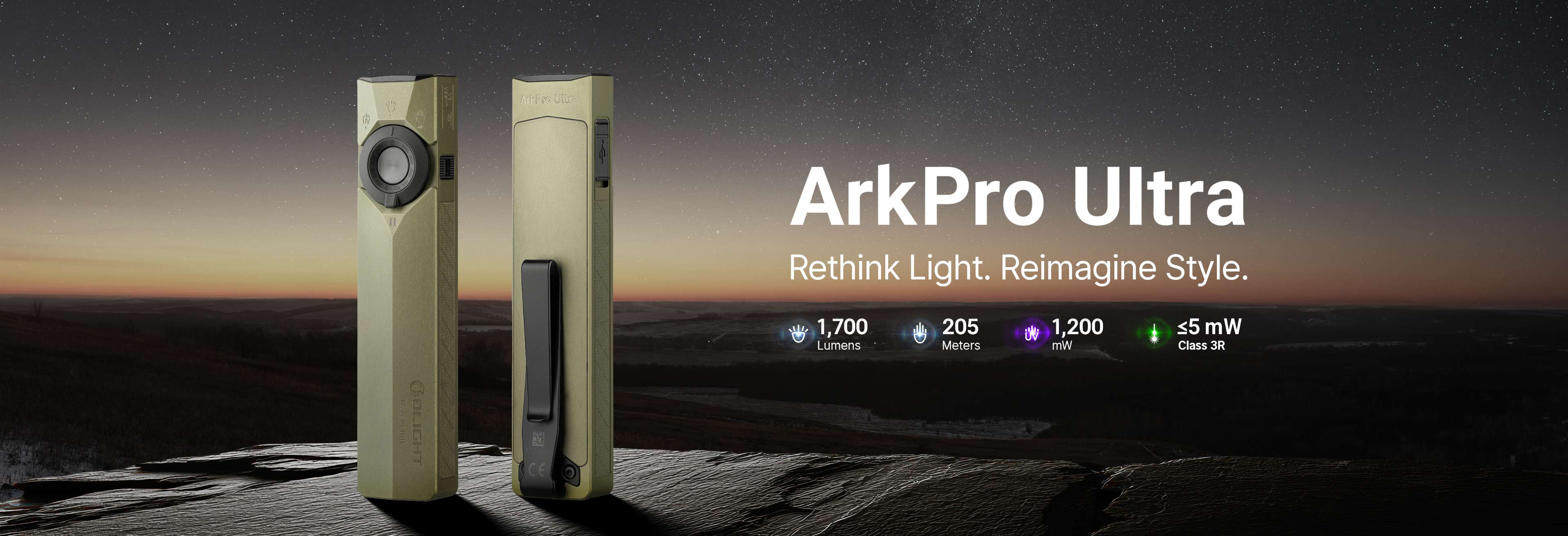
2. The Headcount and Safety Check
Gather everyone in a central location. Check for immediate hazards, such as leaking pipes (which can freeze and burst) or broken windows. If you need to inspect the exterior or large basement areas, a high-output light like the Marauder Mini 2 is essential. With its 7,000-lumen floodlight, you can see your entire backyard or attic at once, ensuring no damage has occurred to your home's structure.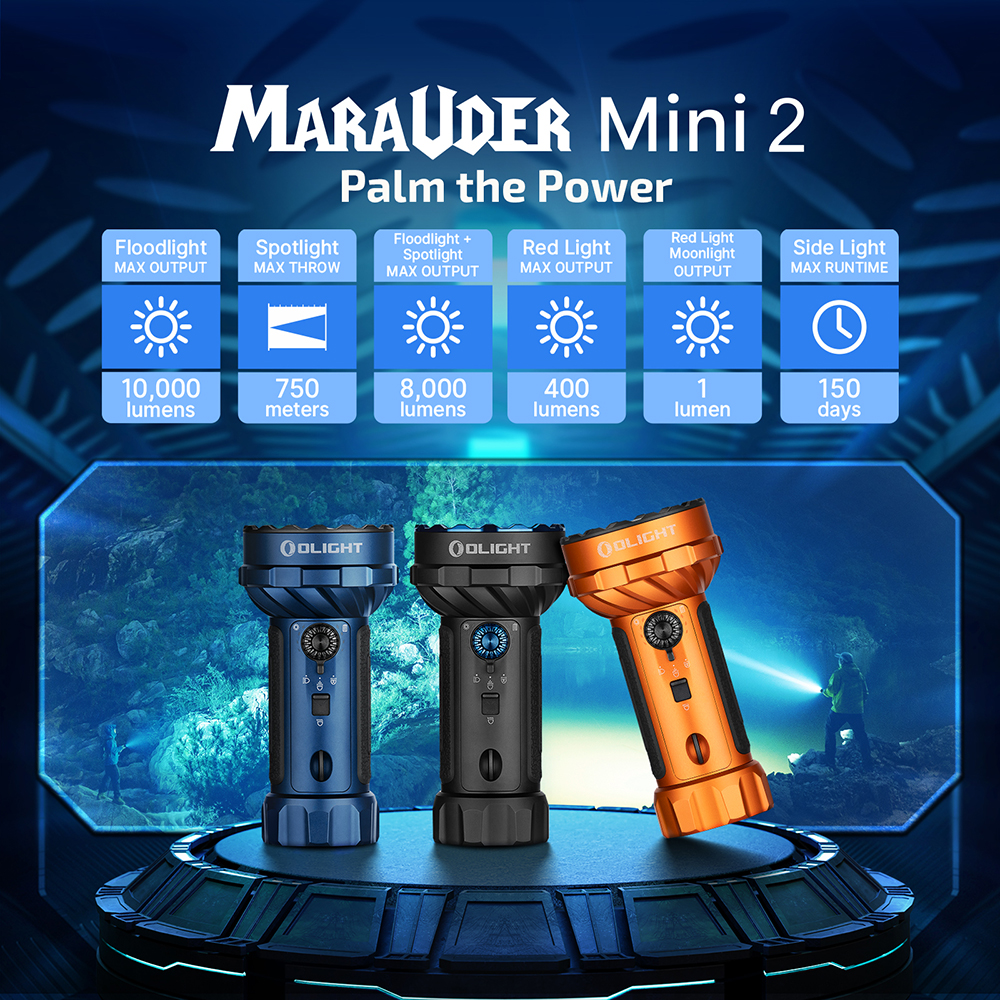
3. Protect Your Electronics
When power is eventually restored, it often comes with a "surge" that can fry sensitive electronics. Spend the first 30 minutes unplugging computers, televisions, and expensive kitchen appliances. Leave one lamp plugged in so you’ll know when the power returns.
Phase 2: Surviving the First Night (Heat & Light Strategy)
As the sun sets and the temperature drops, the "Bunker Down" phase begins. Your goal now is conservation—both of body heat and battery power. Understanding the science of winter storms can help you better prepare for extreme temperature drops.
1. Establish a "Warm Room"
Pick one room (preferably south-facing or one with few windows) to be your living quarters. Close the doors to all other rooms. Hang heavy blankets over windows and towel-gap the bottom of the doors to trap heat. By concentrating the body heat of multiple people in one small space, you can keep the temperature significantly higher than the rest of the house.
2. Strategic Lighting
Avoid using high-intensity tactical lights for general illumination; they drain batteries too quickly and create harsh shadows. Instead, use an area lantern like the Olantern. This creates a "campfire" effect, which provides a sense of normalcy and psychological comfort for children. If you don't have a lantern, a light with a low "moonlight" mode can run for hundreds of hours, providing enough light to navigate the room without depleting your resources.
3. Safety Warning: Never Use Gas Stoves for Heat
It is tempting to turn on the gas oven or use a camping stove indoors to stay warm. Do not do this. Carbon monoxide poisoning is a leading cause of death during winter blackouts. Stick to layers of wool, sleeping bags, and hand warmers.
Phase 3: Long-Term Sustenance (Food & Communication)
Once you cross the 12-hour mark, you enter the "Resource Management" phase. This is where your 72-hour survival kit list is truly put to the test.
1. Managing the Fridge
An unopened refrigerator will keep food cold for about 4 hours. A full freezer will maintain its temperature for 48 hours if the door stays shut. At the 24-hour mark, if the power is still out, you may need to move highly perishable items (like milk or meat) to a cooler filled with snow from outside.
2. The Communication Crisis
Your smartphone is your link to weather updates and emergency alerts, but its battery is its Achilles' heel. By the second day, most phones will be hovering near 10%. This is where multifunctional gear is a lifesaver. The Baton 4 Premium is more than just a flashlight; its charging case acts as a portable power bank.
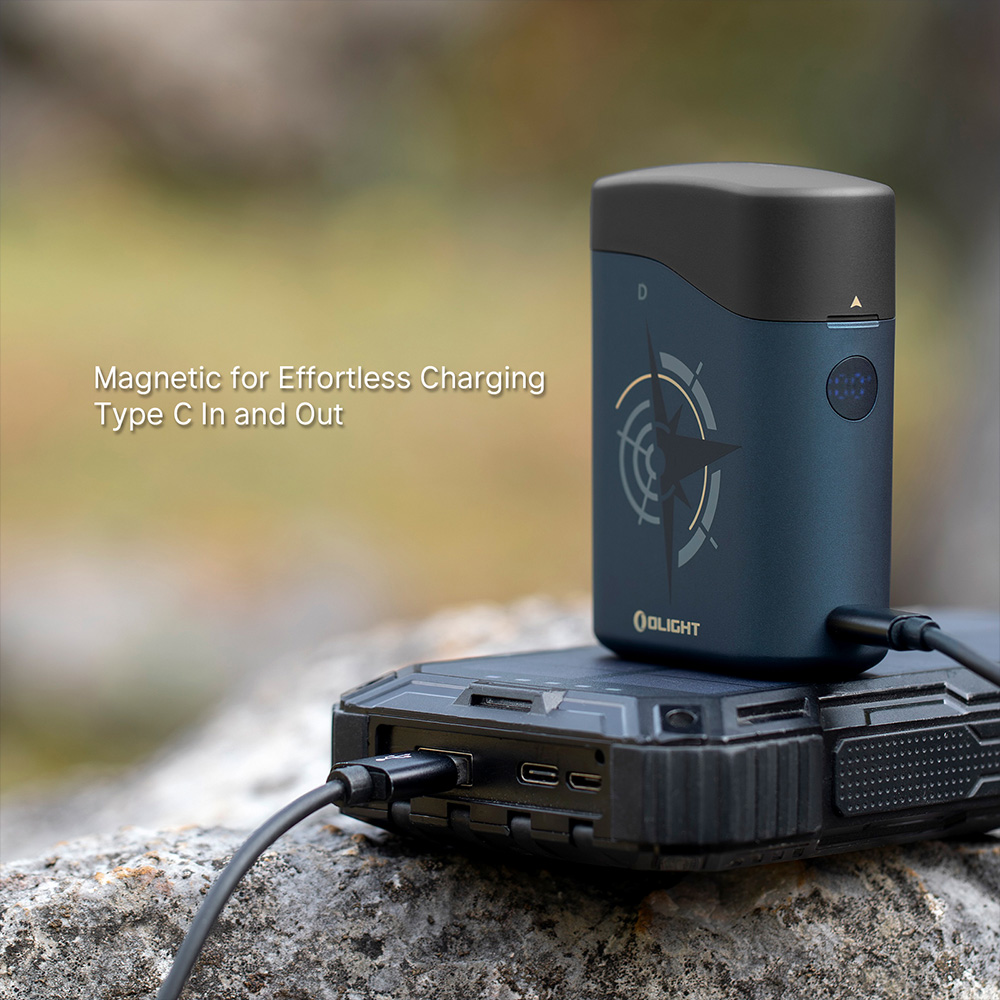
With the Baton 4 Premium's Type-C output, you can use the case to provide emergency juice to your phone, ensuring you can call for help or check the National Weather Service for restoration timelines.
Essential Gear Spotlight: Why You Need a "Power Bank" Light
In a winter survival scenario, weight and space are at a premium, even at home. Carrying separate batteries, chargers, and lights creates clutter. Modern preparedness experts recommend "force multipliers"—tools that serve multiple purposes.
The Baton 4 Premium is a prime example of this philosophy.
- The Light: It offers 1,300 lumens of power in a tiny frame.
- The Case: The custom charging case features a 5,000mAh battery.
- The Utility: It provides up to 190 days of runtime on its lowest setting, meaning you can leave it on as a nightlight for the entire duration of the storm without worry.
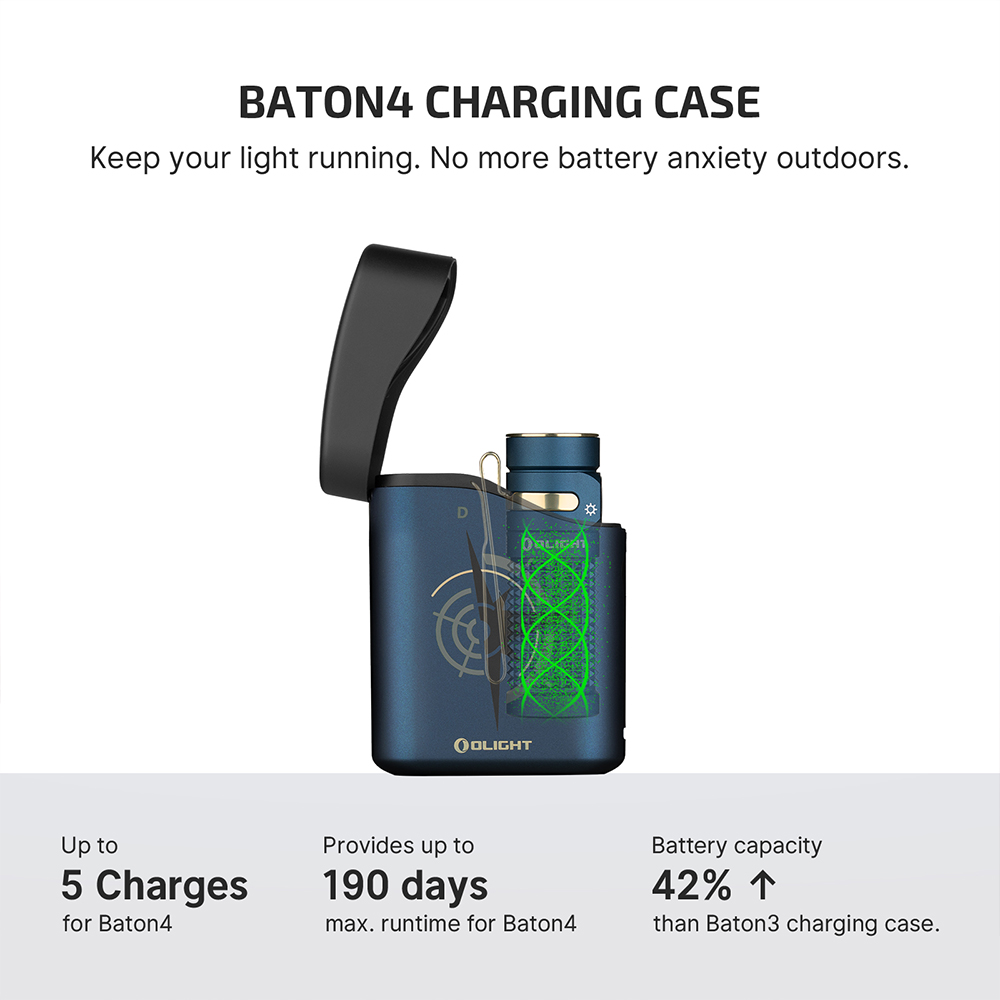
When the grid goes down, your light source should also be your power source. This ensures that even if your dedicated power banks fail, your lighting system has a backup "brain" to keep your essential tech alive.
Downloadable 72-Hour Survival Checklist
Use this checklist to audit your winter snowstorm survival kit before the next "Winter Warning" is issued. For a complete inventory of essential items, you can download the IHS Disaster Kit Checklist.
Lighting & Power
- [ ] EDC Flashlight: (e.g., ArkPro) – Always in your pocket.
- [ ] High-Output Searchlight: (e.g., Marauder Mini 2) – For exterior checks.
- [ ] Area Lantern: For the "Warm Room."
- [ ] Charging Case / Power Bank: (e.g., Baton 4 Premium) – To keep phones alive.
- [ ] Extra Batteries: Stored in a dry, cool place.
Warmth & Shelter
- [ ] The "Warm Room" Kit: Blankets, duct tape, and plastic sheeting.
- [ ] Thermal Layers: Wool socks, base layers, and beanies for every family member.
- [ ] Sleeping Bags: Rated for freezing temperatures.
Food & Water
- [ ] Water: 3 gallons per person (1 gallon per day).
- [ ] Non-Perishables: Canned soups, protein bars, and dried fruit.
- [ ] Manual Can Opener: A frequently forgotten item!
- [ ] Pet Food: Don't forget your furry family members.
Safety & Health
- [ ] First Aid Kit: Including a 7-day supply of essential medications.
- [ ] Battery-Powered Radio: For NOAA weather updates.
- [ ] Fire Extinguisher: Increased risk of fire when using candles or heaters.
Final Thoughts: Preparation Beats Panic
A winter blackout is a test of endurance and foresight. By shifting your mindset from "waiting for the lights to come back on" to "actively managing a 72-hour timeline," you take control of the situation.
The difference between a miserable, freezing weekend and a safe, manageable experience often comes down to the quality of your gear and the clarity of your plan. Start building your kit today. When the snow begins to pile up and the grid goes dark, you won’t be searching for batteries in the dark—you’ll be leading your family through the storm with confidence.
Don't wait for the storm. Equip your home with the right tools today.