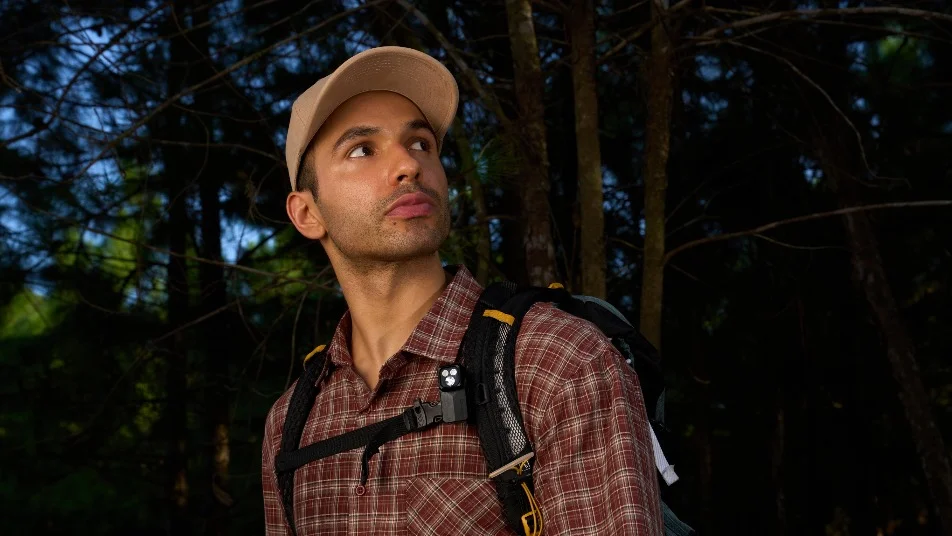
TL;DR: A complete outdoor lighting system 2026 combines lanterns, headlamps, and high-performance flashlights to cover camp, trail, and emergency needs. This guide explains how to choose the best flashlight for camping, balance lumens, battery life, and durability, and build a reliable EDC flashlight backup setup. It also highlights modern rechargeable lighting technologies and safety standards to ensure visibility and protection in any wilderness environment.
1.Understanding Your Camping Lighting Needs
2.Flashlight vs Headlamp vs Lantern: What Should You Bring?
3.Top Camping Lighting Picks for 2026
4.Camping Lighting Checklist by Activity
5.Battery and Charging in the Wild
6.Camping Lighting Safety Tips
7.How to Choose Camping Lights: A Buyer’s Guide Summary
8.Conclusion: Build a Reliable Camping Lighting Setup for Any Adventure
When you head into the wilderness, light is as essential as water or shelter. An outdoor lighting system 2026 is no longer just about having a single torch; it is about building a versatile kit that handles everything from navigating a treacherous trail to cooking dinner at a picnic table. Finding the best flashlight for camping involves balancing raw power, weight, and battery efficiency.Modern LED-based outdoor lighting is significantly more energy-efficient than older incandescent systems. According to the U.S. Department of Energy, LED lighting can use up to 75% less energy while delivering comparable light output in real-world applications (source: U.S. Department of Energy — LED Lighting Energy Efficiency).
Whether you are a seasoned backpacker or a weekend car camper, understanding the nuances of modern illumination technology ensures you are never left in the dark. This guide breaks down the essential components of a reliable camping setup, focusing on high-performance gear and an EDC flashlight backup strategy to keep you safe in any environment.
Understanding Your Camping Lighting Needs
Illumination requirements change based on the environment and the task at hand. Outdoor enthusiasts categorize these into three specific lighting zones to maximize battery efficiency and visibility.
Three Lighting Zones: Camp, Trail, and Tent
The Camp Zone involves general area lighting. You need a broad, 360-degree floodlight that allows multiple people to navigate the perimeter, cook, and socialize without causing glare. High-capacity rechargeable camping lights are essential here to sustain long runtimes throughout the evening.
The Trail Zone requires focused, directional light. When moving through uneven terrain, a headlamp for hiking is the primary tool. It must offer enough throw to see hazards 50-100 meters ahead while providing peripheral light to prevent "tunnel vision."
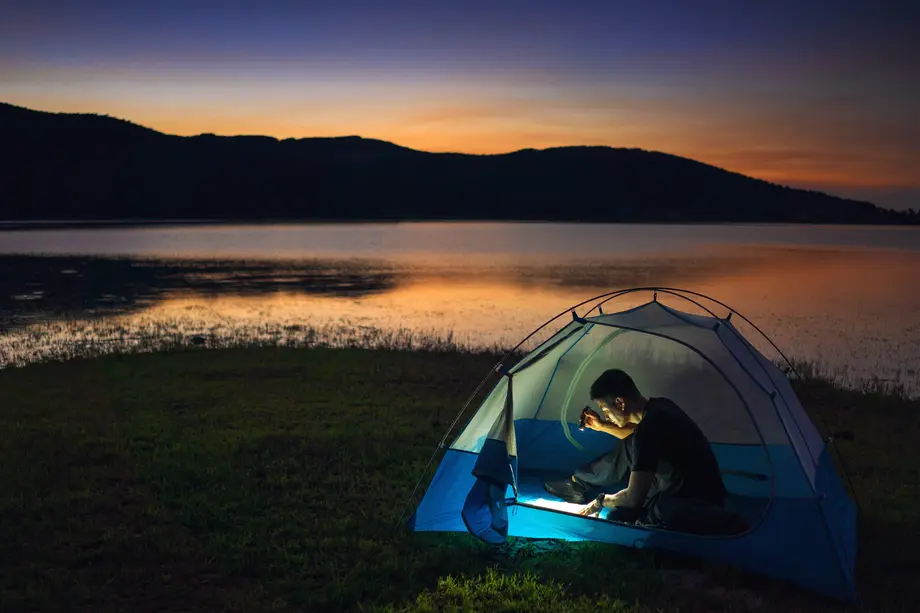
The Tent Zone demands low-intensity, warm light. Bright white light inside a tent causes eye strain and reflects harshly off nylon walls. Red light modes or warm amber LEDs are preferred for reading or organizing gear without disturbing others.
Flashlight vs Headlamp vs Lantern: What Should You Bring?
Each light type serves a distinct mechanical purpose. A balanced outdoor lighting system 2026 usually includes at least one of each.Many flashlight performance metrics—such as lumens, beam distance, and runtime—are standardized under the ANSI/PLATO FL1 testing framework. This ensures consistent, cross-brand comparisons of lighting performance under defined laboratory conditions (source: ANSI / PLATO FL1 Flashlight Performance Standard).
Lanterns for Area Lighting and Tent Use
Lanterns are designed for static placement. They provide omnidirectional light, making them ideal for picnic tables or hanging from the center of a tent. Modern smart lanterns allow for remote dimming and color temperature adjustments, reducing the need to manually toggle switches in the dark.
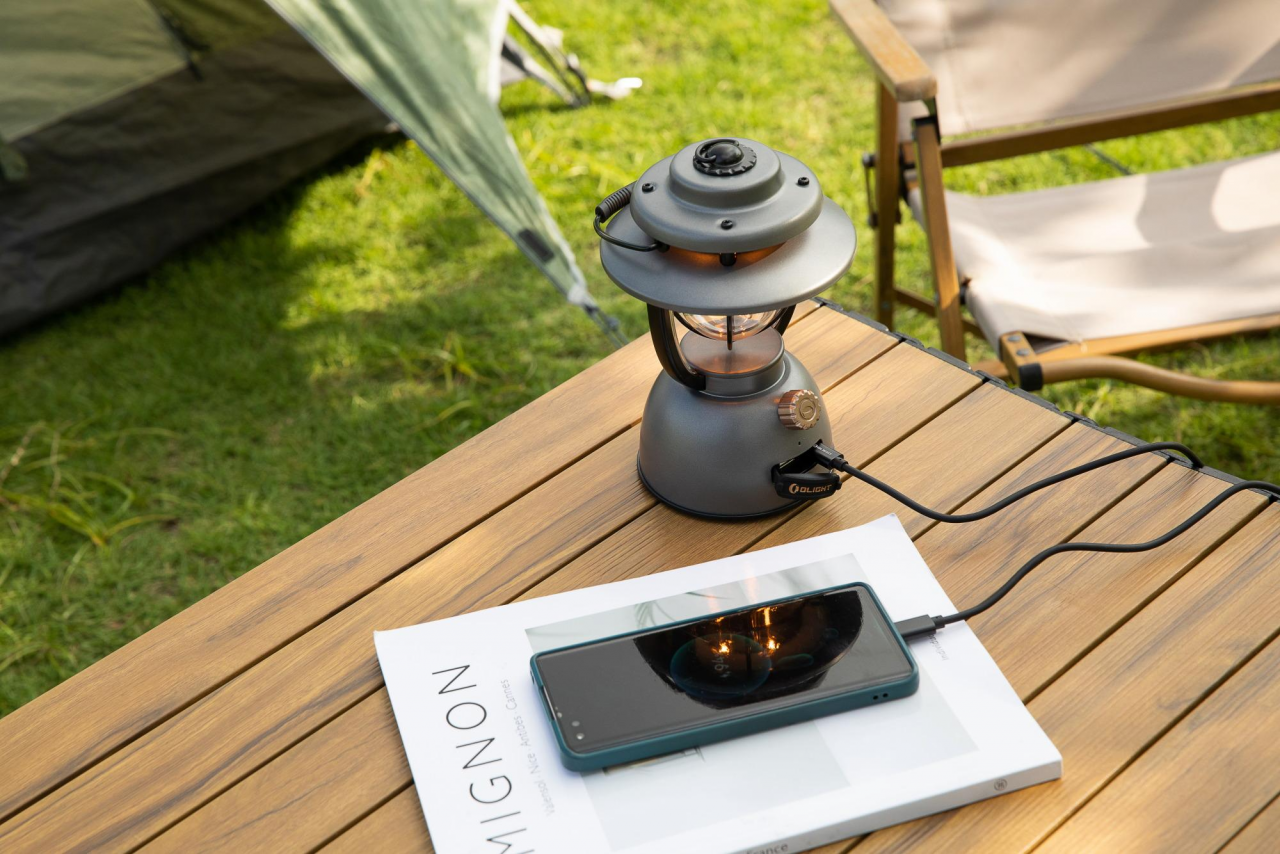
Olantern Classic 2 Pro Smart
A vintage-style rechargeable lantern with a massive 11,200mAh battery, serving as both a long-lasting light source and a reliable power bank for your devices.
View ProductHeadlamps for Hands-Free Tasks and Night Movement
Headlamps are the most critical tool for active campers. Whether you are pitching a tent in the rain, cooking over a stove, or hiking to a sunrise summit, hands-free operation is a safety requirement. The best headlamp for hiking is lightweight enough to avoid "head bounce" during movement while maintaining a high IPX waterproof rating.
EDC Flashlights for Backup and Emergencies
An EDC flashlight backup provides high-intensity bursts that headlamps often lack. While a headlamp might provide 500-1,000 lumens, a high-power handheld light can reach 2,500 to 4,600 lumens. This is necessary for search and rescue, signaling for help, or identifying distant animals.
Top Camping Lighting Picks for 2026
Selecting the best flashlight for camping requires looking at technical specifications such as lumen output, battery capacity, and material durability.
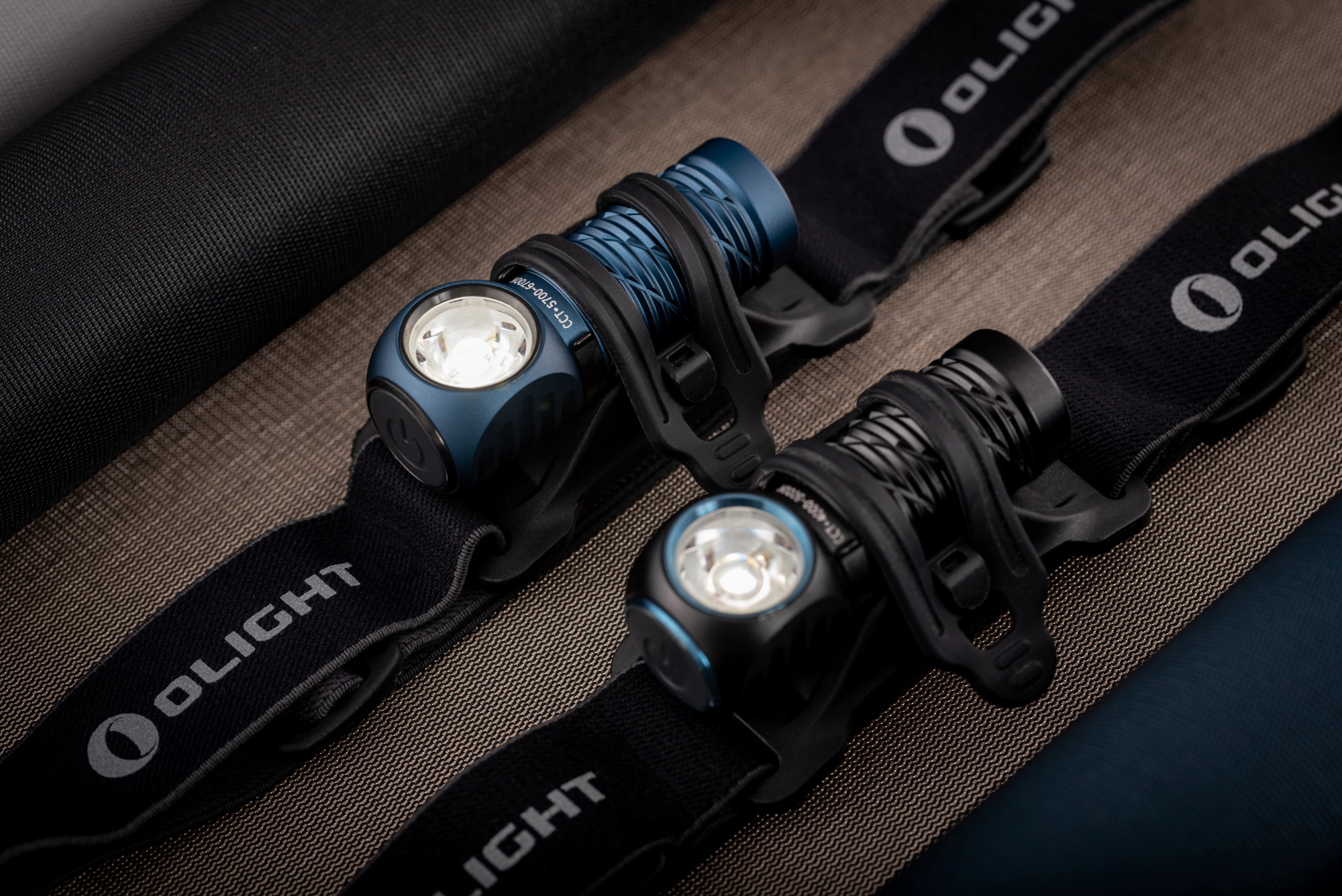
Perun 2 Mini Headlamp
Ultra-compact and powerful, this 1,100-lumen headlamp features a red light mode to preserve night vision and weighs only 1.9oz—perfect for hiking.
View ProductBest Rechargeable Lanterns for Campsite Lighting
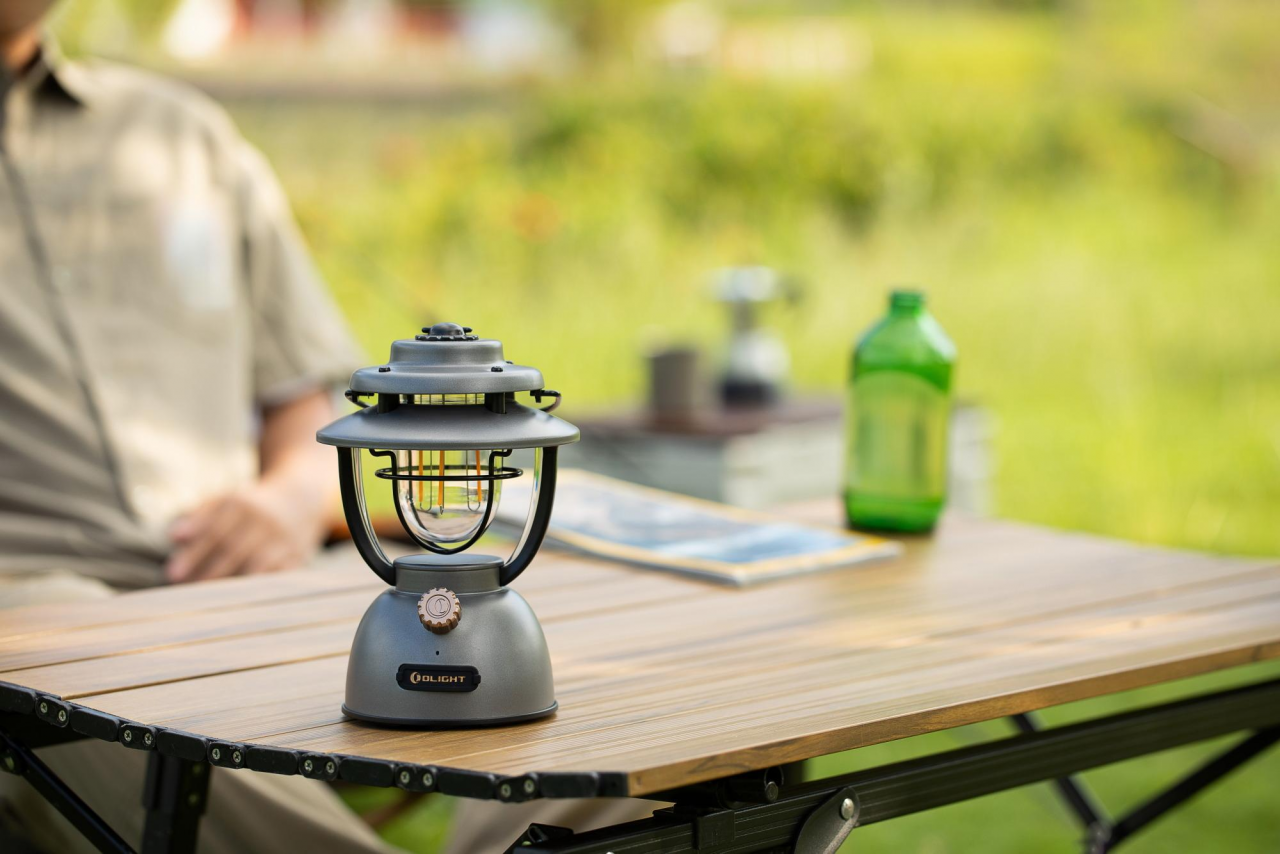
The Olantern Classic 2 Pro Smart stands out for its 11,200 mAh capacity. It offers a massive 9-day runtime and doubles as an emergency power bank. Its solid copper build is not just for aesthetics; it provides extreme durability against the elements. The stepless dimming allows you to adjust the vibe from 10 to 300 lumens instantly.
Best Lightweight Headlamps for Hiking and Tasks
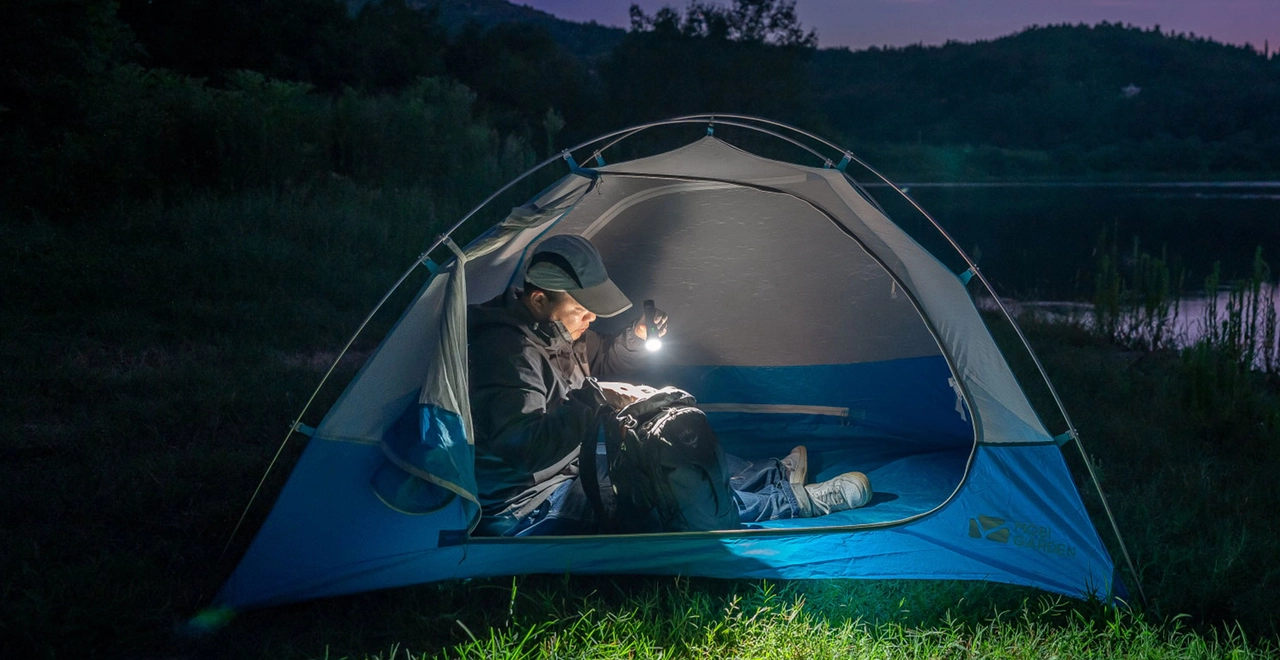
For those prioritizing weight, the Perun 2 Mini is an industry leader. It weighs only 1.9oz but delivers 1,100 lumens. Its red LED option is critical for preserving night vision during late-night map reading or signaling. The 180-degree rotation ensures you can aim the light exactly where your hands are working.
Best Compact EDC Flashlights for Backup Use
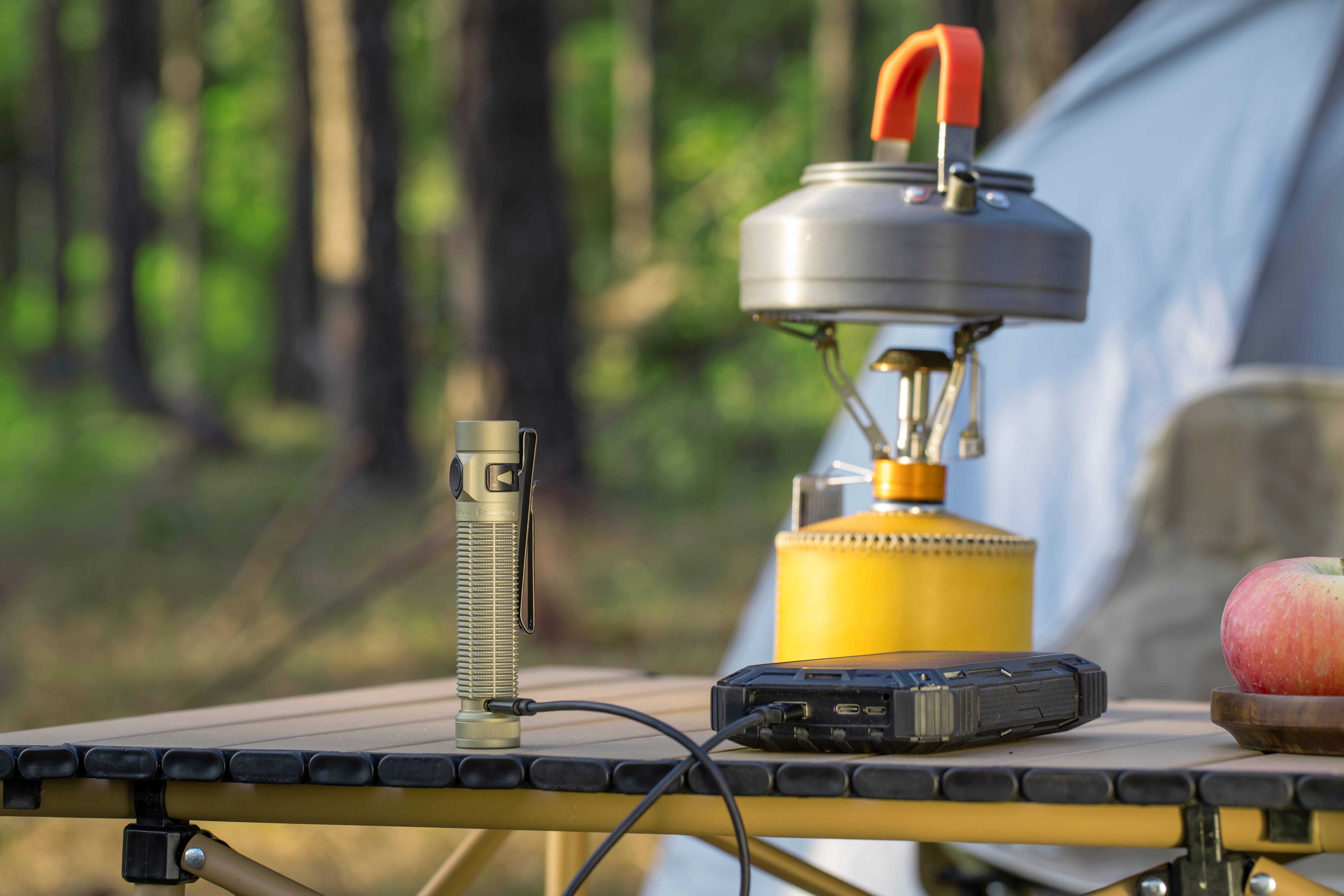
The Baton Ultra uses Olight's proprietary O-aluminum, making it significantly stronger than standard alloys. With 1,800 lumens and a 300-meter throw, it packs the power of a full-sized searchlight into a pocket-sized frame. For a more tactical approach, the Warrior Ultra offers a dual-mode tail switch and a strike bezel for emergency glass breaking.
Multi-Function Lighting Tools (Clip, Magnetic, Hybrid Designs)
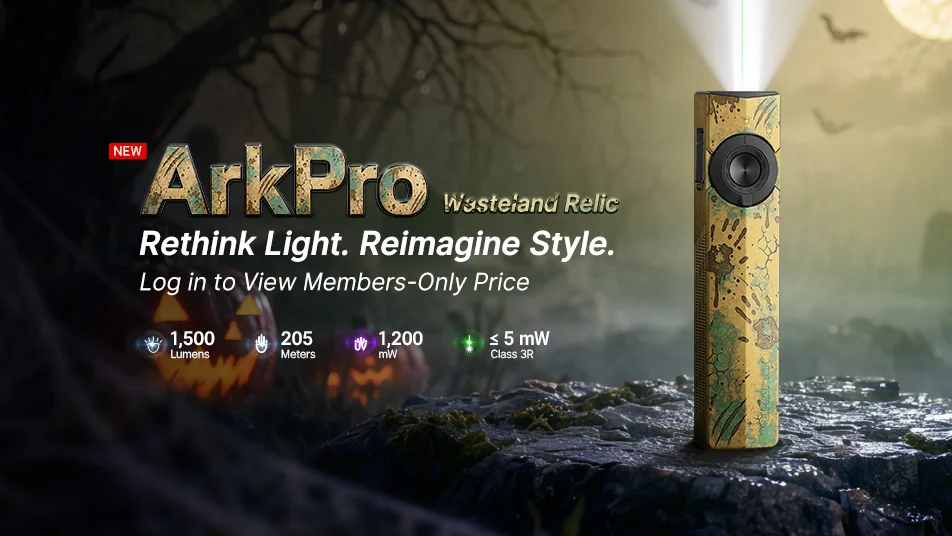
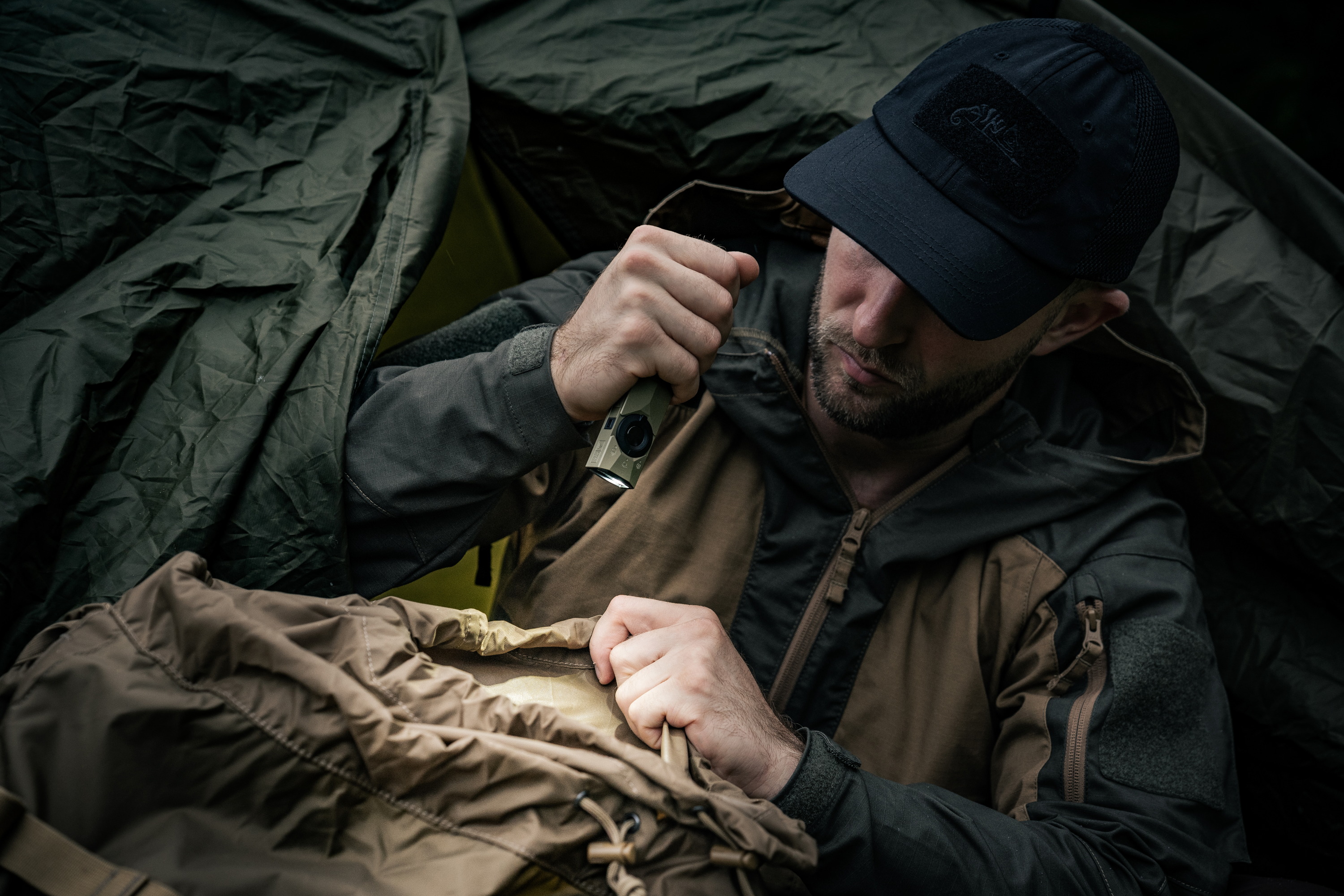
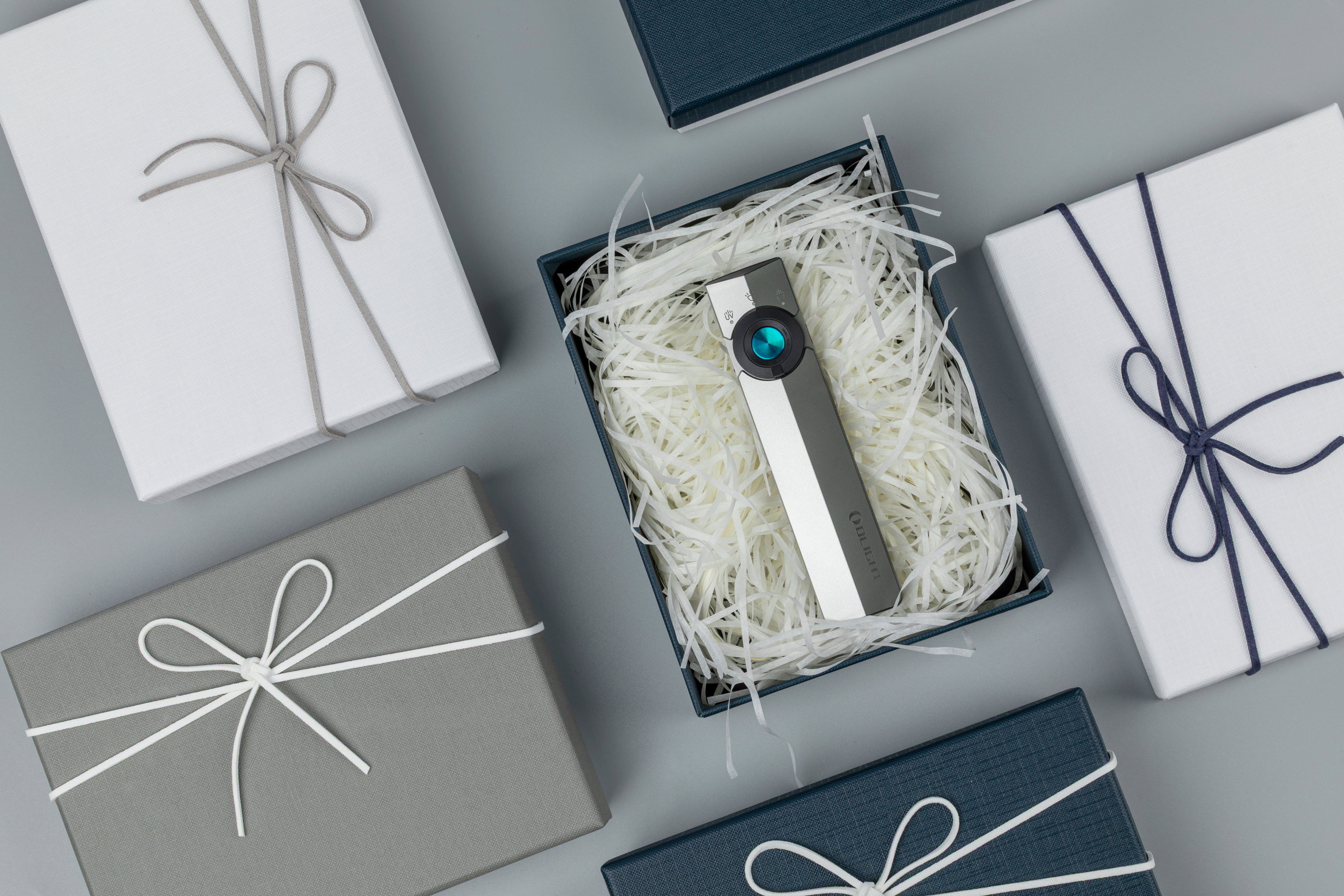
The ArkPro Series represents the pinnacle of hybrid design. The ArkPro Ultra combines a 1,700-lumen floodlight, an 800-lumen spotlight, 365nm UV light, and a green laser into a flat, pocketable unibody. This versatility makes it an ideal EDC flashlight backup for technical tasks like leak detection or signaling.
Camping Lighting Checklist by Activity
| Activity | Primary Light | Secondary Light | Key Feature Needed |
|---|---|---|---|
| Backpacking | Headlamp (Perun 2 Mini) | Compact EDC (Baton Ultra) | Light weight & red light |
| Car Camping | Lantern (Olantern Classic 2 Pro) | High Power (Seeker 4 Pro) | Long runtime & high lumens |
| Night Hiking | Headlamp (Perun 2 Mini) | Tactical (Warrior Ultra) | Beam distance & IPX8 |
| Navigation | Spotlight (ArkPro Series) | Headlamp | Green laser & high throw |
| Tent Activities | Lantern (Low mode) | UV Light (ArkPro) | Warm white or UV detection |
Battery and Charging in the Wild
Power management determines the success of your trip. In 2026, rechargeable camping lights have largely surpassed disposable options in both output and reliability.Lithium-ion batteries are known to experience reduced efficiency in low-temperature environments, a behavior widely documented in electrochemical research. As a result, field guidelines often recommend keeping batteries thermally insulated in cold conditions to maintain stable performance (source: U.S. Department of Energy — Batteries & Cold Weather Performance).
Rechargeable vs Disposable Batteries
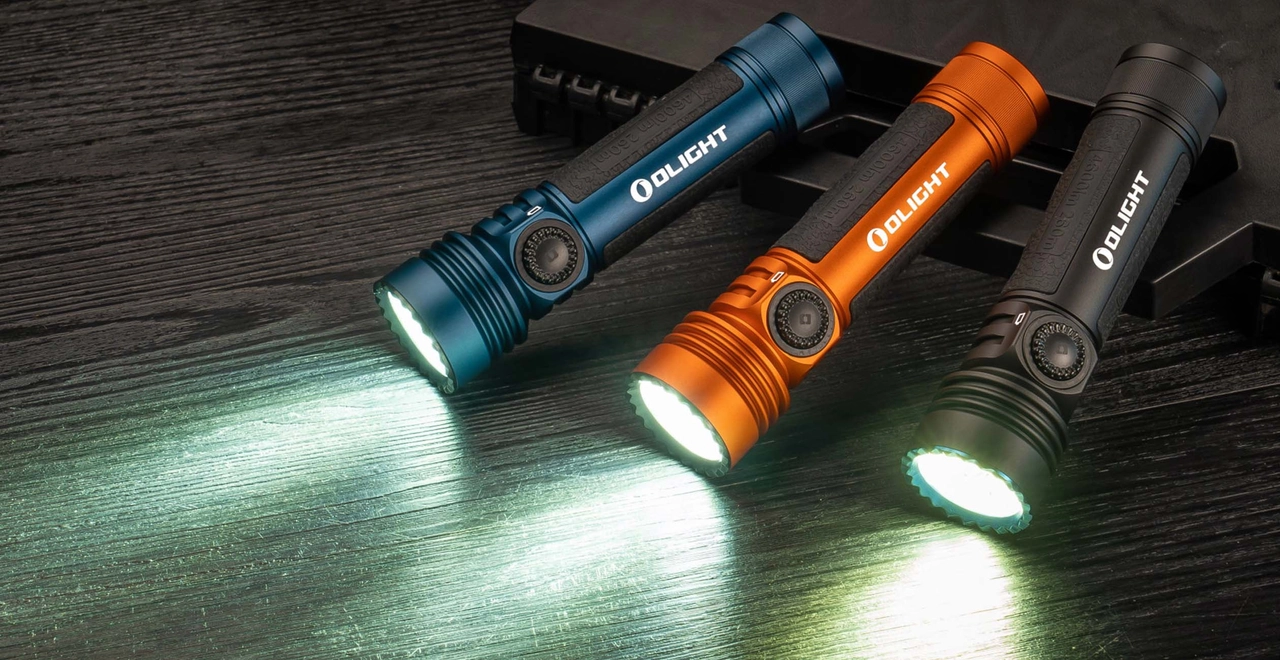
Rechargeable systems offer higher current draw, enabling the "Turbo" modes found in lights like the Seeker 4 Pro. High-capacity cells, such as the Marauder Mini Battery (6500mAh), provide the energy density needed for multi-day expeditions without the waste of alkaline batteries.
Seeker 4 Pro
A high-performance rechargeable flashlight delivering 4,600 lumens. Ideal for car camping and emergency search situations where maximum brightness is required.
View ProductUSB-C and Magnetic Charging Systems
Dual-charging systems are the standard for 2026.
- Magnetic Charging (MCC): Ideal for basecamp charging where dust and water protection are vital. It seals the light better than open ports.
- USB-C: Provides universal compatibility with power banks and solar panels, ensuring you can charge via standard cables in emergencies.
Cold Weather Battery Performance
Lithium-ion batteries lose efficiency in freezing temperatures. Keep your headlamp and backup batteries inside your sleeping bag or close to your body to maintain voltage. O-Aluminum bodies and thick thermal management fins in lights like the Warrior Ultra help stabilize internal temperatures during operation.
Camping Lighting Safety Tips
Weather Protection and IP Ratings
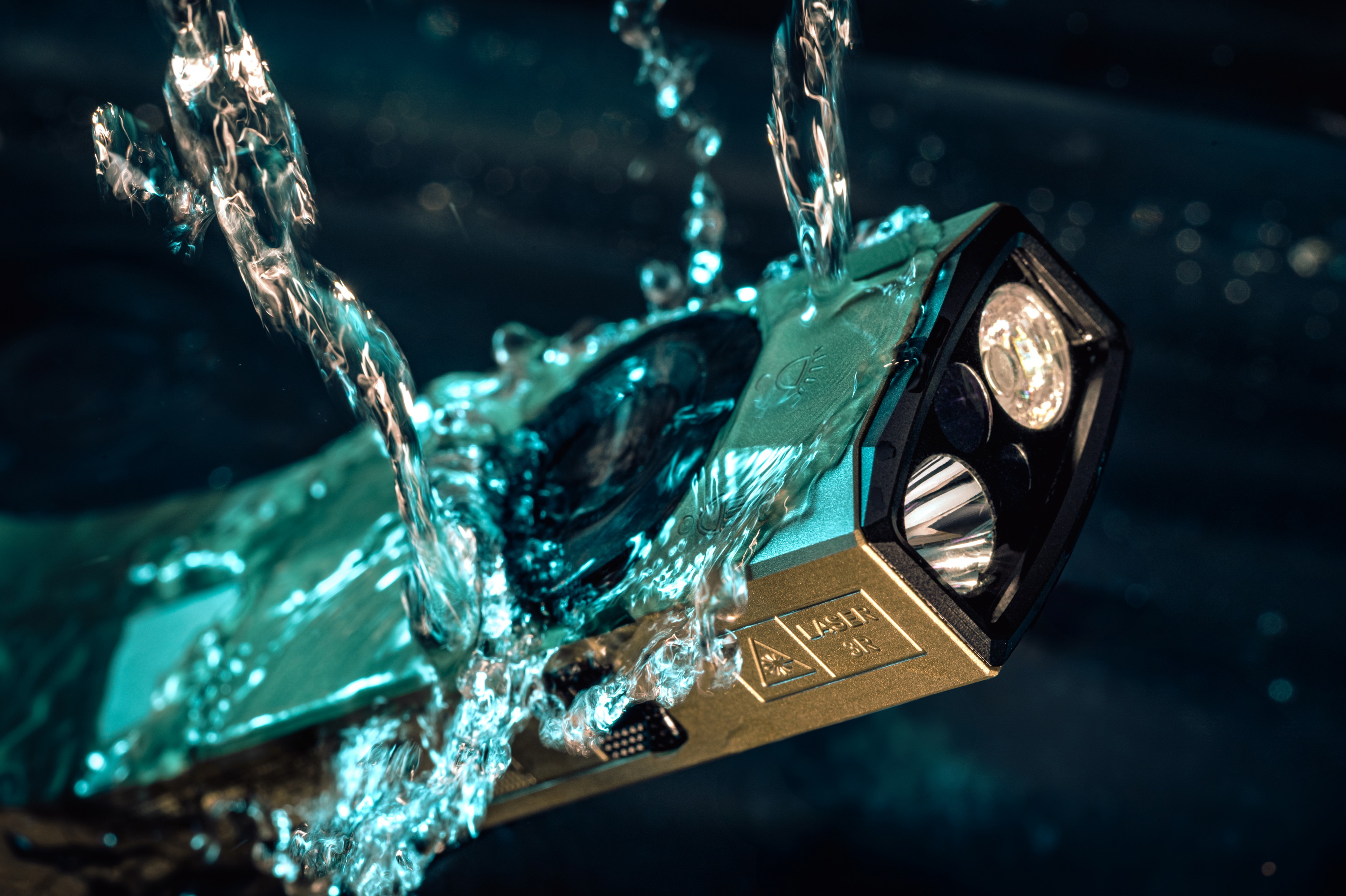
Always check the Ingress Protection (IP) rating before heading into the backcountry.IP ratings are defined under IEC 60529 by the International Electrotechnical Commission, which establishes standardized protection levels against dust and water ingress for electronic and electrical devices (source: International Electrotechnical Commission (IEC) — IP Rating Standard).
- IPX5: Protects against water splashes (e.g., Olantern Classic 2 Pro Smart). Good for general camp use.
- IPX8: Protects against continuous immersion in water (e.g., Seeker 4 Pro). Essential for stream crossings and heavy storms.
Campsite Light Etiquette and Light Pollution Control
Avoid shining high-lumen beams (over 500 lumens) directly at neighboring campsites. Use the "Moonlight" or "Low" modes for general movement. When socializing, switch to warm amber light or red light to maintain a low profile and preserve the "wilderness" feel of the area.
Safe Battery Handling and Emergency Backup
Never rely on a single device. If your primary headlamp fails, an EDC flashlight backup should be immediately accessible in a pocket or clipped to your belt. Use lockout modes (available on the ArkPro and Baton series) to prevent accidental activation in your pack, which can drain the battery or cause heat damage.
How to Choose Camping Lights: A Buyer’s Guide Summary
Lantern vs Headlamp vs Flashlight Comparison
- Lanterns: Best for stationary, group, or ambient lighting. Choose models with power bank features for added utility.
- Headlamps: Essential for active movement. Prioritize weight (under 3oz) and the presence of a red light mode.
- Flashlights: Best for distance viewing, emergency signaling, and specific tasks (UV/Laser). Look for high lumens (1,500+) and tactical durability.
ArkPro Series Flat EDC
The ultimate multi-tool light featuring a 1,700-lumen floodlight, UV light, and a green laser—all in a slim, pocket-friendly design.
View ProductBudget vs Premium Lighting Options
Budget lights often use inferior heat sinks and basic aluminum. Premium options use O-Aluminum and proprietary LED chips (like the EIP 1) to provide better beam quality and scratch resistance. Investing in a premium system ensures the internal circuitry can withstand 2-meter drops and severe weather conditions common in 2026 expeditions.
Conclusion: Build a Reliable Camping Lighting Setup for Any Adventure
A comprehensive outdoor lighting system 2026 is not just about having the brightest light; it is about having the right light for every situation. By combining a versatile headlamp for hiking, a powerful EDC flashlight backup, and a long-lasting rechargeable lantern, you ensure maximum safety and comfort.
Investing in high-quality, rechargeable tools like the Seeker 4 Pro or the multi-functional ArkPro Series provides the reliability needed for unpredictable wilderness environments. Before your next trip in May 2026, audit your gear and ensure your lighting setup is ready for the challenges ahead.