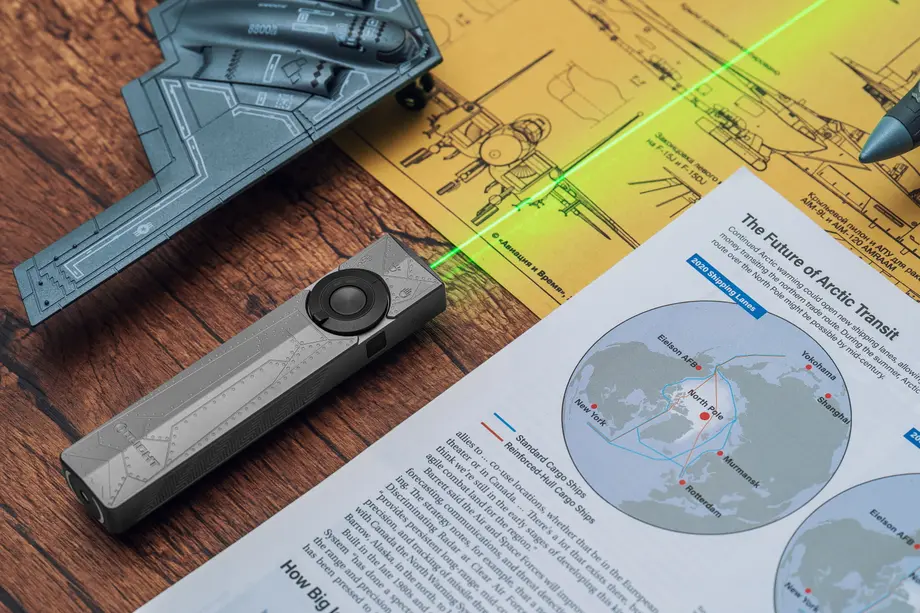
TL;DR:Lumens measure the total visible light output of a flashlight, directly affecting how bright it appears in real-world use. This guide explains how lumens work, how they differ from beam distance and intensity, and how to choose the right brightness level for camping, EDC, tactical, and outdoor use. Understanding lumens helps users avoid overpaying for unnecessary brightness while selecting the most efficient flashlight for their needs, including modern high-performance models from Olight.
1. What Are Lumens? Understanding Flashlight Brightness
2. How Many Lumens Do You Need for Different Flashlight Uses?
3. How Lumens Compare to Other Flashlight Specifications
4. Olight Flashlights by Lumen Range: Choosing the Right Brightness Level
5. Frequently Asked Questions About Lumens (FAQ)
6. Conclusion: Choose the Right Flashlight Lumens for Your Real Needs
What Are Lumens? Understanding Flashlight Brightness
Lumens represent the total amount of visible light emitted by a source per unit of time. In the context of flashlights, lumens measure the "total light output." Think of lumens as the volume of light produced; the higher the lumen count, the more light the device generates to fill a space.
For outdoor enthusiasts, understanding lumens is the first step in selecting a reliable tool. While a high lumen count suggests a bright light, it does not describe how far that light travels or how concentrated the beam is. Lumens provide a standardized way to compare the raw power of different LEDs and battery configurations. Modern portable lighting has evolved significantly, allowing compact devices to produce outputs that previously required heavy, industrial-sized spotlights.
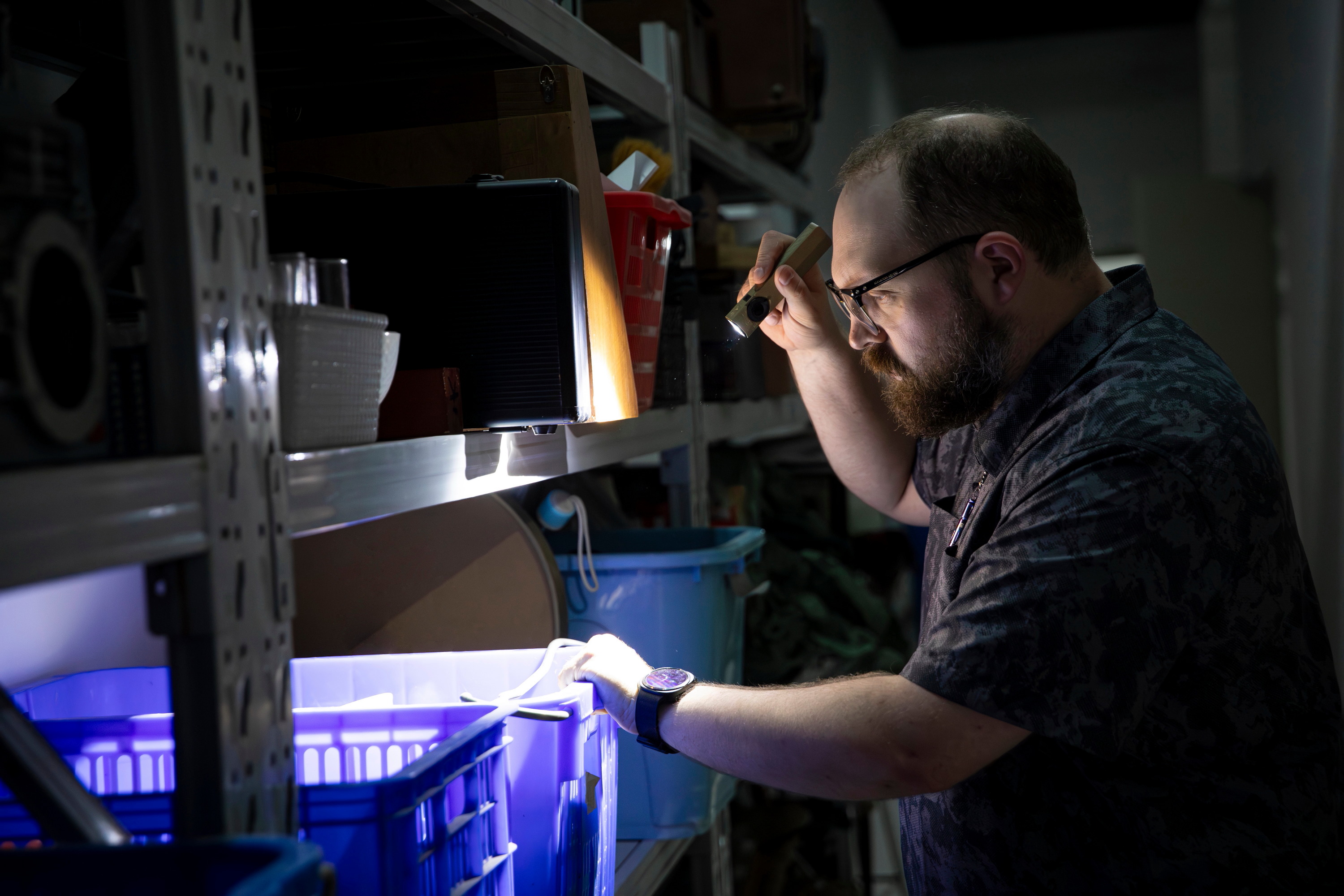
According to the U.S. Department of Energy, modern LED lighting systems achieve high luminous efficiency by converting a significantly larger portion of electrical energy into visible light compared to traditional incandescent (source. U.S. Department of Energy – LED Lighting Basics)
In standardized testing, flashlight performance is commonly measured under ANSI/PLATO FL1 protocols, which define consistent methods for evaluating lumens, beam distance, runtime, and impact resistance across manufacturers. (source:ANSI / NEMA FL1 Standard)
How Many Lumens Do You Need for Different Flashlight Uses?
The ideal brightness level depends entirely on the environment and the task. Excessive brightness can cause glare or wash out details at close range, while insufficient light can be dangerous in technical terrain.Choosing the correct lumen output is not just about brightness—it directly affects visual comfort, battery efficiency, and situational awareness in low-light environments.
1–50 Lumens: Reading, Emergency Backup, and Close-Up Tasks
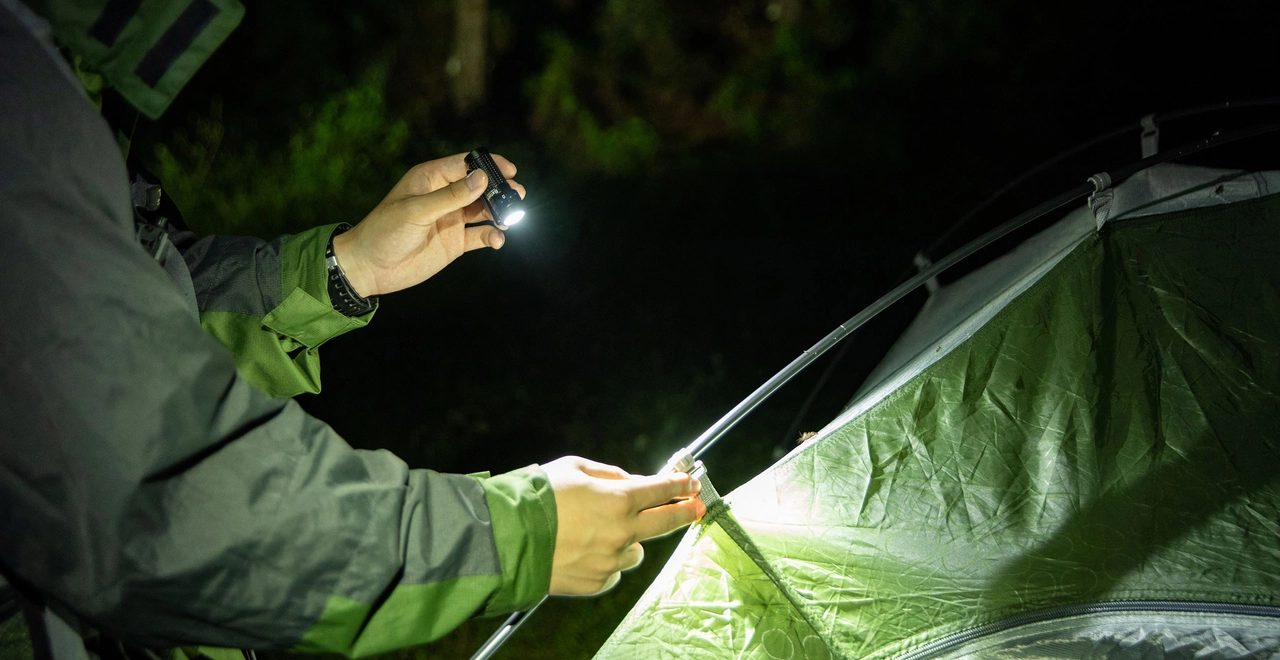
This range is perfect for tasks within arm's reach. Low lumen levels preserve your natural night vision and prevent eye strain when reading maps or searching for gear inside a tent.
- Reading: 1-5 lumens (often called "Moonlight" mode).
- Maintenance: 10-50 lumens for inspecting a circuit breaker or changing a tire at night.
- Emergency: These levels offer the longest runtimes, often lasting weeks on a single charge.
This ultra-low output range is especially useful for preserving rod-cell adaptation in the human eye, which is critical for maintaining night vision in dark environments.
50–150 Lumens: Camping, Walking, and Everyday Carry (EDC)
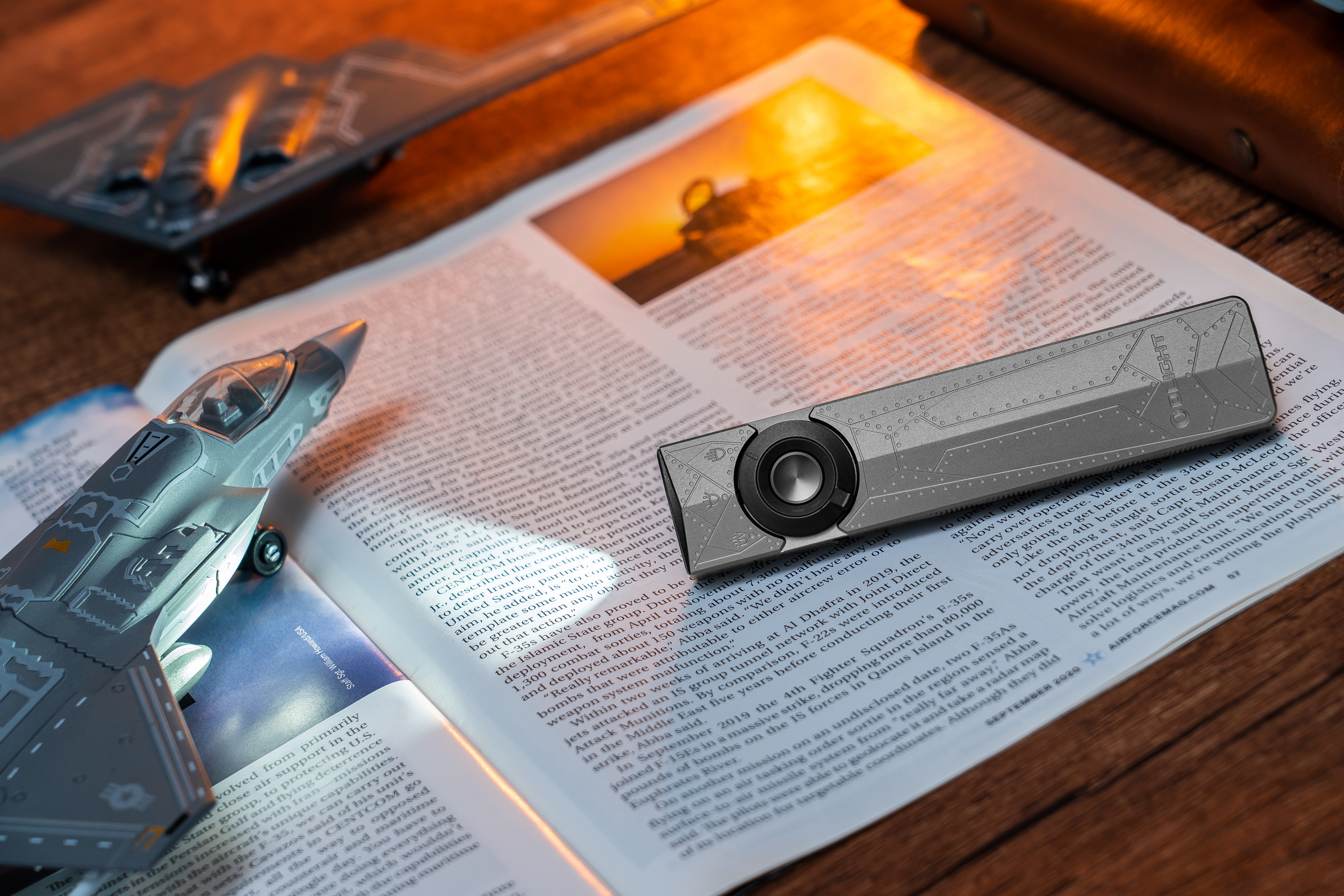
This is the standard utility range. It provides enough light to see the ground directly in front of you while walking on a paved path or performing general chores around a campsite. Most keychain lights and basic pocket lights operate in this range to balance size and battery life.For most everyday tasks, this range is widely considered the efficiency “sweet spot,” balancing visibility and energy consumption.
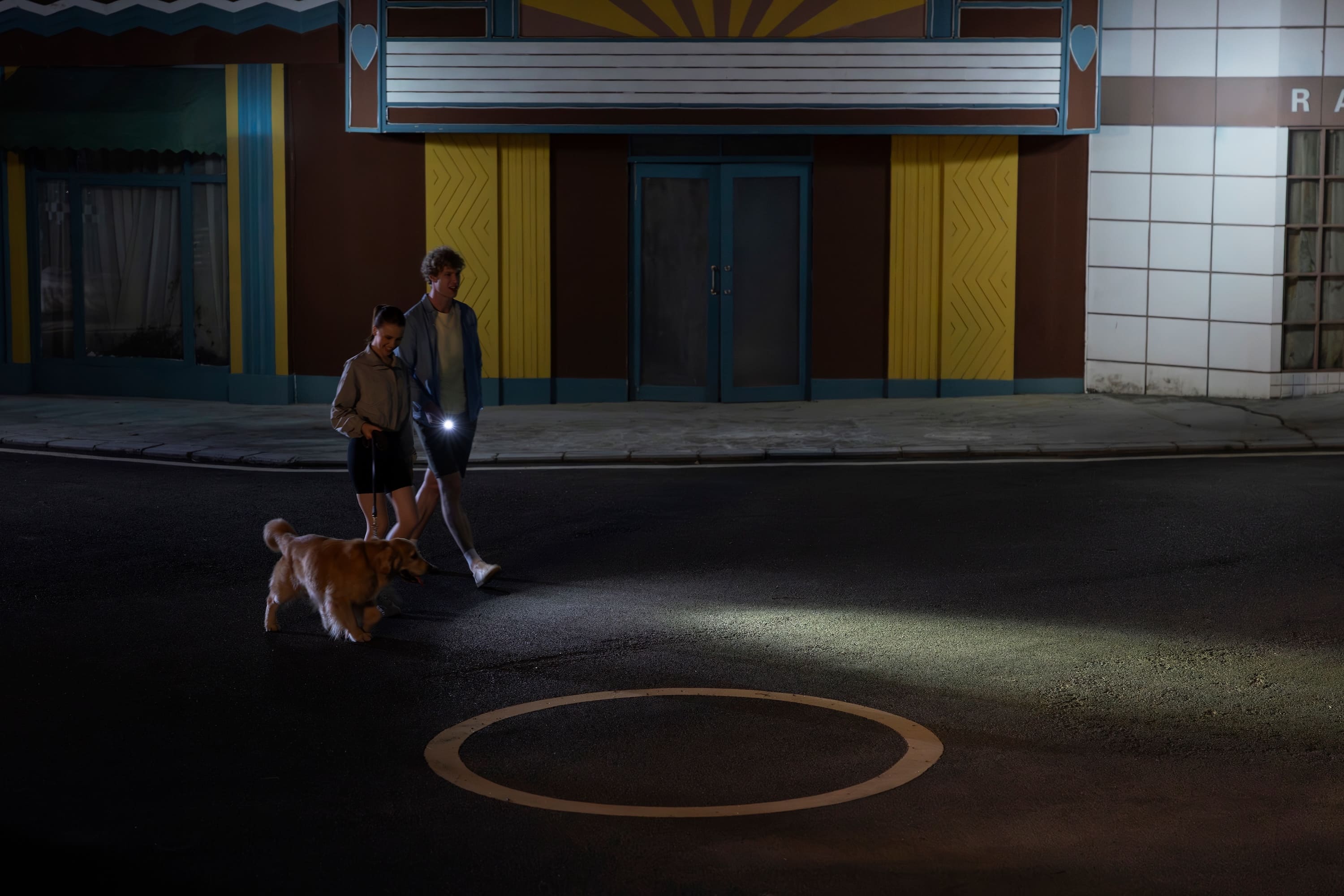
150–300 Lumens: Hiking, Dog Walking, and Home Inspection
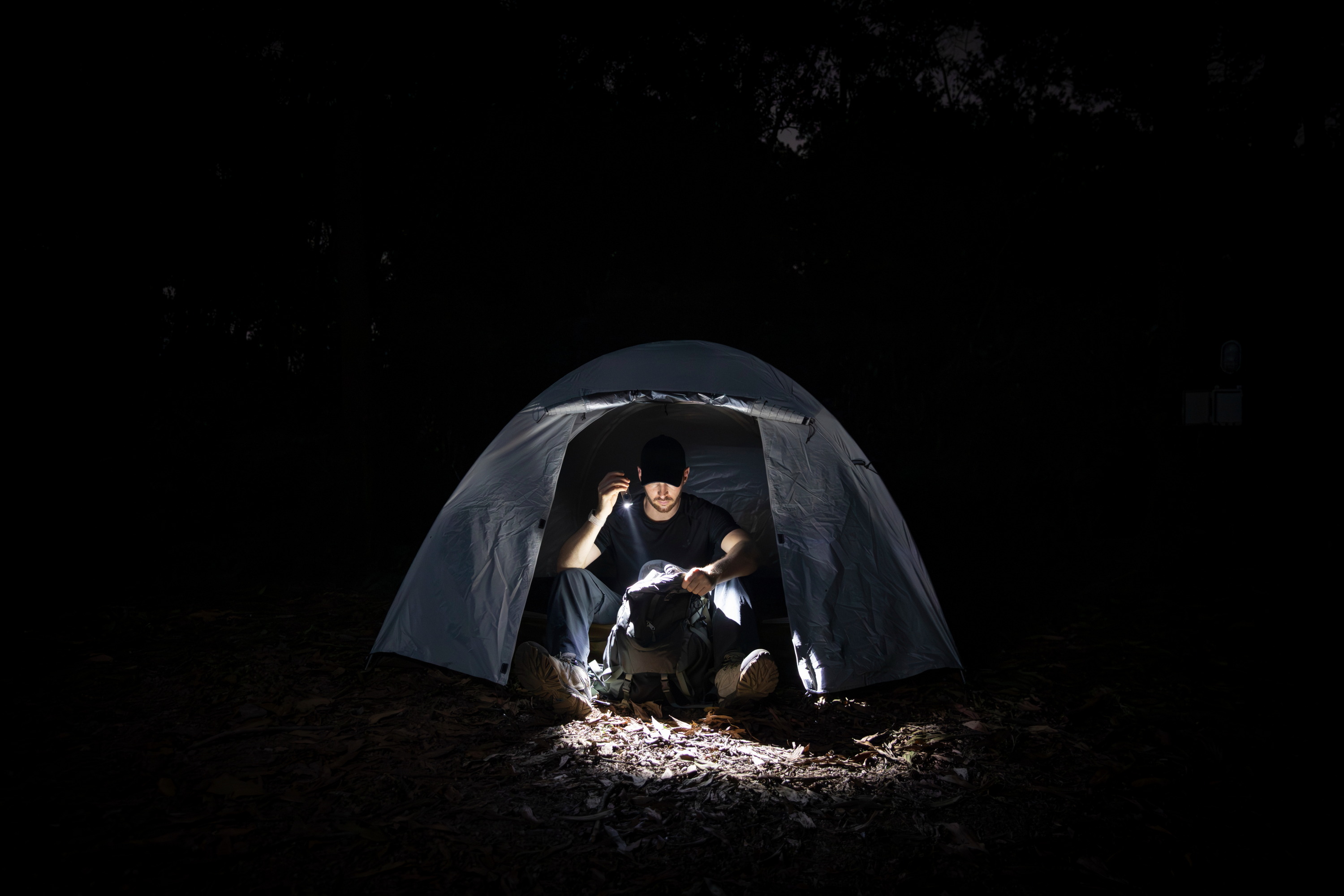
At 150 to 300 lumens, the light becomes powerful enough to illuminate a backyard or a well-marked trail. This range allows you to identify objects from 20 to 50 meters away. It is a popular choice for dog walkers who need to see several yards ahead to spot obstacles or other animals.
300–600 Lumens: Cycling, Security Patrols, and Work Lighting
This range enters the "high-performance" category for general consumers. For cyclists, 400+ lumens is necessary to see the road far enough ahead to react at speed. For home security, this level of light can easily illuminate the entire side of a house or a dark driveway.
Baton 4 Powerful EDC Flashlight
The ultimate pocket companion delivering 1,300 lumens in a tiny form factor. Perfect for hiking and daily utility.
View Product600–1000+ Lumens: Tactical Flashlight, Search Tasks, and Outdoor Adventures
Once you cross the 1,000-lumen threshold, the flashlight becomes a serious tool for search and rescue, tactical use, and deep-woods exploration.At this output level, thermal regulation becomes critical, as high-lumen operation generates substantial heat that must be managed through step-down systems and heat-dissipation design.
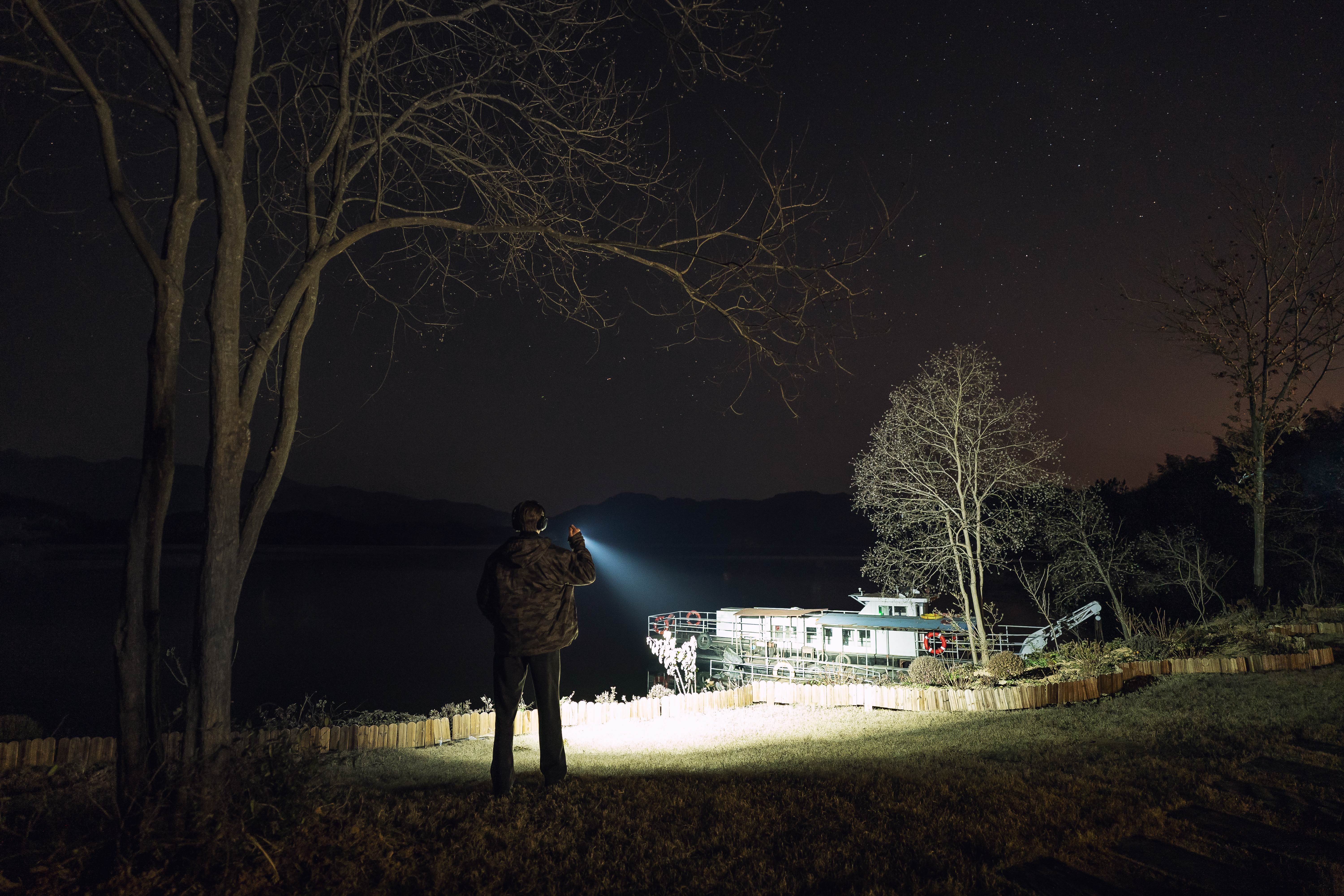
- 1,000 Lumens: Sufficient to temporarily disorient an intruder (tactical use) or light up a large clearing.
- 2,000+ Lumens: Typically found in high-power floodlights or search lights used by law enforcement and search teams.
How Lumens Compare to Other Flashlight Specifications
To choose the right light, you must look beyond the lumen number on the box.
Lumens vs. Candela: Brightness Output vs. Beam Intensity
While lumens measure total light output, candela measures the intensity of the light in a specific direction.Candela represents peak beam intensity and is a key factor in determining effective throw distance (source:Candela Definition -NIST Lighting Guide).
- High Lumens/Low Candela: This creates a "Flood" beam. It lights up a very wide area but doesn't throw the light very far. Perfect for camping and general work.
- Low Lumens/High Candela: This creates a "Spot" beam. It produces a tight, intense beam that can reach long distances, even if the total light output is lower. Ideal for search operations or long-range spotting.
For example, a 1,000-lumen floodlight might only throw 50 meters, whereas a 1,000-lumen spotlight could reach 500 meters. Always check both specs to ensure the beam pattern matches your needs.
Runtime and Battery Life: Why Higher Lumens Drain Power Faster
Brightness comes at a cost. Pushing an LED to its maximum lumen output generates significant heat and consumes battery power rapidly. Most flashlights use "step-downs," where the light automatically drops from its "Turbo" (highest) mode to a lower setting after a few minutes to prevent overheating. When evaluating a flashlight, look for the "Sustained Output"—the lumen level the light can maintain for hours, rather than seconds.Sustained output is often a more practical performance indicator than peak lumens in real-world usage scenarios.
Olight Flashlights by Lumen Range: Choosing the Right Brightness Level
Olight is widely recognized for integrating high-efficiency LEDs, compact thermal design, and magnetic charging systems across its portable lighting lineup.Choosing a high-quality brand ensures that the lumen ratings are accurate and the hardware is durable. Below are top recommendations based on specific lumen needs:
| Model | Max Lumens | Best Use Case | Key Features |
|---|---|---|---|
| Baton 4 | 1,300 | Everyday Carry | Ultra-compact, magnetic charging, 170m throw. |
| Baton 4 Pro | 1,600 | General Outdoor | High runtime, USB-C and magnetic charging, 200m throw. |
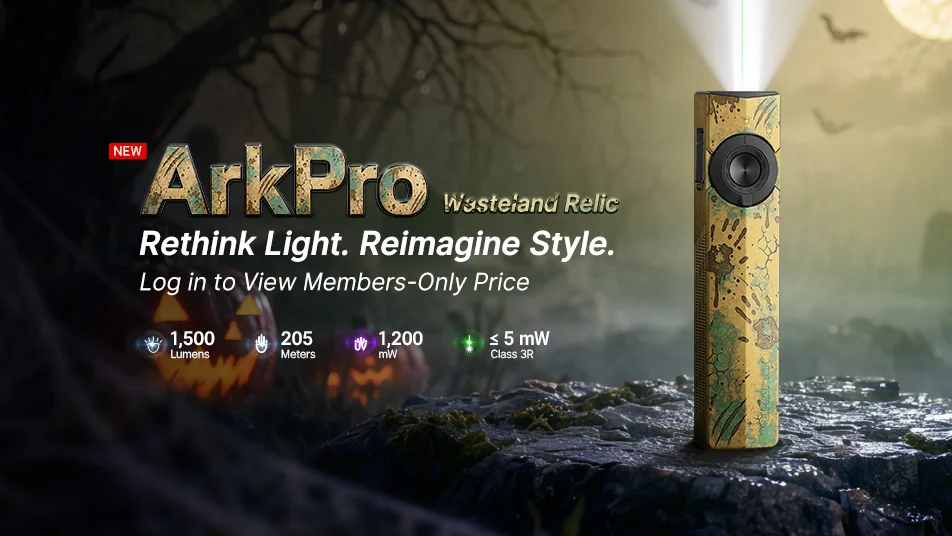
| ArkPro Series | 1,500 - 1,700 | Professional/Multi-use | Flat design, includes UV and Green Laser, flood/spot options. |
| Seeker 4 Pro | 4,600 | Search & Rescue/Camping | Intense floodlight, stepless dimming, versatile holster. |
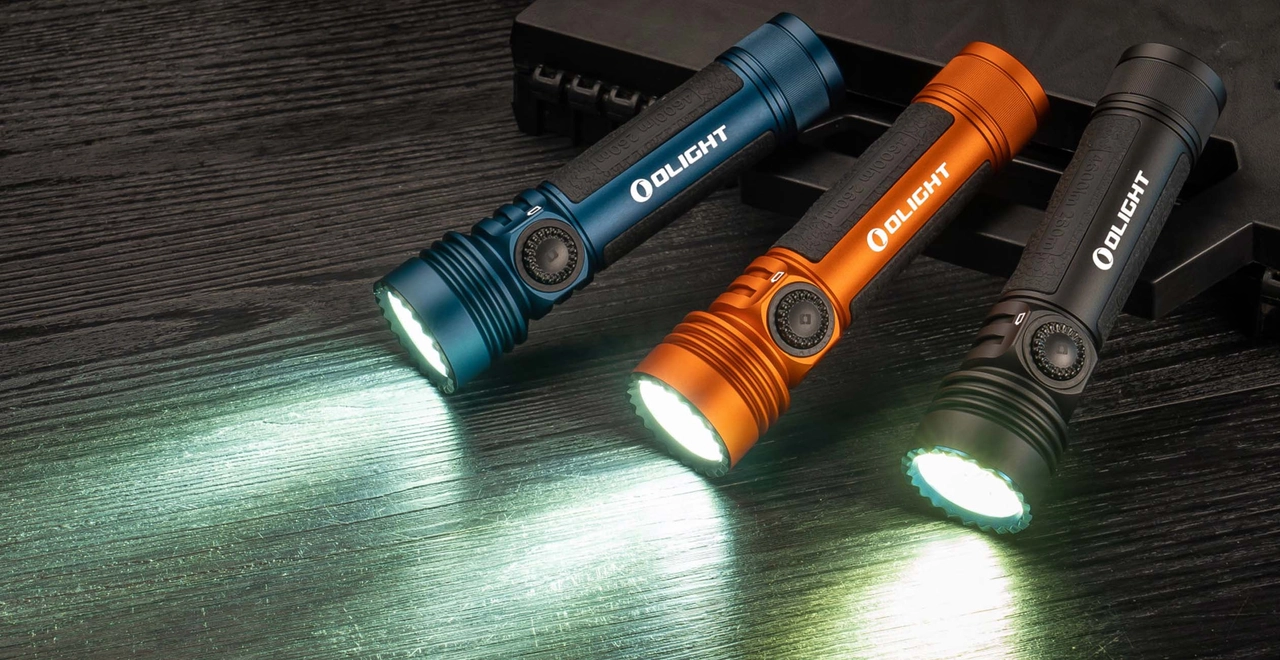
Seeker 4 Pro High Power Flashlight
4,600 lumens of pure power. The ultimate search and rescue tool with stepless dimming for any environment.
Shop NowFor those using tactical models like the Warrior series, the Warrior 3S Clip provides secure attachment for high-lumen tools during rigorous activities.
Frequently Asked Questions About Lumens (FAQ)
Is a Higher Lumen Flashlight Always Better?
How Many Lumens Are Best for Everyday Carry (EDC)?
What Is a Good Lumen Range for Camping and Hiking?
How Many Lumens Do You Need for Self-Defense or Tactical Use?
Conclusion: Choose the Right Flashlight Lumens for Your Real Needs
Understanding lumens allows you to stop overpaying for unnecessary brightness and start investing in the right features. For most users, a versatile light with multiple modes—ranging from a 1-lumen moonlight mode to a 1,000-lumen turbo—is the most practical solution.
When selecting your next tool, remember to balance lumens with candela, runtime, and physical size. Whether you need the pocket-sized power of the Baton 4 Pro or the multi-functional capability of the ArkPro Series, choose based on your specific environment. A well-chosen flashlight is not just a light; it is a critical piece of safety equipment for any outdoor adventure.