How to Store Flashlights in Summer Heat Why Summer Heat Is Dangerous for Flashlights Safe Storage Temperatures for Flashlights Where NOT to Store Flashlights in Summer Best Storage Practices for Summer How Heat Affects Different Battery Types Conclusion: Keep Your Flashlights Cool
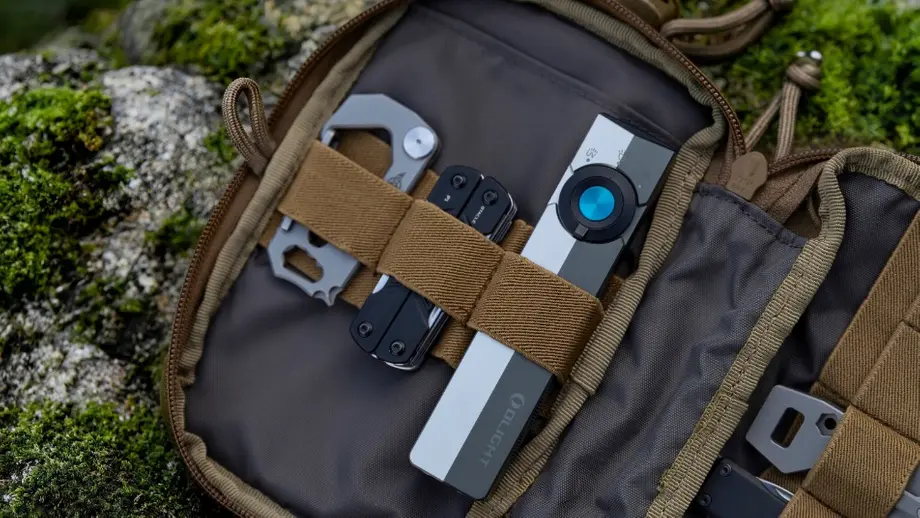
Proper flashlight storage remains a critical aspect of gear maintenance, especially as temperatures rise during the summer months. High-performance tools, such as the ArkPro Series Flat EDC Flashlights, represent a significant investment in technology and safety. Exposing these devices to extreme heat can compromise internal circuitry, shorten battery life, and damage exterior finishes. Understanding the mechanics of heat-related damage allows outdoor enthusiasts to preserve their equipment for years of reliable service.
How to Store Flashlights in Summer Heat: Protect Your Investment
Effective flashlight storage involves more than just finding a shelf. During peak summer, ambient temperatures often exceed the operating limits of standard electronic components. Protecting your investment requires a proactive approach to temperature management and physical organization. Whether you use your gear for professional search and rescue or weekend camping, the way you store your devices determines their readiness when an emergency strikes.
Why Summer Heat Is Dangerous for Flashlights
Flashlights are sophisticated electronic devices containing printed circuit boards (PCBs), LEDs, and high-energy-density batteries. Heat acts as a silent catalyst for failure in these systems. When a flashlight stays in a high-heat environment, the physical and chemical properties of its materials begin to shift.
Battery Degradation in High Temperatures
Batteries rely on controlled chemical reactions to store and release energy. Excessive heat accelerates these reactions, leading to self-discharge and permanent capacity loss. In extreme cases, thermal runaway can occur, where the battery generates more heat than it can dissipate, potentially leading to fire or explosion. Continuous exposure to temperatures above 100°F (38°C) significantly reduces the total number of charge cycles a battery can undergo.
Component Damage Risks
Beyond the battery, the physical structure of the flashlight suffers. Heat causes materials to expand at different rates. This expansion can stress the solder joints on the PCB, leading to flickering or total circuit failure. Furthermore, the seals and O-rings responsible for water resistance can dry out and crack when exposed to persistent dry heat, compromising the device's IP rating.
Safe Storage Temperatures for Flashlights
Maintaining a stable environment is the most effective way to prevent thermal damage. Tactical gear performs best when kept within specific thermal boundaries.
Ideal Range: 50-77°F (10-25°C)
The ideal range for flashlight storage mirrors the comfort zone of humans. Keeping your gear between 50°F and 77°F ensures that battery chemistry remains stable and self-discharge rates stay at a minimum. This range preserves the integrity of internal lubricants and keeps rubber seals flexible.
Maximum Recommended: Below 95°F (35°C)
While most modern flashlights can handle short-term use in hot weather, long-term storage should never exceed 95°F. Once the environment stays consistently above this threshold, the risk of chemical degradation increases exponentially. If you cannot maintain the ideal range, ensure the storage area at least stays below this critical maximum.
Where NOT to Store Flashlights in Summer
Avoiding high-risk areas is the first step in a proper flashlight storage strategy. Certain locations act as heat traps, amplifying outdoor temperatures to dangerous levels.
Inside a Parked Car
A parked car in the sun is effectively an oven. In 90°F weather, a car's interior can reach 138°F in just 90 minutes. Storing a flashlight in a glove box or center console under these conditions is a recipe for battery failure. The enclosed space prevents air circulation, trapping heat directly against the aluminum body of the light.
Direct Sunlight near Windows
Even inside a climate-controlled home, direct sunlight can cause localized heating. Windows can magnify solar radiation, raising the temperature of a flashlight sitting on a windowsill far above the ambient room temperature. This is particularly damaging to the lens and the LED emitter.
Garage Without Climate Control
Many users store tactical gear in garages. However, without proper insulation or air conditioning, garages often become 10-20 degrees hotter than the outside air. The combination of heat and humidity in a garage can also lead to corrosion of the electrical contacts.
Best Storage Practices for Summer
To maximize the lifespan of high-performance tools, such as the flat-body models in the ArkPro series, follow these professional storage habits.
Store in Cool, Dry Places
The interior of a house, such as a closet or a dedicated gear cabinet, provides the most stable environment. Central air conditioning naturally dehumidifies the air, which prevents moisture from accumulating inside the battery compartment.
Remove Batteries for Long-Term Storage
If you do not plan to use your flashlight for more than a month, remove the batteries. For flashlights with integrated rechargeable batteries, such as the ArkPro series, ensure the device is charged to approximately 50-60% before long-term storage. Storing a lithium-ion battery at 100% or 0% in a hot environment accelerates capacity loss.
Use Cases or Pouches for Protection
A dedicated flashlight storage case organizes gear and provides an extra layer of thermal insulation. Padded cases shield the lights from rapid temperature fluctuations and protect the anodized finish from scratches. Organizing your tactical gear in a case also ensures that essential accessories, such as charging cables, remain with the device.
How Heat Affects Different Battery Types
| Battery Type | Heat Sensitivity | Major Risk Factors |
|---|---|---|
| Lithium-Ion | High | Thermal runaway, capacity loss, permanent internal resistance increase. |
| Alkaline | High | Expansion leading to seal rupture and corrosive alkaline leakage. |
| NiMH | Moderate | Rapid self-discharge and reduced total cycle life. |
Lithium-Ion: Most Heat-Sensitive
Used in modern high-performance lights, such as the ArkPro, ArkPro Ultra, and ArkPro Lite, Lithium-Ion batteries offer high energy density but are sensitive to heat. High temperatures can cause the internal separator to fail. Always store these in the coolest part of your home.
Alkaline: Leakage Risk
Common in budget lights, alkaline batteries are notorious for leaking. Heat causes the internal gas to expand, forcing the corrosive alkaline electrolyte through the seals. Once an alkaline battery leaks inside a flashlight, it often destroys the electronics beyond repair.
NiMH: Moderate Tolerance
Nickel-Metal Hydride batteries are more stable than lithium-ion but still suffer from high self-discharge in the heat. If stored in a warm area, a NiMH battery might be empty by the time you need to use it.
Conclusion: Keep Your Flashlights Cool
Correct flashlight storage is a fundamental responsibility for any gear owner. By keeping your devices in cool, dry, and organized environments, you prevent battery degradation and electronic failure. High-performance models, including those in the ArkPro series, are engineered for durability, but even robust hardware requires proper care. Avoid cars and garages, use dedicated storage cases, and monitor ambient temperatures to ensure your tactical gear remains ready for any adventure in 2026 and beyond.