TL;DR: Looking for the ultimate tactical flashlight? This guide reviews the top 10 models for 2026, highlighted by the revolutionary, ultra-rugged Olight Warrior Ultra. We break down core specs like lumen-to-candela balance, military-grade durability, and intuitive controls. Find the perfect high-performance duty flashlight tailored for law enforcement, home defense, and extreme field environments.
Defining the Tactical Standard
Core Tactical Features Separating Duty Flashlights From Regular Torches
A standard household flashlight is designed for broad, close-range illumination during power outages or casual camping trips. In such contexts, "soft" switches and plastic housings might suffice. Conversely, a professional duty flashlight is engineered to withstand extreme physical abuse while offering immediate access to high-output light. The primary difference lies in the philosophy of "Survival Reliability"—when you press the button, the light *must* turn on, regardless of whether it has been dropped from a balcony, submerged in a swamp, or frozen in sub-zero temperatures.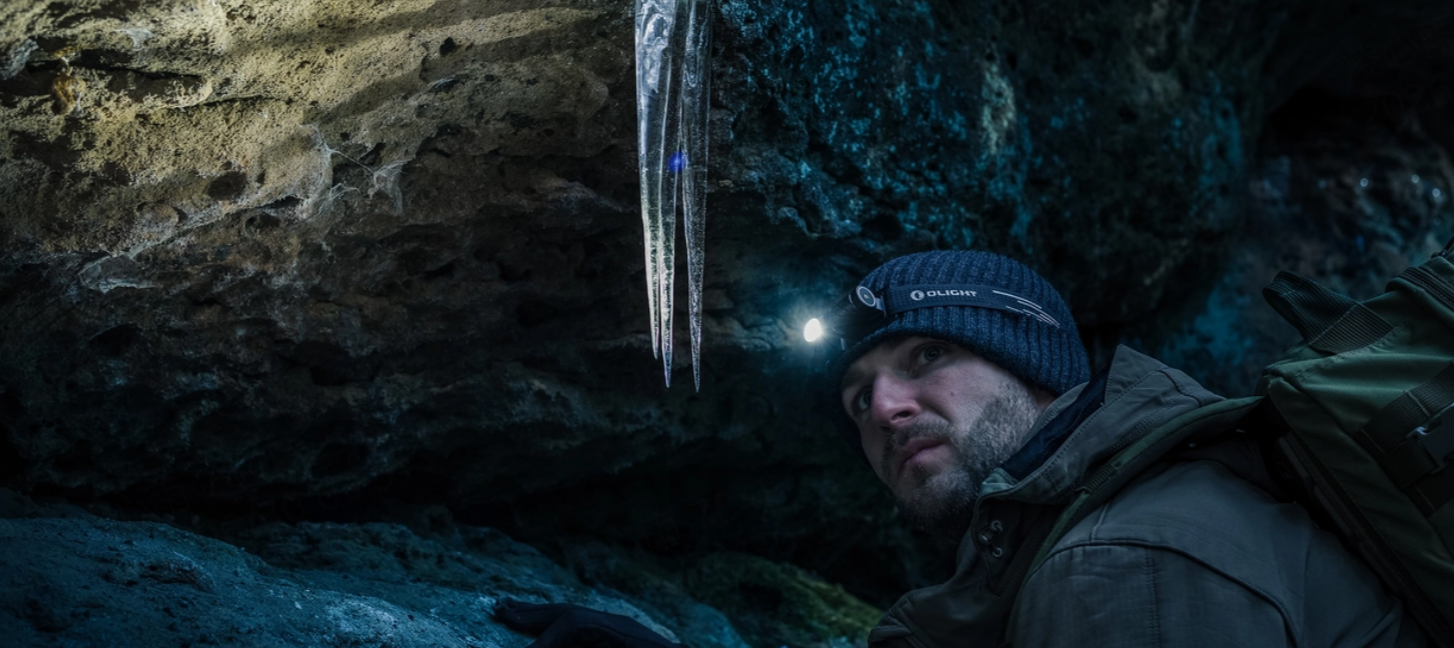
Critical Performance Standards For Law Enforcement & Military Use
Military and law enforcement operations demand specialized performance benchmarks that guarantee reliability under any conditions.(Source: wikipedia-What is flashlight?).We are no longer looking for "adequate" lighting; we are looking for "over-engineered" durability that exceeds MIL-SPEC standards.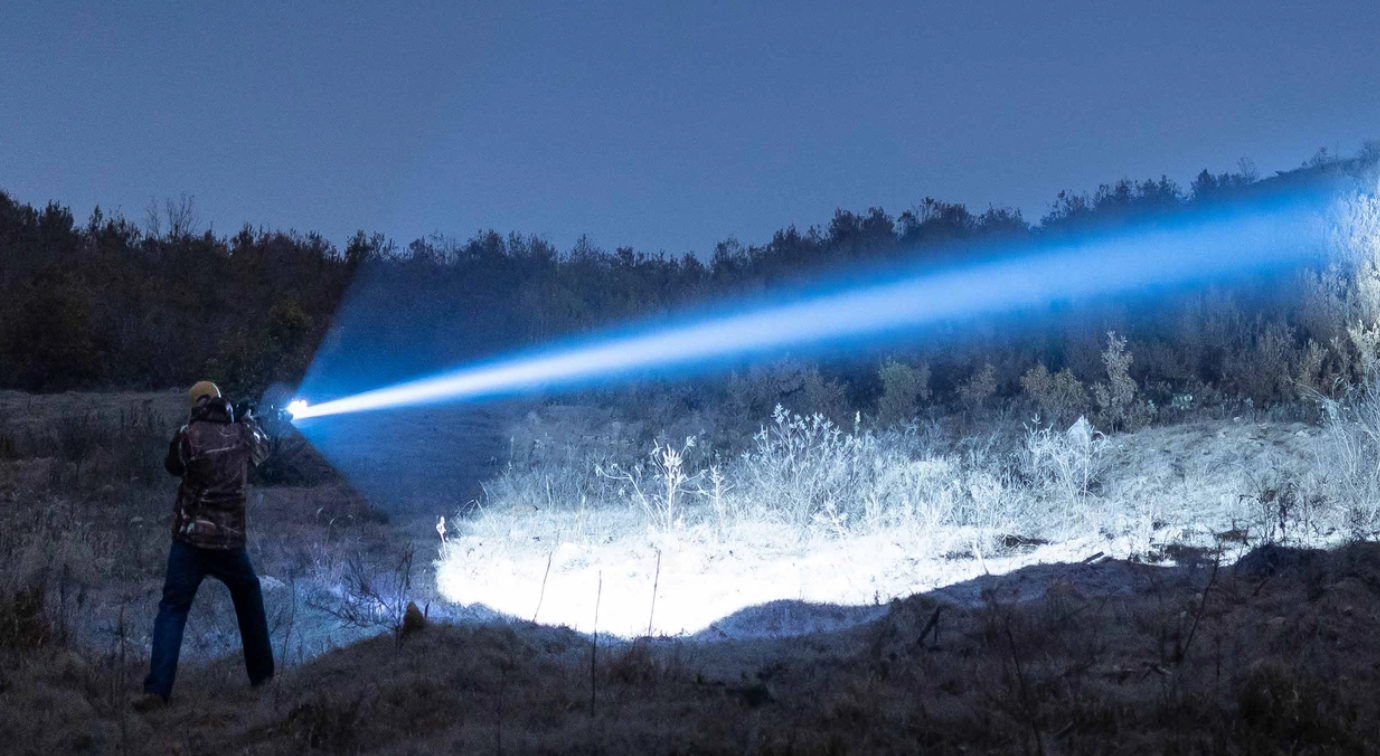
- ✔ Impact Resistance: Minimum rating of 1.5 to 2 meters on solid concrete
(Source: Wikipedia - About MIL-STD-810).This ensures the internal glass lens and the delicate LED solder points do not shatter upon impact.
- ✔ Waterproofing: IPX8 standard protection, allowing continuous submersion in water up to 2 meters deep. This is vital for marine operations or simply operating in torrential rainfall.
- ✔ Internal Buffering: Dual-spring gold-plated contact points prevent battery bounce during weapon recoil or physical impacts, ensuring uninterrupted power delivery.
- ✔ Thermal Management: Active thermal sensors dynamically adjust output to protect internal electronics from extreme heat buildup during extended high-lumen operations in the field.
Must-Have Functional Modes For Self-Defense & Emergency Scenarios
In tactical situations, simplicity saves lives. A quality tactical light avoids complex menus and focuses on immediate access to three essential modes. Over-complicated UIs can lead to "fatal hesitation"—where a user cycles through a 'reading' mode when they actually need a disorienting strobe.
| Tactical Mode | Operational Utility |
|---|---|
| Momentary-On | Silent, partial-press activation that turns off the moment pressure is released. Essential for "flash and move" tactics to prevent location disclosure. |
| Instant Turbo | Direct access to maximum lumen output to rapidly illuminate large spaces or identify distant threats at the edge of the beam. |
| High-Frequency Strobe | A disorienting strobe running between 10Hz and 20Hz(Source: britannica - stroboscopic effect), designed to temporarily impair the night-adapted vision of an aggressor and disrupt their balance. |
EDC vs. Military Tactical
EDC (Everyday Carry) lights are primarily designed to be forgotten until they are absolutely needed. They prioritize comfort, extreme portability, and sleek aesthetics so they can easily slide into a pocket. They typically feature lower outputs, lighter pocket clips, and multi-step interfaces that require fine motor skills to navigate. In stark contrast, military tactical and professional duty flashlights are engineered as rugged survival tools and force multipliers. Thicker aerospace-grade walls, dual-spring recoil absorption, and heavily reinforced crenellated bezels make them significantly bulkier but virtually indestructible under physical trauma.
Furthermore, the operational interface differs completely. An EDC light might require double-clicking to find turbo or holding a button to cycle through low, medium, and high modes—a complex process that becomes impossible when adrenaline surges and fine motor skills fail. A military tactical light offers immediate, unmistakable access to maximum lumens or a disorienting strobe from a single pressure-sensitive tactical tail switch. These lights are built to be operated flawlessly even while wearing heavy duty gloves, under extreme stress, or in torrential downpours. Redundant circuitry, gold-plated contacts, and advanced thermal management systems ensure that a military light will not fail when lives depend on it, whereas an EDC light is optimized for light-duty domestic convenience.
Another critical distinction is the beam profile. EDC flashlights generally utilize flood-style beams to illuminate a wide area at close range, perfect for finding dropped keys or navigating a dark hallway. Military tactical lights prioritize high-candela output, producing a highly focused, intense beam capable of piercing photonic barriers like smoke, heavy rain, or window tint, and disorienting potential threats from a distance. While you can carry a tactical light every day, carrying a true military-grade tool requires accepting the extra weight and size in exchange for absolute, life-saving dependability when every second counts.
2026 Testing & Methodology
Our selection process for 2026 was the most rigorous to date. We recognized that "paper specs" often lie; a light that claims 5,000 lumens might throttle down to 500 lumens within 30 seconds due to poor heat sink design. We subjected over thirty potential candidates to physical testing designed to simulate years of field abuse and thermal stress.
Drop Testing
Ten consecutive drops from 2 meters onto solid concrete. We checked for flickering, lens cracking, and tail-switch failure.
Thermal Endurance
Running lights on "Turbo" in a 40°C chamber to see which models maintained high output without damaging internal circuits.
Water Immersion
Submerging active lights in pressurized tanks for 4 hours. We then disassembled them to look for even microscopic moisture intrusion.
To earn a spot on our list, each candidate light had to meet technical benchmarks like Constant Current Regulation. A tactical light that dims as the battery dies is a liability. We required drivers that maintain stable, flat output curves. Furthermore, we prioritized Candela Efficiency—the ability to project light into a usable "hotspot" rather than just a wide, weak flood.
Top 3 Elite Picks 2026
Olight Warrior Ultra – Best Long-Range Duty Tactical Flashlight
The Warrior Ultra 2500 Lumens Tactical Flashlight Oal Material represents a significant evolutionary step in duty-light engineering.
Physical & Structural Characteristics
The defining feature of this flashlight is its O-Aluminum construction. This specialized material is 1.73 times stronger than standard 6061-T6 aerospace aluminum. In our testing, this allowed the housing to remain structurally perfect even after being run over by a vehicle. The aggressive strike bezel on the head is not just for show; it is designed to shatter tempered glass with a single strike, making it indispensable for first responders.
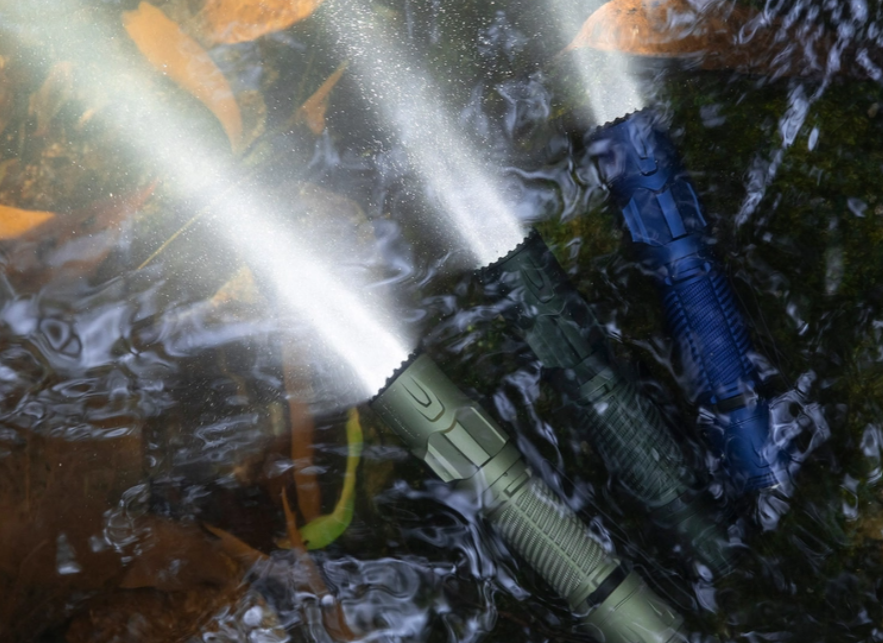
Olight Warrior 3S – Top Magnetic Rechargeable Patrol Flashlight
The Warrior 3s remains an industry-leading option for law enforcement officers who require a dependable, daily-carry duty flashlight.
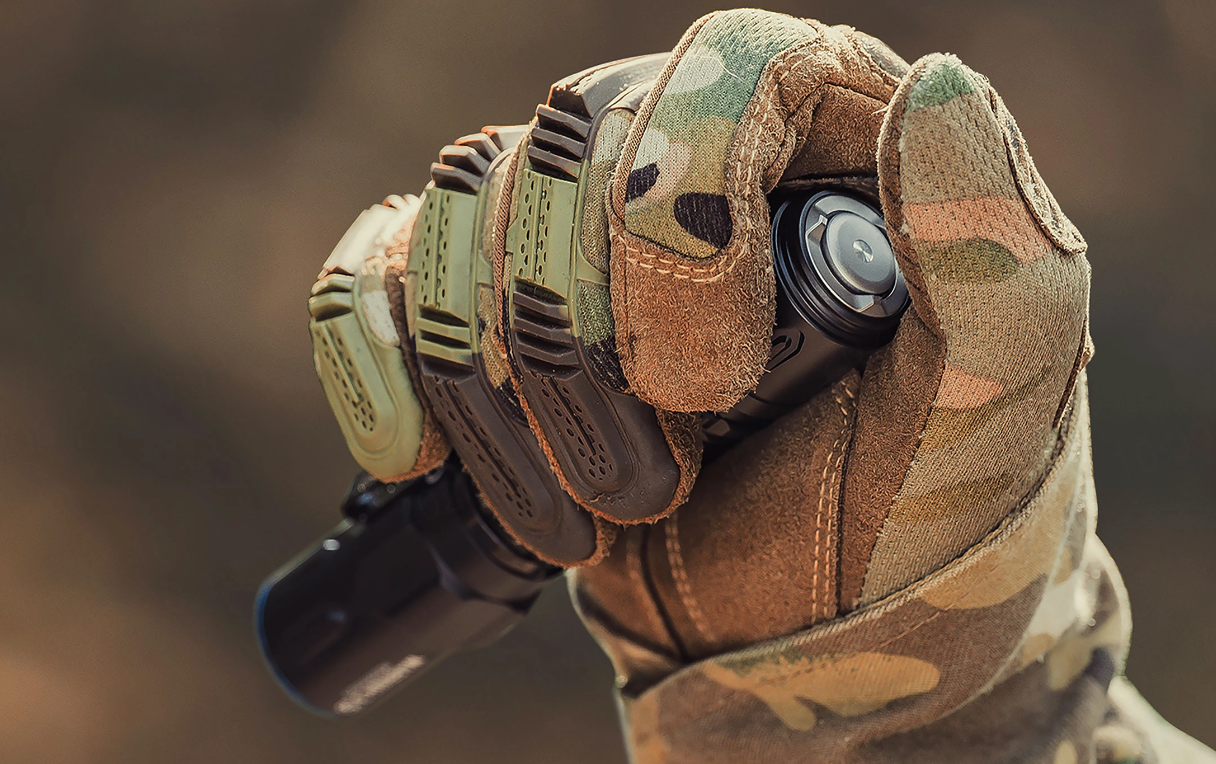
Equipped with a high-efficiency Cool White LED and a custom TIR optic lens, the Warrior 3S pumps out a clean 2,300-lumen beam. This optic design strikes a perfect balance between a concentrated hot spot for long-range target identification and a smooth spill beam for local situational awareness. Around the side switch, Olight integrates a clean, 4-level indicator interface showing real-time battery and brightness levels—a feature that removes the "guesswork" from power management during a long shift.
To prevent accidental burns, the 3S features an integrated proximity sensor. If the light is activated in a pocket or bag, it automatically dims to prevent heat damage. This attention to safety and reliability makes it a top choice for professionals.
| Max Output | 2,300 Lumens |
| Switch System | Dual Switch (Tail & Side) |
| Safety Feature | Disableable Proximity Sensor |
Olight Perun 3 Mini – Compact EDC Tactical Light
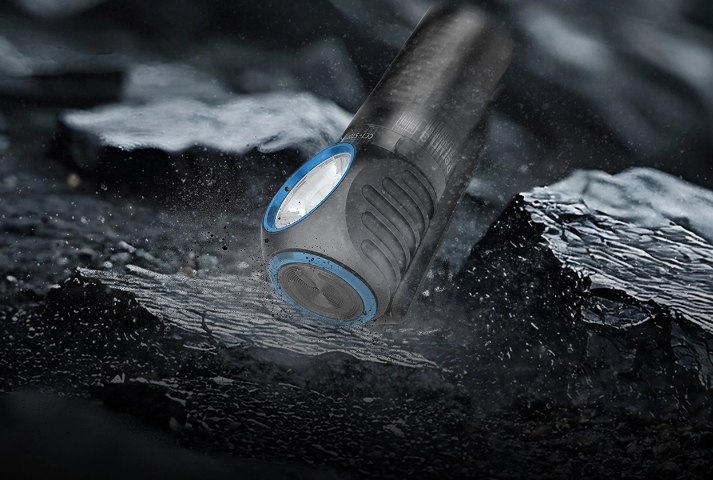
The Perun 3 Mini Headlamp Flashlight delivers incredible performance in a compact form factor. This right-angle light detaches instantly from its 3D-breathable headband to function as a handheld torch. It features dual light sources: a white LED capable of hitting 1,250 lumens, and a red LED designed to preserve natural night vision—critical for reading maps or signaling without exposing your position to the entire horizon.
Specialized Use Case Scenarios
Law Enforcement & Patrol: Officers require a light that can handle "administrative tasks" (writing a report) as well as "high-stress scenarios" (clearing a building). The Warrior 3S is the standard here because its side switch handles the mundane, while the tail switch handles the tactical.
Military Field Operations: In the field, you might be away from a charger for weeks. Durability and battery management are paramount. The Warrior Ultra is built to survive the vibration of firearms and the abrasion of sand and rock, while its 5,000mAh battery provides immense endurance.
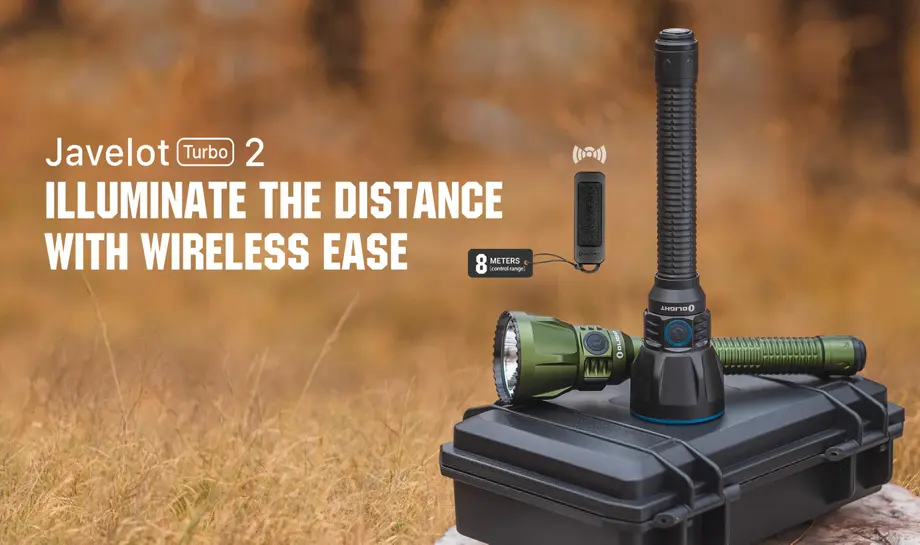
Home Defense & Security: For perimeter guarding, you need to identify a threat before it reaches you. High-candela lights like the Javelot Turbo 2 allow you to spot intruders from a safe distance, often discouraging them before a confrontation even begins.
Search & Rescue (SAR): SAR teams often work hands-free. A modular right-angle light like the Perun 3 Mini allows them to climb, render aid, or navigate with headlamp-style lighting, then switch to handheld for detailed ground searching.
Deep Technical Comparison
Buying a tactical light based solely on "Lumens" is like buying a car based solely on "Top Speed"—it doesn't tell the whole story. You need to understand how the light is shaped and how long it can stay on.
💡 Lumens (Volume): The total amount of light coming out. High lumens are great for "flooding" a room but might blind you if the light reflects off a white wall at close range.
🔦 Candela (Intensity): The focus of the light. (Source: nist.gov - Luminous Intensity).High candela means the light can pierce through "Photonic Barriers" like car window tint, smoke, or a brightly lit street.
🔋 Power Management: Look for lights with 21700 batteries for the best power-to-size ratio. Avoid lights that use non-standard batteries unless they offer a significant advantage (like the proprietary Olight magnetic charging cells).
Charging Systems: Magnetic charging is superior for patrol vehicles—just drop the light onto the magnet. However, USB-C is more universal for field operations where you might only have a power bank. High-end lights like the Warrior Ultra often support both or provide very fast magnetic charging (MCC3) to minimize downtime.
Expert FAQ & Maintenance
What Lumens Count Is Ideal For Professional Duty Flashlights?
For most duty applications, 1,500 to 2,500 lumens is the "Sweet Spot." This level of output is intense enough to disorient an aggressor by washing out their vision, but it doesn't generate so much heat that the light becomes too hot to hold within seconds.
Are Magnetic Rechargeable Tactical Lights Reliable?
Yes. In fact, they are often more reliable than USB-C lights because the charging surface is sealed. There is no port for mud, lint, or salt-water to enter. For professionals who are in and out of patrol cars, the snap-on convenience is a massive ergonomic win.
How Do I Maintain My Tactical Light?
- Threads: Clean every 3 months with a cloth and apply silicone-based grease.
- Lens: Use a camera lens cloth; fingerprints can absorb heat and cause micro-cracks over time.
- O-Rings: Inspect for tears to maintain your 2-meter waterproofing.