TL;DR: Keep a battery-powered flashlight within reach of your bed, a separate light near your keys, and a low task light for the desk. Start with what your housing rules allow. During a power outage, use battery lighting and follow alarms and campus emergency instructions promptly.
📋 Table of Contents
- 1. Put dorm emergency light at three places you can find
- 2. What lights are allowed in dorms?
- 3. Are candles banned in dorms?
- 4. What is the best rechargeable light for small spaces?
- 5. Compare five actual dorm flashlight options
- 6. Buy the smallest kit that covers the jobs
- 7. Keep charging, storage, and roommate handoffs simple
- 8. Run a short check while the room still has power
- 9. Use the light while following campus instructions
- 10. Adapt the plan after an extended break
- 11. Frequently Asked Questions
Put dorm emergency light at three places you can find
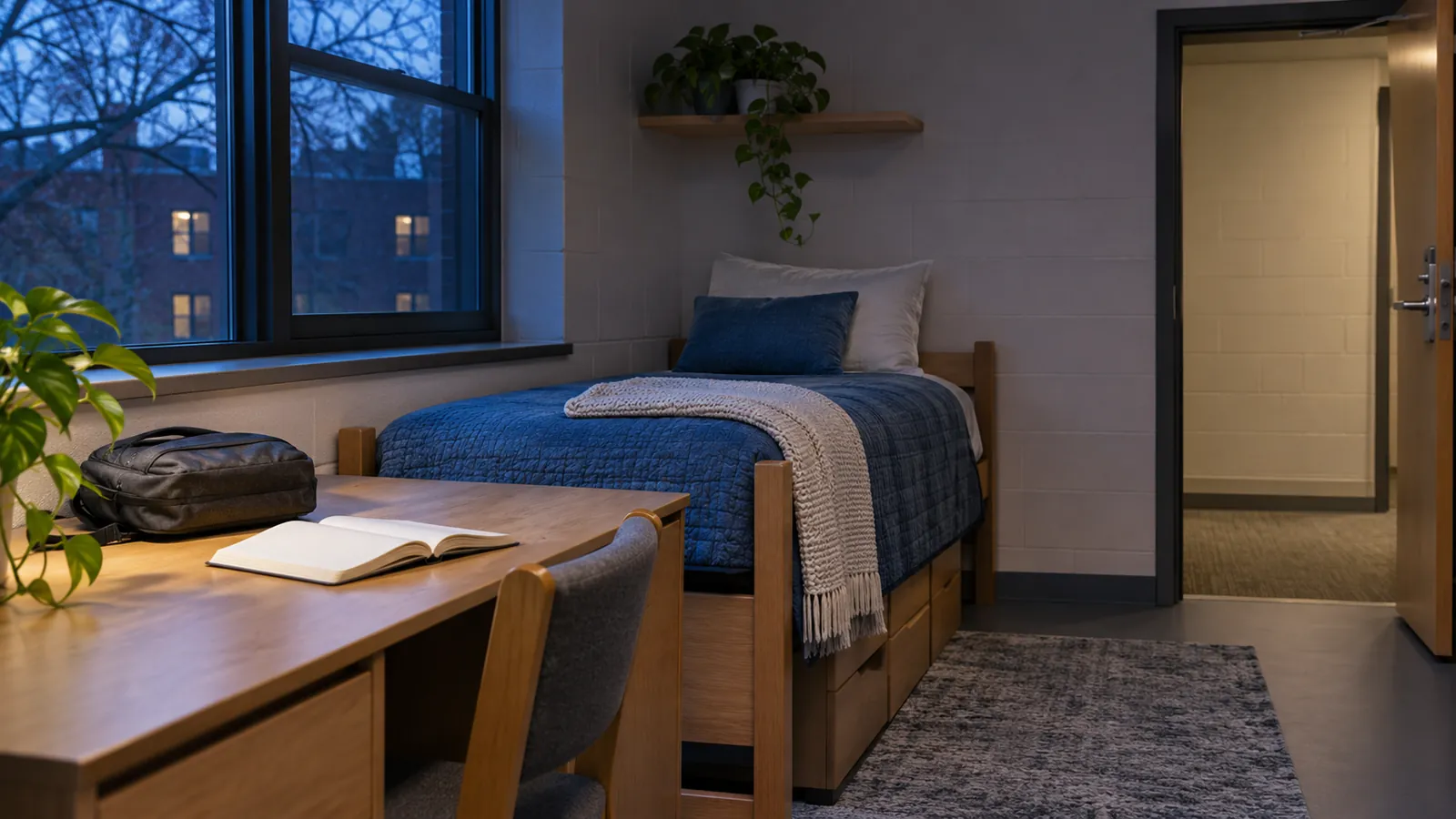
The first job for a dorm room EDC flashlight is to be there when the room goes dark. Start at the bed, then find the keys, shoes, and the route to the door in your ordinary layout. A room that looks straightforward during move-in can have a hamper in the middle of it two days later. Choose a reliable spot you can reach from the bed instead of buying more light to make up for a hard-to-reach flashlight.
Keep a separate light near the keys or the bag that usually travels with you. That gives the roommate who is already near the door a way to find the next light without crossing past your bed. It also gives you a reserve if the main light has been borrowed. The third spot is for a lower, aimable task light at the desk. With the room going about its normal evening routine, see where that beam lands and whether it shines straight into the other bed.
| Location | Job during an outage | How to make it easy to use |
|---|---|---|
| Bedside | See the floor, shoes, and room route right away | Store a handheld flashlight in a fixed reachable spot |
| Near keys or bag | Keep an independent reserve or carry light where directed | Store it inside the room without adding a tripping hazard |
| Desk or stable shelf | Read the room notice, pack a bag, or get hands free | Aim a low task light at the work surface |
A small room may need just two lights at first. Start with one that both roommates can find quickly and a reserve that is powered independently. If the bedside light can also handle a desk task while someone else remains at the bed, use it for both jobs when practical. Add another light when the tasks regularly happen at the same time. The three locations describe the jobs to cover. They give you a way to see what is already working before deciding what to add.
The right distances change when the room holds a lofted bed, two desks, or a shared door. If you sleep above floor level, decide where a light is reachable before your feet leave the bed and make sure its storage is secure. Put the room's common light where both residents can get to it without climbing over the other person's belongings. If your chair gets pulled into the path each night, give it a usual place that keeps the floor open.
Look at this from a visitor's point of view, too. A classmate sleeping over should know how to find a light and get to the door without opening every drawer. A short explanation while the room lights are on is often enough. Give the shared light a name in that explanation. “The small light in the top tray” is easier to remember than “one of the lights on my side.”
What lights are allowed in dorms?
Read your current residence handbook and electrical rules. A battery-powered flashlight is a practical outage option at schools such as Stanford and UConn, which recommend flashlights in their guidance. A plugged-in lamp, string lights, or a charging accessory may have separate rules. Ask housing staff about your specific room if a product is unclear.
The Stanford student housing health and safety page tells residents to use flashlights during an outage and to check campus alerts. Its electrical guidance calls for UL-certified appliances and surge protectors, cautions against daisy-chaining extension cords, and says to keep cords out from under rugs and out of doorways. Those instructions apply in the setting the school describes. Use your own school's current rules for the room you have signed up for.
For an apartment, open the lease and the building's emergency instructions. Check how the building manager handles an outage and what the lease says about accessories and open flame. The electrical setup can differ from a residence hall even when the apartment is managed by the university. Keep that information in the same place as the building's contact details.
Make the policy question specific when you write to housing. Say whether the item is a portable light, a plug-in fixture, or a charging accessory, and attach the model identification if that helps. A tabletop battery-powered light, a wall-mounted fixture, and a cable crossing a common area have different implications. Ask before moving, installing, or changing anything that belongs to the room.
Are candles banned in dorms?
Some residence halls prohibit candles, and campus rules can cover possession as well as use. UConn's residential outage guidance says candles are prohibited under its housing contract. The U.S. Fire Administration advises using flashlights for power outages. Check the current policy for your residence and keep a working battery-powered light available.
The UConn power outage guidance addresses residence halls and university apartments. It directs residents to use a flashlight with batteries or a phone light under the conditions it describes and to pay attention to official campus instructions. Read the section that matches your building. An outage itself leaves the room's fire and housing rules in place.
The U.S. Fire Administration guidance on power outage lighting recommends flashlights in place of candles. That advice also makes the first minute easier to plan. Put your portable light where you can find it without looking for a match, leaving the room, or borrowing somebody else's phone. A lower beam at the table may be enough for reading a message. Keep the handheld available when you need to see the floor.
A battery-powered decorative fixture may be a separate question for your school. For your emergency kit, give first priority to a light you can quickly aim and switch on without room power. Ask housing about the particular device if you are shopping for something that plugs into the wall, attaches to a building fixture, or uses a charger not already in your room.
What is the best rechargeable light for small spaces?
Choose a compact light with a low white setting, controls you can find quickly, and a charge connection you already know how to use. A clip light suits a stable desk attachment. A handheld suits the path from bed to door. Keep a separately powered backup for when the rechargeable unit runs low.
A rechargeable flashlight earns a place in a dorm when it is easy to return to the same spot and check before dark. A wall power source is useful during an ordinary week, when you can get the light ready. During an outage, work with the charge the light already has or an approved supported backup. Keep the spare simple. A small light that runs on its specified battery can work even when several rechargeable devices are waiting for an available outlet.
Look at the way the beam lands in the room. A narrow beam can help you find a keyhole or read a door number or a printed room notice. A low, wider beam works on the contents of a desk drawer without lighting half the room. Another choice is a headlamp with a low white mode you can point down when you need both hands. Pick the light around the task and use the minimum comfortable setting for that task.
The planned runtime for a particular setting should give you room for whatever your day actually requires. Read the exact product table. On some lights the first output changes during operation. The highest number on the category page gives you little information about how long an ordinary low or medium setting stays available. Keep the charging instructions and check the controls while the building still has power.
Compare five actual dorm flashlight options
These five examples cover different roles. A rechargeable model and a removable-battery backup can make sense together. Use the options that cover your room and check what the exact U.S. version includes. A stable battery light that is already in the room can be enough for a job that seldom moves.
| Light | Most useful dorm role | Power or setup to verify |
|---|---|---|
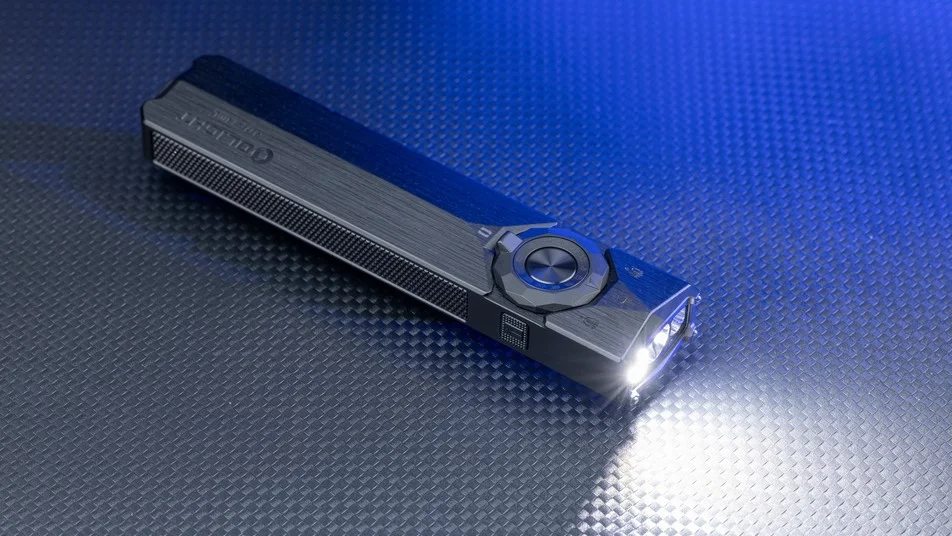
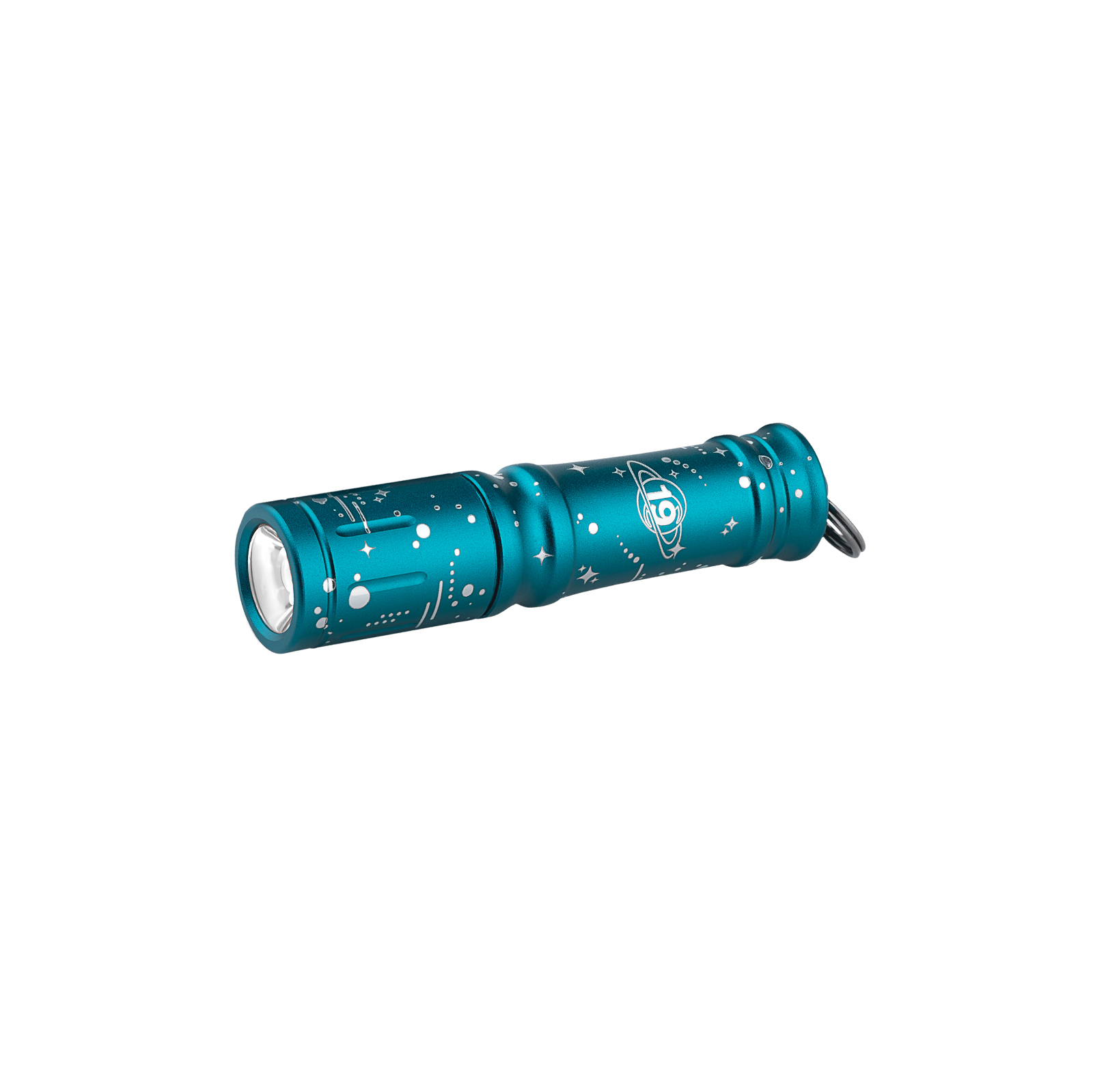
| i3E EOS 19th Anniversary Edition | Small reserve by the keys | One AAA battery specified for the exact light |
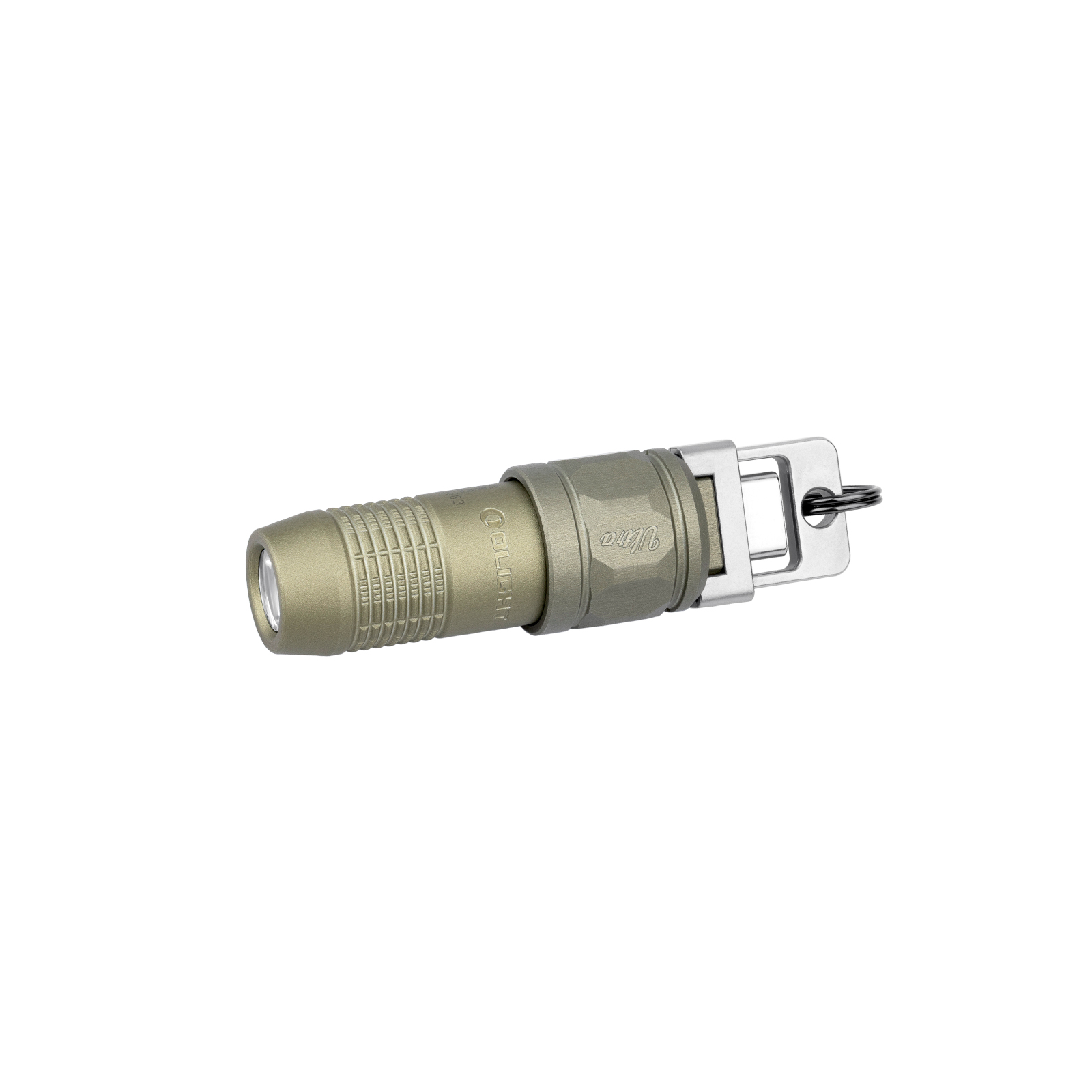
| iUltra Olive Green | Rechargeable key or bag light | Built-in USB-C plug and supported charge source |
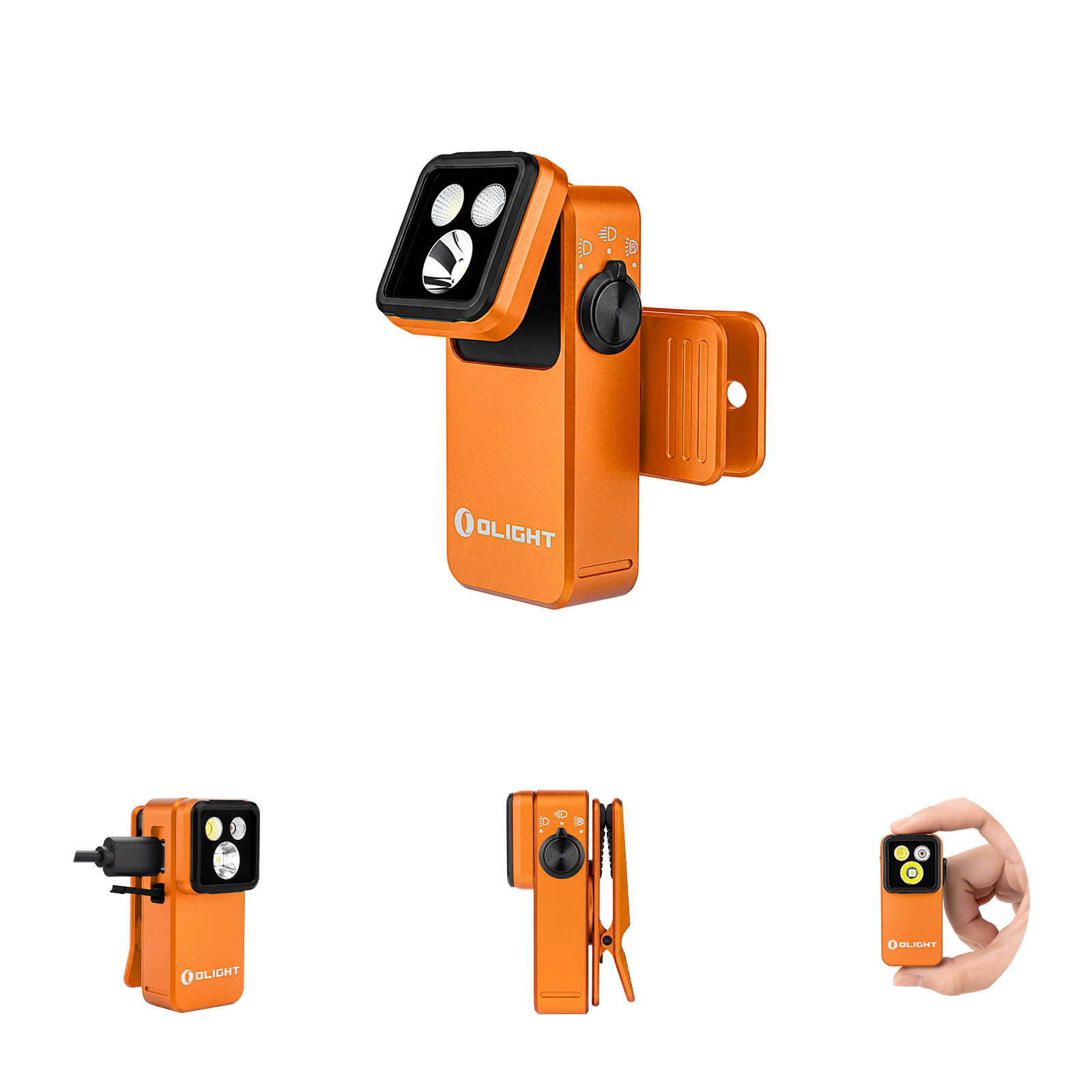
| Oclip 2 Pro Orange | Low task lighting at a stable desk edge | Direct USB-C and a suitable clip position |
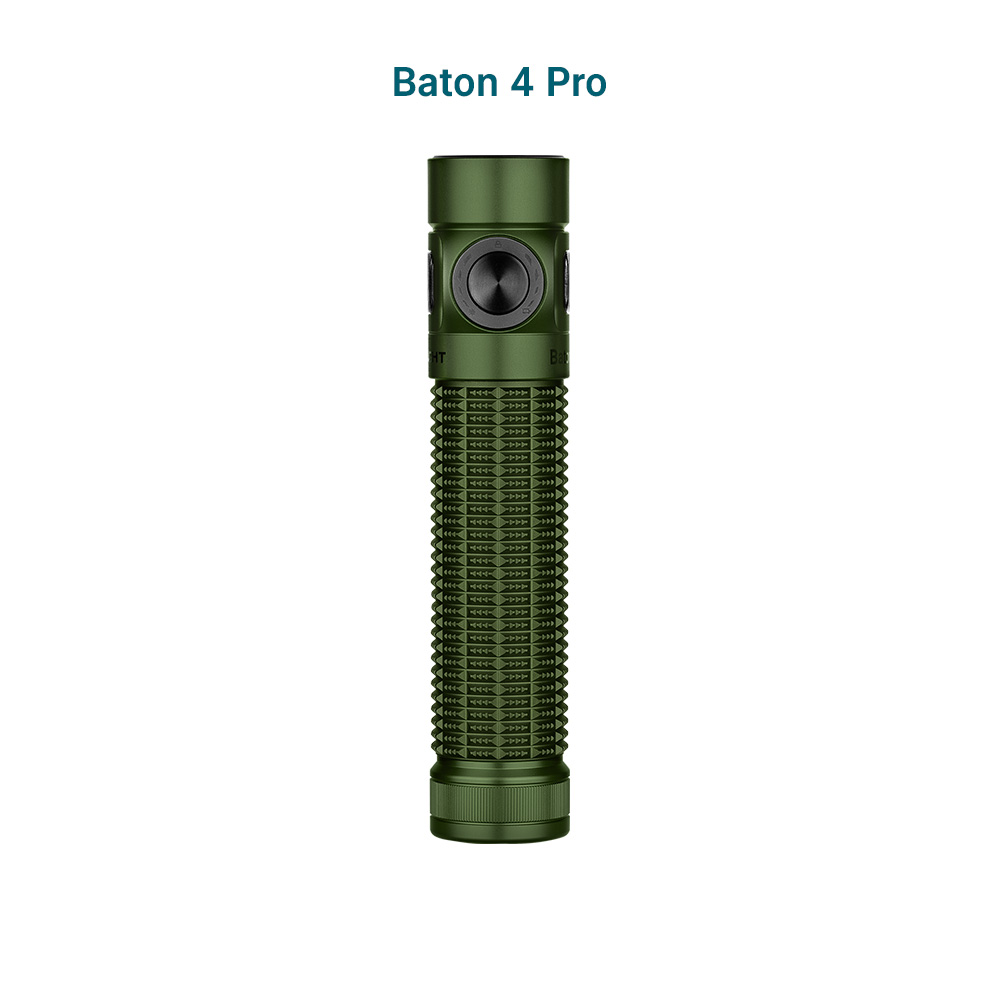
| Baton 4 Pro OD Green Cool White | Bedside handheld for the floor and doorway | USB-C or its documented magnetic charging method |
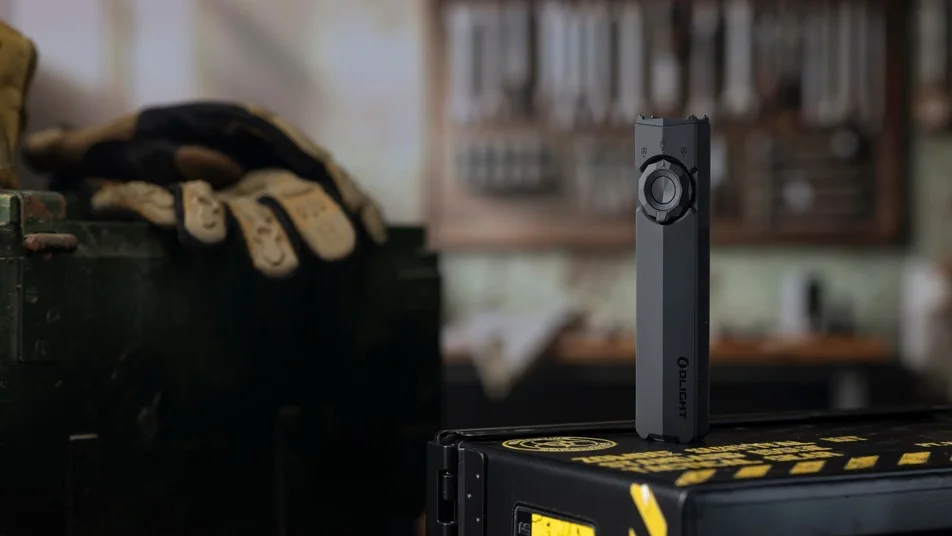
| Perun 3 Black | Hands-free sorting and moving belongings | Dedicated band and its specified magnetic cable |

Buy the smallest kit that covers the jobs
In a single room, spend first on the light you would miss at night. If you can reach a working flashlight from the bed and it can also illuminate the floor, carry that forward into the plan. A compact second light with independent power is a sensible next purchase. For someone who does most work at the desk, a low hands-free setting can be useful after that. Look at the places you can put the light before paying for an extra clip, holder, or larger battery.
For two residents, decide which task can wait when both people need a light. It may be fine for someone to stop reading while the other person finds their shoes. Both still need a clear route to the door. If the only key light travels to evening class, leave the bedside light in its agreed place. If a person keeps a bag packed with their own light, give the backup a separate place instead of putting both sources in the same bag. An inexpensive light that stays in the room can solve that timing problem.
Check what the item costs with its actual accessories. A supplied cable and a supported outlet may be all a rechargeable model needs during normal weeks. A battery-operated backup may use a separate purchase you can already make locally. When you buy a light with fixed charging parts, keep the exact charger or cable with it rather than assuming the same connector used for another device will meet every requirement. Choose a healthy battery and compatible parts before comparing convenience.
When someone already owns an easy-to-find light for the door, a headlamp can solve the different problem of keeping both hands free. A person who rarely takes a bag out after dark may never need a second key light. A student who studies late with a sleeping roommate may value controlled desk lighting enough to choose a clip light first. Compare your two weakest spots and fill those, then see how well the places work for the room over the next week.
Keep charging, storage, and roommate handoffs simple
Put the primary light somewhere that remains reachable after the room changes around it. Choose a shelf, tray, or pocket for which the room rules allow the placement. If the bed has been lofted or rearranged, see where you can reach the light without leaning out or stepping into an unknown space. Keep the light and its storage safely clear of bedding, edges, and the path to the door. Move chargers back to their normal place when you finish using them.
Make two small decisions with a roommate. Agree on where the shared light returns and which light can leave the room in someone's bag. Write it down if your schedules seldom overlap. One person coming home late may leave their backpack against the only shelf the other person can reach. Keeping the route clear gives each person room to get to their own shoes, keys, and light in normal conditions.
Save the housing emergency and after-hours contact information where both of you can find it. If you need an accessibility plan or rely on electrically powered equipment, discuss arrangements with the relevant campus office before an outage. Follow the building's actual emergency plan. Personal lighting helps you see the room and nearby objects, while your housing staff can tell you what your building provides and where assistance is available.
| Check to repeat | What to do | Why it helps |
|---|---|---|
| After borrowing the shared light | Return it to the agreed spot | The next person can find it without searching |
| After a room or bed rearrangement | Confirm the light and route are accessible | Move-in week is rarely the final room layout |
| After a long study session | Put the desk lamp and charger back | Charging and first use stay in familiar places |
| At a routine check | Try the primary and backup separately | One working light gives you time to address the other |
Check where the light falls during a desk task in the same room you share at night. If the beam shines into the other bed, lower it or change its direction. A lamp that lets you read a short message can save your phone for notifications and calls. When the main light depends on an outlet, leave the independent light at the shelf or key location before putting anything away.
Run a short check while the room still has power
Try a calm run-through before the first storm or planned maintenance. Do it in a clear, familiar room with ordinary lighting available. Start where you spend the first half of the evening, usually the desk or one bed. Place a set of keys, shoes, and the main light where they normally go. Then look at whether the job can be done with one portable light while the other stays ready. You can learn what is hard to reach without turning off the building's power.
Sit on the bed and pick the light up with your usual hand. Try to find the ordinary white setting while pointing it at the floor. If you use a small keychain light, check that it still works when the key bundle is at the bottom of its usual pocket. If you use a clip light, aim it at a piece of paper instead of filling the whole room with light. This shows how the different sources would help without asking both occupants to move at once.
Review the charge and power connections one at a time. One student may pack a charging cable for classes while the other leaves one in the room. A separately powered reserve takes some pressure off the charging queue. Keep the actual manual or a copy of its relevant charging passage and confirm you can locate the appropriate connection without comparing several loose cables. During a trip home, put back any light you removed from the dorm bundle before you finish unpacking.
If you discover an old or damaged cable, a partly covered outlet, or a loose fixture, use the relevant housing maintenance process. Keep the emergency light ready while someone authorized addresses the room problem. There is no need to use the lamp or charging accessory as a substitute for a repair. The most useful time to deal with that kind of inconvenience is during an ordinary week, when other light is available.
Use the light while following campus instructions
If power goes out, reach for the portable light and check the floor around you. Put on shoes if you need to move and check official messages where possible. A building may still have some emergency lighting in a hall while a room is dark. The circumstances, alarms, and campus instructions determine whether to stay where you are or leave. Follow posted and official directions. If an alarm sounds, follow the building's evacuation instructions immediately.
For an outage in an apartment or house, use the building's own plan and maintenance contacts. If you're staying with family, the Olight room-by-room emergency flashlight guide explains how a broader household can assign lights across separate areas. The dorm approach uses a smaller space and emphasizes the reachable locations roommates can share.
After the lights come back, reset your normal arrangement. Check whether one light was hard to find, a battery was nearly empty, or both roommates reached for the same one. Put the backup back before you start changing the setup. A simple adjustment, such as switching the side of a tray where the main light sits, can fix the bigger problem the next time.
Adapt the plan after an extended break
When you get back after several weeks away, check whether the bed, door, or desk has become harder to reach around luggage. Clear the path first. Return the shared light to its usual spot and check the backup independently. A hallway that was easy to follow while you were away may lead to a room that has been rearranged by move-in or maintenance. Update the two light locations before relying on yesterday's arrangement.
Check for any changed contact numbers or messages about your residence after a break. Read the building's current instructions while you still have access to the campus site. If one roommate has moved out, decide which light stays for the room while the other takes a personal unit. Keep the spare in the room while you find a replacement for anything that left in the move. One current plan is easier for everyone to follow than several old notes in different drawers.
Frequently Asked Questions
Changelog
November 20, 2026: Checked the cited U.S. campus and federal guidance, exact Olight variants, and original U.S. product gallery images.