Choosing the right flashlight in 2026 involves more than just lumen output. The best option depends on your needs—EDC, outdoor, tactical, work, or emergencies. Key factors like candela, runtime, beam pattern, waterproof rating, battery type, CRI, and ANSI FL1 standards affect real-world performance. This guide helps you compare specs, avoid misleading marketing, and select a reliable flashlight that matches your everyday use and environment.
Table of Contents
1.Why You Need a Dedicated Flashlight (Not Just Your Phone)
2.The Limitations of Smartphone Flashlights
3.Key Factors to Consider When Buying a Flashlight
4.Flashlight Types by Use Case
5.Understanding Flashlight Specifications
Why You Need a Dedicated Flashlight (Not Just Your Phone)
Smartphone flashlights are convenient, but they were never designed to replace a real flashlight. A dedicated flashlight provides significantly better brightness, beam control, runtime, durability, and reliability—especially in emergencies or outdoor situations.
According to the U.S. Department of Energy, LEDs use significantly less energy and last substantially longer than traditional incandescent lighting technologies(Source: U.S. Department of Energy).Modern LED flashlights take full advantage of these efficiencies, delivering high output in compact, portable designs.
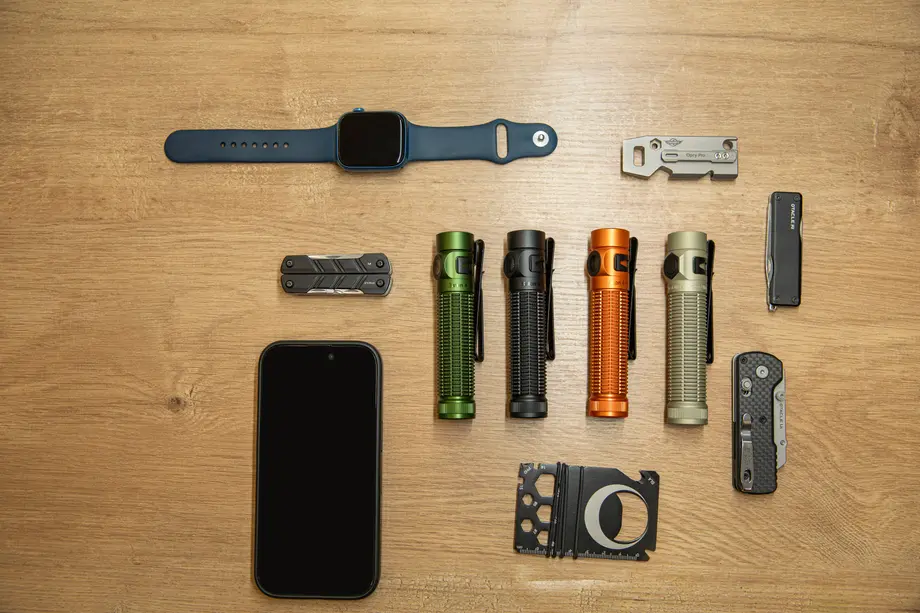
Dedicated flashlights also offer focused beams, long-distance visibility,waterproofing, impact resistance,emergency signaling capability,thermal management and replaceable or rechargeable power systems that smartphones simply cannot match.For everyday carry users, a flashlight quickly becomes one of the most practical tools you own. From walking the dog at night to checking under a car seat, handling power outages, or navigating parking garages, a compact EDC flashlight solves problems your phone simply cannot.
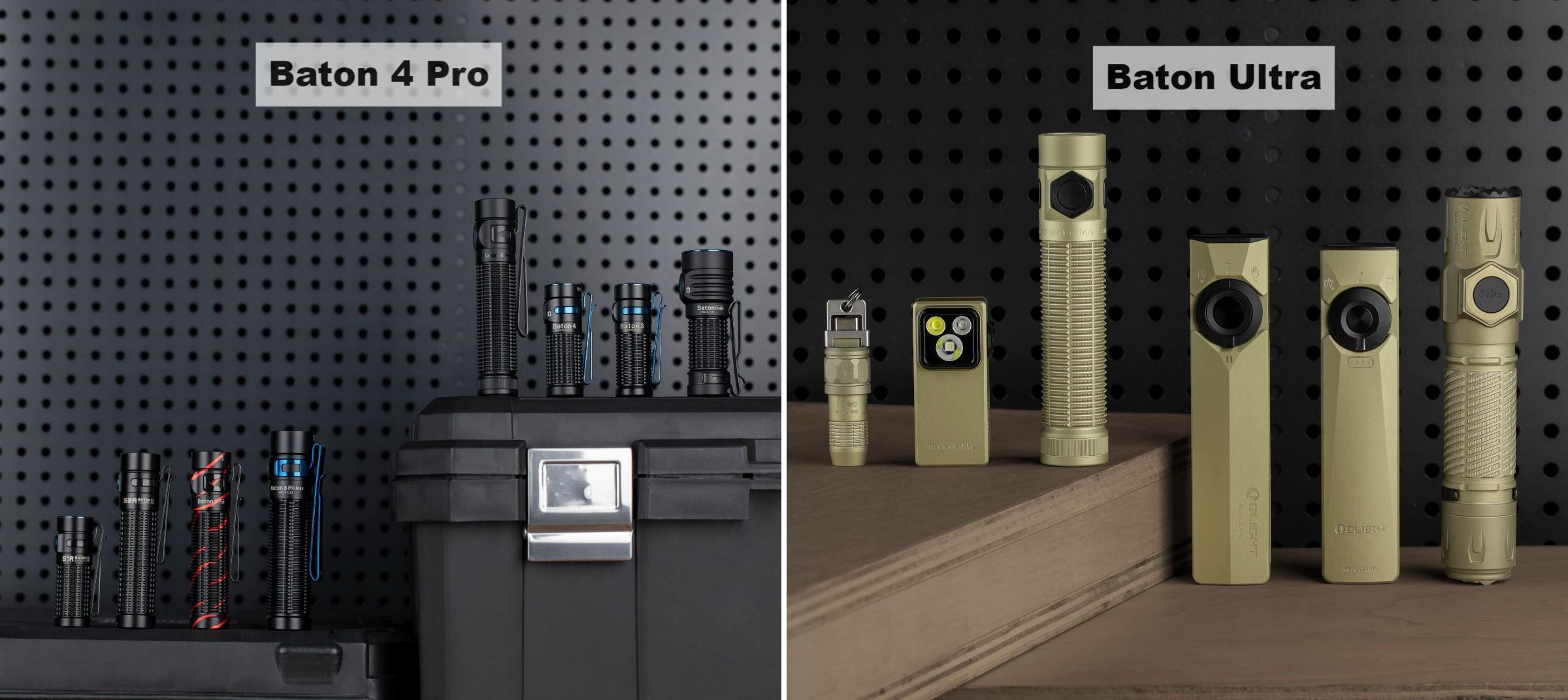
Like Olight Baton Ultra and 4 Pro have helped popularize modern EDC flashlights by combining compact form factors with USB-C or magnetic charging, pocket-friendly clips, and surprisingly powerful output levels.
The Limitations of Smartphone Flashlights
Smartphone flashlights are designed for convenience rather than sustained performance. Most phones use a broad flood beam with limited throw distance, making them ineffective outdoors or in low-visibility environments.Common limitations include:
- Extremely short runtime at maximum brightness
- Limited beam distance and candela
- Poor thermal management
- Limited candela performance
- Rapid battery drain that compromises communication
- No waterproof or impact-resistance certifications
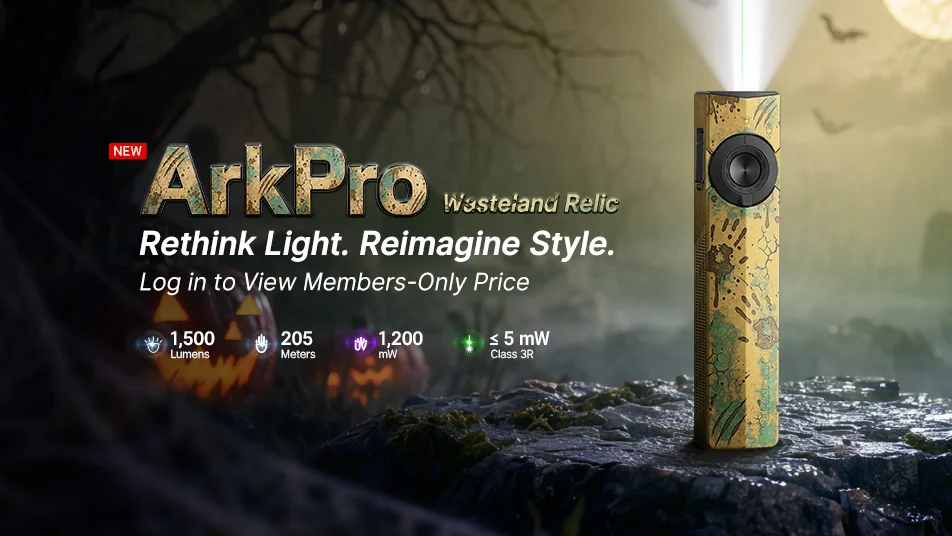
In outdoor environments, a phone flashlight often becomes ineffective beyond a few meters. Rain, fog, smoke, or total darkness expose these weaknesses immediately.By comparison, even compact EDC flashlights like the Olight ArkPro Series or Olight Oclip Pro S provide dramatically better beam control, longer runtime, and rugged durability while remaining small enough for daily pocket carry.
Key Factors to Consider When Buying a Flashlight
Brightness (Lumens): How Much Is Enough?
Lumens measure the total amount of visible light emitted by a flashlight. Higher lumen numbers generally mean more brightness, but lumens alone do not determine overall performance.Beam intensity, beam type, and distance all influence how effective a flashlight feels in actual use.
| Use Case | Recommended Lumens |
|---|---|
| Reading / Backup Light | 20–100 lumens |
| Everyday Carry (EDC) | 100–1,000 lumens |
| Camping & Hiking | 300–1,500 lumens |
| Tactical / Duty Use | 1,000+ lumens |
| Search & Rescue | 2,000+ lumens |
A common mistake is assuming the highest lumen rating is automatically best. In reality, many ultra-high-lumen lights become impractical because they overheat quickly or sacrifice runtime.For most people, the “sweet spot” for EDC is between 300 and 1,000 lumens with a balanced beam pattern and reliable runtime.
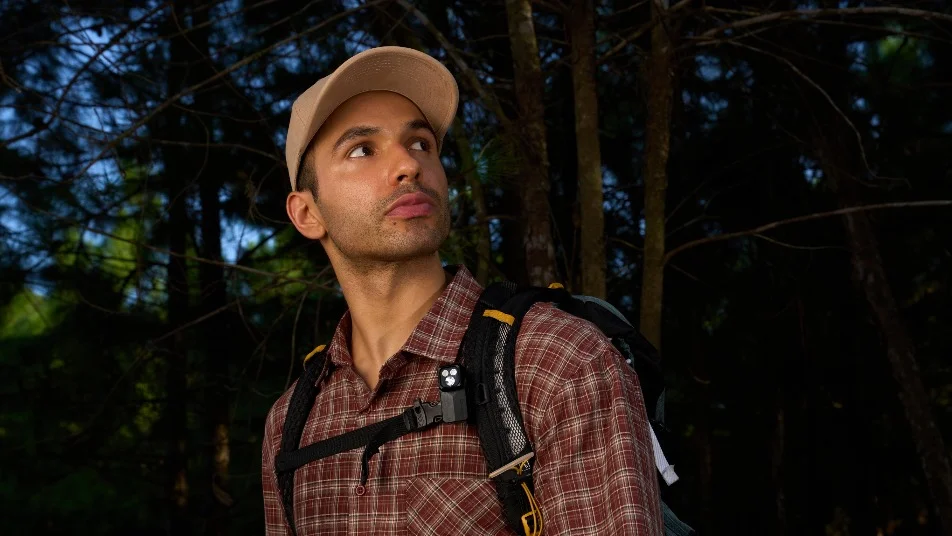
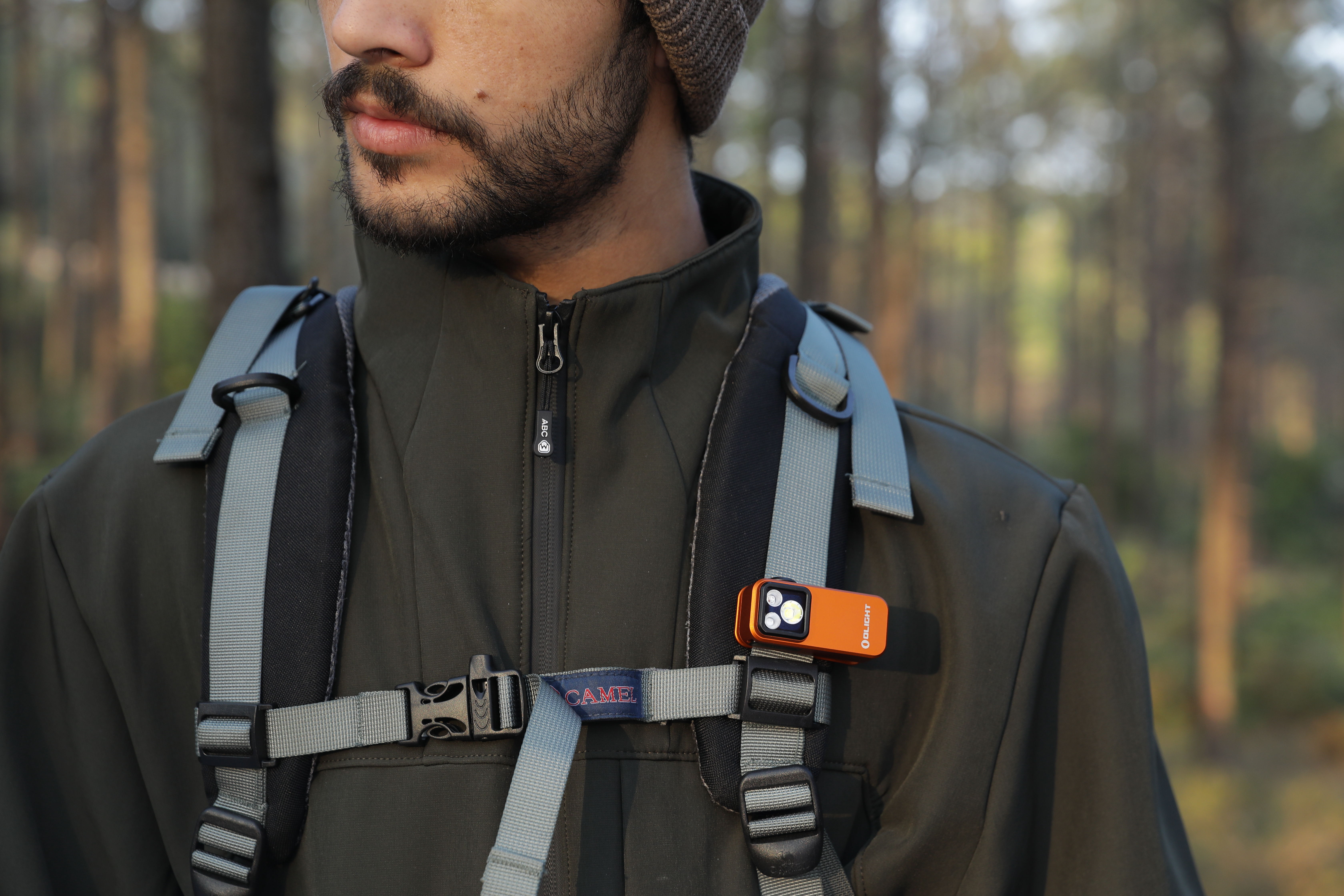
Compact lights such as the Olight Oclip Pro have become especially popular because they deliver useful everyday brightness in extremely portable designs that can clip onto hats, backpacks, or pockets.
Beam Distance (Candela): Understanding Throw
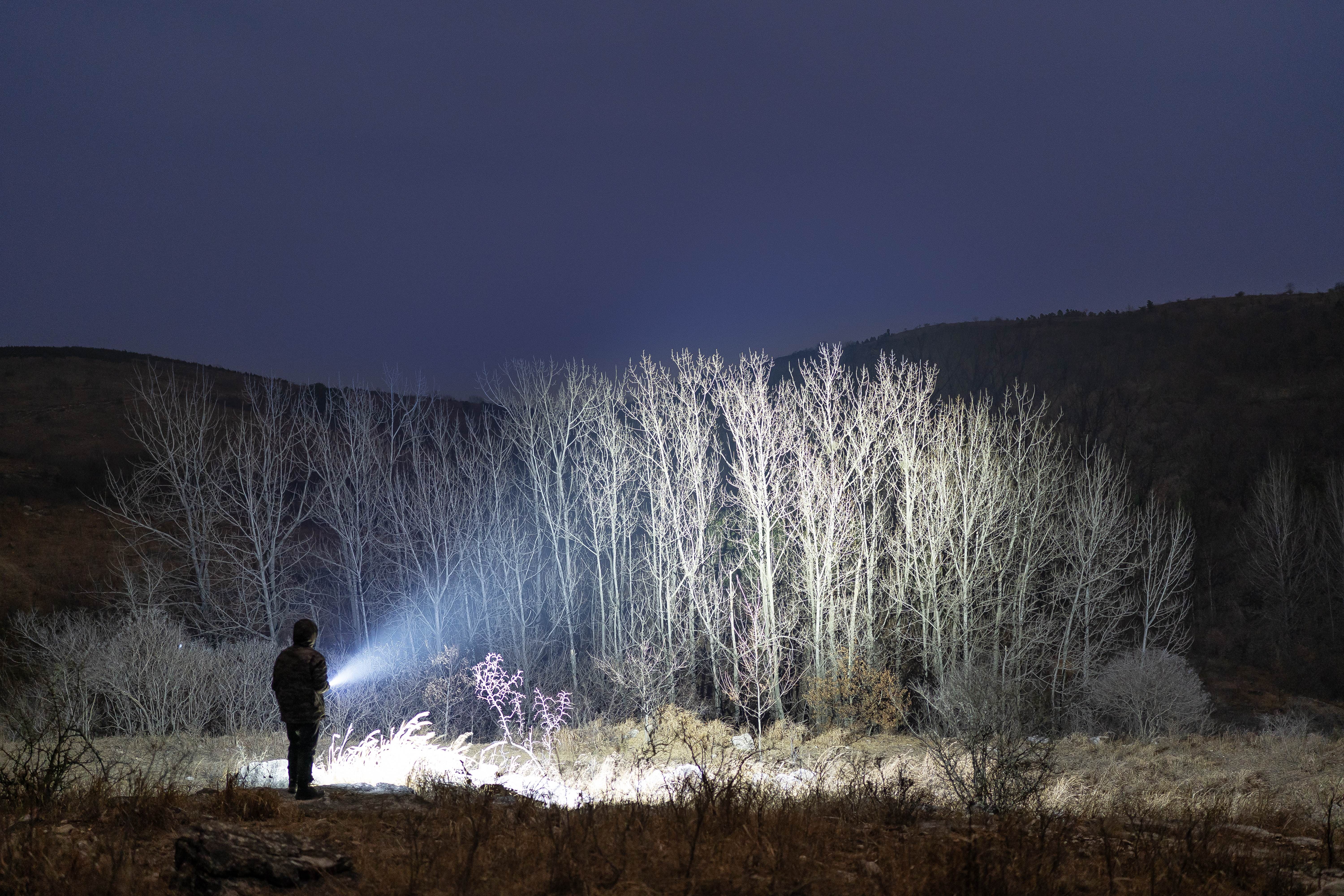
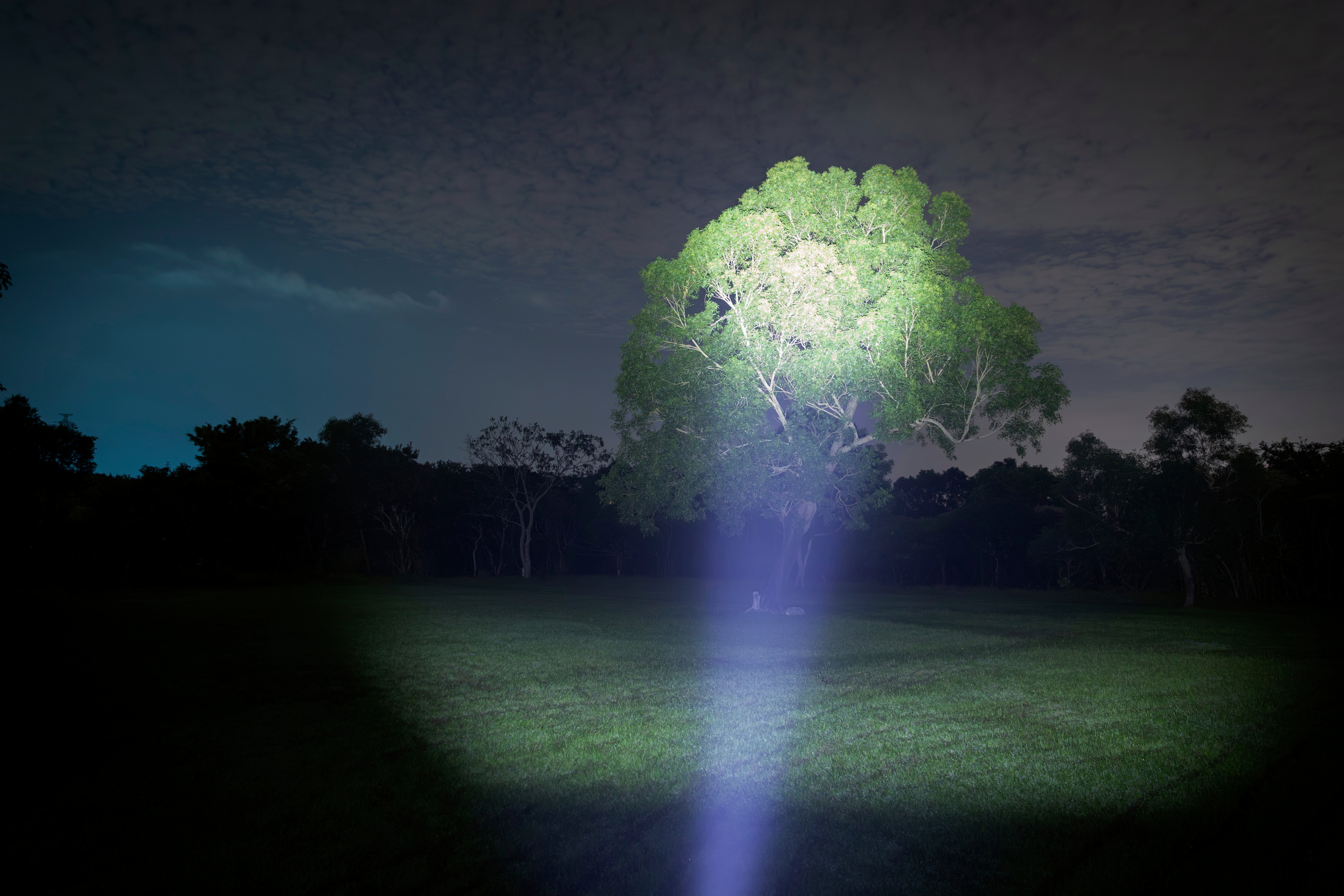
Candela measures beam intensity and directly affects how far a flashlight can project usable light. While lumens describe total light output, candela determines beam concentration and long-range visibility.According to ANSI/NEMA FL1 standards, flashlight beam distance is calculated from peak beam intensity (candela) using a standardized 0.25 lux threshold, rather than being based on lumen output (Source: ANSI / NEMA FL1 Standard).
Practical Beam Categories
- Flood Beam: Wide illumination for close-range tasks
- Balanced Beam: Versatile everyday use
- Throw Beam: Long-distance visibility and identification
For EDC users, balanced beams are usually ideal because they work both indoors and outdoors. Tactical users, however, often prioritize high candela because concentrated beams penetrate photonic barriers like headlights, smoke, or streetlights more effectively.
Modern tactical-oriented models such as the Olight Warrior Ultra emphasize higher candela output while still maintaining practical pocket carry dimensions.One important reality: real-world beam distance is usually closer to one-half or one-third of the advertised ANSI rating under actual outdoor conditions.
Battery Type: Rechargeable vs Disposable
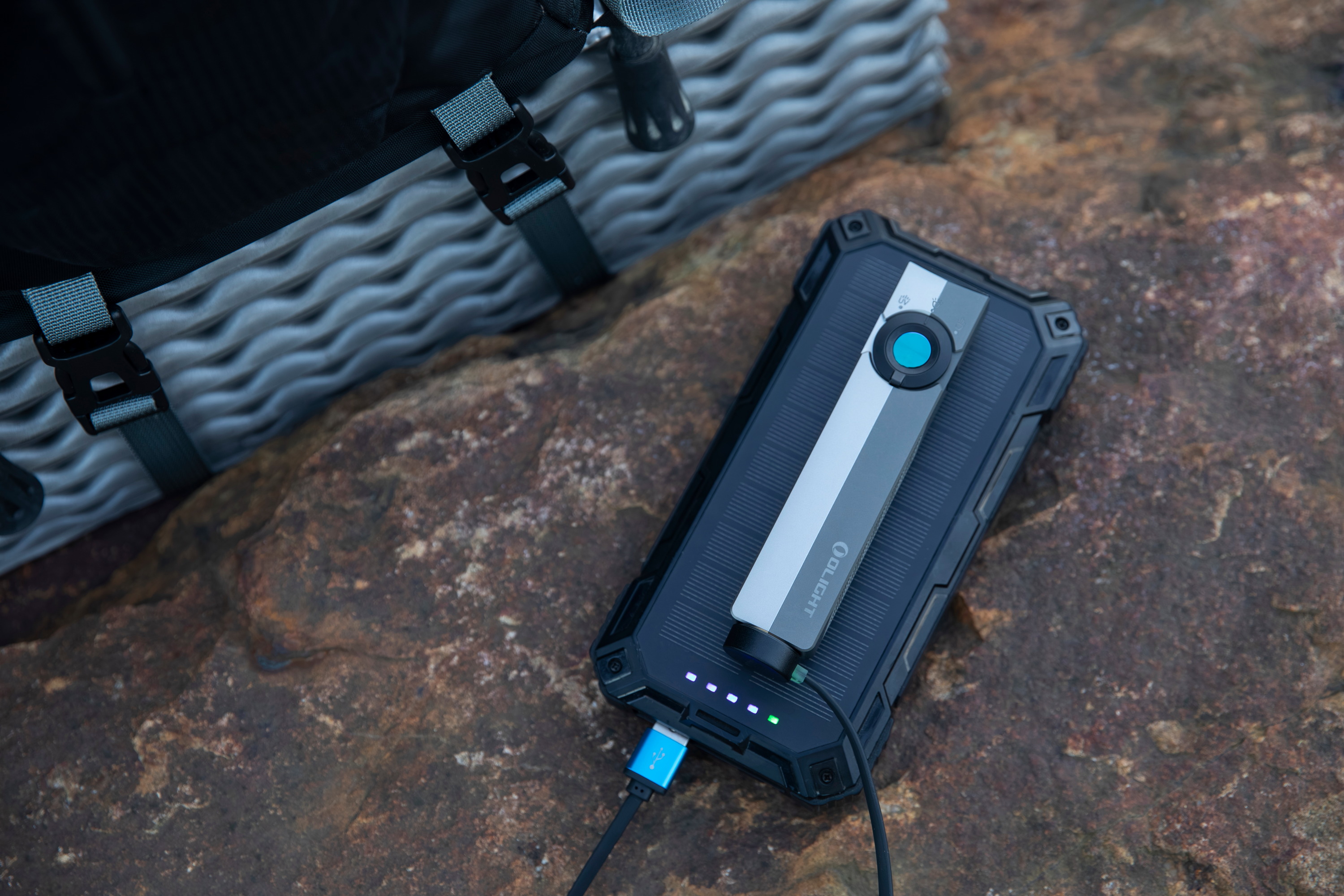
Battery choice affects runtime, charging convenience, cold-weather performance, and long-term ownership cost.
Rechargeable Batteries
Rechargeable lithium-ion batteries now dominate the premium flashlight market because they provide:
- Higher sustained output
- USB-C or magnetic charging convenience
- Lower long-term cost
- Reduced battery waste and better energy density
Popular battery formats include 18650 and 21700 lithium-ion cells.Rechargeable flashlights often perform better in cold weather than disposable batteries.
Disposable Batteries
AA, AAA, and CR123A batteries remain valuable for:
- Emergency preparedness kits
- Long-term storage
- Extreme cold-weather environments
- Situations without charging access
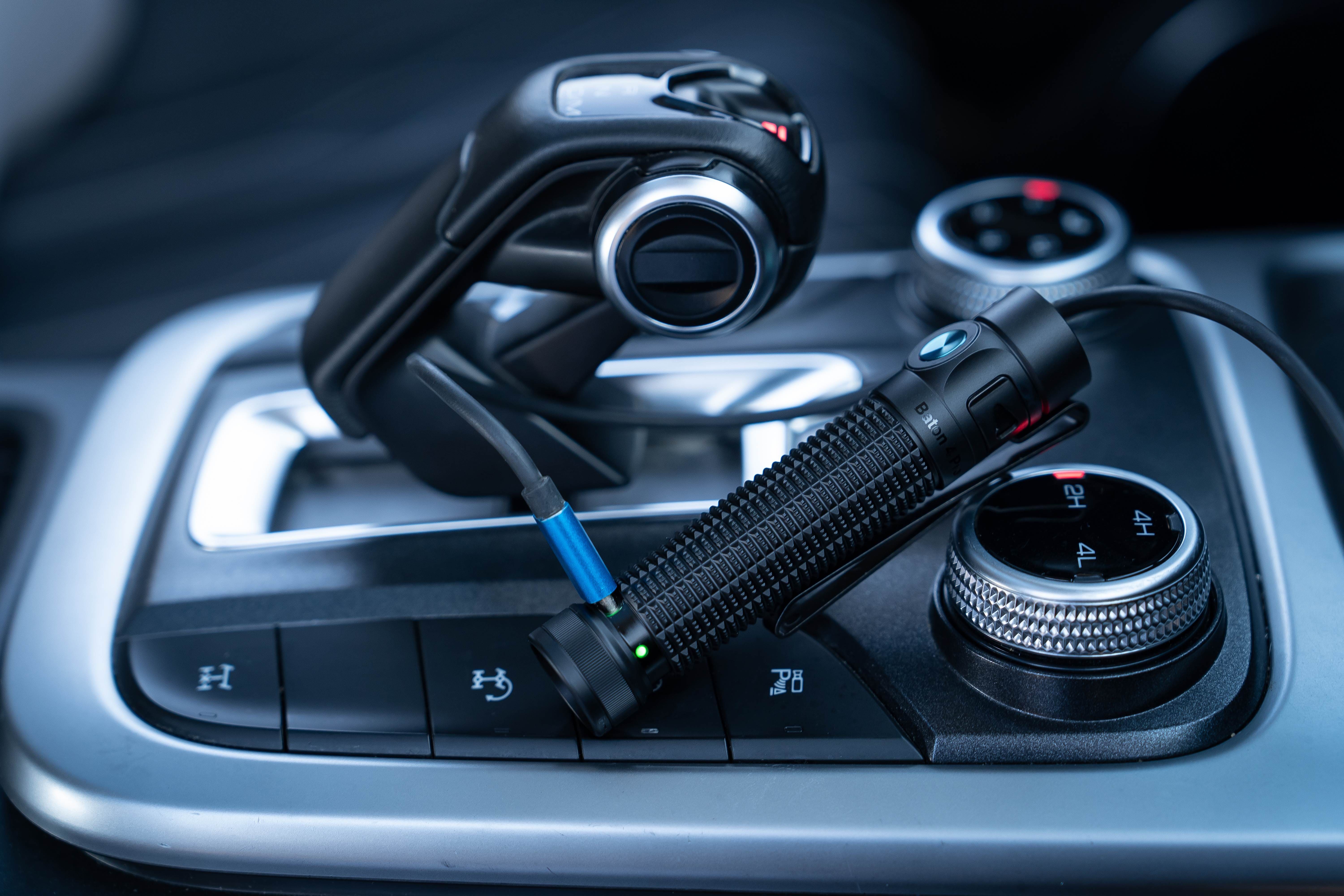
Many modern EDC users prefer rechargeable lights because they simplify daily carry. Magnetic charging systems used by brands like Olight are especially convenient for desk, vehicle, or bedside charging.
Size and Portability: EDC vs Tactical vs Work Light
The best flashlight size depends entirely on how you carry and use it.
EDC Flashlights
EDC flashlights prioritize compact size, pocket clips, lightweight carry,easy one-handed operation,fast charging and quick charging.Slim-profile designs have become increasingly popular because users are more likely to carry them consistently. Flat body lights like the Olight ArkPro Ultra appeal to users who want minimal pocket bulk while still maintaining strong performance.
Tactical Flashlights
Tactical lights emphasize durability, grip ergonomics, tail switches activation, and high candela performance.These lights are often larger because they require larger reflectors and batteries to maximize beam intensity and runtime.
Work Lights
Work lights prioritize flood illumination, magnetic bases, adjustable positioning, and long runtimes for professional environments.Larger lights are not always brighter, but they typically offer increased runtime due to higher battery capacity.Mechanics, electricians, and HVAC technicians often prefer right-angle or magnetic work lights because they improve efficiency in confined spaces.
Durability: Waterproof and Impact Resistance
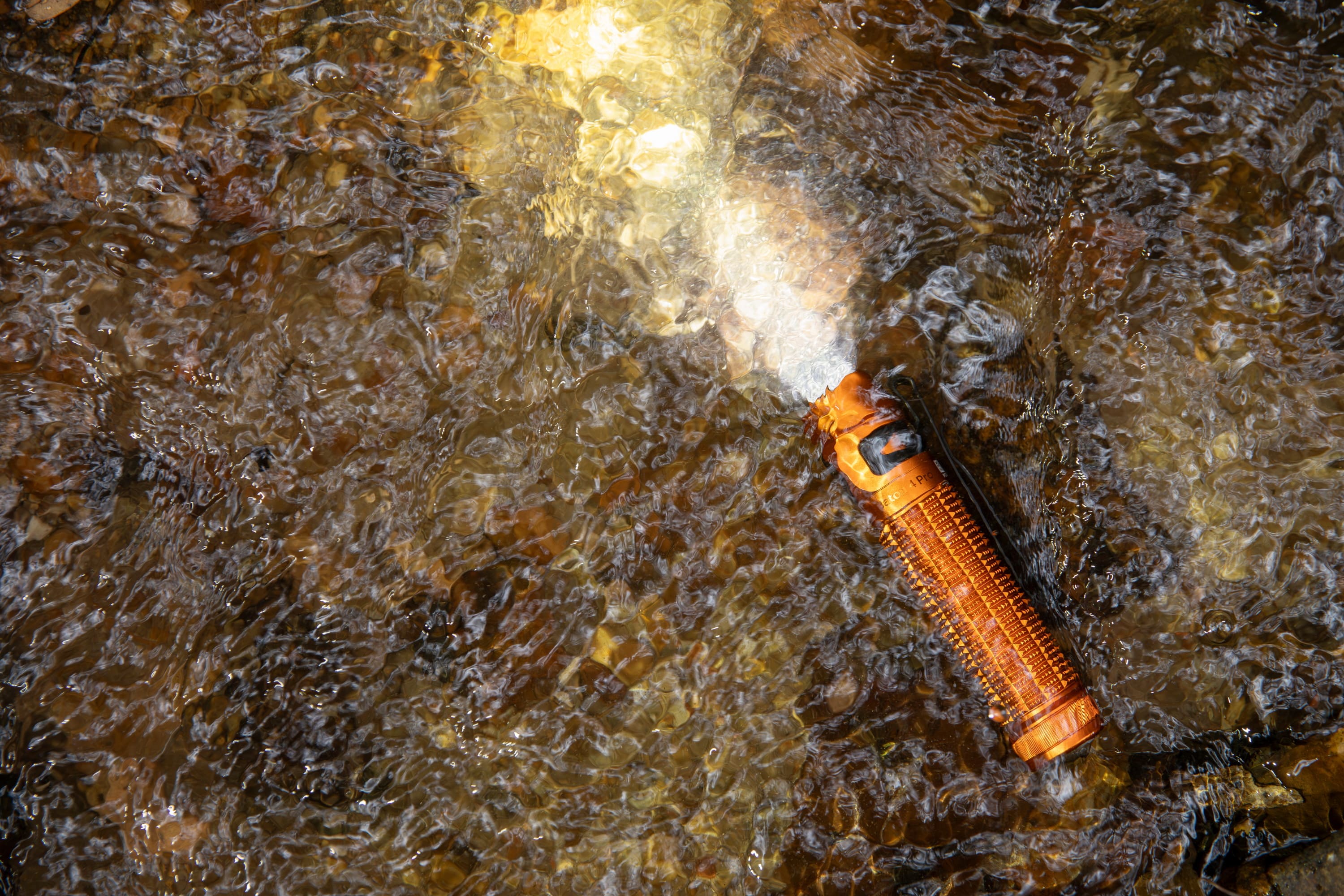
Durability is one of the most overlooked flashlight specifications.Common waterproof ratings are typically classified by the IP (Ingress Protection) standard, which indicates how well a flashlight resists dust and water exposure under different conditions.
| Rating | Protection Level |
|---|---|
| IPX4 | Splash resistant |
| IPX6 | Heavy water spray |
| IPX7 | Temporary immersion |
| IPX8 | Continuous submersion |
The IEC 60529 ingress protection standard establishes internationally recognized IP ratings that define a device’s resistance to dust and water ingress, including IPX classifications used for flashlights (Source: IEC – International Electrotechnical Commission).ANSI FL1 impact testing also measures drop resistance by repeatedly dropping flashlights onto concrete surfaces.For camping, hiking, tactical use, or emergency preparedness, IPX7 or IPX8 ratings are highly recommended.
Drop resistance also matters. ANSI FL1 impact testing evaluates durability by repeatedly dropping flashlights onto concrete surfaces.Modern aluminum-bodied flashlights from premium manufacturers are surprisingly rugged. Many EDC lights survive years of pocket carry, accidental drops, rain exposure, and outdoor abuse with minimal performance loss.
Flashlight Types by Use Case
Everyday Carry (EDC) Flashlights
EDC flashlights are designed for portability and everyday utility, with most users preferring compact rechargeable models that offer balanced beam patterns and moderate lumen output for tasks such as walking at night, handling vehicle emergencies, performing home inspections, delivering packages, urban commuting, and other daily utility needs.Most users prioritize pocket comfort and convenience over maximum brightness.
That is why compact rechargeable lights dominate the EDC category today. Models like the Olight Baton Ultra combine compact carry with impressive beam distance, giving users a versatile balance between flood and throw.Many EDC enthusiasts also value features such as:Deep-carry clips,Magnetic tailcaps,Moonlight modes,Instant turbo access,and USB-C or magnetic charging.
Tactical Flashlights for Duty and Defense
Tactical flashlights are built for law enforcement, military, and defensive applications, featuring high-candela beams, tail-switch controls, momentary-on activation, strobe functionality, weapon compatibility, and reinforced construction for reliable performance in high-stress environments.
In tactical environments, candela often matters more than raw lumen output because focused beams improve threat identification and visibility through environmental interference.Duty users commonly prefer lights with intuitive controls that remain easy to operate under stress or while wearing gloves.
Headlamps for Hands-Free Lighting
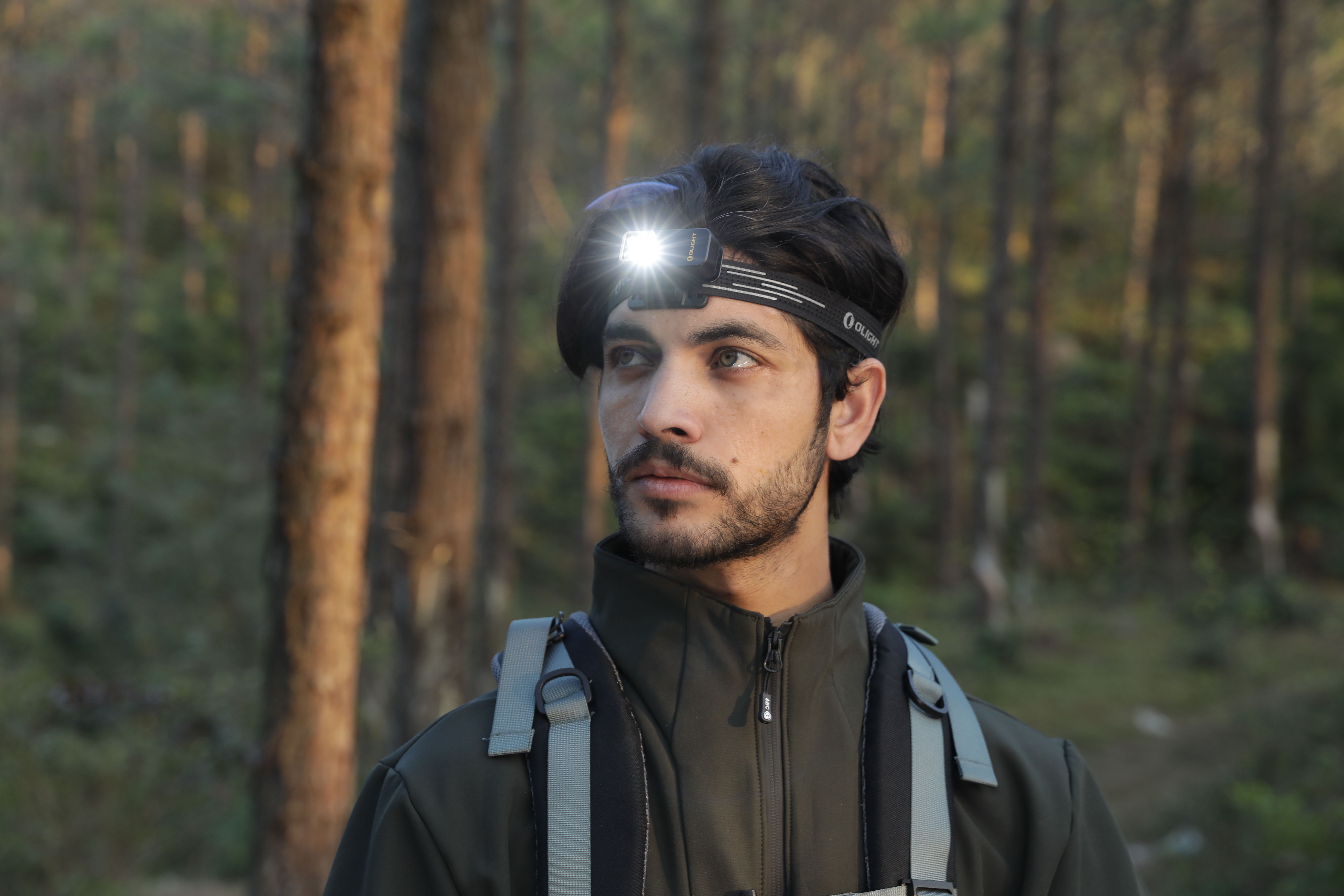
Rechargeable headlamps have become increasingly popular because they provide more consistent output and reduce disposable battery waste.Outdoor users often prefer neutral white LEDs in headlamps because they improve depth perception and reduce eye fatigue during extended nighttime use.
Weapon-Mounted Lights (WMLs)
Weapon-mounted lights (WMLs) improve target identification in low-light conditions.Critical considerations for weapon-mounted lights include rail compatibility, holster support, recoil durability, beam pattern, and candela performance to ensure reliable operation, secure fitment, and effective target illumination in defensive or tactical situations.
High candela is particularly important because concentrated beams help users overcome ambient light interference.Popular modern WMLs such as the Olight PL Turbo focus heavily on long-range beam intensity while maintaining compact firearm compatibility.
Work Lights for Professionals
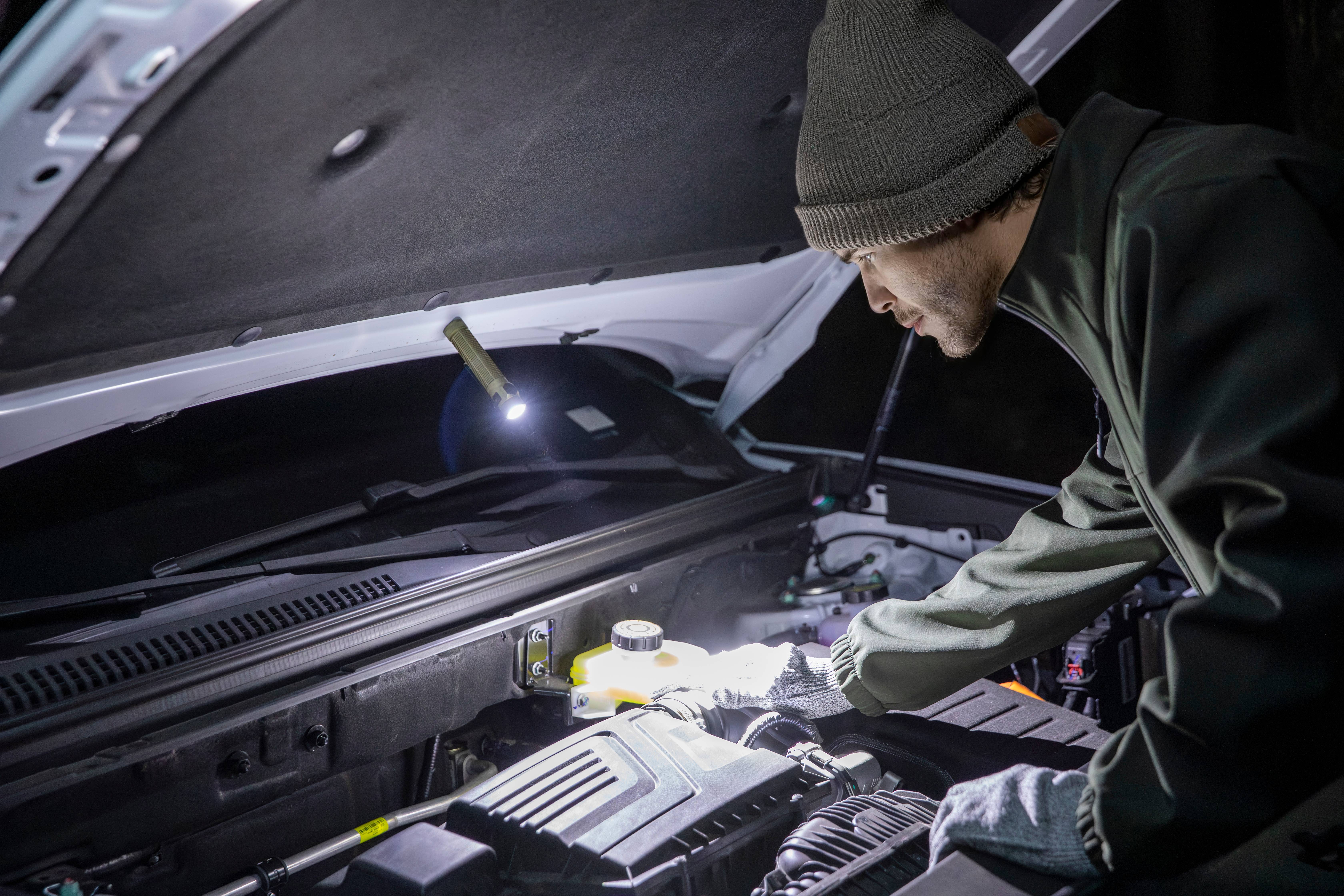
Professional work lights prioritize long runtime, durability, and wide-area illumination, making them essential across industries such as automotive repair, construction, electrical work, HVAC, and industrial inspection, where features like magnetic mounting, rotating heads, COB LEDs, and hands-free operation significantly improve efficiency in demanding environments.
Understanding Flashlight Specifications
Lumens vs Candela: What’s the Difference?
Many flashlight buyers misunderstand the relationship between lumens and candela.
| Specification | Measures | Best For |
|---|---|---|
| Lumens | Total light output | General brightness |
| Candela | Beam intensity | Long-range visibility |
This is one of the most misunderstood aspects of flashlight marketing.A high-lumen flood light may illuminate an entire campsite, while a high-candela flashlight projects a concentrated beam hundreds of meters away.For EDC and outdoor users, balancing both measurements is usually more important than maximizing only one.
IPX Ratings: What Does Waterproof Really Mean?
IPX ratings indicate a flashlight’s resistance to water intrusion.The IPX rating system under IEC 60529 standardizes testing conditions so users can compare products more accurately。For outdoor users:
General Recommendations
- IPX4: Light rain
- IPX6: Heavy spray
- IPX7: Temporary immersion
- IPX8: Extended underwater use
Flashlights marketed for camping, hiking, kayaking, or emergency preparedness should ideally meet IPX7 or IPX8 standards。
Color Temperature: Cool White vs Neutral White vs Warm White
Color temperature affects visibility, comfort, and color perception.
| Color Temperature | Characteristics |
|---|---|
| Cool White (6000K–7000K) | Bright appearance, tactical use |
| Neutral White (4000K–5000K) | Balanced outdoor visibility |
| Warm White (2700K–3500K) | Better in fog, rain, smoke |
Neutral white LEDs have become increasingly popular among enthusiasts because they reduce eye strain and improve color differentiation outdoors.Cool white LEDs still dominate tactical applications because they often appear visually brighter and produce slightly higher output.
CRI: Why Color Accuracy Matters
CRI (Color Rendering Index) measures how accurately a flashlight reproduces colors compared to natural daylight, and high-CRI flashlights are especially useful for electrical work, medical use, photography, mechanical inspection, and outdoor navigation where precise color recognition is important.
Many experienced users now prioritize beam quality and color rendering over maximum lumen numbers because poor-quality LEDs can appear bright while still rendering colors inaccurately.
Frequently Asked Questions About Flashlights
What is the best flashlight for everyday carry?
The best EDC flashlight balances portability, runtime, beam quality, durability, and charging convenience. Most users prefer rechargeable models between 300 and 1,000 lumens with compact dimensions and practical pocket clips.
How many lumens do I need for a tactical flashlight?
Most tactical flashlights perform effectively between 500 and 1,500 lumens when paired with high candela output for long-range visibility.
Is candela more important than lumens?
It depends on the application. Lumens measure total brightness, while candela measures beam intensity. Tactical and long-range users often prioritize candela.
What waterproof rating should a flashlight have?
For outdoor or professional use, IPX7 or IPX8 ratings are strongly recommended.
Are rechargeable flashlights better than disposable battery models?
Rechargeable flashlights offer better long-term value, higher sustained performance, and charging convenience, while disposable battery models remain useful for emergency preparedness and extended storage.
Conclusion: Finding Your Perfect Flashlight
The best flashlight is not necessarily the brightest—it is the one that best fits your real-world needs.
EDC users typically prioritize portability and convenience. Tactical users focus on candela and durability. Outdoor enthusiasts value runtime, waterproofing, and balanced beam performance. Professionals need reliability and hands-free functionality.
By understanding lumens, candela, battery systems, CRI, waterproof ratings, beam patterns, and ANSI FL1 standards, you can make a far more informed purchasing decision and avoid misleading marketing claims.
Modern flashlight technology has evolved dramatically in recent years, and brands like Olight continue pushing the EDC category forward with compact rechargeable designs, versatile beam patterns, and increasingly user-friendly carry options.
A quality flashlight is ultimately more than just a tool—it is an investment in preparedness, safety, and everyday reliability.