Table of Contents
For outdoor enthusiasts, tactical professionals, and everyday carry (EDC) users, a flashlight is only as reliable as its power source. In the transition from disposable alkaline cells to high-performance rechargeable systems, a common question arises: How long do these batteries actually last?
Understanding the lifespan of a rechargeable battery involves looking beyond a simple expiration date. It requires an analysis of battery chemistry, usage habits, and the engineering behind the device. This guide explores the variables that determine battery longevity and how you can maximize the return on your investment.
Types of Rechargeable Batteries in Flashlights
The modern flashlight industry has largely standardized around a few key chemistries, each offering a different balance of energy density, safety, and longevity.
Lithium-Ion (18650, 21700, 14500)
Lithium-ion (Li-ion) is the gold standard for high-performance flashlights. These batteries, named after their dimensions (e.g., an 18650 is 18mm wide and 65mm long), offer high energy density and the ability to output significant current. This high discharge rate is what allows a compact EDC light to blast 1,000+ lumens.
Proprietary and Customized Batteries
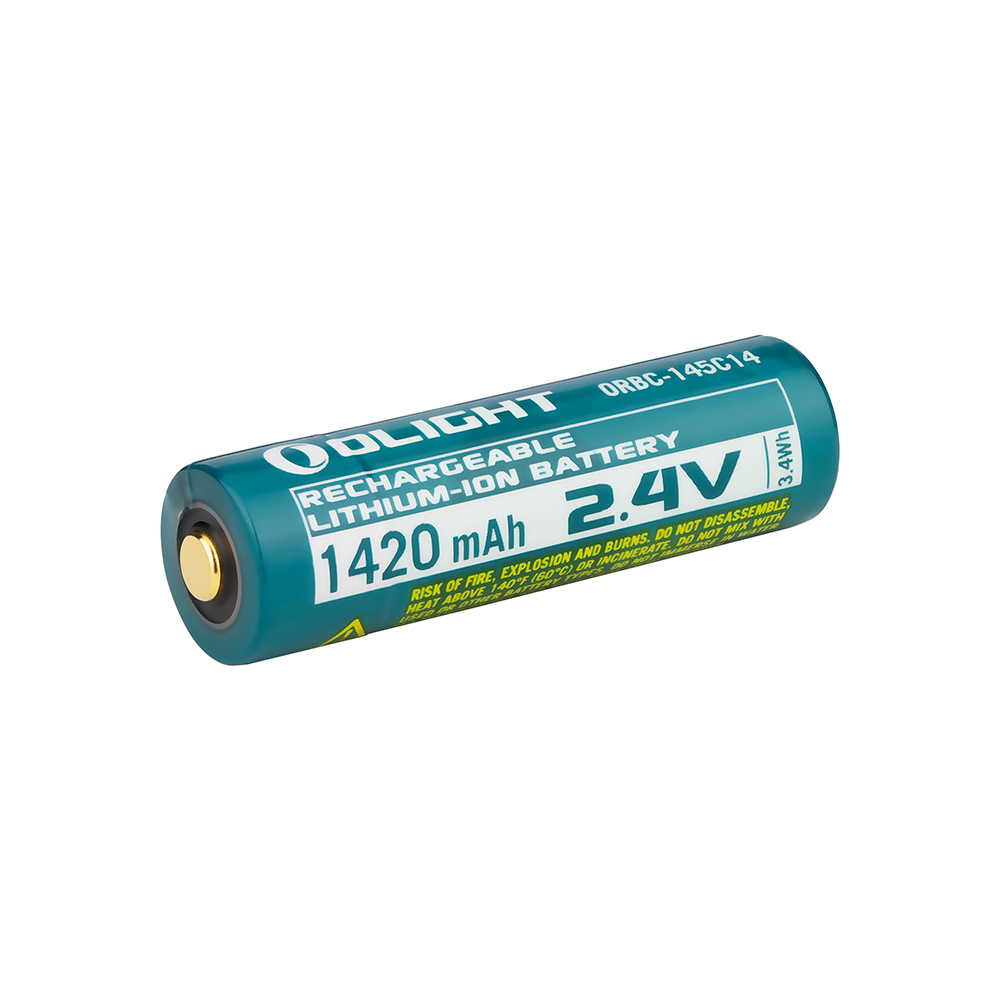
Many premium manufacturers, most notably Olight, utilize proprietary or "customized" Lithium-ion cells. While some users wonder why a standard off-the-shelf cell cannot always be used, there are objective engineering reasons for this design:
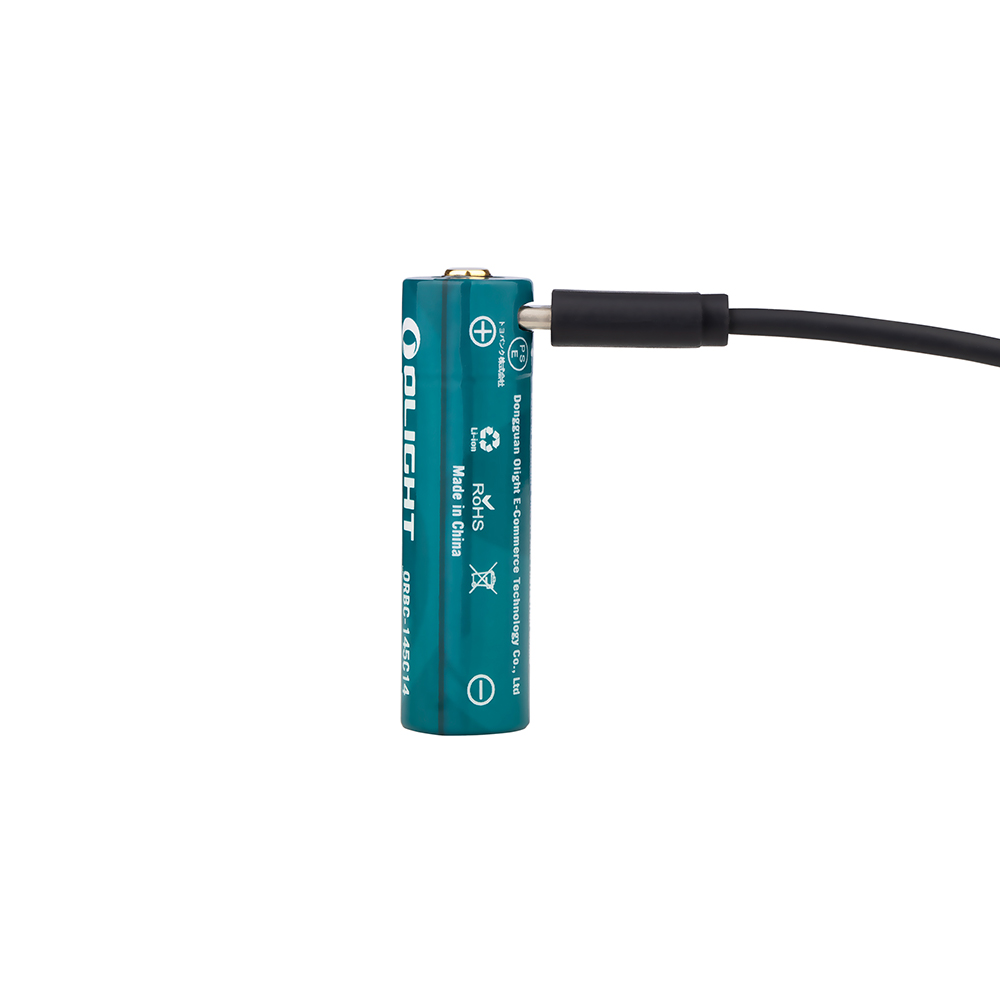
- Magnetic Charging Integration: By placing both the positive and negative terminals on the same end of the battery (a dual-polarity design), Olight enables its signature Magnetic Charging Cable (MCC) system. This eliminates the need for rubber charging port covers, significantly improving the flashlight's waterproof integrity (IPX8).
- High Current Output: Customized cells are often paired with specific Protection Circuit Boards (PCBs) designed to handle the massive current draw required for "Turbo" modes without overheating the cell.
- Safety and Reliability: Built-in protection prevents overcharging, over-discharging, and short-circuiting, ensuring the battery remains stable throughout its life.
NiMH (AA/AAA Rechargeable)
Nickel-Metal Hydride (NiMH) batteries are the rechargeable counterparts to traditional alkaline AA or AAA batteries. While they have a lower voltage (1.2V vs. 3.6V–3.7V for Li-ion), they are incredibly stable and have a very long cycle life. They are often found in backup lights or emergency kits where high-output brightness is less critical than universal compatibility.
How Battery Lifespan Is Measured
Battery life is typically measured in two ways: Cycle Life and Calendar Life.
Charge Cycles Explained
A "charge cycle" is defined as a full discharge and a full recharge. If you use 50% of your flashlight’s battery today, charge it to full, and then use 50% tomorrow and charge it again, that counts as one total cycle.
Most modern rechargeable batteries do not suffer from the "memory effect" that plagued older Nickel-Cadmium (NiCd) batteries. You do not need to wait for the battery to hit 0% before recharging; in fact, doing so can actually shorten the battery's life.
Calendar Aging vs. Cycle Aging
Even if a flashlight sits in a drawer and is never used, the battery is aging. Calendar aging refers to the natural chemical degradation that occurs over time. Factors like storage temperature and the state of charge (SoC) during storage heavily influence calendar aging. Cycle aging is the physical wear and tear on the internal chemistry caused by the movement of ions during use.
Average Lifespan by Battery Type
To help you understand what to expect, the following table compares the two primary rechargeable chemistries used in portable lighting today.
| Feature | Lithium-Ion (Li-ion) | Nickel-Metal Hydride (NiMH) |
|---|---|---|
| Average Cycle Life | 300 - 500 Full Cycles | 500 - 1,000 Full Cycles |
| Energy Density | High (High Brightness) | Moderate (Standard Use) |
| Self-Discharge Rate | Low (approx. 1-2% per month) | High (can be 10-30% per month) |
| Best For | Tactical, EDC, High-Output | Household, Backup, Emergency |
| Usable Lifespan | 2 - 5 Years | 3 - 7 Years |
Lithium-Ion: 300-500 Charge Cycles
For most users, 300 to 500 cycles represent several years of frequent use. After this point, the battery won't suddenly stop working, but its "health" will drop below 80% of its original capacity. This means your "1-hour runtime" on High mode might become 45 minutes.
High-Quality Cells: Up to 800 Cycles
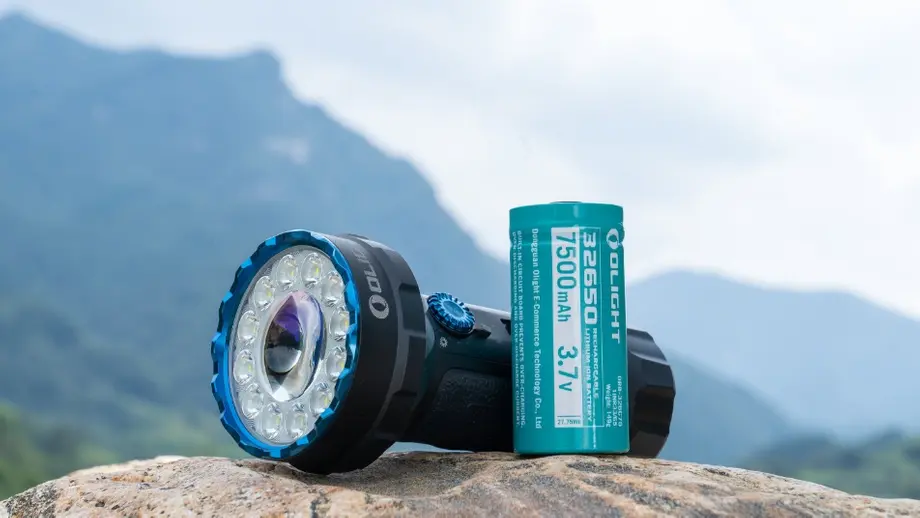
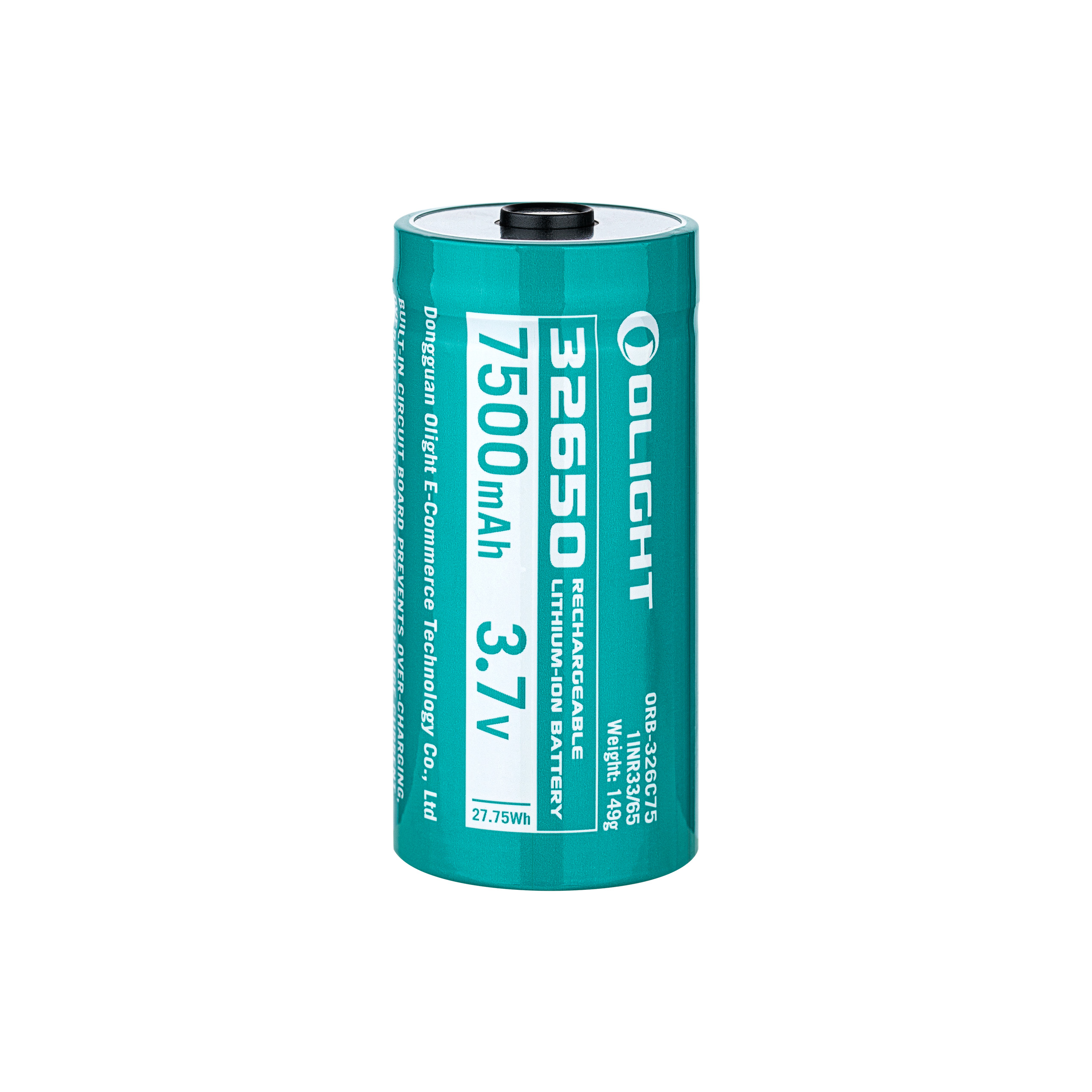
Premium cells, such as those used in Olight’s high-capacity 32650 7500mAh batteries, are engineered for longevity. With proper care—avoiding extreme heat and frequent total discharges—these cells can often push toward 800 cycles before significant degradation occurs.
Factors That Reduce Battery Life
- Heat: The number one enemy of Lithium-ion. Continuous use on "Turbo" mode generates heat; if the light is not allowed to cool, the battery's chemical stability suffers.
- Deep Discharge: Regularly running your battery down to 0% stresses the cell.
- High Voltage Storage: Keeping a battery at 100% charge in a hot car for months will accelerate degradation faster than almost anything else.
Signs Your Rechargeable Battery Needs Replacement
How do you know when it’s time to retire your battery? Watch for these three primary red flags:
1. Reduced Runtime
If you find yourself needing to charge your flashlight twice as often as you did when it was new, the internal resistance has likely increased, and the capacity has diminished.
2. Longer Charging Time (or Inability to Reach Full Charge)
If a battery takes an unusually long time to charge, or if your charger never indicates a "green" or "full" status, the internal chemistry is likely failing.
3. Physical Swelling or Damage
This is a critical safety issue. If a battery appears "puffy," the wrapper is torn, or there is any sign of leakage, stop using it immediately. For flashlights with replaceable battery designs, always ensure the battery compartment remains clean and free of corrosion to protect the electronics.
How to Extend Rechargeable Battery Life
You don't have to be a scientist to keep your batteries healthy. Following a few simple habits can easily add a year or more to the usable life of your flashlight's power source.
The Pro-Maintenance Checklist:
- Avoid the "Empty to Full" Habit: Lithium-ion batteries prefer "shallow" discharges. Charging your light when it hits 30-40% is much better for the chemistry than waiting until it is completely dead.
- The "50% Rule" for Storage: If you aren't going to use your flashlight for more than a month, store the battery at approximately 40% to 60% charge. Storing a battery at 100% or 0% for long periods causes permanent capacity loss.
- Keep it Cool: Store your flashlights and spare batteries in a cool, dry place. Avoid leaving your EDC light on the dashboard of a car in the summer.
- Use Quality Charging Equipment: Always use the manufacturer-provided charging cable or a reputable smart charger. Olight's magnetic charging system is specifically tuned to the voltage requirements of their customized cells, ensuring a safe and efficient charge every time.
Conclusion: Proper Care Maximizes Lifespan
A high-quality rechargeable flashlight battery is designed to last for hundreds of adventures. While Lithium-ion technology will naturally degrade over several years, the "Proprietary" engineering found in brands like Olight provides significant benefits in terms of ease of use and environmental sealing that often outweigh the longevity of standard cells.
By understanding that heat and extreme discharge cycles are the primary enemies of your battery, you can take active steps to protect your gear. Treat your batteries with care, monitor them for signs of wear, and they will ensure you’re never left in the dark when it matters most.
Frequently Asked Questions (FAQ)
How many years will a rechargeable flashlight battery last?
On average, a Lithium-ion battery lasts between 2 to 5 years, while NiMH batteries can last 3 to 7 years, depending on usage frequency and storage conditions.
Can I leave my rechargeable flashlight on the charger overnight?
Most modern flashlights, including Olight models, have built-in protection circuits to prevent overcharging. However, for maximum battery health, it is best to remove it once fully charged.
Should I let my battery drain completely before recharging?
No. Lithium-ion batteries last longer with partial discharges. It is recommended to recharge your battery once it drops to around 30-40% capacity.
Why does my flashlight battery get warm during charging?
Slight warmth is normal due to energy transfer. However, if the battery or flashlight becomes hot to the touch, disconnect it immediately as this may indicate a fault.
Is it safe to use third-party batteries in my Olight flashlight?
In many modern Olight flashlights, standard third-party batteries will not work at all. This is because the flashlight's advanced circuitry and magnetic charging system require Olight’s customized dual-polarity battery (where both positive and negative terminals are located on the same end).
For the few basic models that can physically run on standard cells, using them will disable the magnetic charging feature and may fail to support high-current Turbo modes, potentially compromising safety and performance.