Table of Contents
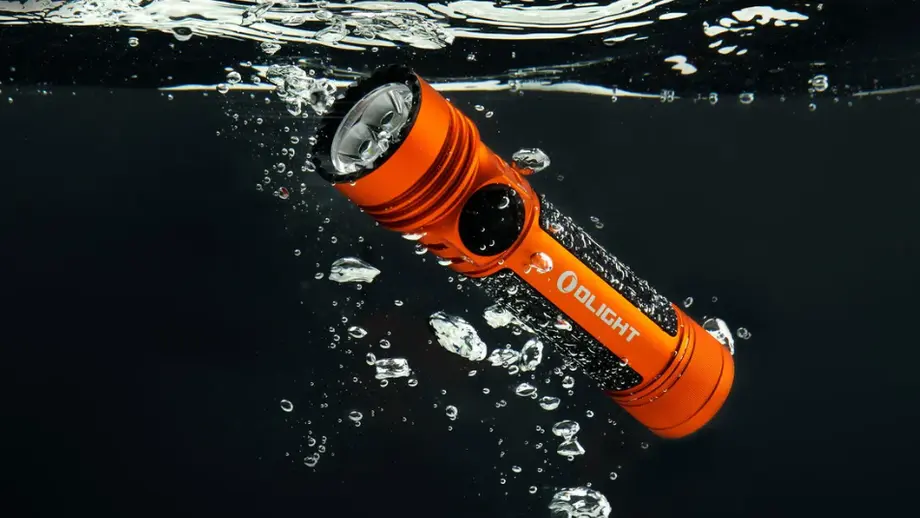
Whether you’re shopping for a new smartphone, workout earbuds, or a high performance flashlight for an upcoming outdoor trip, you’ve probably seen an “IP” rating followed by two numbers. These labels appear everywhere, yet many buyers aren’t sure how they translate into real-world durability or everyday protection.
In this 2026 guide, we break down the IP waterproof rating system in clear, practical terms, explaining what each number actually means for dust exposure, splashes, heavy rain, or full water immersion. With an easy to read IP rating chart and real life examples, this guide helps you choose electronics that can genuinely handle your routine, environment, and outdoor conditions with confidence.
What Is an IP Rating? (Ingress Protection)
An IP rating, short for Ingress Protection rating, is an international standard used to describe how well an electronic device is sealed against intrusion from solid particles and liquids. Rather than relying on vague promises, it gives a measurable indication of how much dust or water a product can realistically withstand during everyday use.
Brief History
IP ratings are defined by the International Electrotechnical Commission (IEC) under the IEC 60529 standard. This system was created to replace unclear marketing language with a consistent testing framework, allowing manufacturers to certify products and consumers to compare durability levels across brands with far more accuracy.
Key Distinction
Water resistant vs. waterproof is where confusion often starts. “Water resistant” usually means a device can handle limited exposure, such as light rain or splashes, while “waterproof” implies it can survive submersion under specific conditions. IP ratings eliminate guesswork by clearly stating tested limits, turning subjective claims into precise, technical benchmarks.
IP Rating Structure Breakdown
To make sense of any IP waterproof rating chart, you first need to understand how the code itself works. An IP rating is made up of two digits, and each one represents a different type of protection that has been formally tested under standardized conditions.
The First Digit: Solid and Dust Protection (Scale 0-6)
The first number indicates how well a device is protected against solid objects, starting with large items like hands or tools and moving all the way down to fine dust particles. A rating of 6 represents the highest level of protection, meaning the enclosure is completely dust-tight and no particles can enter, even in dusty or sandy environments.
The Second Digit: Water and Liquid Protection (Scale 0-9)
The second number measures resistance to liquids, which is often the most important factor for consumers. This scale begins at 0, meaning no water protection at all, and increases through levels that cover splashes, rain, water jets, temporary immersion, and up to 9K, which is designed to withstand high pressure, high temperature water or steam.
What Does the "X" Mean? (e.g., IPX7 vs. IP67)
When an “X” appears in an IP rating, it doesn’t indicate a lack of protection. Instead, it means that the device was not tested for that specific category. For example, an IPX7 earbud has been tested for water immersion but not for dust exposure, while an IP67 device has been certified as both dust tight and waterproof under defined conditions.
IP Water Resistance Levels Explained
To understand how an IP rating performs outside of lab testing, it helps to translate each level into realistic, everyday situations. The water resistance scale shows how much exposure a device can handle, from minor splashes to full submersion, and where its limits begin.
· IPX0-IPX2 — Minimal Protection: Handles only light drips or condensation. Best kept indoors and away from moisture.
· IPX3-IPX4 — Splash Proof: Resists splashes from any direction. Suitable for sweat, light rain, and daily use.
· IPX5-IPX6 — Water Jets: Withstands heavy rain and direct spray. Ideal for outdoor speakers and bike gear.
· IPX7 — Temporary Immersion: Survives up to 1 meter of water for 30 minutes. Protects against accidental drops.
· IPX8 — Continuous Submersion: Built for repeated underwater use at specified depths. Common in rugged outdoor equipment.
· IPX9K — High Pressure Water: Resists high-temperature, high-pressure jets. Mostly used in industrial environments.
Common IP Ratings at a Glance
|
IP Rating |
Dust Protection |
Water Protection |
Real-Life Use |
|
IPX4 |
Not tested |
Splash-proof |
Sweat, light rain |
|
IPX5 |
Not tested |
Water jets |
Heavy rain |
|
IP67 |
Dust-tight |
1m / 30 min |
Smartphones |
|
IP68 |
Dust-tight |
Deeper immersion |
Outdoor gear |
IP Waterproof Ratings in Real-World Use Cases
Understanding IP ratings on paper is helpful, but their real value shows up when devices are exposed to everyday conditions. These examples highlight how different IP levels translate into practical protection across common use cases.
1. Consumer Electronics
Most flagship smartphones now target IP68, which allows them to survive accidental drops into sinks or pools without permanent damage. For workout earbuds, IPX4 is typically enough to handle sweat and light rain during gym sessions or outdoor runs. If swimming is part of your routine, however, IPX8 becomes essential, as it’s designed for sustained submersion rather than splashes.
2. Outdoor and Camping Equipment
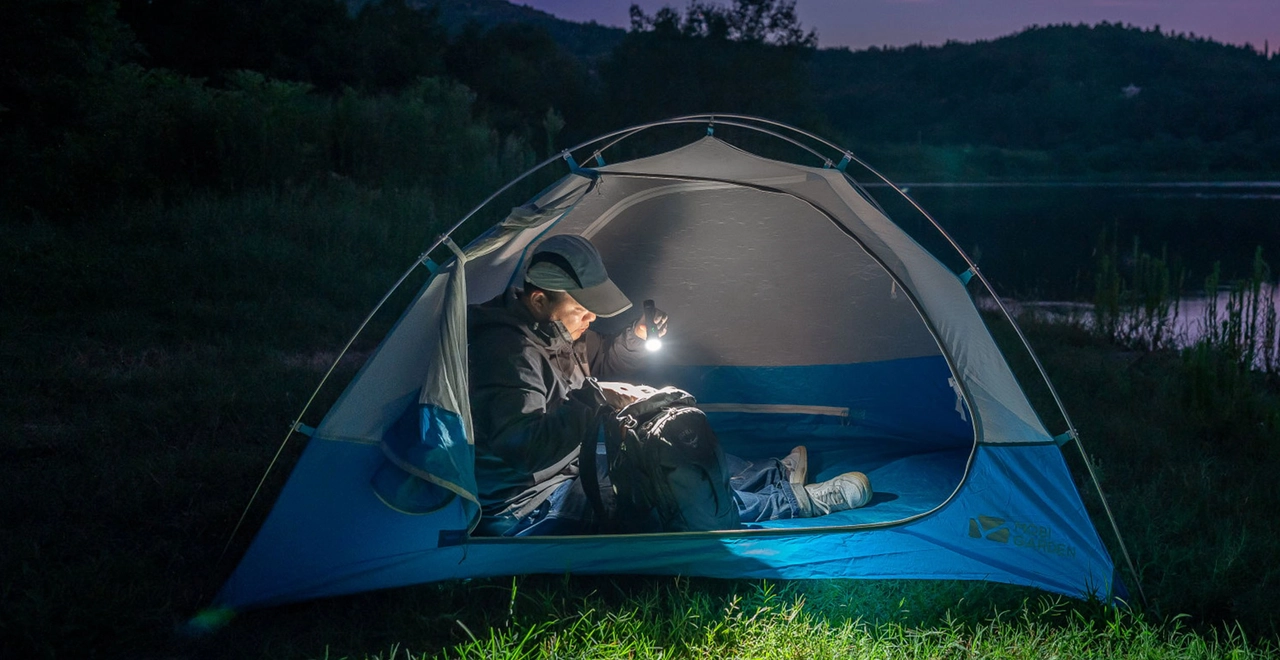
When you’re far from cell service or trailheads, equipment failure is more than an inconvenience, it can become a real safety concern. For hikers, campers, and backcountry travelers, dependable lighting is one of the most important tools to protect, especially when weather conditions turn unpredictable.
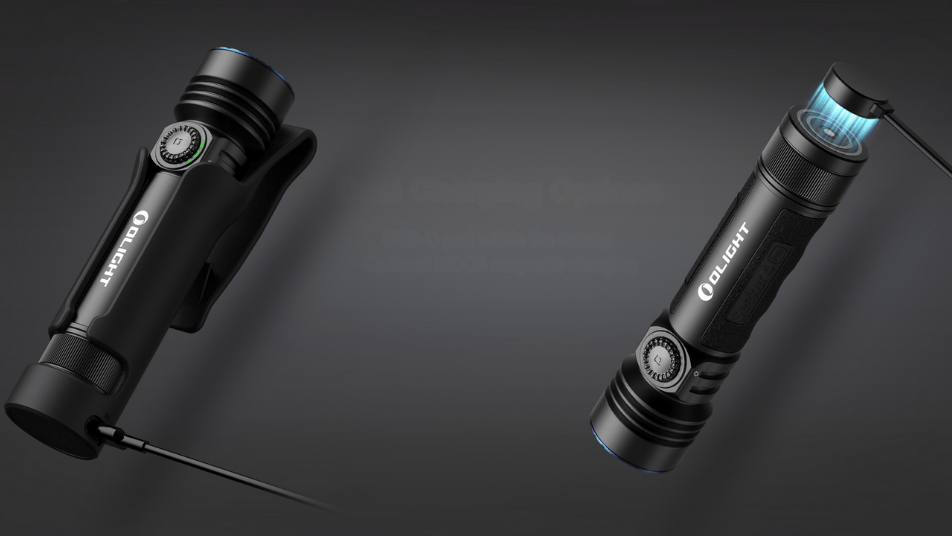
Engineered for the elements: Navigating a trail during a heavy downpour demands more than basic water resistance. The Olight Seeker 4 Pro is built for exactly these scenarios. Its IPX8 rating means it’s tested for continuous immersion, not just splashes, while its precision machined aluminum body and sealed construction are designed to keep moisture out even during prolonged rain and high humidity.
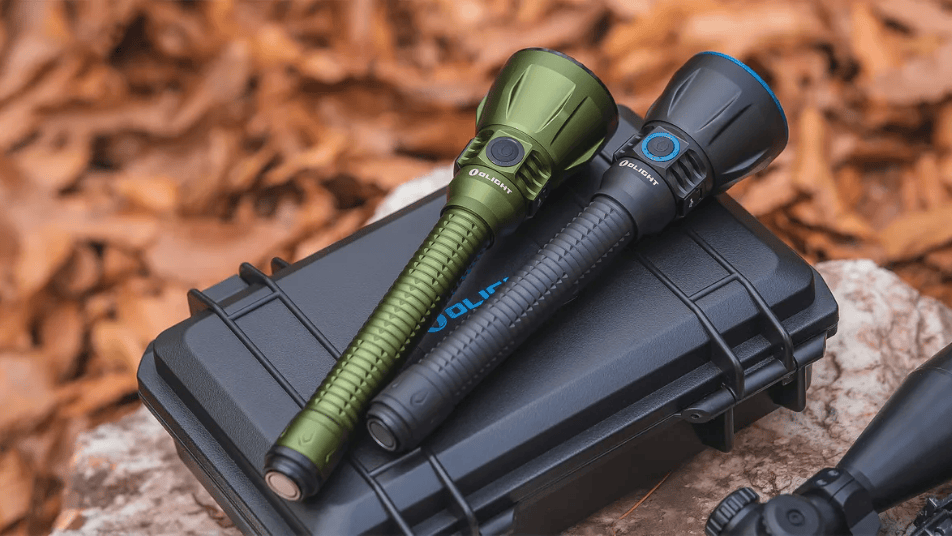
Built for rugged recovery: More demanding environments, muddy trails, swampy ground, or shallow stream crossings, require gear that can handle a full dunk without hesitation. The Olight Warrior 3S is rated IPX8 and tested to remain operational when submerged up to two meters for 30 minutes. If it ends up in a muddy creek or buried in wet sand, you can rinse it off and keep moving. In unpredictable wilderness conditions, that level of reliability offers genuine peace of mind.
3. Mobility
E-scooters and e-bikes commonly carry IPX4 or IPX5 ratings. These levels are sufficient for riding through puddles or light to moderate rain, but they’re not designed for aggressive cleaning. Using a high pressure hose can force water past seals and damage internal electronics, even if the rating suggests decent water resistance.
Why High IP Ratings Matter for Buyers
Choosing a device with a higher IP rating isn’t about specs for the sake of specs. It has real, practical implications for how long your gear lasts, how safely it performs, and how well it holds its value over time.
1. Extended Lifespan and Durability
The most common cause of electronic failure isn’t a dramatic drop or splash, but gradual internal damage. Fine dust, humidity, and condensation can slowly work their way into poorly sealed devices, leading to corrosion, battery degradation, and unreliable performance. A higher IP rating means tighter seals and better protection, keeping sensitive components isolated from moisture and particles so your equipment remains reliable through years of regular use, not just a single season.
2. Safety in Harsh Environments
In challenging conditions, dependable gear becomes essential rather than optional. During power outages, severe storms, or outdoor excursions in heavy rain, a device failure can compromise visibility, communication, or navigation. High rated equipment, such as devices built to IPX8 standards, offers confidence that they will keep working even when fully exposed to water. That reliability reduces stress and can play a meaningful role in personal safety when conditions are unpredictable.
3. Resale Value and Marketability
Devices with certified IP ratings tend to retain value better over time. Buyers on the secondary market often look for proof of durability, especially for smartphones, outdoor gear, or professional tools. An IP68 phone or a high-rated waterproof flashlight signals that the product was designed to withstand demanding environments, from heavy rain to accidental submersion, making it easier to resell and often allowing it to command a higher price when you’re ready to upgrade.
How to Choose the Right Rating
Picking the right IP rating is about finding the balance between too little protection and paying for durability you’ll never actually need. Higher ratings do offer peace of mind, but they also require tighter seals, more complex construction, and higher manufacturing costs. The smartest choice comes from matching the rating to how and where you truly use your gear.
1. Assess Your Environment: The "Dry, Damp, or Drenched" Test
Start by imagining the worst realistic conditions your device will face. A daily commuter dealing with the occasional drizzle usually needs no more than IPX4, which covers light rain and splashes. If you spend time cycling, hiking, or shooting photos in mountainous areas where storms roll in fast, stepping up to IPX6 makes sense to handle wind-driven rain. When selecting hiking gear, aligning protection with your typical climate and exposure helps prevent overpaying for full submersion ratings when reliable splash resistance already does the job.
2. Dust Protection Necessity: More Than Just Sand
Water ratings often get the spotlight, but the first digit in an IP rating can be just as important. Dust, fine grit, and debris are highly abrasive and can quietly damage buttons, seals, and internal components over time. If your gear is used around job sites, workshops, desert trails, or beaches, choosing a device rated IP6X (dust-tight) helps preserve both performance and longevity by keeping particles completely out.
3. Balancing Cost vs. Protection: The "Mission Critical" Factor
Think about what happens if the device fails at the worst possible moment. For low-risk items like a bedside lamp or a home speaker, a basic rating such as IP20 is usually sufficient. For equipment that plays a safety role outdoors or in emergencies, higher protection becomes essential. In those situations, an EDC flashlight like the Olight Seeker 4 Pro relies on an IPX8 rating to ensure it continues working even when fully exposed to water, making the added cost a practical investment rather than a luxury.
4. Duration of Exposure: Accidental vs. Intentional
Finally, separate accidental exposure from intentional use in wet environments. IPX7 is designed for brief, unexpected immersion, such as dropping a device into a puddle or shallow stream and retrieving it quickly. If your activities involve regular or prolonged water contact, mounting gear on a boat, wading through streams, or swimming with a wearable, IPX8 is the safer choice, as it’s engineered to withstand continuous water pressure over extended periods.
Frequently Asked Questions (FAQ)
1. What Is the Difference Between IP67 and IP68?
IP67 devices are tested to withstand immersion in up to one meter of water for 30 minutes. IP68 goes further, allowing deeper submersion and sometimes longer durations, with the exact limits defined by the manufacturer rather than a fixed standard.
2. Can I Swim with an IPX8 Watch?
Not always. IPX8 testing is done under static water pressure, meaning the device is still. Swimming introduces movement and dynamic pressure, which can push water past seals. Look for explicit mentions of swimming support or ratings like 5ATM or 10ATM before using a watch in the pool or ocean.
3. Does Saltwater Damage IP-Rated Devices?
Yes. IP testing uses fresh water, not saltwater. Salt is corrosive and can degrade seals, charging contacts, and metal components over time. If your device is exposed to seawater, rinsing it thoroughly with fresh water afterward helps reduce long-term damage.
4. Does the Manufacturer's Warranty Cover Water Damage?
In many cases, no. Even devices with high IP ratings often include internal liquid contact indicators. If those are triggered, manufacturers may deny warranty claims. An IP rating reduces risk, but it doesn’t make a device immune to damage or guarantee coverage.
Conclusion
Understanding IP ratings makes it easier to choose electronics that actually match how you use them, rather than relying on vague promises or marketing language. Whether you’re a casual user who only needs splash protection for everyday devices or someone who depends on submersion-ready gear like the Olight Warrior 3S in demanding outdoor conditions, those two digits provide clear, practical guidance. For users evaluating an Olight flashlight, the IP rating is especially relevant, as it directly reflects how well the light will hold up against rain, dust, and harsh outdoor environments. Checking the rating before you buy helps ensure your gear performs reliably when it matters most.