Table of Contents
Ever grabbed a flashlight during a camping trip or reached for the TV remote on game night, only to realize the batteries are dead? It’s a small problem that always seems to show up at the worst possible time. In 2025, the choice between rechargeable batteries and disposable batteries goes far beyond convenience. It affects how much money you spend over time, how reliably your devices perform, and how much waste you send to landfills.
This guide breaks down the real differences between rechargeable batteries and disposable options, looking at everyday use, long-term value, and practical performance. By the end, you’ll have a clear idea of which battery type makes the most sense for your home, your gear, and your lifestyle.
What Are Rechargeable Batteries?
Rechargeable batteries are built for long term use rather than single, throwaway cycles. Unlike disposable batteries, they rely on reversible chemical reactions, which means the same cell can be charged and discharged hundreds, or in many cases thousands, of times before its capacity meaningfully declines. For households and professionals across the US, this makes rechargeable batteries a practical foundation for modern electronics rather than a short-term power fix.
1. Common Types of Rechargeable Batteries
-
Lithium-ion (Li-ion): The leading rechargeable battery type in 2025, known for high energy density, lightweight design, and strong performance in compact devices.
-
Nickel-Metal Hydride (NiMH): Commonly used in standard AA and AAA formats, ideal for household electronics with moderate power demands.
-
Lithium-Polymer (Li-Po): Typically found in slim or uniquely shaped electronics, offering flexible cell design without sacrificing efficiency.
2. Benefits of Rechargeable Batteries
The biggest advantages of rechargeable batteries come down to sustainability, reliability, and long term performance. Because they can be reused hundreds of times, they significantly reduce electronic waste compared to disposable options. Rechargeable batteries also deliver a steadier voltage throughout their discharge cycle. Instead of gradually fading, like disposable batteries that cause flashlights to dim or motors to lose power, rechargeables provide consistent, full strength output until they are nearly depleted, which makes devices perform more predictably and efficiently.
3. Everyday Uses of Rechargeable Batteries
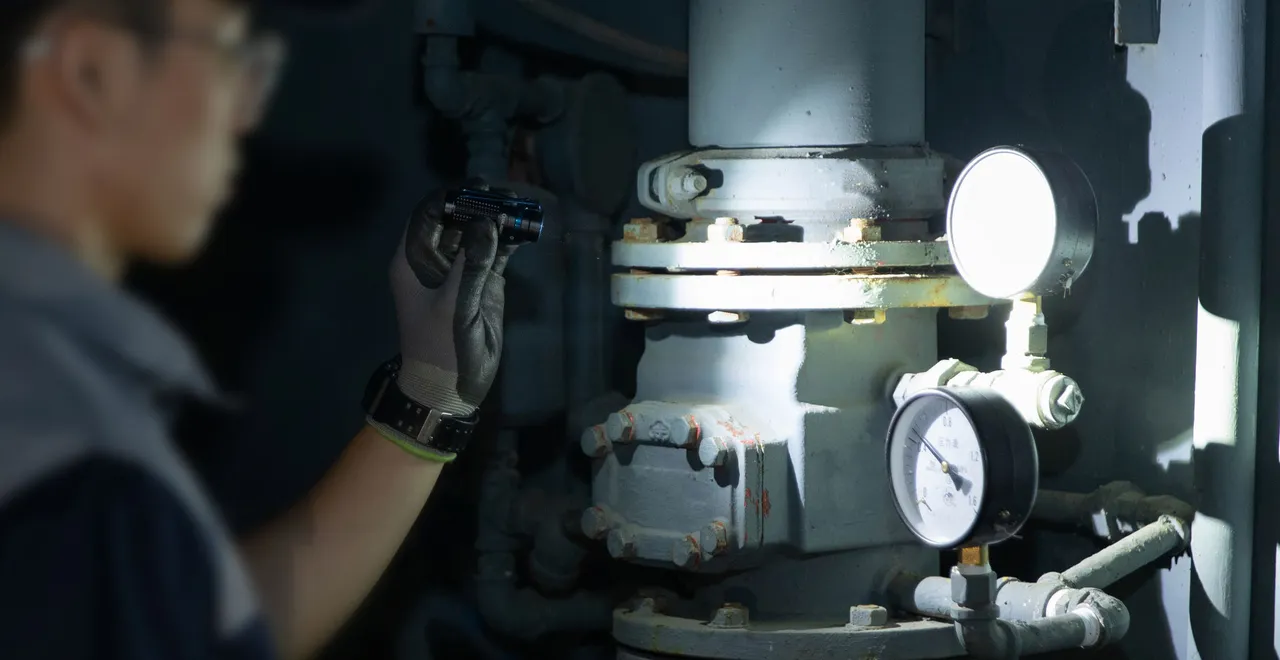
Rechargeable batteries quietly power much of modern American life, from the laptop you open at a neighborhood coffee shop to the electric vehicle charging in your driveway overnight. They are especially essential for high-drain devices that demand quick bursts of energy, such as power tools, cameras, and advanced electronics. In these situations, disposable batteries drain rapidly and struggle to keep up, while rechargeable batteries are designed to handle repeated high output demands reliably and efficiently.
Rechargeable Flashlights as a Representative Category
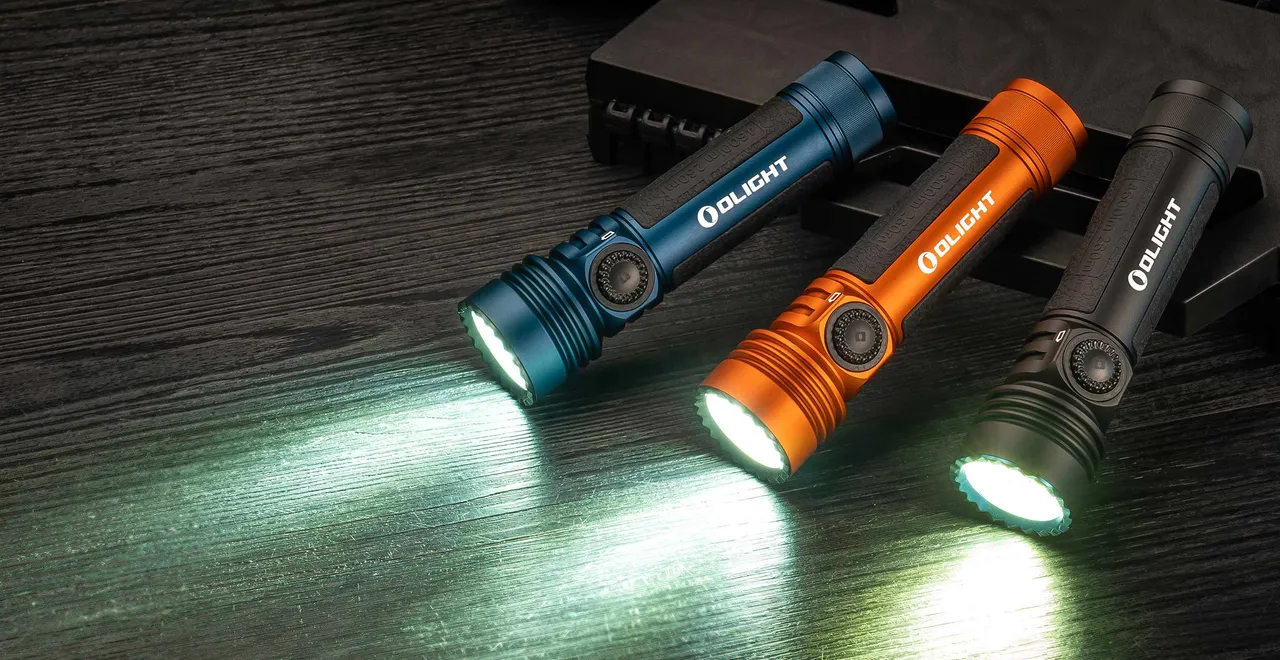
For outdoor enthusiasts and working professionals across the United States, a dependable EDC flashlight is more than a convenience; it’s a basic safety tool. Rechargeable flashlight technology has advanced to the point where performance, reliability, and ease of use now far exceed what disposable batteries can realistically support. Brands like Olight have become well known for integrating high-capacity rechargeable cells into compact everyday carry designs, ensuring dependable light without the constant need to replace batteries.
For High Performance and Endurance: Olight Seeker 4 Pro
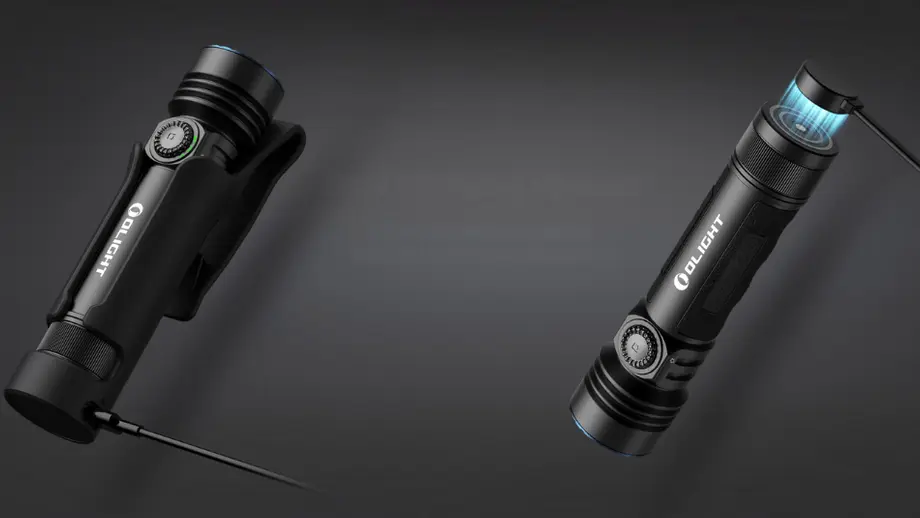
When you’re checking fence lines on a ranch in Montana or assisting with a nighttime search and rescue operation, output and reliability matter. The Seeker 4 Pro is built around a 5000mAh 21700 rechargeable lithium-ion battery, delivering up to 4,600 lumens of sustained brightness. Its magnetic charging holster allows the light to stay docked in a vehicle or bedside setup, keeping it fully charged and ready at all times, without relying on bulky, disposable D-cell backups during emergencies.
For Ultimate EDC Convenience: Olight ArkPro
For city commuters and hands-on homeowners, versatility in a compact form is key. The ArkPro combines a high output flashlight, a green laser for presentations or alignment work, and a UV light for inspection tasks in a slim, pocket-friendly body. Rechargeable via a magnetic USB cable, it can be topped up at an office desk, in a car, or from a power bank. Its integrated Li-Po battery delivers the high discharge rates needed to run multiple functions simultaneously, something disposable batteries often struggle to handle reliably.
For Unmatched Flexibility: Olight Baton 4 Premium Edition
On extended camping trips in National Parks or remote areas where outlets are scarce, power management becomes critical. The Baton 4 Premium Edition addresses this with a compact flashlight paired with a dedicated charging case. The light itself delivers up to 1,300 lumens, while the case acts as a portable power reserve capable of recharging the flashlight multiple times. A built in digital display shows remaining capacity at a glance, offering far more certainty than carrying loose AA batteries in a backpack.
Wireless Peripherals & Gaming Gear
Devices such as wireless mice, game controllers, and Bluetooth headphones rely almost entirely on rechargeable batteries to support continuous data transmission and consistent performance. Disposable batteries simply cannot match the efficiency or stability required for modern wireless use.
Digital Cameras in Modern Electronic Devices
From professional DSLR cameras to home security systems, imaging equipment demands rapid, high output energy for processing and storage. Rechargeable lithium batteries provide the discharge rates and consistency needed to keep these devices running smoothly, especially during extended shooting sessions or continuous monitoring at home.
What Are Disposable Batteries?
Even as rechargeable technology becomes more common, disposable (or “primary”) batteries still play an important role in many American homes. Their biggest strengths are simplicity and reliability. You buy them, store them, and they work when you need them, no cables, chargers, or planning required. That “grab-and-go” convenience, combined with long shelf life, keeps disposable batteries relevant in everyday and emergency use.
1. Common Types of Disposable Batteries
-
Alkaline: The familiar AA, AAA, C, and D batteries found in grocery stores nationwide. These are designed for low drain electronics and household essentials.
-
Single Use Lithium: Often used in coin cells like CR2032 batteries or specialized formats for devices such as smoke detectors, medical equipment, and key fobs, where long term reliability is critical.
2. Advantages of Disposable Batteries
The standout benefit is shelf stability. A sealed pack of alkaline batteries can sit in a drawer or emergency kit for years, often close to a decade, and still deliver power when needed. They are also inexpensive upfront, which makes them practical for devices that are rarely used or for situations where recharging simply isn’t an option, such as during extended outages or travel.
3. Practical Applications for Disposable Batteries
Disposable batteries are best suited for “set it and forget it” devices that sip power slowly over long periods.
-
Wall Clocks: A single AA alkaline battery can keep a kitchen or garage clock running for a year or more, making rechargeables unnecessary in most cases.
-
Remote Controls: TV and streaming remotes draw minimal power, so disposable batteries often last many months without noticeable voltage drop.
-
Portable Radios: In emergency go bags for hurricanes, winter storms, or power outages, disposable batteries are often preferred because they retain their charge reliably while stored, even if they aren’t checked or rotated regularly.

Key Differences Between Rechargeable and Disposable Batteries
|
Feature |
Rechargeable Batteries (Li-ion / NiMH) |
Disposable Batteries (Alkaline / Primary Lithium) |
|
Reusability |
500 – 1,000+ cycles |
Single-use only |
|
Cost Over Time |
Lower long term cost |
Higher cumulative cost |
|
Shelf Life |
Months (Depends on chemistry) |
5 – 10+ years (Great for emergency kits) |
|
Performance |
Consistent high voltage (Better for flashlights) |
Voltage drops gradually as battery drains |
|
Environmental Impact |
Eco-friendly; ~80% less CO2 |
more waste; landfill risk |
How to Safely Use and Maintain Batteries
Proper care is what separates batteries that last for years from ones that fail prematurely. Whether you’re using high-performance rechargeable batteries or traditional disposable cells, following basic safety and maintenance practices helps protect your devices, reduce replacement costs, and lower the risk of damage inside your home.
1. Preventing Leakage or Rupture
To avoid leaks and potential battery failure, never mix batteries of different brands, ages, or chemistries in the same device. Mismatched voltages can trigger over discharge, leading to swelling or corrosive leaks. If a device won’t be used for several weeks, remove the batteries to prevent parasitic drain and internal corrosion. For rechargeables, always use manufacturer approved chargers to preserve built-in safety circuits and prevent overheating or premature degradation.
2. Optimal Storage and Handling
Proper storage is one of the most essential maintenance tips for extending battery life and preventing safety issues. Batteries should be stored in a cool, dry location at normal room temperature, ideally between 60°F and 75°F. Refrigeration should be avoided, as condensation can cause terminal corrosion over time. Loose batteries should never be tossed into a drawer with metal objects like keys or coins, which can create dangerous short circuits. For higher-voltage batteries such as 9V cells, covering the terminals with electrical tape adds an extra layer of safety during storage.
3. Safe Disposal of Used Batteries
Responsible disposal keeps toxic materials out of landfills and reduces fire risks. Many major U.S. retailers, including Home Depot and Best Buy, offer free battery recycling kiosks. Lithium-ion batteries should never go in household trash, as damaged cells can trigger thermal runaway fires in garbage trucks or processing facilities. If a battery is leaking, wear gloves, seal it in a plastic bag, and take it to a local hazardous waste drop off for proper handling.
Frequently Asked Questions (FAQ)
1. What Is the 80/20 Rule for Batteries?
The 80/20 rule is a simple habit used to extend the life of lithium-ion rechargeable batteries. It recommends keeping the battery charge between roughly 20% and 80% instead of regularly charging to 100% or draining to zero. The reason is chemical stress. Full charges and deep discharges strain the battery’s internal structure, accelerating wear over time. Staying within this mid range reduces that stress and can significantly increase the total number of usable charge cycles before capacity starts to decline.
2. Can Rechargeable Batteries Be Left Inside Devices Long Term?
In most modern electronics, including the best EDC rechargeable flashlights, devices with built-in protection circuits prevent excessive drain and over-discharge. Older devices or basic NiMH rechargeables without advanced circuitry can slowly lose charge while sitting unused, which may permanently damage the battery. If a device won’t be used for six months or longer, it’s best to remove the battery and store it separately at around a 50% charge in a cool, dry place.
3. Are Built-In Rechargeable Batteries Better Than Replaceable Ones?
Neither is universally better, it depends on how the device is used. Built in batteries allow for slimmer designs, stronger structural integrity, and better water and dust resistance since there’s no removable battery door. That’s why many modern high performance devices use sealed battery systems. Replaceable batteries, on the other hand, are useful for extended off-grid situations where charging isn’t possible. The trade off is added bulk and more potential entry points for moisture or debris.
4. Are Rechargeable Batteries Safe for Children?
Generally, yes. Often safer than disposable alternatives. Single use button cells, common in toys and remotes, pose serious choking and internal injury risks for young children. Rechargeable devices typically have sealed battery compartments that can’t be easily opened. That said, supervision is still important. High output rechargeable flashlights can generate heat and extremely bright light, so they should never be pointed at eyes or handled unsupervised by children.
Conclusion
When comparing rechargeable batteries vs. disposable options, the right choice comes down to how often you use the device. For low-drain essentials like smoke detectors or emergency radios, disposable batteries remain a dependable solution with a long shelf life. But for everyday electronics and high-demand tools, from smartphones to a high-performance Olight flashlight, rechargeable batteries clearly lead the way by delivering better performance, lower long-term costs, and a much smaller environmental footprint.