


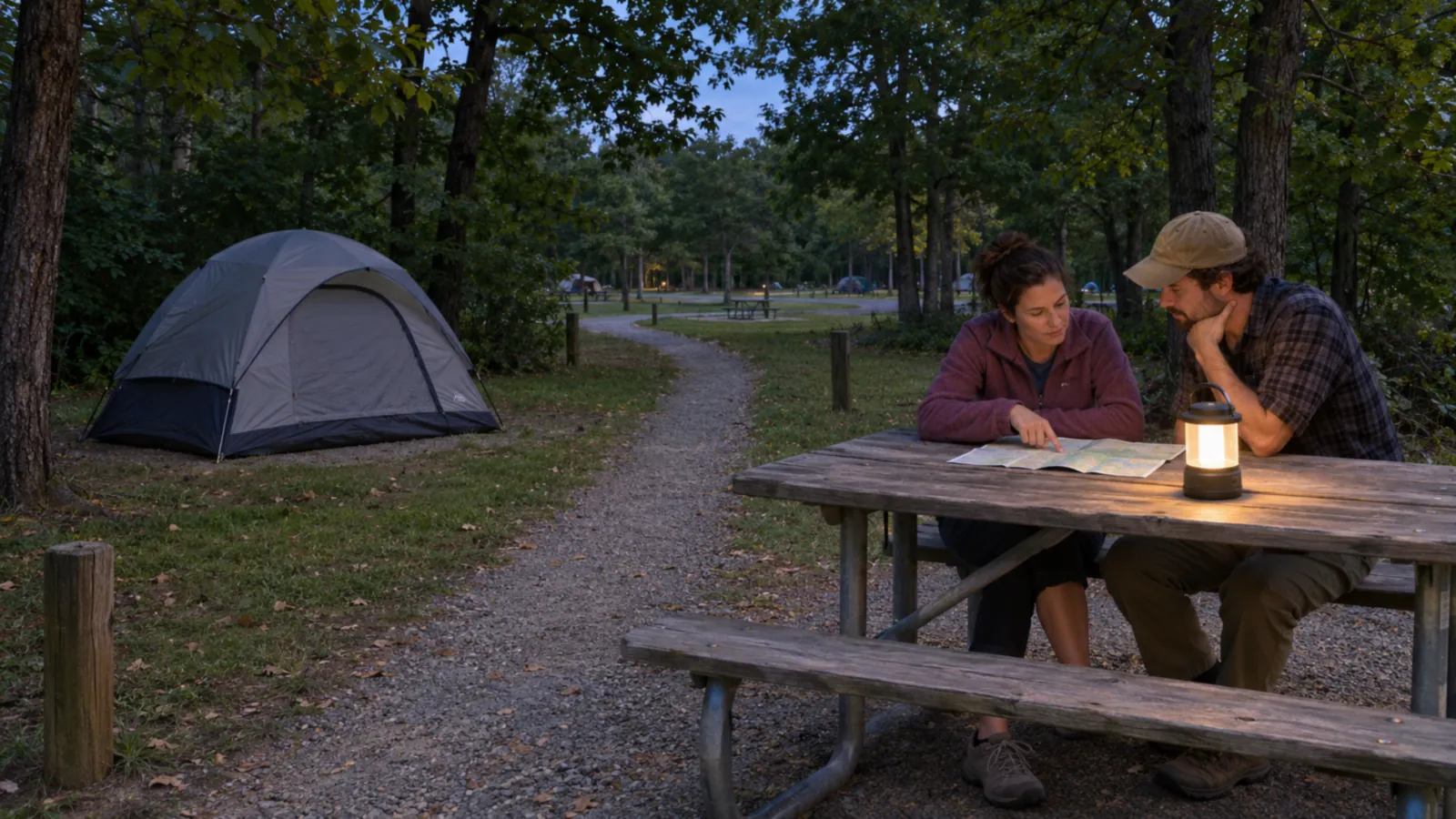
TL;DR: Start with a personal light for each camper who needs one, a shared lamp that stays at the table, and a separate working backup. Pack the lights where you can reach them on arrival. Before dark, find the restroom route, clear the way to the tent, and check how you’ll power the lights you bring.
📋 Table of Contents
- 1. Unpack the lights before the rest of the gear
- 2. What is the best lighting for camping?
- 3. Decide what to wear and what to keep as a spare
- 4. What can I use for electricity when camping?
- 5. How can I make a DIY camp light?
- 6. Sort the first evening by what people are doing
- 7. Frequently Asked Questions
Unpack the lights before the rest of the gear
| First evening job | Use this light | Check before dark |
|---|---|---|
| Find parts for the tent | A personal headlamp | You can reach, aim, and switch it off with the gear you’re wearing |
| See the table while people are seated | A shared battery lantern | The base is stable and the useful light stays near the table |
| Go to the restroom | A personal light on the known campground route | Everyone knows where to go and who will accompany them |
| Find a zipper or a bag near bedtime | A personal light on a usable low setting | The pocket or storage spot can be reached without walking around |
| Replace a light that stops working | A separate working backup | It has its own power and a known place |
Keep the first lights where you can reach them without unpacking the entire vehicle. A zipped bag by the door or near the top of the gear is easier to use than a box under tents and sleeping pads. Put the shared light in that bag as well if you plan to set it out at arrival. If one person keeps the backup, tell the rest of the group who has it.
Verify the site number, the spaces you may use, and any late check-in instructions. Where a campsite has a pad, table, and road or path frontage, take a few minutes to see how you reach each one. If you arrive near dusk, do the jobs that depend on daylight first. Check an unfamiliar entrance and the route to the restroom before the view fades.
The National Park Service recommends making camp before dark and becoming familiar with the terrain in daylight. If you need to leave after dark, it advises using a headlamp, going with a companion, and staying in areas you saw by day. Read its guide to finding and setting up a campsite.
Camping at a reserved spot may feel straightforward until people begin splitting up. One person can be at the picnic table while another is settling the tent. Give both people light they can keep using. A shared light needs its own place if more than one person will use the table. A personal light can go with someone who needs to finish a task elsewhere.
On a late arrival, simplify what you do first. Pick someplace stable to put the lights and identify an open strip for walking. Make the tent or sleeping arrangement ready according to site and equipment instructions. Leave optional sorting or a longer meal setup until you have enough light and space. Ask the host what to do if you cannot see the site or understand the arrival instructions.
If you are sharing the unloading, agree on which bag gets opened first. One adult can read the site number or directions while another looks for the tent space. Leave your personal light on your person until you know where to put it. The first few tasks are easier when the light stays with the person doing them instead of moving around in an unmarked box.
A loose gear bag near the tent can become the only object you can see when a headlamp points down. Move it to the part of the site you have already decided is for storage. Keep stakes and ground anchors visible while setting up, and leave open space for the people carrying equipment. Before going to the table, check that the normal route from the tent remains easy to see.
Make a simple choice if you have very little daylight left. Finish finding the assigned site and the approved route before laying out anything you will only use for the meal. Put the bedding, personal lights, and other items you need at night in known positions. Anything that needs more space or better light can wait until the conditions let you do it comfortably.
Make sure the next person knows what to do with the map or reservation details when they finish reading. In an unfamiliar campground, the adult setting up the tent may need that information just as another person begins to look for the restroom route. Keep a copy of the essentials reachable. A printed campsite map can stay on the table while the phone stays available to the person who needs it.
What is the best lighting for camping?
Start with a headlamp or flashlight for each camper who needs personal light. Put a steady, battery-powered lantern where people share a table, and keep a separate backup that works without the main light or the phone. Confirm the campground's rules and adjust the kit to the jobs people actually need to do.
Individual use is different from group use. While one camper can wear a light and keep both hands available, people sitting across from each other need to see without headlamp beams continually crossing their faces. A quiet table light spreads a usable view around a limited area. The table stays lit if somebody goes to look for a jacket.
Set the lantern down where it has a secure base and does its job without reaching into the walking lane. Start with a moderate, usable setting and ask the people at the other side of the table what they can see. Move the lamp if a person has to look directly into it to see the person they’re speaking to. A few changes in placement can help the whole group.
Olight’s earlier guide to shared lantern coverage and glare explains why usable spread matters around a group. Begin with the actual table and seating you’re using. A big bright spot in the middle may leave one person looking across its brightest part while somebody else blocks the light for a camper at the far end.
A tent needs less area illuminated at once. Aim at the zipper, bag, or sleeping gear that you are working with and switch off the light when the job is finished. Check product instructions for use near fabric. Keep lights away from bedding and areas where they can be knocked down or covered, and leave a clear path to the tent opening.
Choose a place for keys and anything you would need after the light goes off. A lamp that somebody uses to read at the table can stay there; the personal light goes back into the pocket or bag the camper will use for the restroom. Agree which light stays with the place people share. Check before taking it elsewhere at bedtime.
The Park Service discusses purposeful, targeted, low-level outdoor light in its night skies guidance. At camp, choose enough light for the nearby task, keep the beam within your site, and switch it off when it is finished. Pay attention to what campers next door can see when you turn toward them or point at something off the table.
Look around the table before you make a decision about buying a larger lantern. If one person is blocking the light from reaching another, move it to a better place on the stable surface within the manufacturer’s directions. One camper may need enough light to read while someone else just wants to see their plate. Keep the seating area usable and hand the reader a personal light for the short job if necessary.
Look at the table from more than one seat during setup. Some campsites have benches on two sides, and a covered edge can put an unusual shadow across one end. Check whether the person nearest the aisle can still see where they put their feet. If the shared light mainly helps people farther inside the table area, account for the available light on the approach separately.
A shared light can stay useful after dinner if people know where to leave it. Place it so the person clearing the table can reach it without walking through the beam or moving it first. Keep the storage location away from clutter and bag straps. The last person to use the table can switch it off after checking that the people who remain have light for the route.
Decide what to wear and what to keep as a spare
A headlamp is useful when you need to hold a tent part or open a bag with both hands. Check the band with the layers you expect to wear. Try the controls somewhere well lit before you pack and see where the beam goes when you look down. Give each person who wears one time to learn their own light.
A compact flashlight can have a smaller role. A short gear check at a chair usually takes one hand and only a little space. A spare can also stay with the person who knows where it belongs. Set it up in advance so it is available if the lights you use most are being charged or have stopped working.
Try the controls that matter before you arrive. Some headlamps can remember a prior mode, and some start the same way every time. Work out how to switch yours on, find an appropriate level, and switch it off. If you use a storage lockout, follow the exact instructions and learn how to unlock it before you need it in the dark.

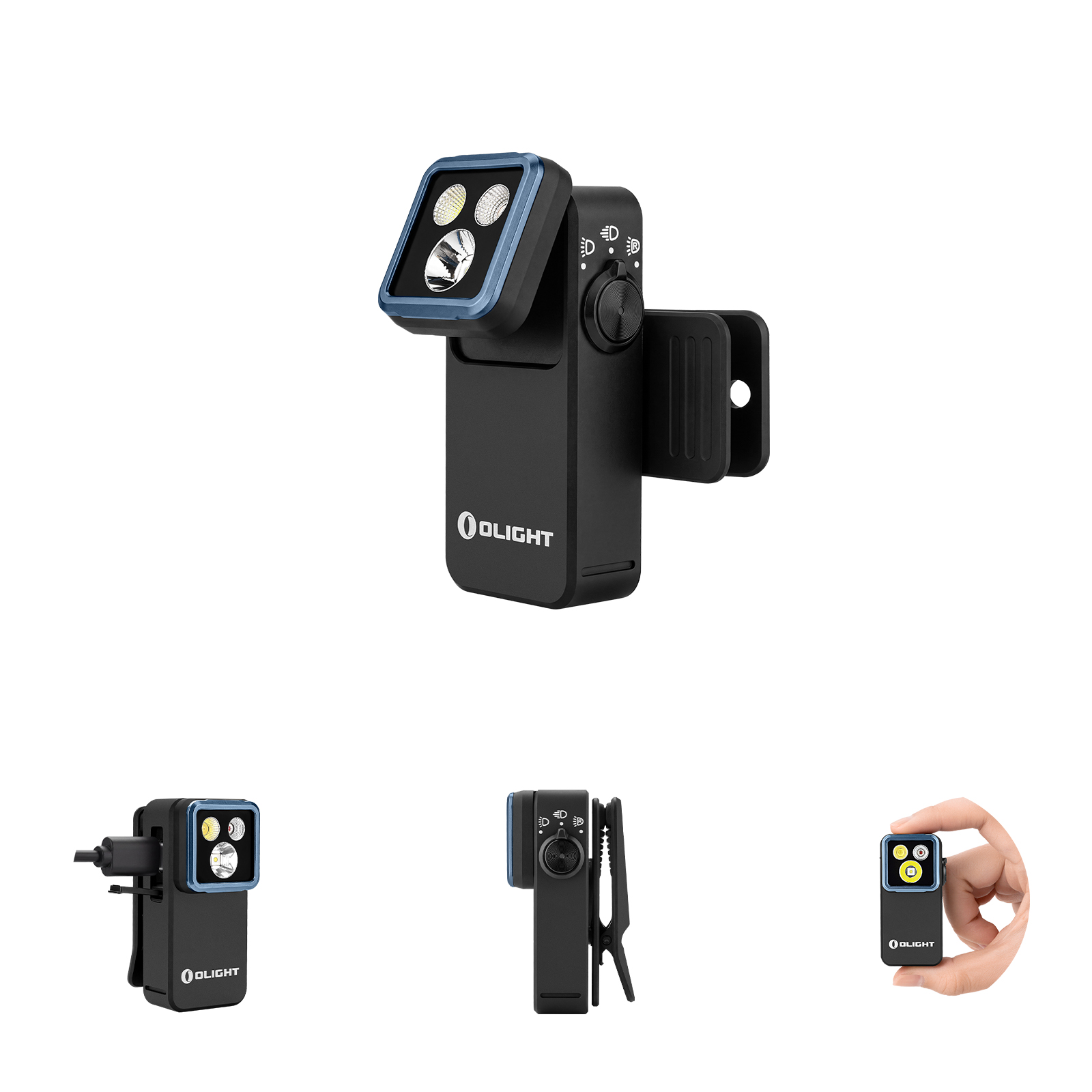
A clip light can leave part of the table free when people are trying to read and sort gear. Use the attachment only while the task needs a light. Check where the beam ends, especially if there are other people seated across from you. The table’s main light should still show the space everyone shares when the clip light is taken down.
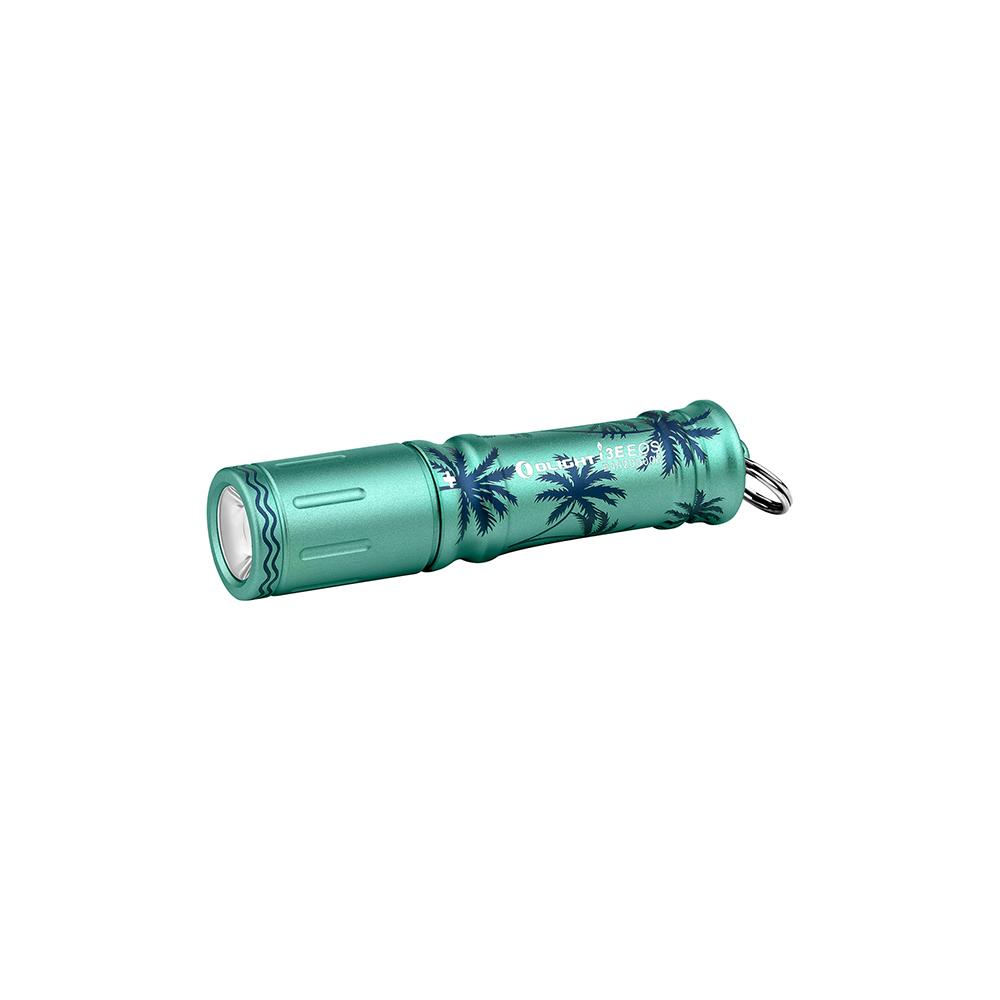
Check whether the backup can carry out the job you’d need if the main light fails. A light that locates a zipper from a seat may be too awkward for working with both hands. Keep the task simple or ask for help from the other people with you. A backup may need its own battery or charging routine so the same issue does not stop both lights from working.
If you're bringing a child or somebody new to a headlamp, have them try an appropriate light in daylight. The instructions and any age or storage restrictions apply to the exact device. Show where an adult's backup stays and let the other camper try an approved light on their own close task. Keep both lights available to the adults who need to manage the site.
Leave room for a borrowed light in the packing plan. Find out where it switches on, whether it needs a particular charger, and who takes it home again. If two people brought devices that look alike, put the initials on their storage pouches instead of sticking a label over a control or vent. At bedtime, they can tell which one they’re reaching for.
What can I use for electricity when camping?
Charge your lights before leaving. For compatible rechargeable equipment, bring an appropriate charged power bank and the correct cable. If the campsite offers a hookup, check what the specific reservation provides and use it as directed. A separate battery-powered light gives you a fallback when charging is unavailable or a lead is lost.
Campgrounds can offer several types of site in the same place. The Park Service lists both sites with electrical connections and sites without them at Platte River Campground. Read the actual reservation details and current notices for your trip. A name on the campground list tells you less than the facilities attached to your exact site.
Bring cables and chargers that match each product, and handle them according to the manufacturer’s instructions. Test your actual charging setup in a dry place before you leave. Keep the adapters together where they can be found, but put at least one ready light in a separate place. If a cable only works with one device, identify it before the lights run low.
Keep at least one option that works while the main light is charging. A backpack at the table can hold one device, and a person may need a light at the tent at the same time. Think about where those people will be. A spare that stays attached to an occupied charger is unavailable until somebody remembers to bring it back.
If a light uses replaceable batteries, read the manual for the exact type and keep compatible spares protected with an adult. This avoids opening an equipment bag in the dark to find several batteries that look similar. The Park Service advises carrying a flashlight or headlamp and spare batteries in its Ten Essentials.
Before leaving home, decide what you can do if the place you expected to charge at is unavailable. If the power bank does not accept the required cable, bring the right one or simplify the plan while you still have an outlet. If two people will share a charger, decide which light will remain in use while the other is charging. That is easier to arrange when each person knows which lamp is theirs.
Put the phone aside for the functions you expect to use, such as reservation details, an offline map you loaded ahead of time, or contacting somebody where service works. A phone light can help find a nearby object while seated. If it is the only light and the phone is charging or somebody needs the map, that choice leaves fewer ways to cover the next task.
If the backup has replaceable batteries and the main light is rechargeable, protect and manage each source separately. Leaving both detached and loose in a single gear tray can make them harder to find and maintain. Check the installed battery and the spare before leaving. Store the compatible spare as its maker directs and keep it out of children’s reach.
Bring power that answers a real need. If your headlamp and table lantern already have enough usable power for the planned evening, a phone power bank can stay with the phone and a separate light can stand by. For a longer stay, look at the actual manual and the modes you'll use. Consider when you can recharge before counting on the same small battery for several devices.
How can I make a DIY camp light?
For a short job, use your current light at a low usable setting and direct it onto a nearby matte surface that will spread the light. Keep the lens uncovered and follow its instructions. For a light you’ll leave on at a table, use a stable battery lantern or a diffuser approved for the exact model.
A spare flashlight will sometimes get enough light onto a plain rigid surface next to the work. Try it outside from a place where you can see the result. Stop if the material redirects a bright spot into somebody's face or makes the floor hard to read. Keep the light free of covers and leave enough room to handle it without placing it against gear.
Before attaching any diffuser or hanger, find out what the manufacturer allows for that specific light and what the campground allows for that mounting point. A lantern designed to stand on a table may be enough for the whole job. Follow its placement instructions and keep it away from places where fabric or a sleeve can fall over the device.
A reflected flashlight beam works best when it serves a limited task. It may help you see a list at a chair while the lantern stays with the group, then be easy to turn off. If you need ongoing light for several people, set out a suitable shared lamp. Assign one person to set it up and put it away so it stays available through the required part of the evening.
A small lamp can end up pointed at someone when a second person adjusts the surface it is aimed at. If the person reading is moving between two places, give them a personal light and leave the shared lamp alone. That avoids a lot of repeated adjustments at the table. Keep the trial of any reflected lighting brief and be ready to switch it off.
Sort the first evening by what people are doing
| Lights you already have | What you can do | What to confirm |
|---|---|---|
| One handheld | A short nearby check by one person | A separate option for other people or movement |
| Personal lights for the campers | Individual tent tasks and familiar routes where permitted | Shared light if several people stay at a table |
| Personal lights and a shared lantern | Arrival, seated work, and time in different parts of the site | A working independent backup if one light fails |
| Personal lights, shared lantern, and a backup | Separate roles and a fallback | Actual device power, storage, site access, and lighting limits |
Complete the first walk through camp while you still have enough daylight. Notice which side of the tent you enter from and where lines and stakes sit. Locate the approved path and any turnoff to the restroom. If the route crosses a road or passes other sites, ask about the approved route and keep portable light on your own immediate path.
Make the night plan before people go in different directions. Some campgrounds have several similar paths, and the signs you passed in daylight can look alike. Use the nearest site marker or other fixed detail to remember the turn. Bring a companion as appropriate and keep the shared table light in place if somebody stays behind.
If one person goes down to the tent while everyone else gathers at the table, give the first person time to find their own light before the other lamps go off. Let the people at the table keep their light until they finish. If somebody wants to carry the lantern away, ask who is still using it. A short handoff can keep another camper from having to puzzle out the path in darkness.
At a campsite with similar paths nearby, give the turns names that everyone can recognize. You could use the campground loop sign and the posted site marker as two separate reference points. Walk the approved route while it is visible and tell the group where those markers are. If the closure or access information changes, ask the host about an authorized way around it before leaving camp.
Set a shutdown routine before settling in. Return the shared lamp to the agreed dry place. Put the personal lamp where you can reach it from inside the tent and keep the backup in its known spot. If the lamp looks damp or damaged, follow the manufacturer's instructions and leave it off the charger until it meets the stated conditions.
Spend a couple of minutes on small gear changes before you leave in the morning. A charger or light can easily stay behind on a bench or table if people are putting away more familiar items. Check that each piece of the kit has been returned and separate any batteries as directed for transport. Then you will know whether the lights are ready for the next outing.
If the first night includes a second trip to the restroom, tell the people staying in the tent before you take the main personal light. Make sure they can turn on a light where they are. Have the returning person put the light back in the same spot instead of leaving it in a jacket they won’t wear again that evening.
Check what happens the next morning if you need to pack before full daylight. Leave one working light accessible until the other gear is loaded. Put the headlamp away after closing the tent bag and checking the ground where you were working. That arrangement also helps you notice when somebody has packed the spare before everyone else is ready.
Frequently Asked Questions
Changelog
- November 19, 2026. Checked campground setup, park lighting and power guidance, the earlier shared lantern article, and the three exact U.S. product manuals and main images.




