TL;DR
Emergency lighting for home emergency kits is one of the most important tools for power outages, natural disasters, and emergency preparedness. A reliable combination of flashlights, lanterns, and backup power sources helps families stay safe, navigate hazards, and maintain communication during blackouts. This guide explains how to choose the best emergency lighting, store batteries properly, and build a dependable home emergency lighting kit for 2026 and beyond.
Imagine the sudden silence of a power grid failure. The hum of the refrigerator stops, the Wi-Fi router blinks out, and your home is plunged into total darkness. In that first second, your priority isn't the food in the freezer—it is finding a reliable light source to ensure the safety of your family. Emergency lighting is the cornerstone of any home disaster preparedness kit. It provides the essential visibility needed to navigate obstacles, locate other critical supplies, and maintain a sense of calm during stressful situations.
As we look toward 2026, the technology behind backup lighting has evolved significantly. Modern solutions are brighter, last longer, and offer multi-functional capabilities that were previously impossible.According to the U.S. Centers for Disease Control and Prevention (CDC), emergency lighting such as flashlights, headlamps, and battery-powered lanterns should be considered fundamental components of household emergency preparedness plans, alongside backup batteries and portable power sources (Source: CDC – Power Sources).
Table of Contents
- Why Emergency Lighting Matters During Power Outages and Disasters
- Essential Lighting for Home Emergency Kits
- How to Choose the Right Emergency Lights
- Building a Reliable Emergency Lighting Kit
- Battery Storage and Backup Power Planning
- Recommended Olight Emergency Lighting Solutions
- Frequently Asked Questions About Emergency Lighting
- Conclusion: Don't Wait Until the Lights Go Out
Why Emergency Lighting Matters During Power Outages and Disasters
Light is more than just a convenience; it is a primary tool for safety, security, and psychological well-being. During a disaster, the sudden absence of light significantly increases the risk of domestic accidents, such as trips and falls, which can quickly turn a stressful situation into a medical emergency.
The CDC specifically recommends using battery-powered flashlights and lanterns during power outages because they significantly reduce fire risks compared to candles, especially when emergency services may be delayed during large-scale disasters (Source: CDC – What to Do During a Power Outage).
From a tactical perspective, proper lighting allows you to assess your environment. Whether you need to check for structural damage after an earthquake, navigate a flooded basement, or simply identify potential hazards during a blackout, high-quality illumination serves as your first line of defense.
Furthermore, ambient light is a critical factor during extended outages. Total darkness for days on end can lead to increased anxiety and distress, especially for children and the elderly. A reliable light source provides a sense of normalcy and control over an unpredictable environment. In 2026, as extreme weather patterns become more frequent and infrastructure ages, having a solid backup plan is no longer optional—it is a necessity for every household.
Essential Lighting for Home Emergency Kits
A one-size-fits-all approach does not work for emergency preparedness. You need a tiered lighting system designed to address different phases of a crisis.
Lighting for Immediate Response and Evacuation
The first 60 seconds of a power outage are the most critical. You need "immediate response" lights—handheld flashlights or headlamps located in predictable, easy-to-reach spots like nightstands or near doorways. These lights must offer absolute reliability, intuitive controls, and sufficient beam distance to help you navigate your home or exit a building quickly.
Lighting for Extended Power Outages
Once the initial shock passes and you realize the power won't return for hours or days, your needs shift to ambient area lighting. This is where lanterns and dedicated area lights excel. These tools are designed to illuminate entire rooms, allowing for hands-free activities like cooking, reading, or performing essential home repairs. Energy efficiency is key here; you want lights that can run for dozens or even hundreds of hours on a single charge.
Lighting for Communication and Safety
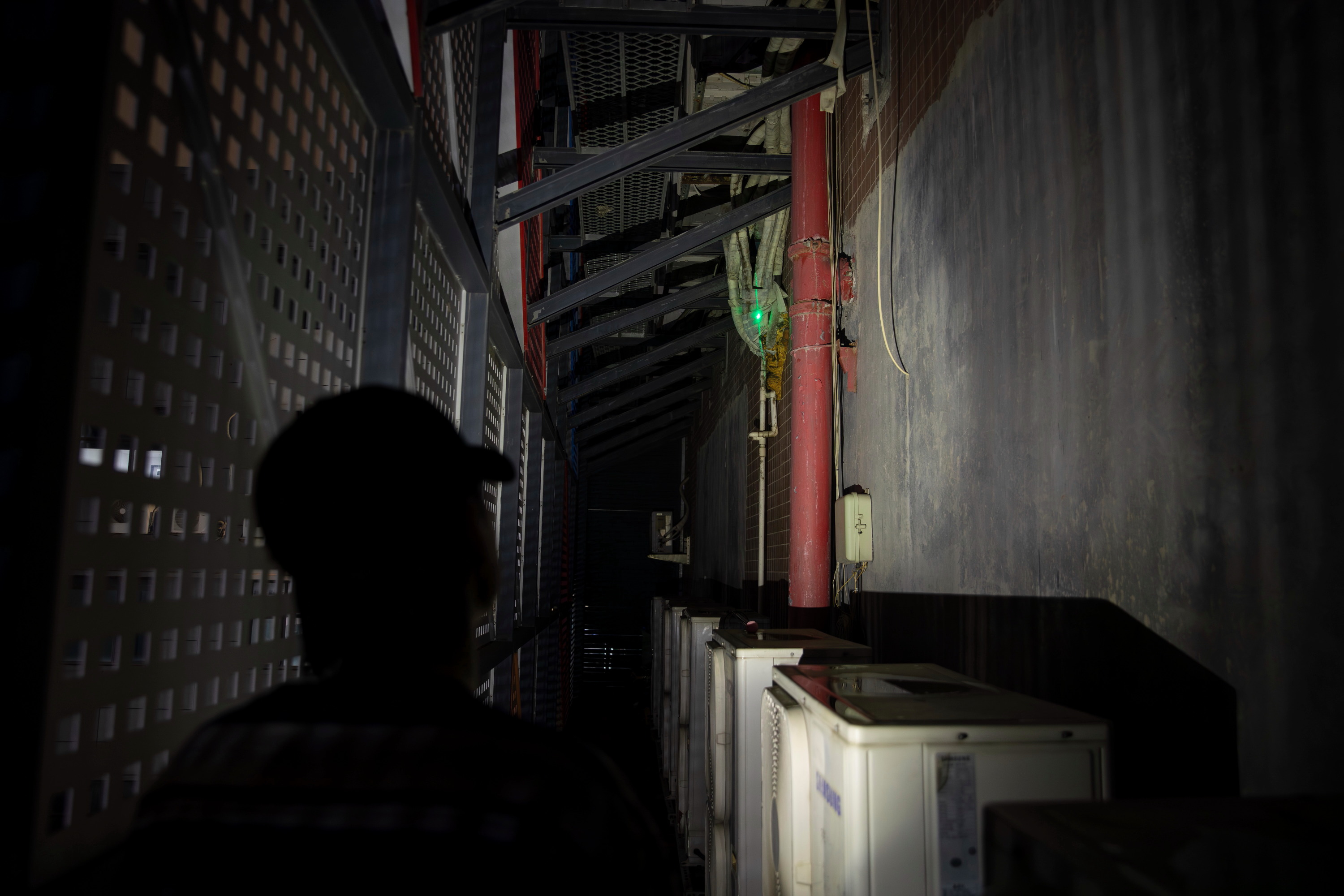
In severe disaster scenarios, you may need to signal for assistance. Lights with dedicated SOS or strobe modes are vital for attracting rescue teams. Additionally, auxiliary colored lights (such as red or green beams) are highly useful for preserving night vision and signaling status without causing temporary blindness.
How to Choose the Right Emergency Lights
Selecting the right gear requires understanding key technical specifications and how they translate to practical, real-world survival situations.
Flashlights vs Lanterns vs Area Lights
- Flashlights: Best for navigation and focused search tasks, delivering a concentrated beam that cuts through darkness over long distances.
- Lanterns: Best for general living spaces, providing 360-degree diffused ambient light that is perfect for placing on a table or hanging from the ceiling.
- Area Lights: Larger, highly powerful floodlights designed to illuminate entire work zones or outdoor areas during emergency recovery efforts.
Key Features to Look For
- Lumens vs. Candela: Lumens measure total light output, while Candela measures the intensity of the beam in a specific direction. For home use, high lumens are great for area illumination, but high candela is essential for seeing down a long driveway or street.
- Runtime: Prioritize lights with a "moonlight" or "low" mode that can run continuously for at least 50 hours.
- Durability: An IPX8 waterproof rating and a minimum of 1.5-meter impact resistance represent the gold standard for reliable disaster gear.
- Charging Versatility: Having both USB-C and proprietary magnetic charging options provides the flexibility needed to recharge via power banks, solar panels, or vehicle outlets.
When SOS and Emergency Modes Matter
Standard lighting is designed for visibility; emergency modes are engineered for survival. An SOS mode automatically flashes the international distress signal in Morse code, which is far more effective at attracting search-and-rescue teams while conserving valuable battery capacity compared to a constant high-output beam.
Emergency signaling functions become especially valuable during disasters that disrupt communications. FEMA preparedness guidance recommends maintaining multiple methods for attracting attention and communicating during emergencies, including lighting tools and battery-powered emergency equipment (Source: FEMA Emergency Preparedness Guidance).
Building a Reliable Emergency Lighting Kit
A comprehensive home emergency lighting kit should be strategically distributed throughout your residence rather than stored in a single, hard-to-reach location.
Essential Flashlights for Every Household
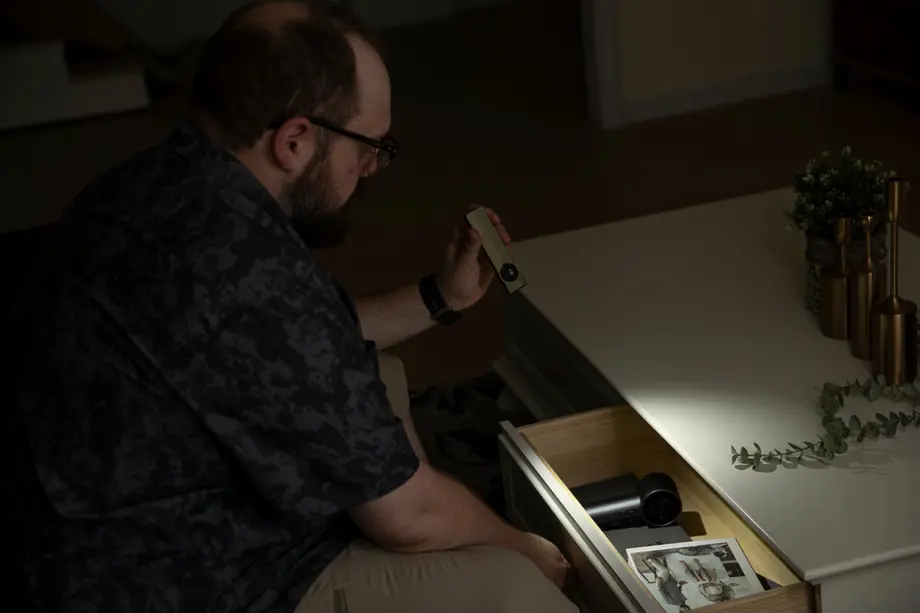
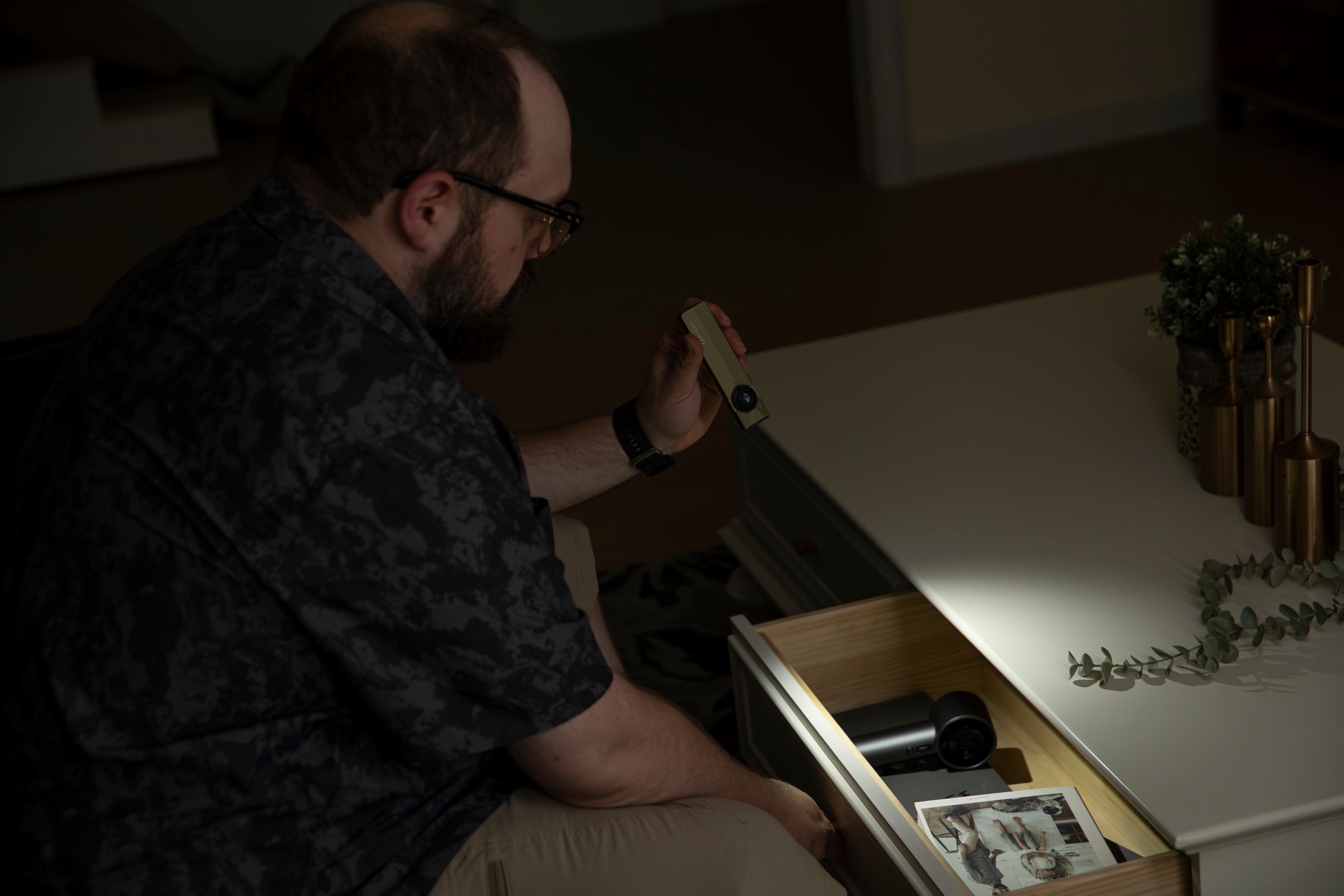
Every adult in your household should have access to a dedicated high-performance flashlight. Keep these in fixed, memorable locations. Consistency is key: if a flashlight is always secured in the kitchen drawer or on your nightstand, you won't have to scramble blindly to find it when the power drops.
Lanterns for Room and Family Lighting
Plan for at least one high-quality lantern for every 500 square feet of living space. Lanterns that feature warm-white or amber light options are highly recommended, as they create a calmer environment and reduce visual strain during long evenings without power.
Portable Lights for Backup and Mobility
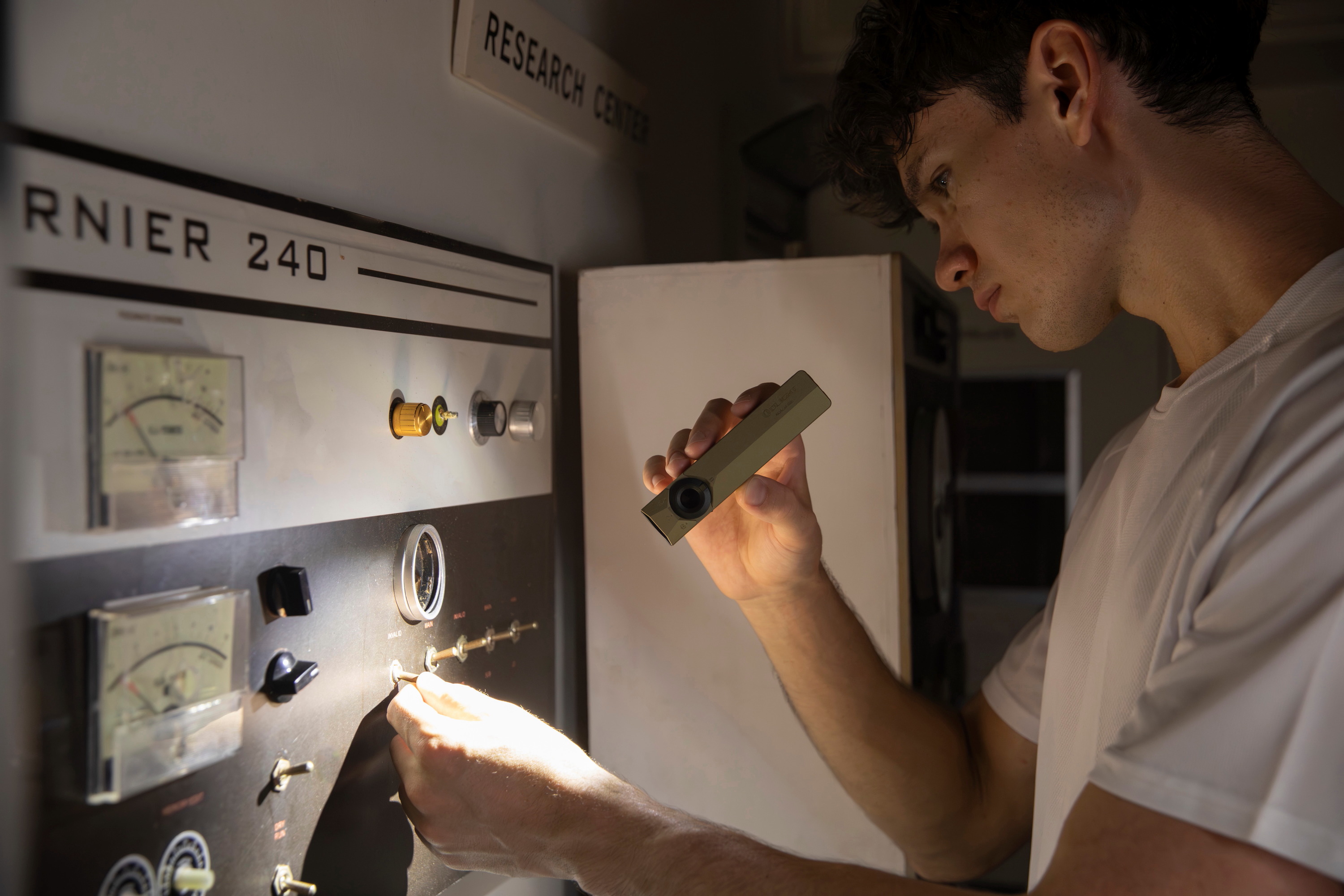
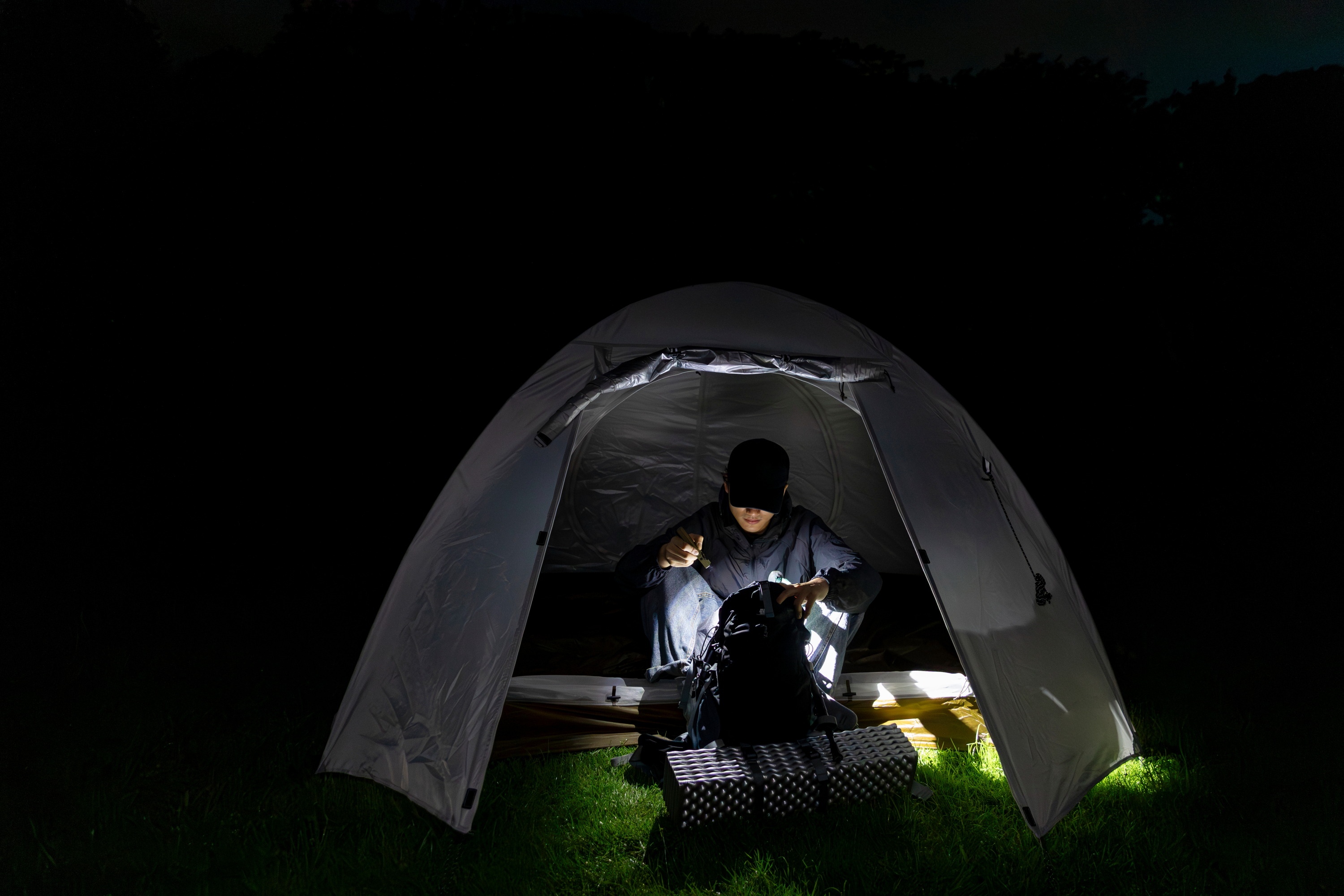
Compact, lightweight, and flat-profile flashlights serve as exceptional secondary backups. Keep these on your person or packed inside a rapid-evacuation go-bag, ensuring you have reliable illumination that won't weigh you down if you must travel on foot.
Battery Storage and Backup Power Planning
Your emergency lights are only as dependable as the energy source backing them up.
How Many Batteries Should You Store?
A solid rule of thumb is to store enough power to sustain 72 hours of continuous use across all primary devices. For rechargeable gear, this means keeping high-capacity power banks (20,000mAh or more) or a portable solar generator fully charged. For devices utilizing disposable batteries, store at least three complete sets of replacement cells per light.
Safe Battery Storage and Maintenance Tips
- Temperature Control: Store all batteries in a cool, dry place. Extreme temperatures accelerate self-discharge and risk leakage.
- Routine Checks: Every six months, inspect and test your emergency lights. Re-charge them to between 80% and 100% capacity to maximize cell health.
- Avoid Mixing: Never combine old and new batteries within the same device, as this can cause rapid discharge and chemical leakage.
Recommended Olight Emergency Lighting Solutions
Olight manufactures precision-engineered lighting tools tailored to meet the demanding requirements of high-stakes emergency situations.
Best Flashlights for Home Emergencies: Olight Seeker 4 Pro
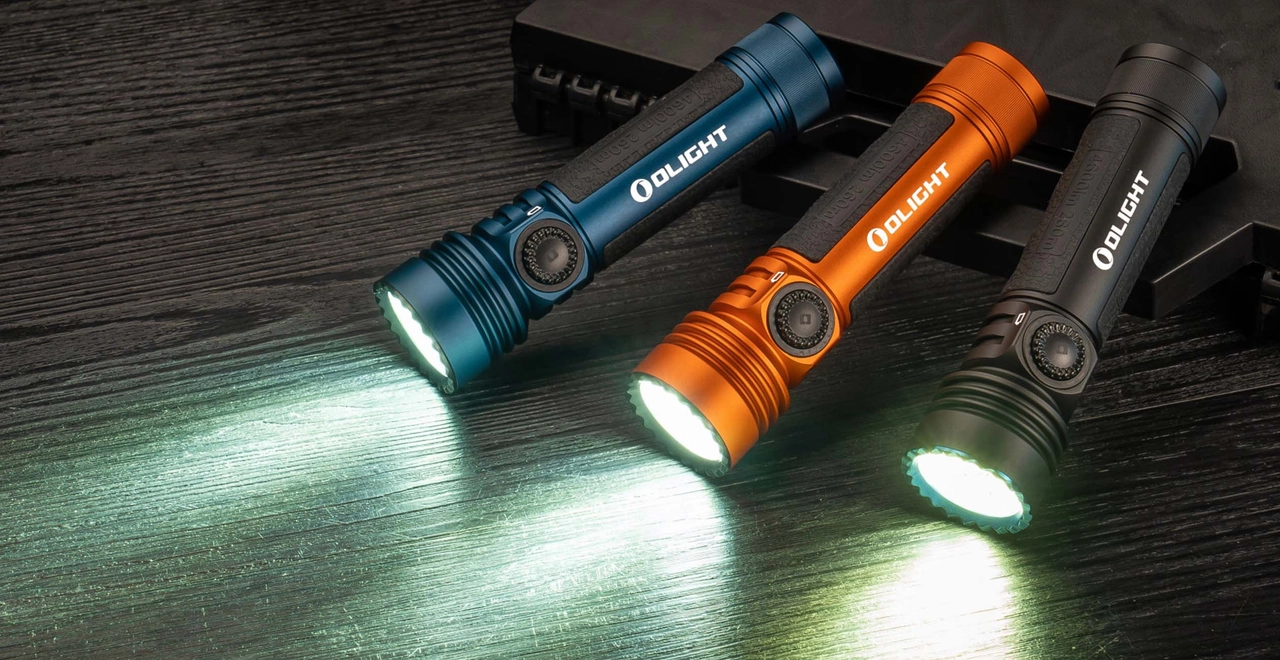
The Seeker 4 Pro is an absolute powerhouse designed for comprehensive domestic safety and outdoor utility. Generating up to 4,600 lumens, it easily floods an entire backyard or long hallways with light. Its most valuable feature is the innovative charging holster, which provides seamless wall mounting to ensure your light is always charged and immediately accessible during blackouts. Elegant laser-microperforated indicators keep you informed of exact battery levels and brightness outputs.
Seeker 4 Pro High Output Flood Flashlight
Powerful wide-beam torch hits max 4600 lumens with 260-meter throw, 5000mAh built-in cell for 15-day low-mode runtime, IPX8 waterproof & 1.5m drop resistance, equipped with charging holster and rotary stepless dimming switch.
View DetailsBest Lanterns for Extended Blackouts: Olight Olantern Classic 2 Pro Smart
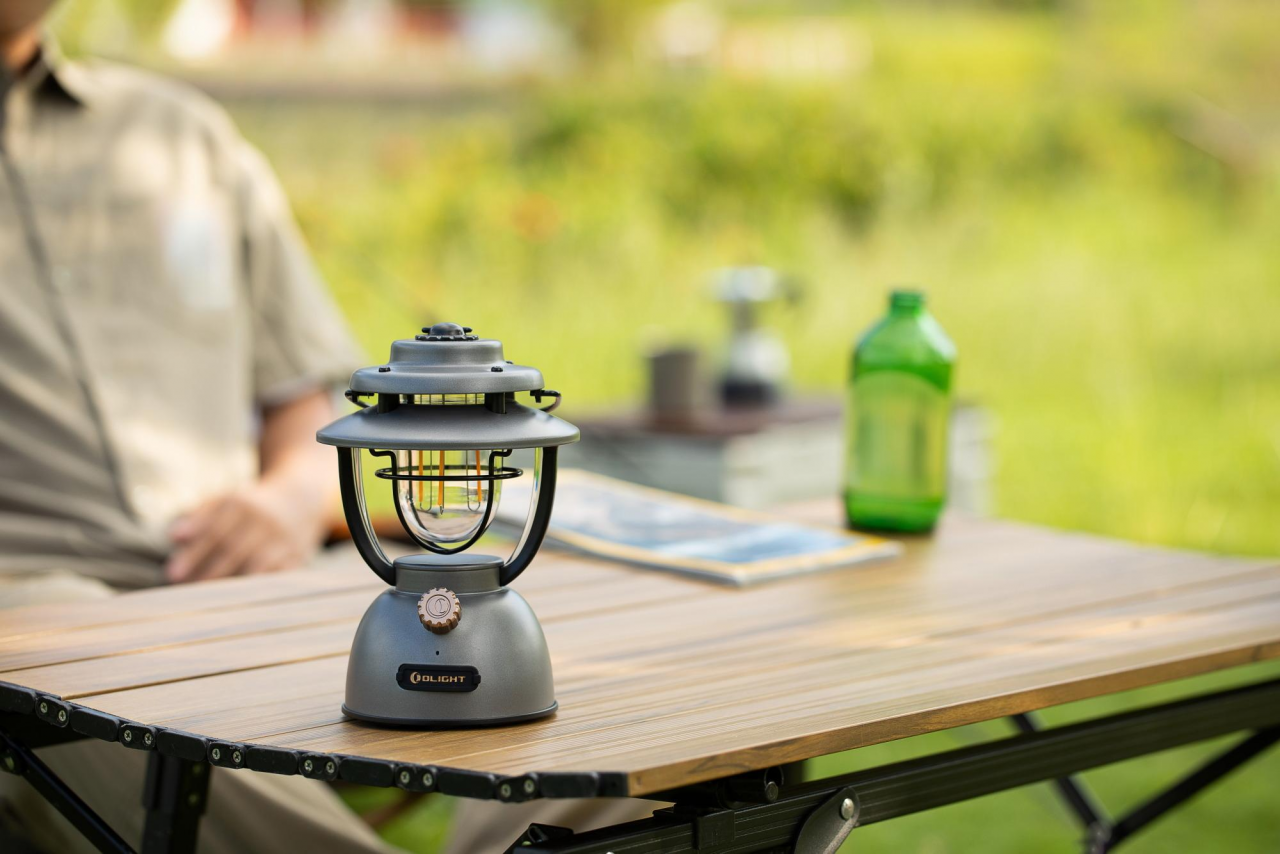
For comforting, room-wide ambient light, the Olantern-classic-2-pro-smart has no equal. It holds a massive 11,200mAh internal battery, enabling it to run continuously for up to 9 days on low mode. More than just a light, it operates as an emergency power bank via USB-C and USB-A output ports to keep phones and critical accessories functional. Its vintage-inspired copper build delivers premium drop-protection and outstanding corrosion resistance.
Olantern Classic 2 Pro Smart Vintage Camping Lantern
Vintage copper-built smart lantern delivers max 300 lumens dual warm lighting with stepless dimming, supports Olight App remote control, built-in 11200mAh battery for up to 9-day runtime, works as power bank with USB-A/C reverse charging and IPX5 splashproof rating.
View DetailsBest Compact Flashlights for Emergency Kits: Olight ArkPro Ultra
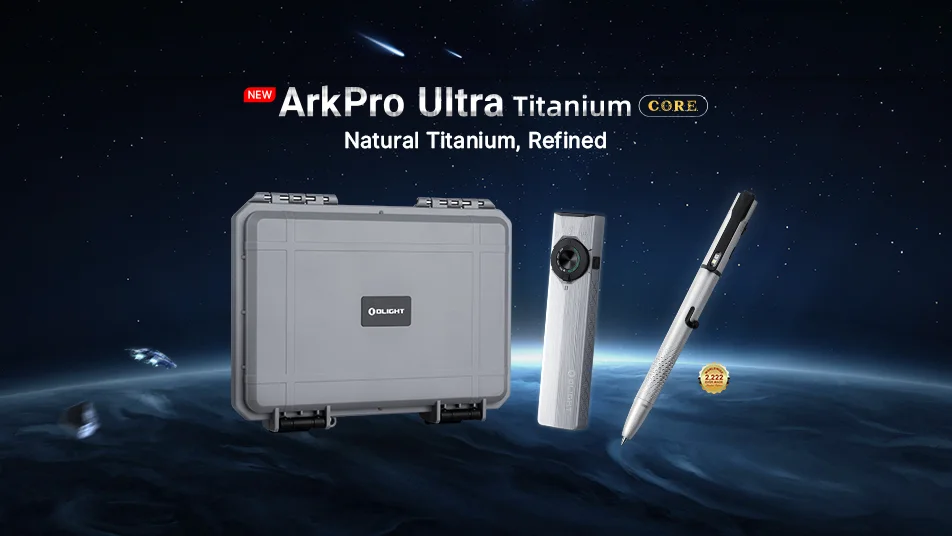
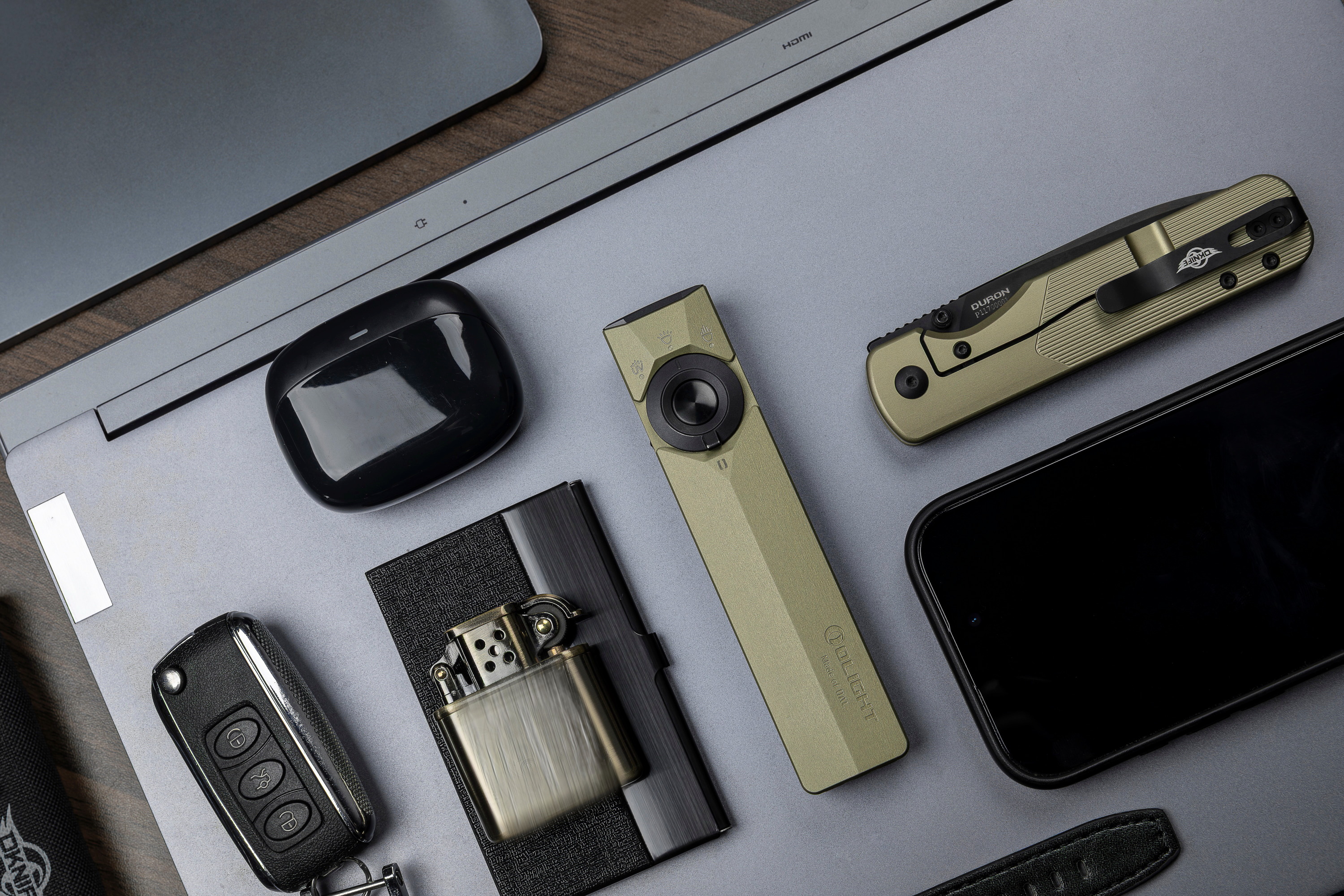
As the pinnacle of the Arkpro Series line, the ArkPro Ultra is the ultimate pocket-friendly emergency light. Its signature flat profile slips cleanly into emergency organizers, pants pockets, or travel bags. It stands out by integrating four discrete light sources: a powerful 1,700-lumen flood, an 800-lumen spotlight, high-utility UV, and an eye-catching green pointer. The hard anodized O-aluminum structural frame is 1.73 times tougher than standard alloys to withstand any sudden drop.
ArkPro Ultra
The ultimate ultra-tough EDC companion. Combining standard illumination, high-utility UV detection light, and a precise green pointer inside an aerospace-grade O-aluminum chassis, it provides robust survival functionality in a compact pocket design.
View DetailsFrequently Asked Questions About Emergency Lighting
How Many Flashlights Should a Household Have?
What Is the Best Light Source During a Power Outage?
Are Rechargeable Lights Reliable for Emergencies?
How Long Should Emergency Lights Run?
Conclusion: Don't Wait Until the Lights Go Out
The best time to build a robust home lighting kit was yesterday; the second best time is today. By 2026, the complexity of our power grids and climate will make reliable self-reliance highly critical. Investing in high-performance platforms like the Seeker 4 Pro or the Olantern-classic-2-pro-smart ensures that when the rest of your neighborhood plunges into darkness, your family remains safe, secure, and clearly illuminated.
Assess your home's unique requirements, invest in resilient, multi-functional tools, and maintain your backup power cells. Proactive preparation is the difference between a stressful power disaster and a smoothly managed blackout. Stay safe, stay prepared, and keep your lights shining.