TL;DR
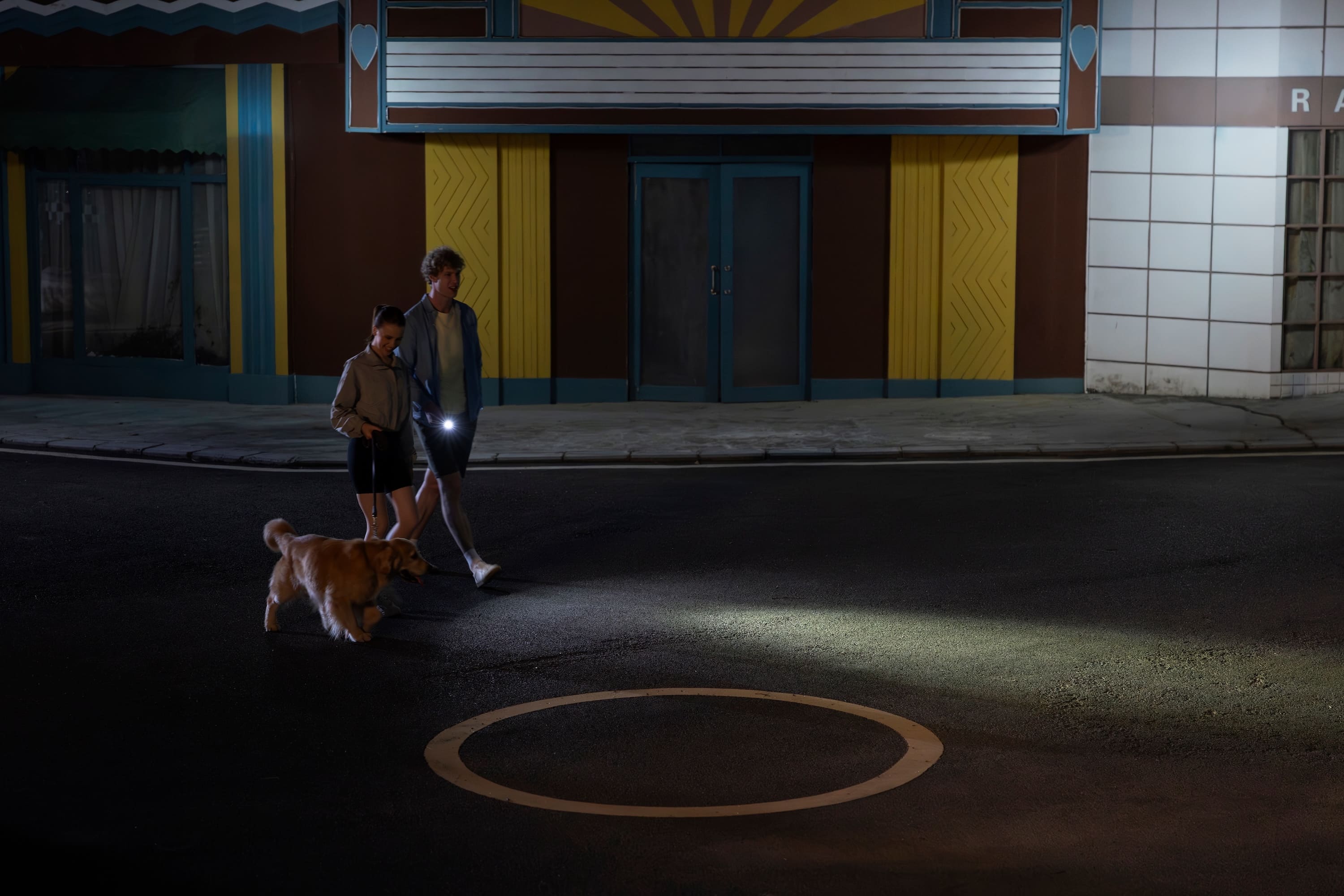
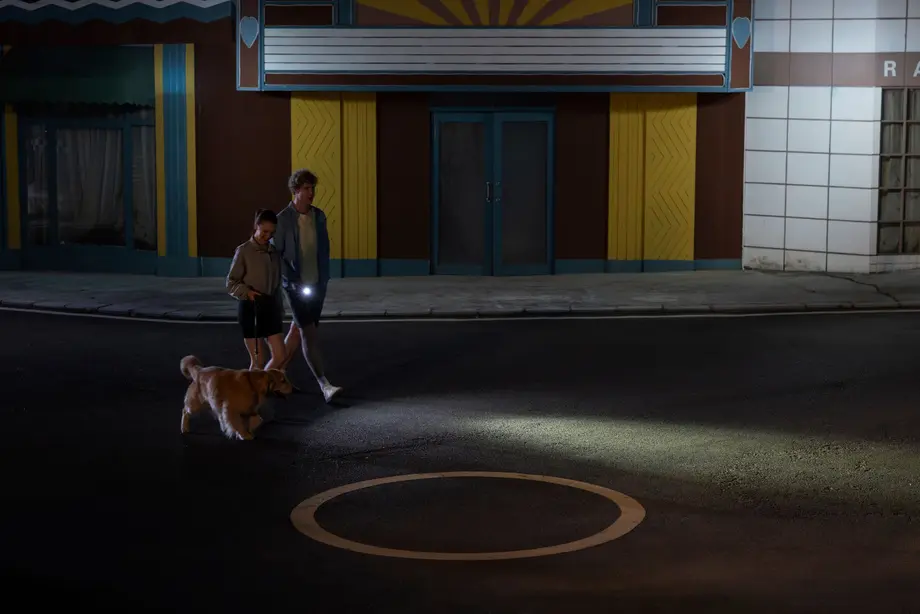
For safe and comfortable nighttime dog walks, a dedicated dog walking flashlight offers far more visibility, reliability, and versatility than a smartphone light. The best options combine appropriate lumen output, long runtime, waterproof construction, and red light modes that preserve night vision. Whether you're walking in urban neighborhoods or wooded trails, choosing the right night walking flashlight can help you avoid hazards, stay visible to drivers, and keep both you and your dog safer after dark.
Contents
1. Why a Dedicated Flashlight Is Essential for Dog Walking
2. What to Look for in a Dog Walking Flashlight
3. Why Red Light Mode Matters for Dog Walking
4. Best Flashlights for Dog Walking in 2026
5. Additional Safety Tips for Walking Your Dog at Night
6. Frequently Asked Questions About Dog Walking Flashlights
Whether you are navigating a dimly lit suburban sidewalk or trekking through a wooded trail behind your house, walking your dog at night presents unique challenges. Your phone’s flashlight might work in a pinch, but it lacks the beam distance, durability, and specialized features required for true safety. As we head into 2026, the technology behind the night walking flashlight has evolved to include smarter power management, multi-spectrum lighting, and hands-free versatility.
Why a Dedicated Flashlight Is Essential for Dog Walking
Many dog owners assume their smartphone is a sufficient light source. However, a dedicated flashlight for dog owners offers several critical advantages that a phone simply cannot match.
Safety for You, Your Dog, and Others
The primary reason for a dedicated light is safety. Visibility is a two-way street: you need to see where you are going, and others need to see you.
- Visibility to Drivers: In June, evening traffic can be heavy as people enjoy the warm weather. A strong light ensures that drivers see you and your dog from hundreds of feet away, preventing accidents at intersections.
- Tripping Hazards: Sidewalks are rarely perfect. Tree roots, cracked pavement, and discarded items are easy to miss in the dark. A high-quality beam illuminates these hazards, protecting you from a twisted ankle.
- Wildlife Awareness: Depending on where you live, you might encounter raccoons, skunks, or even coyotes. A powerful light allows you to spot these animals from a distance, giving you enough time to change your route and avoid a confrontation.
- The "Poop" Factor: Let's be honest, finding your dog’s waste in the dark with a weak light is frustrating. A dedicated flashlight for dog owners makes cleanup quick and hygienic.
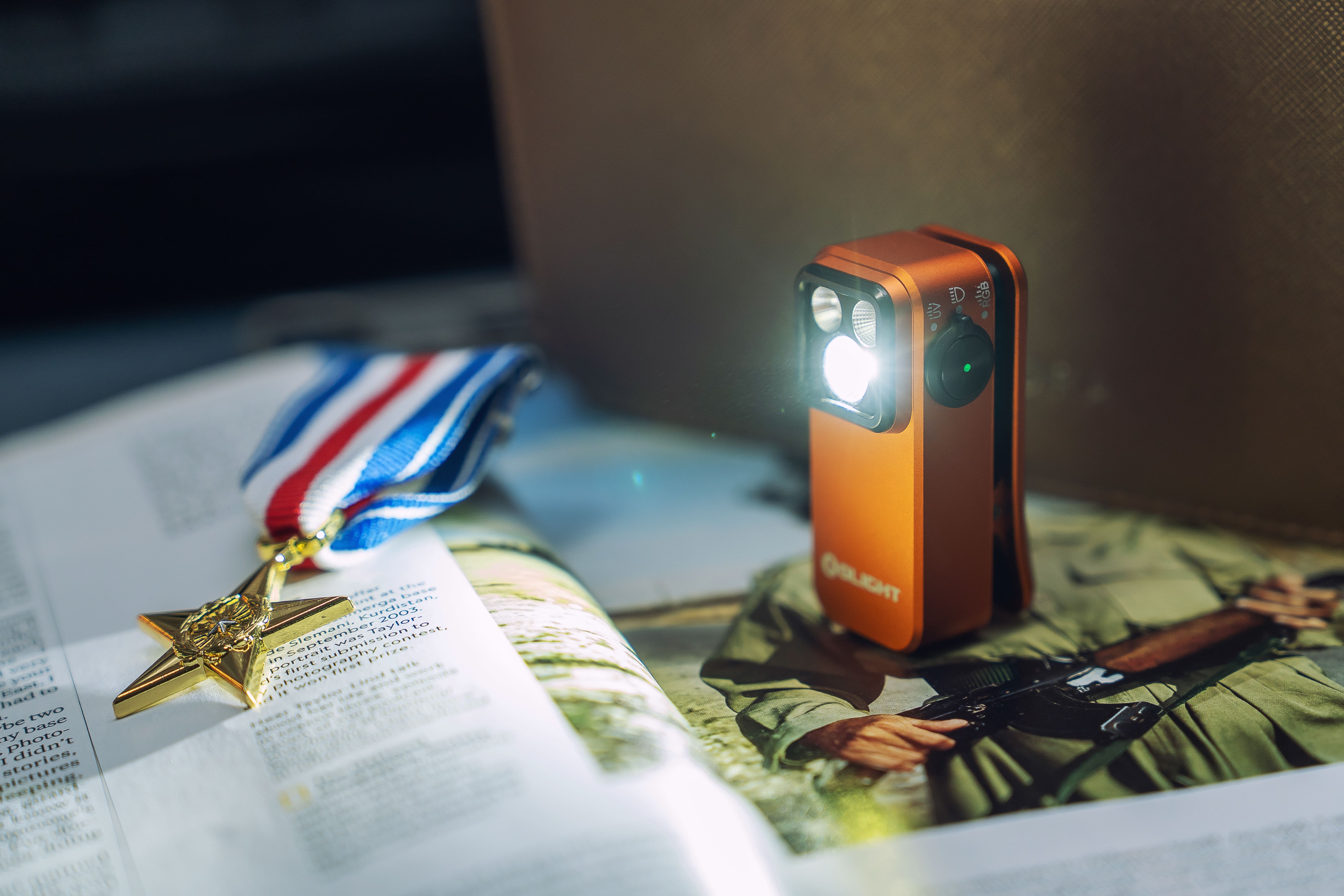
Oclip Pro S
What to Look for in a Dog Walking Flashlight
Choosing the right gear involves understanding technical specifications and how they translate to real-world use.
Brightness: How Many Lumens Do You Really Need?
When asking how many lumens for dog walking, the answer depends on your environment:
- Urban/Suburban (100 - 300 Lumens): If your path is mostly lit by streetlights, you need a light primarily for being seen and for close-range tasks like picking up waste.
- Parks and Trails (300 - 600 Lumens): In areas with no ambient light, you need enough power to see 50-100 feet ahead to identify potential obstacles or animals.
- Rural/Wooded Areas (600+ Lumens): If you walk in deep woods or areas with coyotes and other wildlife, a higher output allows you to scan the tree line and spot eye-shine from a distance.
It's worth noting that flashlight brightness, runtime, beam distance, impact resistance, and water resistance are commonly measured using the ANSI/PLATO FL1 standard, the industry's most widely recognized testing framework. This standard helps consumers compare flashlight performance across different brands using consistent measurement methods (Source: ANSI/PLATO FL1 Standard Explained).
Runtime and Battery Reliability
A flashlight is useless if it dies halfway through a 30-minute walk. Reliability is key. Modern best flashlights for dog walking use rechargeable lithium-ion batteries. Look for a device that offers at least 2-3 hours of runtime on its medium setting. USB-C charging is the standard in 2026, providing fast power-ups so the light is ready for the next outing. Some compact models, like those in the Oclip Series , even feature long-lasting "Moonlight" modes that can run for days in emergencies.
Under ANSI FL1 testing, runtime is measured from 30 seconds after activation until output falls to 10% of the initial measured brightness. Understanding this standard can help users better interpret runtime claims and choose lights that provide sustained illumination during longer walks (Source: ANSI/NEMA FL-1 Flashlight Performance Standard).
Weather Resistance for Rainy Walks
Dogs need exercise regardless of the weather. A waterproof flashlight for dog walks ensures that a sudden downpour doesn't short-circuit your gear. Look for an IPX rating. IPX4 protects against splashes, while IPX6 or higher handles heavy rain and even temporary submersion. Ensuring your charging port is protected by a waterproof cover or seal is vital for long-term durability.
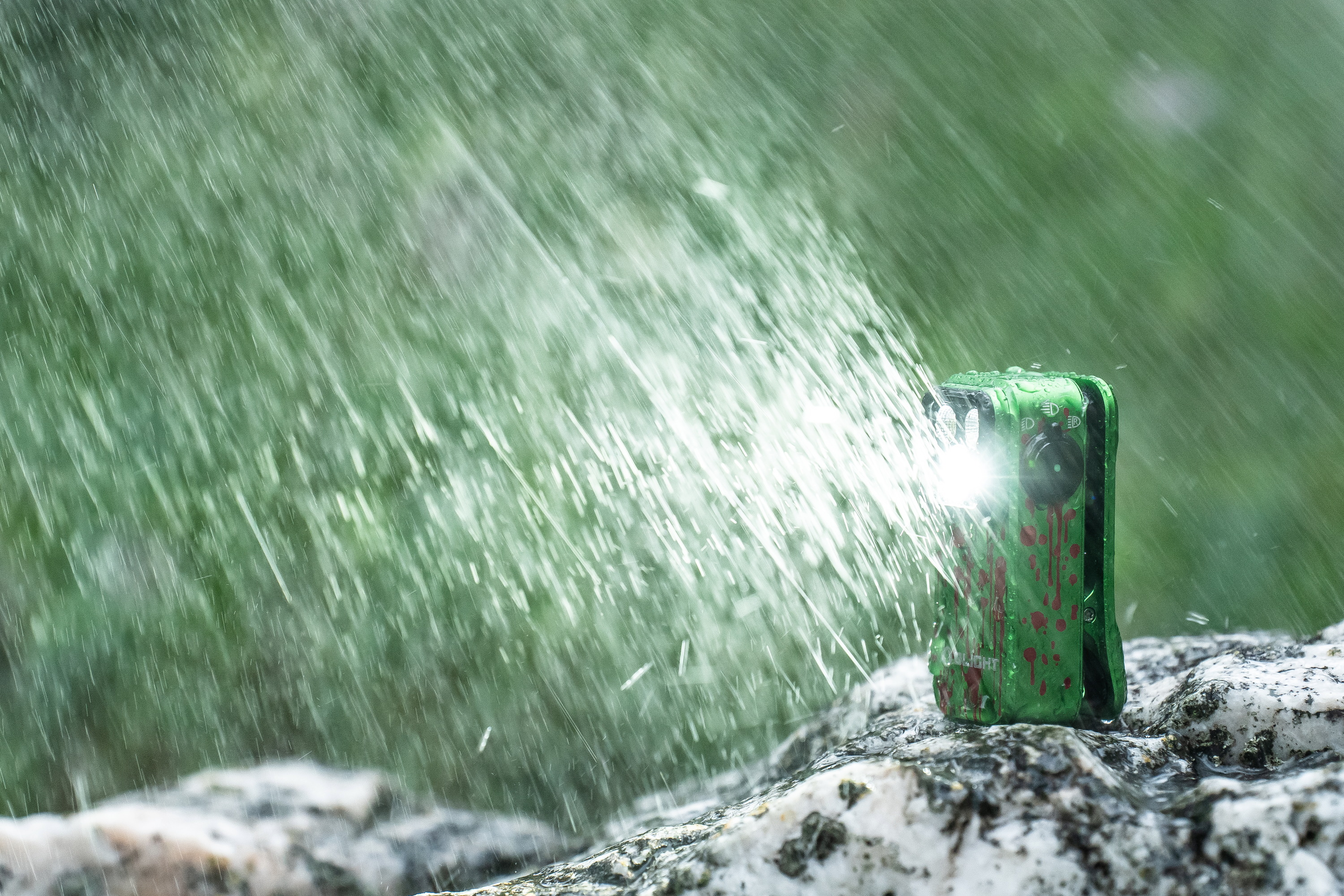
Oclip Pro
Easy One-Hand Operation While Holding a Leash
You typically have one hand occupied by a leash. A dog walking light must be operable with a single hand. This means the power button should be easy to find by touch, and the mode switching should be intuitive. A clip on flashlight for dog walking is an even better solution, as it allows for completely hands-free operation when attached to a jacket, hat, or the leash itself.
Why Red Light Mode Matters for Dog Walking
The inclusion of a red light mode has moved from a "tactical" feature to a "practical" one for pet owners.
Preserving Your Night Vision
When you blast 500 lumens of white light to look at a map or pick up after your dog, your pupils constrict. When you turn the light off, you are momentarily "blind" until your eyes readjust to the dark. Red illumination has long been used in military, aviation, and outdoor applications because it minimizes disruption to dark adaptation compared with bright white light. This allows users to perform close-up tasks while maintaining better awareness of their surroundings in low-light environments.Red light does not trigger this pupillary response, allowing you to perform tasks while maintaining your natural night vision (Source:Powertrail-ANSI/PLATO FL1 Standard Explained).
Red Light vs. White Light for Pet Comfort
Some dogs are sensitive to bright white light. If you accidentally shine a high-lumen beam in your dog's eyes, it can cause temporary disorientation. Red light is much softer on their eyes and less likely to startle them or other animals in the vicinity.
Red Light for Campsites and Quiet Neighborhoods
If you are walking your dog through a campsite or a very quiet residential area at 11 PM, a bright white beam can be intrusive to neighbors. A low-intensity red light provides enough illumination to see where you are stepping without flashing a "searchlight" into someone’s bedroom window.
When to Use Red Mode During Dog Walks
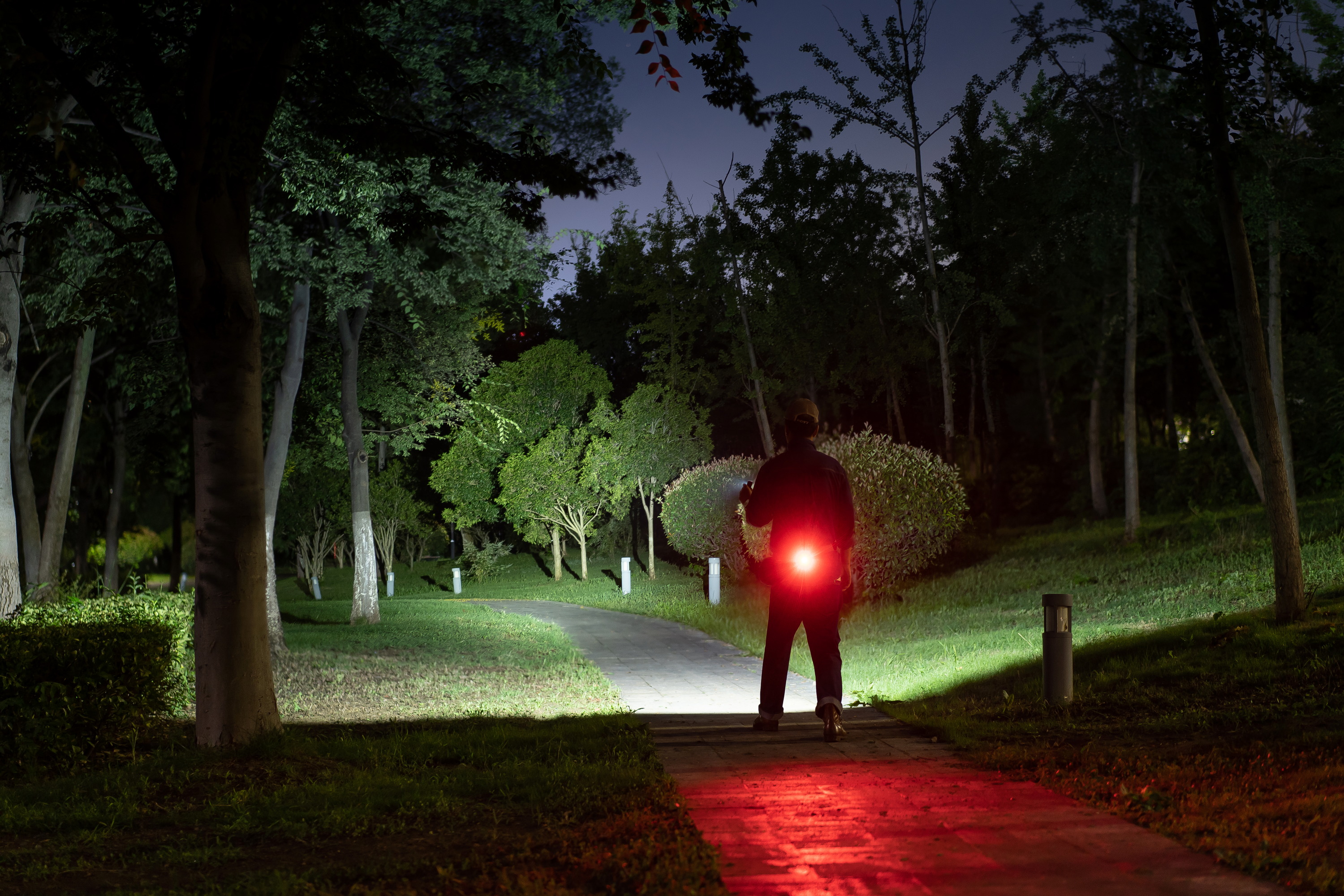
- Safety Signaling: Most red light modes include a flashing or beacon setting. If you are crossing a road, a flashing red light is a universal signal for "stop" or "caution," alerting drivers more effectively than a steady white beam.
- Close-up Tasks: Use it for checking your dog’s paws or adjusting their harness without blinding yourself.
Best Flashlights for Dog Walking in 2026
Olight has pushed the boundaries of portable lighting with the Oclip Pro S / Oclip Pro. These models are specifically designed for the Everyday user who needs versatility. The Oclip series focuses on high-utility clipping mechanisms that make them the perfect clip on flashlight for dog walking.
Below is a comparison of the top choices for 2026:
| Feature | Oclip Pro S | Oclip Pro |
|---|---|---|
| Max Lumens | 600 lm (White) | 500 lm (White Flood) |
| Special Modes | UV, RGB (Red/Green/Blue) | Red Light (40/4 lm), Spot Beam |
| Max Throw | Optimized Flood | 120-meter Spot |
| Runtime (Moonlight) | 144 Hours | 144 Hours |
| Weight | ~53g | ~53g |
| Charging | USB-C (Waterproof) | USB-C (Waterproof) |
| Mounting | Clip, Magnet, Lanyard | Clip, Magnet, Lanyard |
Oclip Pro S: The Multi-Spectrum Powerhouse The Oclip Pro S is a 5-in-1 lighting system. With its 600-lumen output, it covers the "rural" requirements mentioned earlier. Its standout feature for dog owners is the RGB lighting. The red light preserves vision, while the UV light (365 nm) can actually be used to detect certain biological stains or even pests like scorpions if you live in the Southwest.
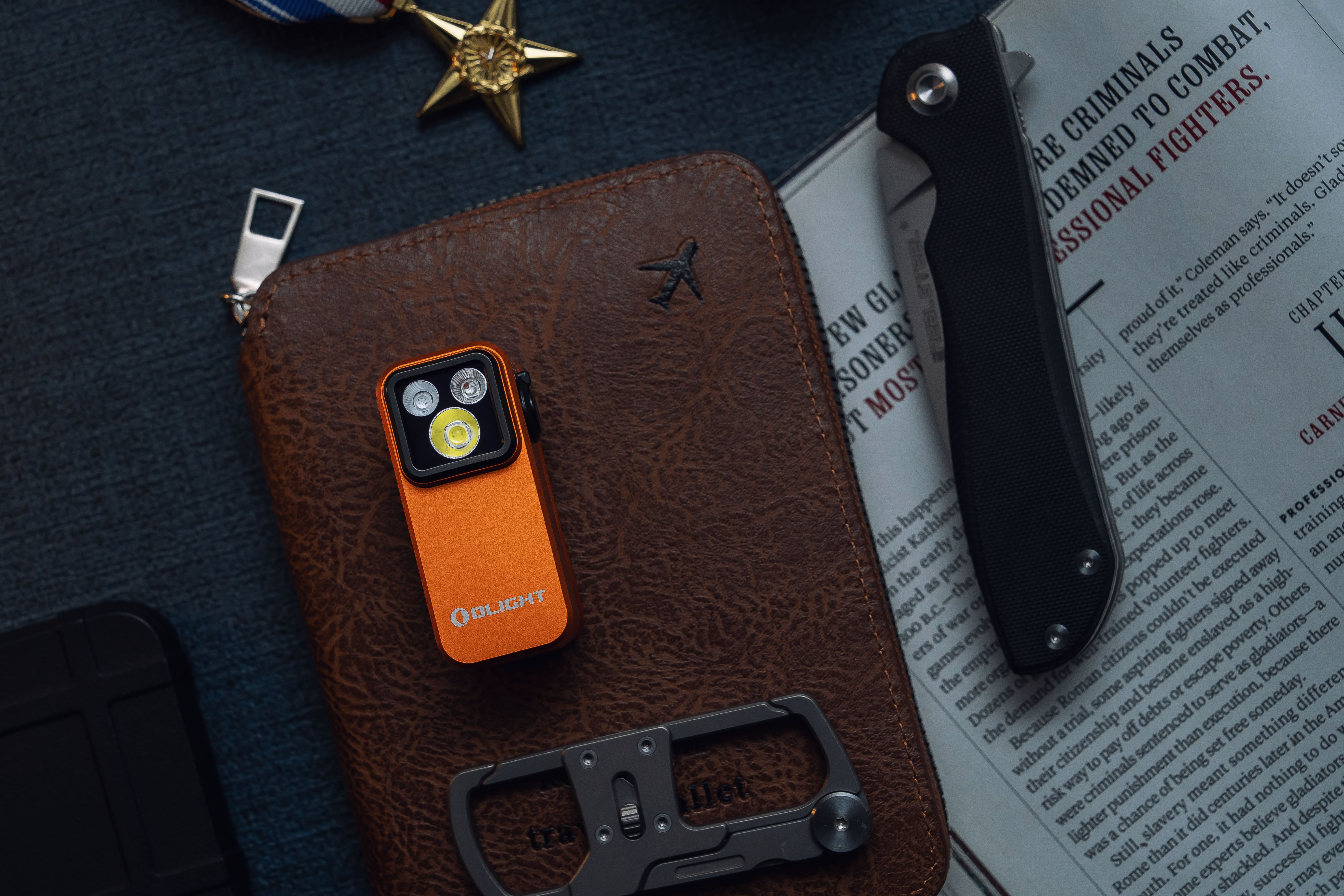
Oclip Pro S: Multifunctional EDC Clip Flashlight
- White light, UV, RGB, and flashing modes in one tool
- Clip, hang, or magnet-mount; only 53 g and pocket-sized
- 365 nm UV Beam for counterfeit detection and inspections
- Up to 144 hours; USB-C rechargeable for daily convenience
Oclip Pro: The Precision Tool The Oclip Pro offers a dedicated 120-meter spot beam. This is incredibly useful if your dog is off-leash and you need to "throw" a light deep into the woods to find them. The side selector allows you to switch between the 500-lumen floodlight and the red light instantly, making it a very intuitive red light flashlight for dog walking.
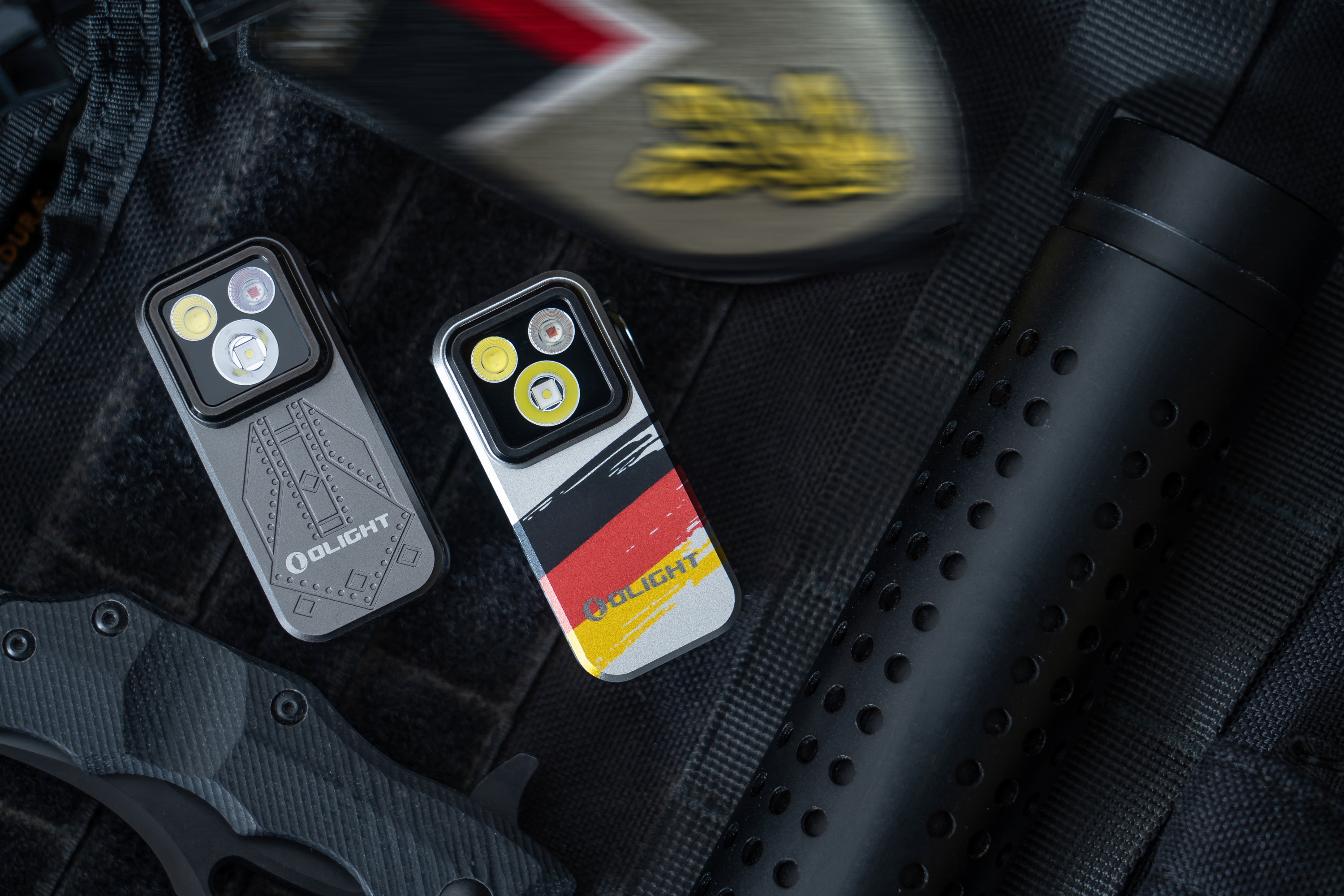
Oclip Pro Clip-on Flashlight
- 500lm flood, 120m spot & 40/4lm red; side dial switch
- USB-C Charge,up to 144h runtime
- Tri-lens sleek casing for daily fashion match
Additional Safety Tips for Walking Your Dog at Night
A flashlight is your primary tool, but safety at night requires a multi-layered approach.
Wear Reflective Clothing and Gear
In addition to your flashlight, wear a reflective vest or a jacket with reflective strips. While your light makes you visible from the front, reflective gear ensures you are visible from all angles when hit by car headlights.
Use Reflective Dog Leashes and Collars
Your dog should be just as visible as you are. Reflective stitching on leashes and collars is standard now. For maximum safety, consider an LED dog collar that glows a steady color, making it easy to spot your dog even if they aren't directly in your flashlight's beam.
Stay Visible to Drivers and Cyclists
Always walk against traffic so you can see vehicles approaching. If you see a car coming, point your flashlight toward the ground in front of you. This alerts the driver to your presence without blinding them, which could actually make the situation more dangerous.
Be Aware of Wildlife and Environmental Hazards
Nighttime is when many nocturnal predators are active. Use your night walking flashlight to scan the distance periodically. Look for "eye-shine"—the reflective layer in the eyes of many animals. If you see eyes reflecting back at you, it is best to shorten the leash and head in the opposite direction.Beam distance can be just as important as lumen output when scanning for wildlife. According to ANSI FL1 testing standards, beam distance is measured at the point where illumination reaches 0.25 lux—approximately the brightness of a full moon—which provides a useful benchmark when comparing flashlights intended for trail and rural use (Source: ANSI FL1 Beam Distance Standard).
Keep Backup Lighting Available
Electronics can fail. Carrying a small backup light, like a keychain light or a secondary Oclip attached to your belt, ensures you are never left in total darkness.