Competition has a way of stripping away the noise.
Spec sheets, product claims, and controlled demos all have their place, but once the timer starts, what matters is whether the optic can support the shooter under pressure. At the 2026 IPSC Extreme Euro Open in the Czech Republic, more than 700 competitors from around the world faced a multi-day, multi-stage match built to test speed, focus, consistency, and control.
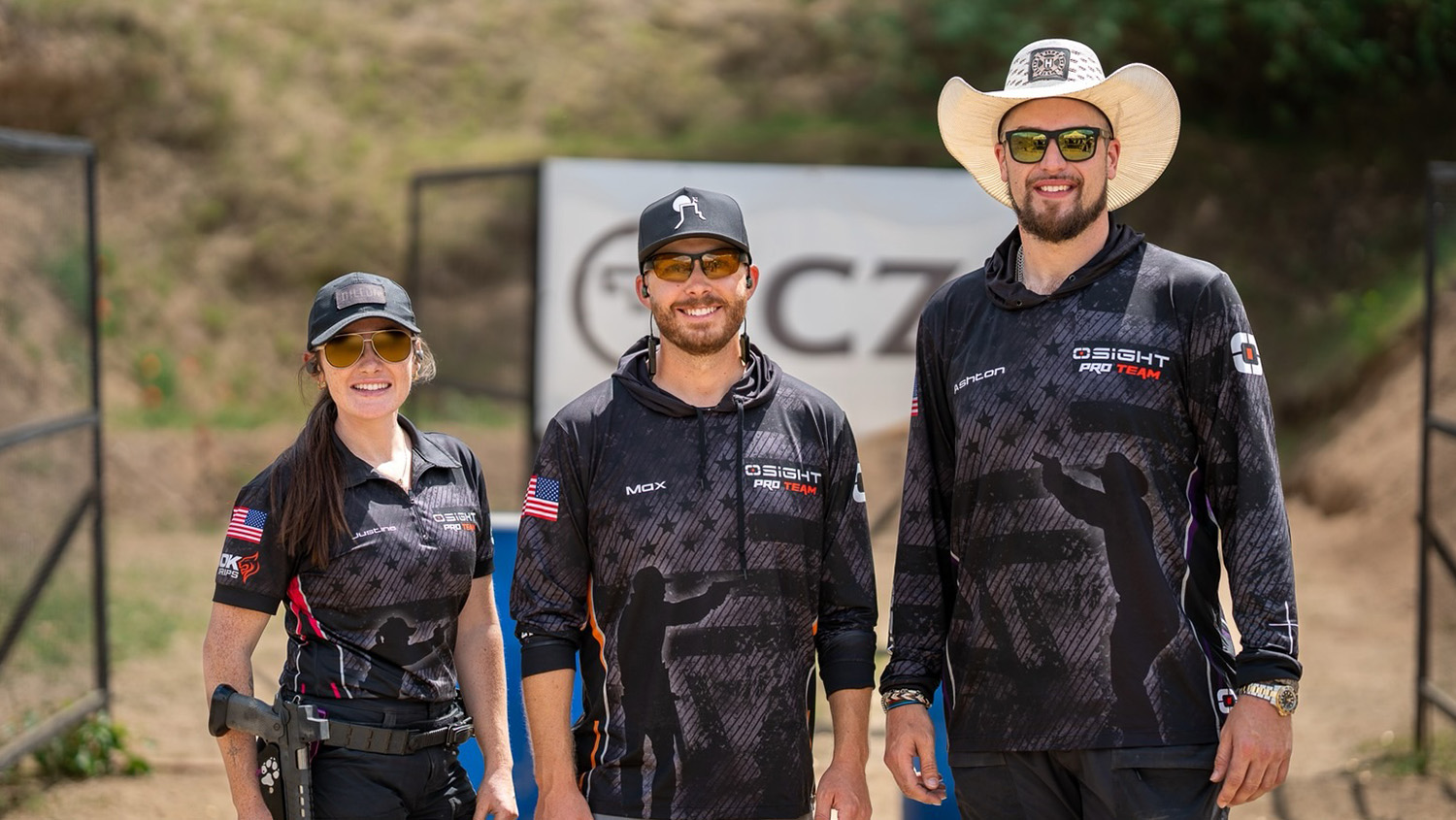
For the Osight Pro Team, the match ended with standout podium finishes across multiple divisions. For Osight, it also became the right place to take a closer look at the new XE AMRS, not as a display piece, but as an optic run by pro shooters under the pace and pressure of an international match.
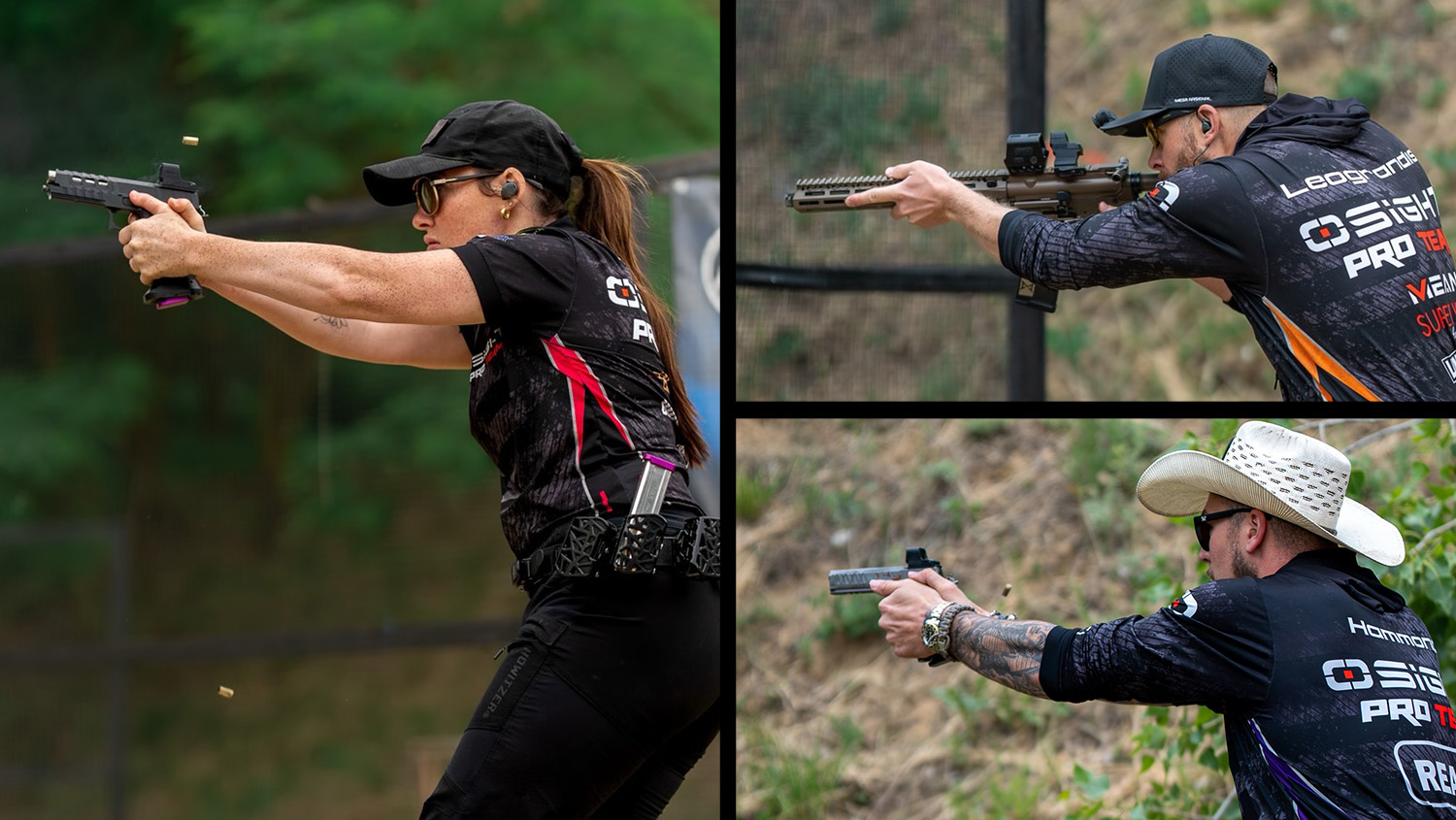
Osight Pro Team at Extreme Euro Open
The team’s results reflected both high-level shooting performance and the demanding environment in which the XE AMRS was used.
The team delivered standout results:
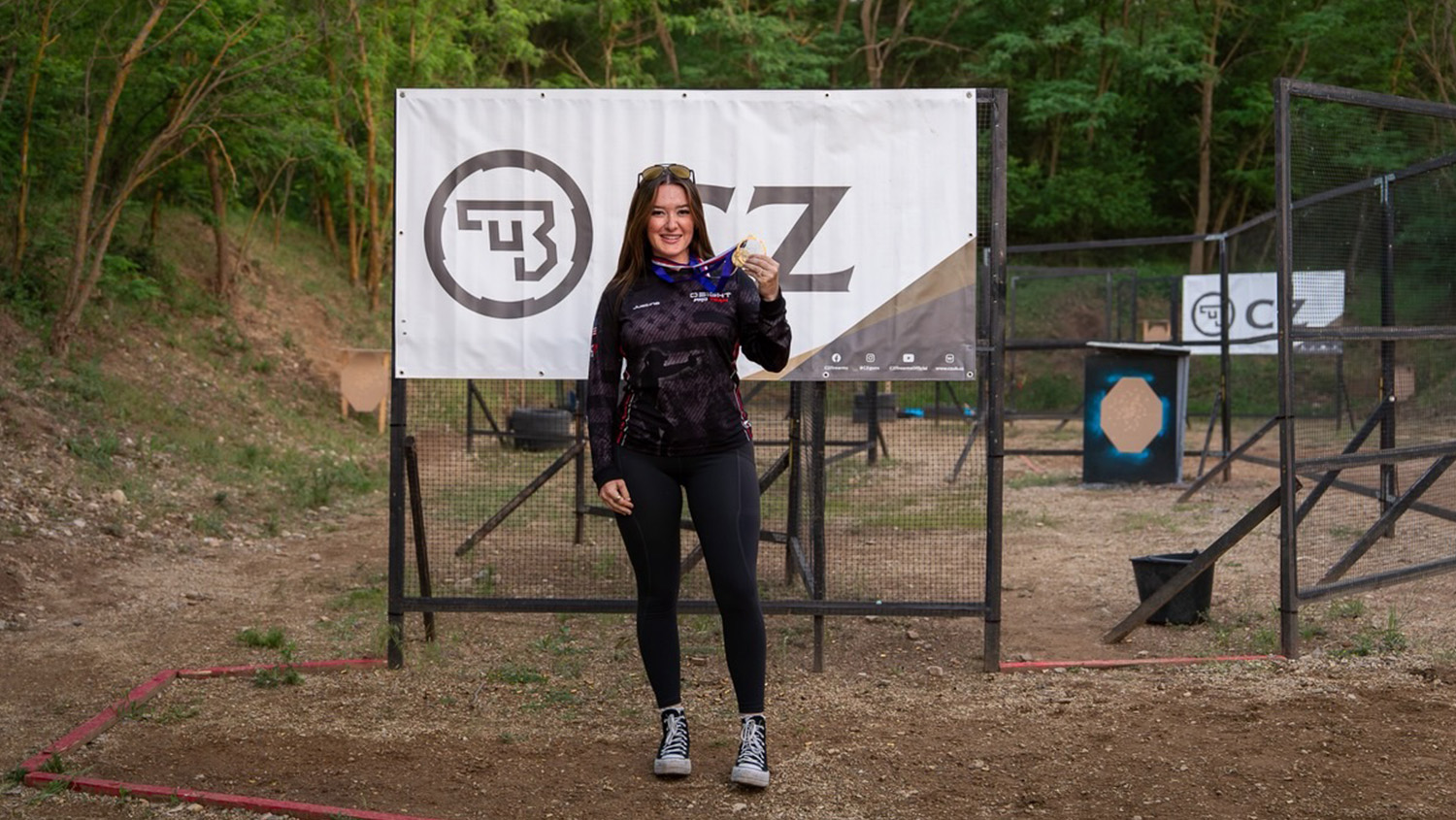
- Justine claimed 1st place in the Lady Optics Division
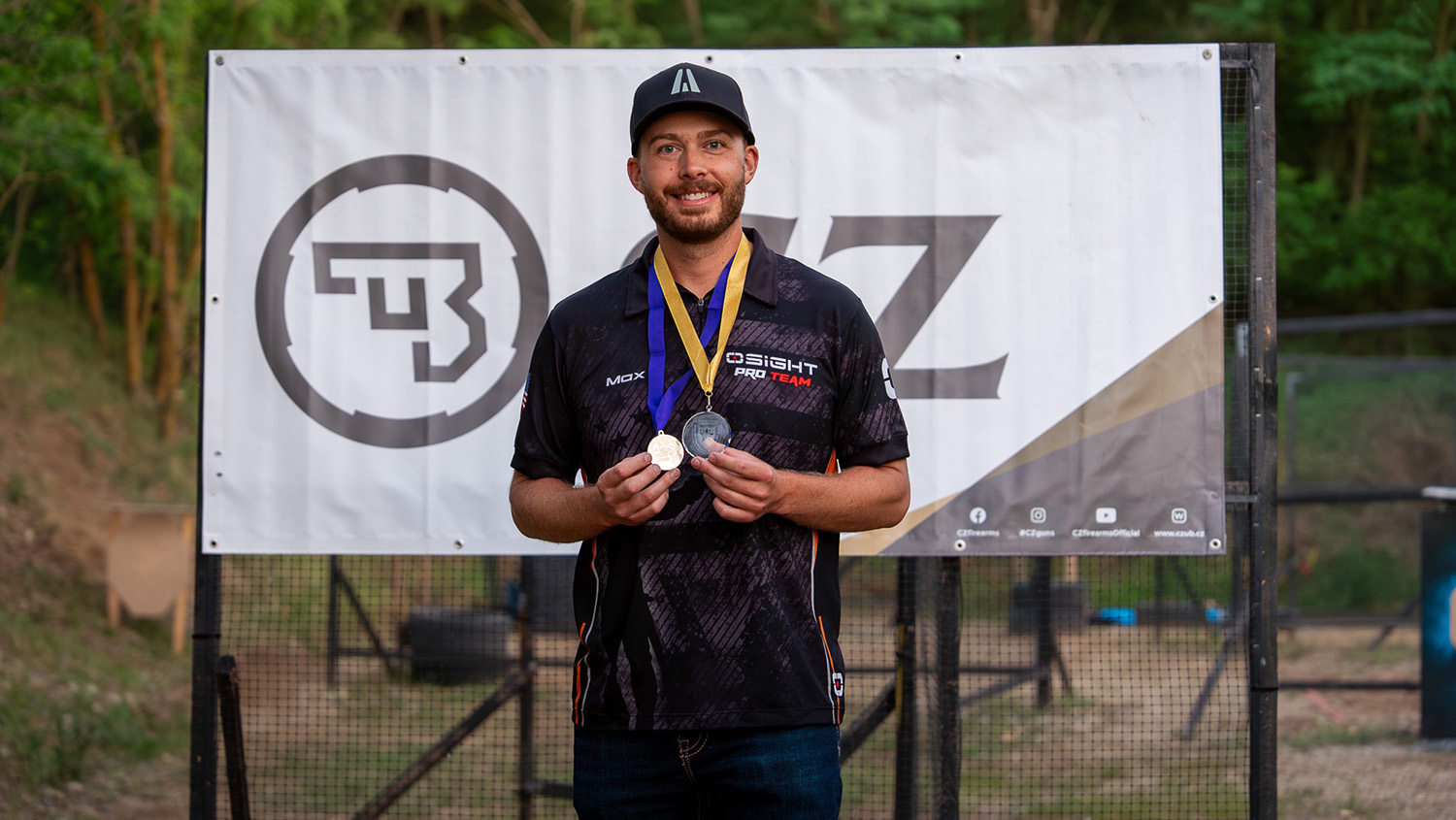
- Max took 1st place in PCC Optics
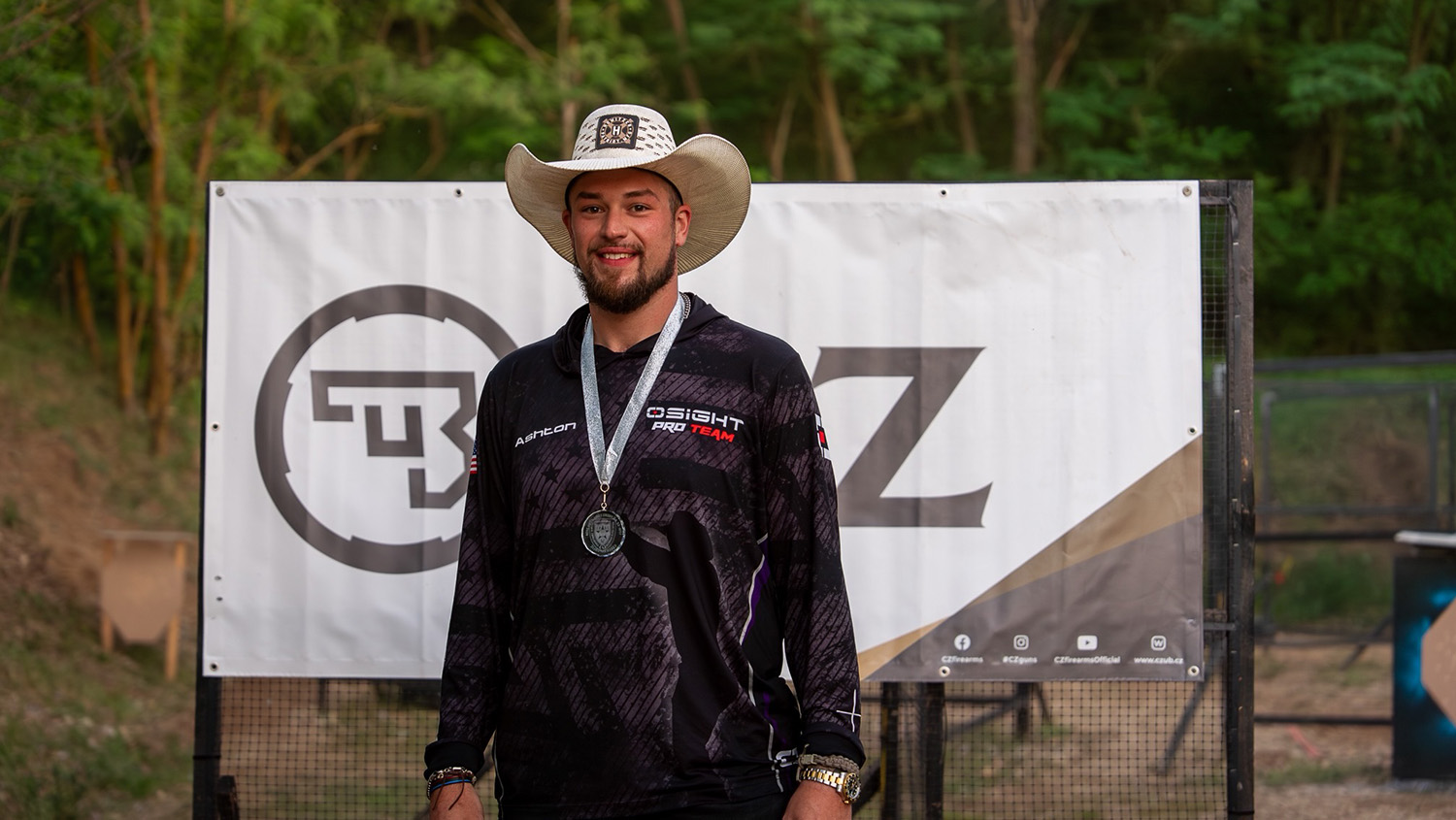
- Ashton finished 2nd in Optics behind world champion Eric Grauffel
These finishes speak first to the shooters themselves: their preparation, discipline, and ability to perform under pressure. For Osight, the value was also in seeing the XE AMRS run, observed, and evaluated by pro shooters across a multi-day match that tested both shooter and equipment.
What the Match Put to the Test
Strong results are only part of the story. In a match like the Extreme Euro Open, an optic has to do more than look clear on a range day. It has to keep up with movement, timing, changing target presentations, and the mental load of stage planning.
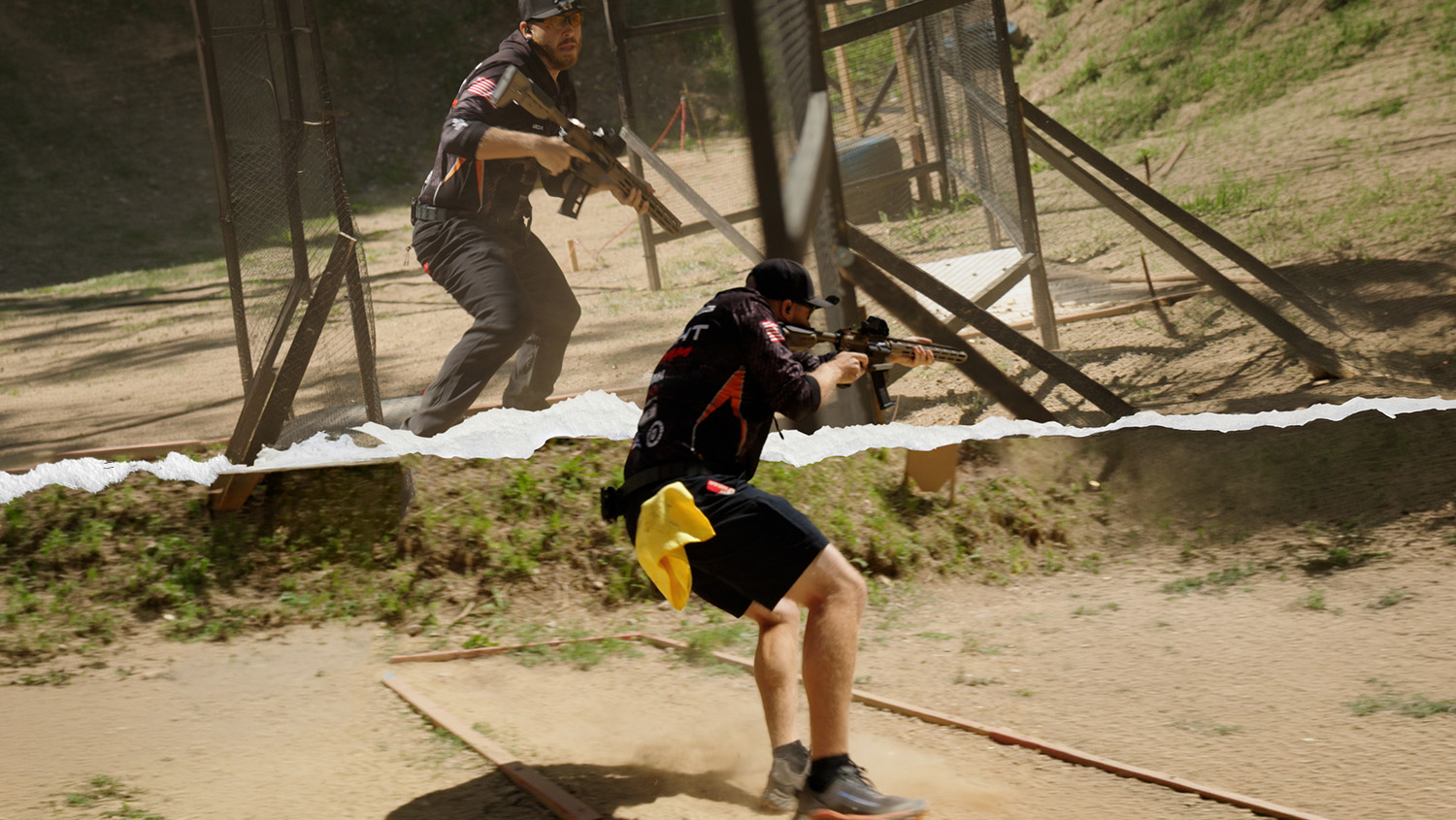
Shooters are not simply standing still and confirming a dot. They are entering and exiting positions, transitioning between targets, adjusting to different distances, and making decisions under pressure. In that environment, the optic should support the shooter without becoming another thing to manage.
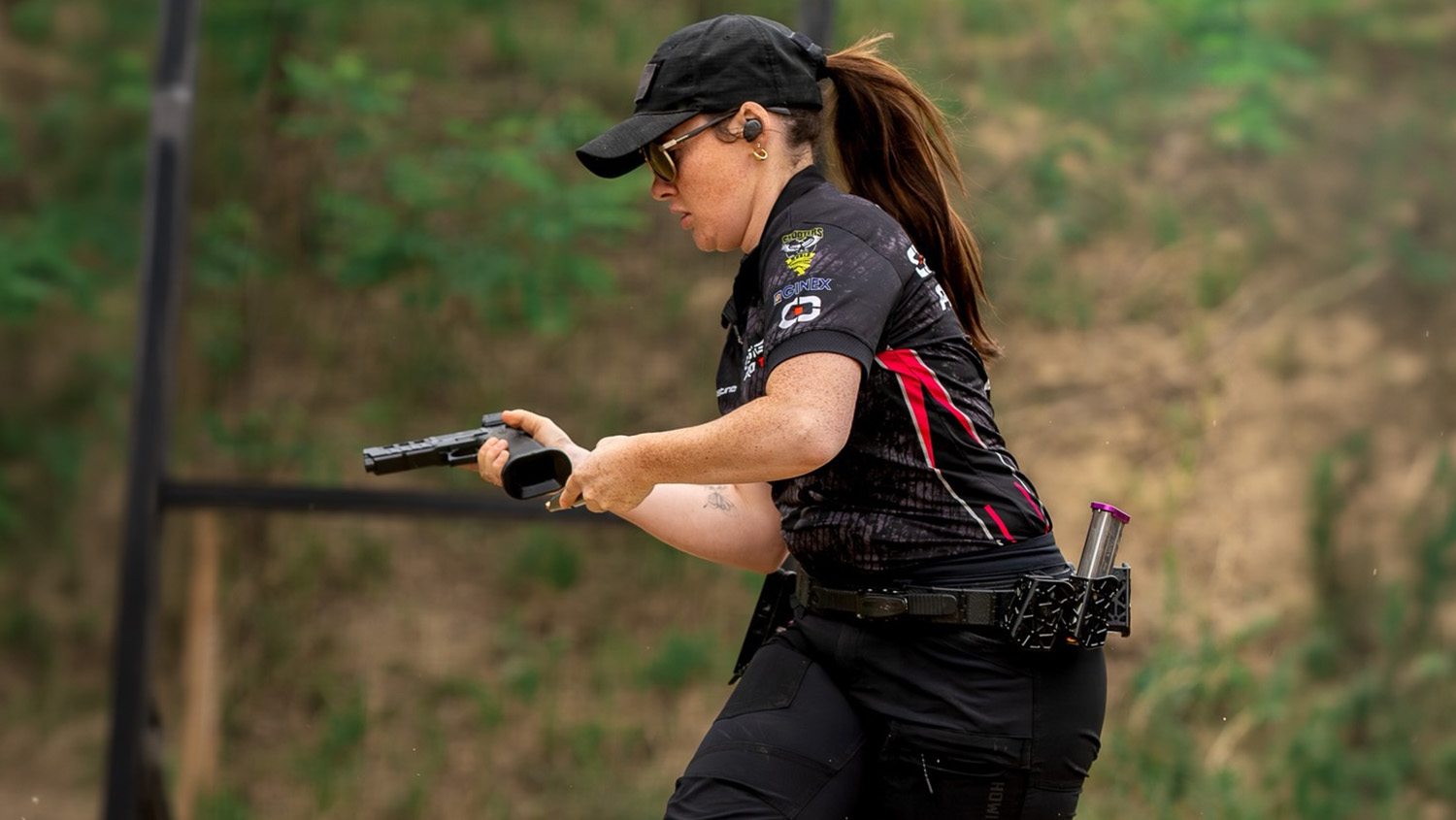
That means the sight picture needs to appear quickly. The reticle needs to feel natural to the shooter’s eye. Controls need to be predictable. The optic needs to stay consistent from the first stage to the last. When everything works as it should, the shooter is not thinking about the optic. They are focused on the stage.
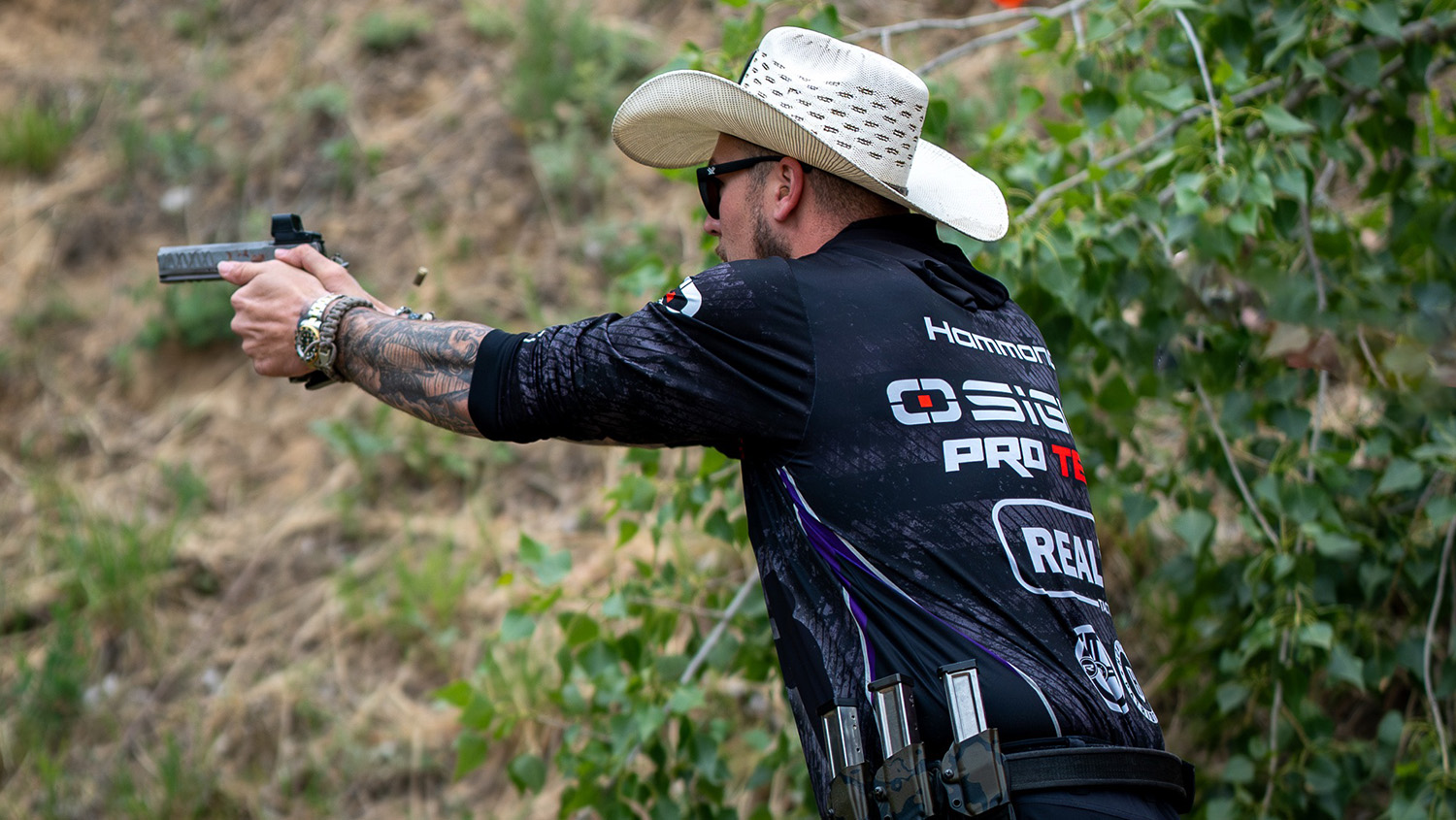
Where the XE AMRS Design Matters
The Extreme Euro Open made one thing clear: Under match conditions, an optic earns its value when it reduces friction for the shooter. That is where the XE AMRS design becomes relevant.
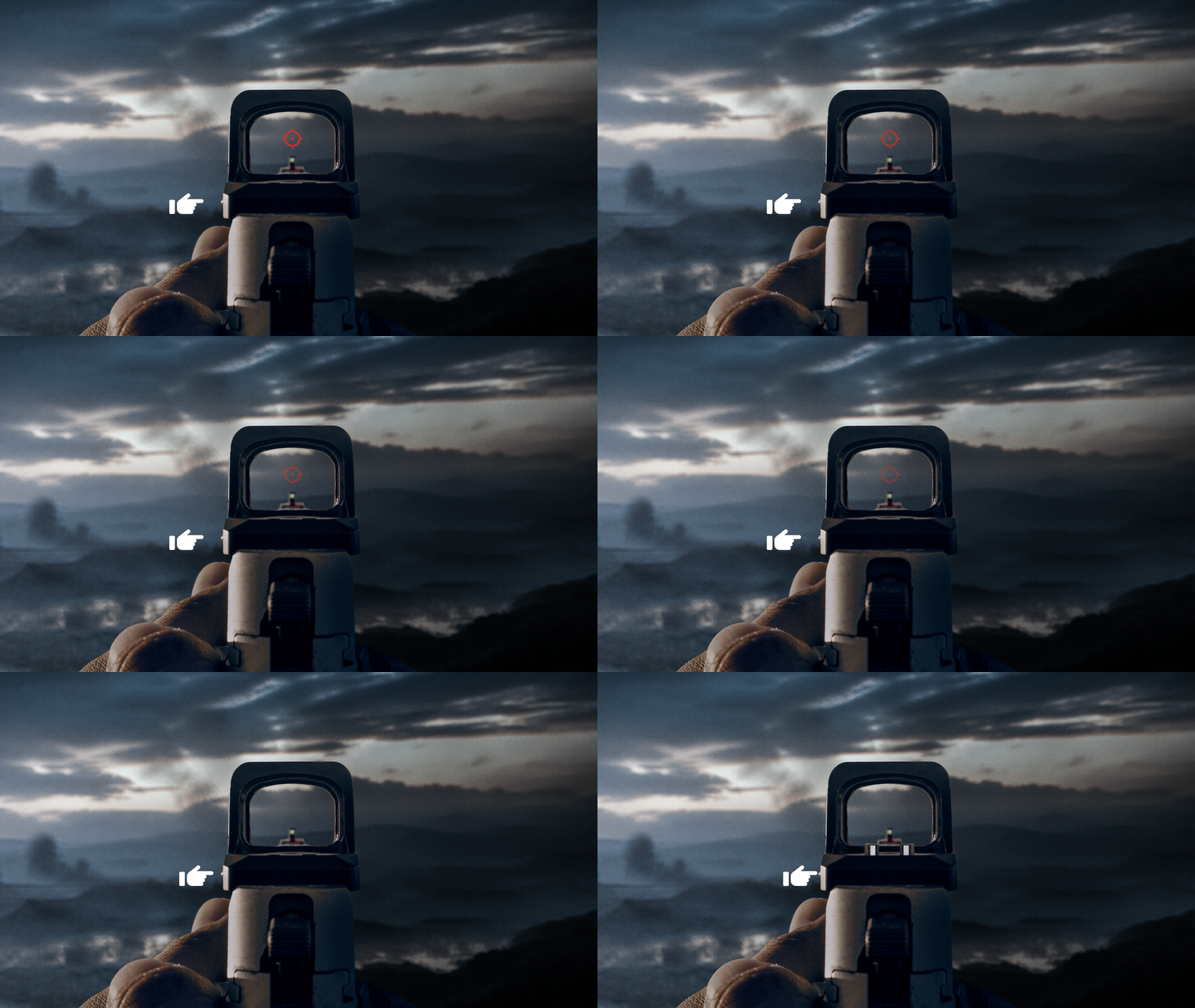
On stages that move between close arrays and more precise shots, the 2/6+32 MOA Advanced Multi-Reticle System (AMRS™) allows shooters to choose a sight picture that matches their pace and visual preference instead of forcing one reticle configuration across every scenario.
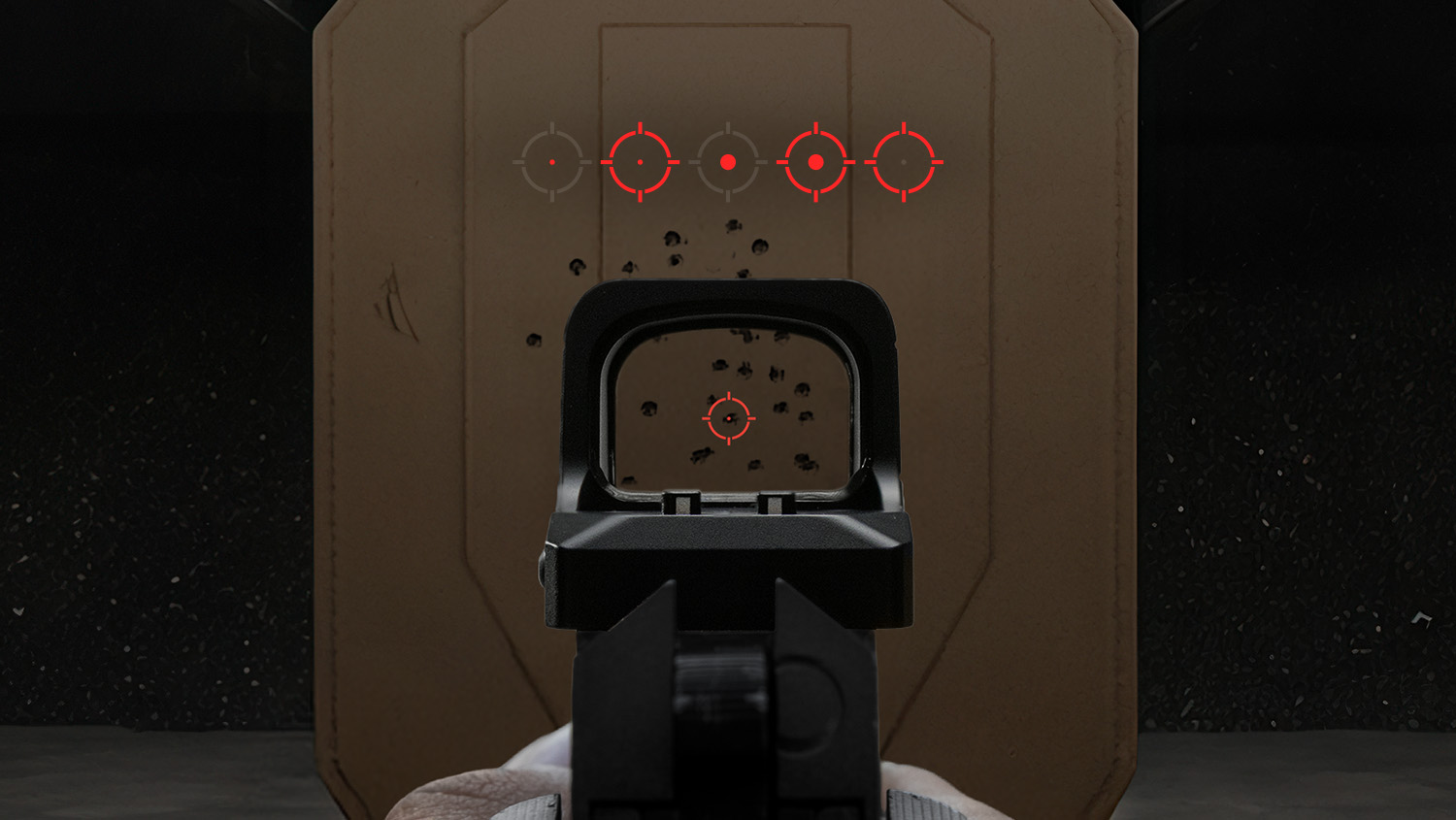
The Collapsible Backup Rear Sight (CBRS™) adds backup aiming capability without crowding the normal sight picture. It stays folded during regular use, helping keep the window clear of obstruction for maximum field of view. In a pinch, it can be deployed when needed if the optic becomes unavailable.
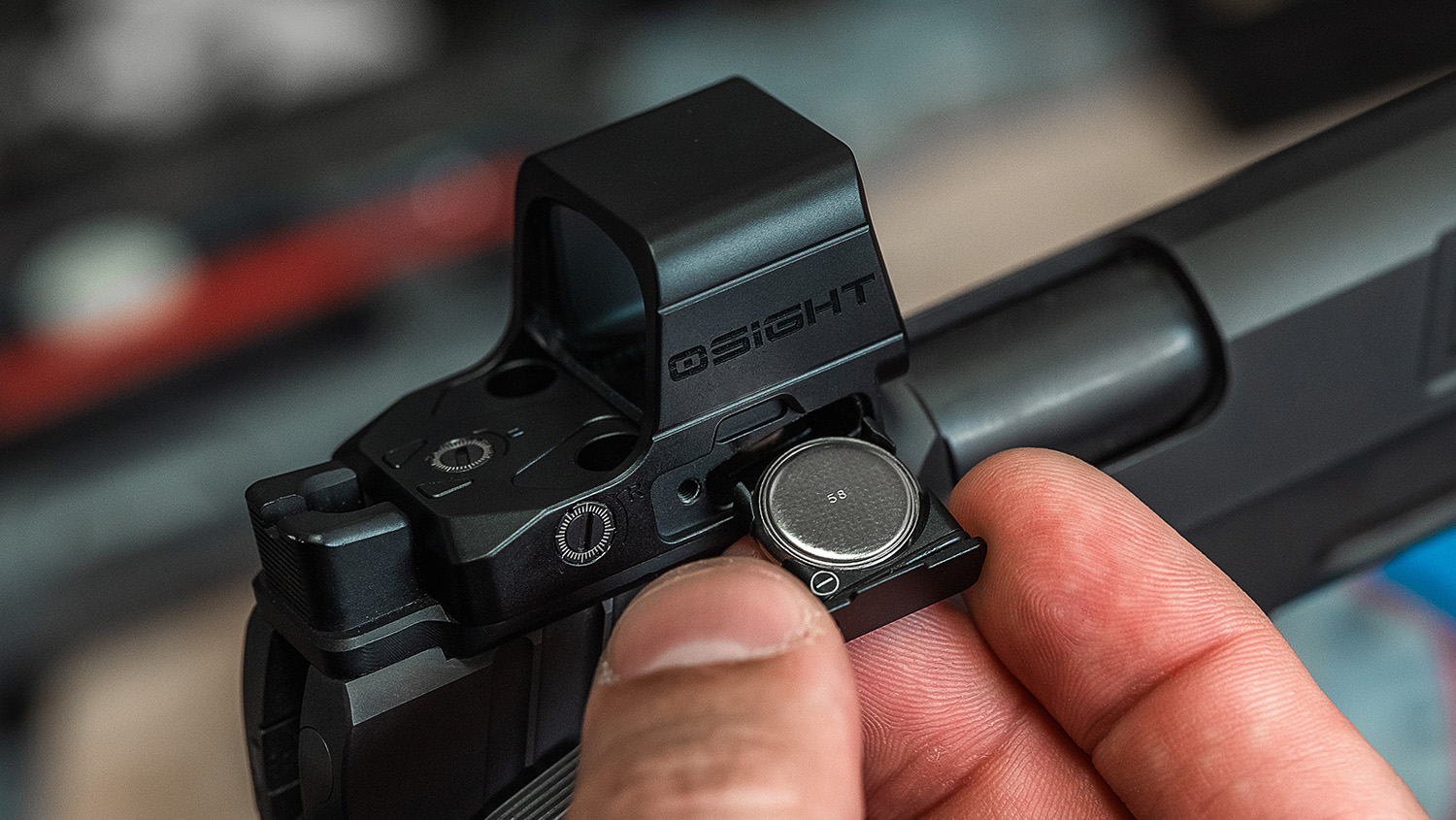
In a multi-day match, small maintenance steps matter too. The coin cell battery system allows battery changes without removing the optic or disturbing zero. For competitors and high-volume shooters, that reduces one more variable before training or match day.
Mounting familiarity is another practical advantage. The Ruggedized Miniature Reflex footprint helps simplify setup for shooters already using compatible mounting systems. That means less friction during installation and easier integration with common performance-shooting platforms.
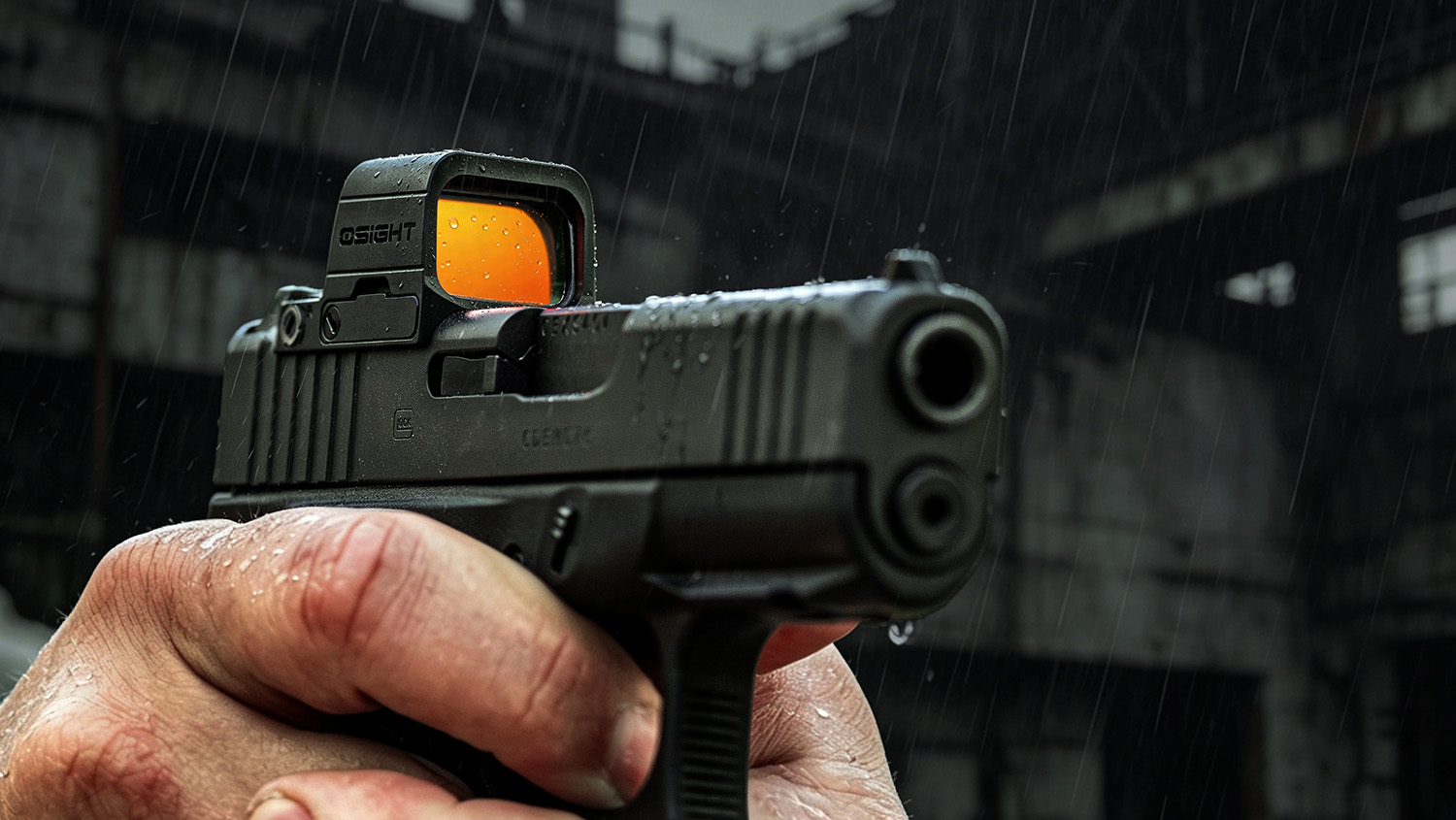
Taken together, these design choices are not just features on a spec sheet. They are answers to the kinds of small but important problems shooters face when pace increases, fatigue builds, and every stage demands focus.
What We Learned
The podium finishes belong to the shooters. Justine, Max, and Ashton earned their results through preparation, skill, and the ability to perform under pressure.
For Osight, the value of the Extreme Euro Open was not in turning a match result into a product guarantee. It was in seeing the XE AMRS used by serious competitors across different divisions, stage designs, and shooting styles.
That kind of environment gives a product something a controlled demo cannot: time on the clock. It shows whether design choices make sense when the pace increases, fatigue builds, and the shooter needs the optic to support the stage plan without becoming another variable.
At the Extreme Euro Open, the XE AMRS was not just shown. It was run hard.